A glass of wine after dinner used to sound like balance, not danger. A beer during the game felt like part of the ritual, not a health decision. But a new review of 843 studies is pushing Americans toward a tougher question: what if the “just 1 drink” habit was never as harmless as we were told?
The new alcohol research looked at 20 major health outcomes, including cancer, heart disease, type 2 diabetes, Alzheimer’s disease, liver disease, pancreatitis, and respiratory infections. The cancer findings stand out because alcohol was linked to a higher risk across 10 cancer types studied, even when drinking stayed at low levels.
The Warning Is Not Just for Heavy Drinkers
The most uncomfortable part of this story is not about people drinking 6 beers every night or finishing a bottle alone. It is about the quiet, normal, socially approved drink that millions of adults treat as a daily reward. Less than 1 drink a day was still associated with a higher risk for several cancers in the review.
That makes the finding harder to ignore because it moves alcohol risk from the extreme cases into ordinary American life. We are talking about the 1 glass poured while making dinner, the 1 cocktail ordered at happy hour, or the 1 beer opened during a Sunday game.
The Cancer List Is Bigger Than Many People Think

Alcohol is already linked to at least 7 types of cancer, including cancers of the mouth, throat, voice box, esophagus, liver, colon and rectum, and breast. That list matters because many people still think the main danger of drinking is liver damage, not cancer spreading across multiple parts of the body.
The newer review went even further, examining 10 cancers and finding harmful links among them. That does not mean 1 drink guarantees cancer, but it does mean the old comfort line of “moderation is safe” looks far weaker than it did 10 years ago.
The U.S. Numbers Make This Bigger Than One Study
In the United States, alcohol is tied to about 100,000 cancer cases and roughly 20,000 cancer deaths each year, according to the U.S. Surgeon General’s advisory. That is not a small side note in public health. That is a national cancer story hiding in plain sight.
CDC data also shows that more than 538,000 alcohol-associated cancers occurred in the U.S. in 2022. About 86% of new alcohol-associated cancers occur in people age 50 or older, which means this risk becomes even more important as Americans move into midlife and retirement.
Breast Cancer Is the Risk Many Women Were Not Warned About
For women, breast cancer is one of the most important parts of the alcohol conversation. The National Cancer Institute says even light drinkers can have an increased risk for some cancers, and women who have 1 drink per day have a higher breast cancer risk than women who drink less than 1 drink a week.
That should hit differently in a country where breast cancer already affects about 1 in 8 women over a lifetime. The nightly wine habit was often sold as sophisticated, calming, and even heart-friendly. But for many women, the cancer discussion is now becoming impossible to separate from that glass.
Wine Does Not Get a Special Pass

One of the biggest myths around alcohol is that wine sits in a safer category than beer or liquor. But the cancer concern stems from ethanol, which is present in wine, beer, and spirits. A 5-ounce glass of wine, a 12-ounce beer, and a 1.5-ounce shot of liquor can all count as 1 standard drink.
That means the body is not impressed by a nicer bottle, a dinner pairing, or a wellness-friendly label. The same basic alcohol chemistry is still there. A $15 cocktail and a $3 beer may look different on the receipt, but both still send ethanol into the body.
Many Americans Are Probably Undercounting Their Drinks
The phrase “1 drink” sounds simple until real life gets involved. A restaurant pour can be larger than 5 ounces, a craft beer can be stronger than 5% alcohol, and a cocktail can contain 2 shots without looking oversized. That means a person may think they had 1 drink when their body processed closer to 2.
This is where the risk becomes practical, not just scientific. If someone drinks “only once a night” but the pour is actually 2 standard drinks, that adds up to 14 drinks a week instead of 7. The habit feels moderate, but the math tells a different story.
The Body Turns Alcohol Into a Toxic Chemical
Alcohol does not simply pass through the body like flavored water. When the body breaks it down, it produces acetaldehyde, a toxic compound that can damage DNA. DNA damage matters because cancer begins when cells start growing abnormally after enough mistakes accumulate over time.
Researchers point to several cancer-related pathways, including DNA damage, inflammation, oxidative stress, hormone changes, and easier absorption of harmful chemicals from tobacco. That gives alcohol at least 4 major biological routes that can help explain why cancer risk rises.
Drinking and Smoking Can Be a Dangerous Pair
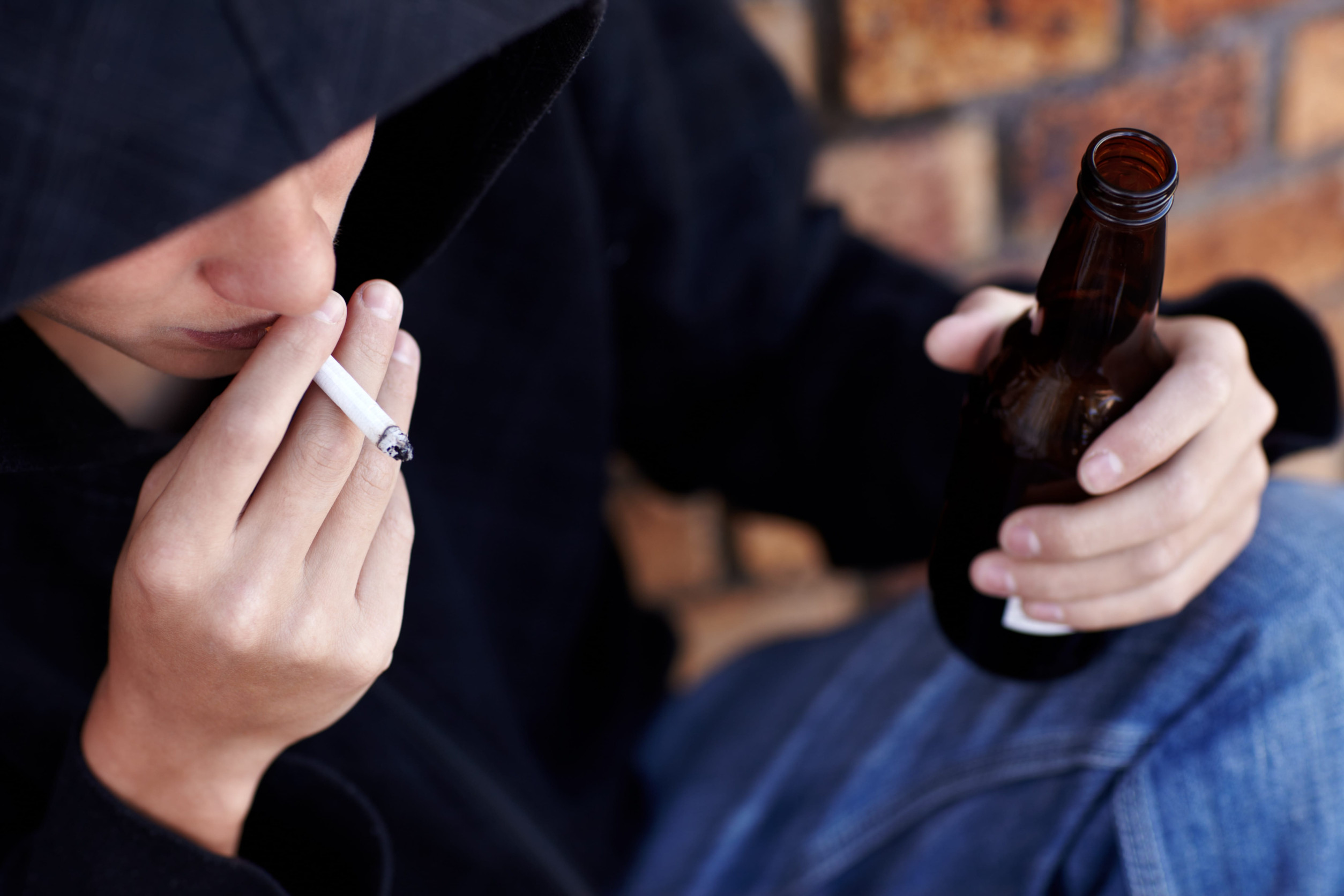
Alcohol and tobacco are especially concerning together because they can increase risk in overlapping parts of the body. Alcohol can make it easier for harmful chemicals from smoking to enter cells in the mouth and throat. That makes the combination more dangerous than many casual drinkers realize.
This matters for people who say they only smoke socially or only drink on weekends. If those 2 habits show up together often enough, the risk picture changes. The body does not separate “party habits” from long-term exposure.
The Old Heart Health Argument Is Losing Its Power
Some people will point to older claims that moderate drinking may help heart health. The new review did find that some cardiometabolic and dementia outcomes had more mixed patterns at low-to-moderate drinking levels. But the evidence for cancer was much more consistent, especially across the 10 cancers studied.
That is the key distinction. A possible mixed signal in 1 health category does not erase a clearer warning in another. If the cancer risk rises with alcohol, then Americans should not treat a drink as medicine just because old headlines once made wine sound healthy.
Warning Labels May Become the Next Fight
The U.S. Surgeon General has already called for alcohol labels to include cancer warnings. Current alcohol warnings have long focused on pregnancy, driving, and operating machinery, but cancer has not been placed in front of consumers in the same blunt way as cigarettes were labeled for decades.
That creates a public awareness problem. Surveys cited in the Surgeon General’s advisory found that fewer than 50% of Americans recognized alcohol as a cancer risk factor. In a country where nearly every adult knows cigarettes are dangerous, that knowledge gap is huge.
Younger Americans Are Already Changing the Culture

This warning lands at a time when sober curiosity, mocktails, zero-proof drinks, and alcohol-free beer are gaining space in American life. What used to feel like a strange choice at a party now feels normal to many people under 40 who are rethinking sleep, anxiety, fitness, and long-term health.
That cultural shift matters because alcohol has always survived partly through social pressure. People drank because everyone else was drinking. But if even 1 person at the table orders a nonalcoholic drink without embarrassment, the old script begins to crack.