The economy does not usually crash like a glass plate hitting the floor. It cracks first. The scary part is that many of those cracks look normal at first, such as a hiring freeze here, a smaller grocery cart there, or a credit card balance that quietly grows because paychecks cannot stretch as far as they used to.
A recession is rarely announced by one dramatic signal. It usually arrives as a cluster of warnings that begin to recur across homes, businesses, banks, and job markets. We do not need to panic every time one number looks weak, but we should pay attention when several warning lights start blinking at the same time.
Consumers Start Pulling Back
A nervous consumer is one of the loudest recession warnings in America because consumer spending keeps much of the economy moving. When families stop buying extras, delay vacations, trade down at grocery stores, cancel subscriptions, or avoid large purchases, businesses feel it quickly.
This pullback can start quietly. People may still shop, but they choose cheaper brands, wait for sales, or skip anything they feel is unnecessary. That behavior tells us confidence is fading. When millions of households do the same thing at once, the slowdown spreads from restaurants and retailers to warehouses, trucking companies, and local service businesses.
Credit Card Debt Feels Dangerous

Borrowing can help families bridge short-term gaps, but it becomes dangerous when credit cards serve as a second paycheck. High balances, rising minimum payments, and late fees can trap people before the broader economy officially turns south.
This matters because debt stress changes behavior fast. A household that spends hundreds of dollars on interest has less money for groceries, repairs, school supplies, and medical bills. Once people begin borrowing just to cover basics, the economy may still look alive on paper, but many families are already running on fumes.
Businesses Freeze Hiring
Hiring slowdowns often precede mass layoffs. Companies may stop replacing workers who leave, delay new roles, cancel expansion plans, or tell departments to “make do” with fewer people. That polite corporate language can hide a harsher truth.
When hiring cools, workers feel it before headlines catch up. Job seekers send more applications and hear less back. Interviews stretch across weeks. Entry-level workers struggle to get a foot in the door. If hiring freezes spread across industries, the economy loses one of its strongest safety valves.
Layoffs Become More Common
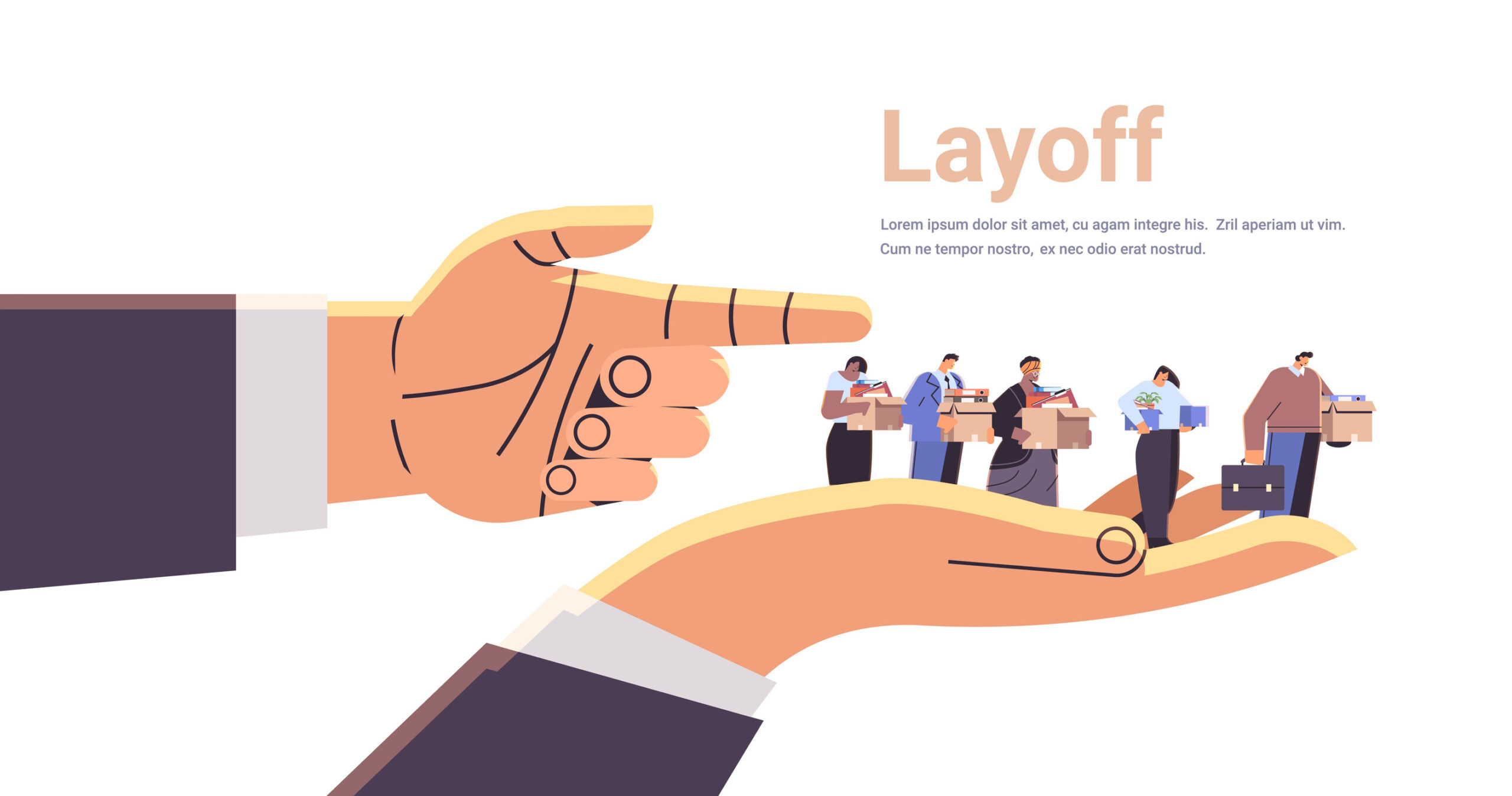
Layoffs are among the most painful signs of a recession because they hit real households first and statistics second. A few high-profile company cuts do not prove a recession is coming, but repeated layoffs across several sectors can signal that businesses are preparing for weaker demand.
The danger grows when layoffs spread beyond tech or a single troubled industry. If retail, manufacturing, finance, logistics, construction, and professional services all begin cutting at once, that creates a chain reaction. Laid-off workers spend less, businesses sell less, and more companies start looking for ways to slash costs.
Part-Time Work Rises For The Wrong Reason
Part-time work is not always a bad sign. Many people choose it for school, caregiving, retirement, or flexibility. The warning comes when more people work part-time because their hours have been cut or they cannot find full-time jobs.
That kind of underemployment can hide weakness inside a “stable” unemployment rate. Someone may technically have a job but still struggle to pay rent, save money, or cover insurance. When more workers want full-time hours and cannot get them, the labor market is weaker than it looks from the surface.
Small Businesses Start Feeling The Squeeze

Small businesses often act like an early-warning system because they feel pressure quickly. They face rising rent, higher wages, expensive supplies, tighter credit, and customers who are suddenly more careful with money. Unlike giant corporations, many small businesses do not have deep cash reserves.
Watch the small signs. Shorter hours, fewer staff, delayed inventory, thinner menus, shrinking service options, and “temporarily closed” signs can all point to stress. When local businesses start cutting back, the impact reaches neighborhoods faster than Wall Street headlines ever could.
The Yield Curve Sends A Warning
The yield curve sounds technical, but the idea is simple. It compares interest rates on short-term and long-term government debt. In normal times, investors usually demand higher returns for lending money over longer periods. When that relationship flips or behaves strangely, economists pay attention.
A yield curve warning does not guarantee a recession, but it has a long history of making people nervous. It can show that investors expect weaker growth, lower future rates, or trouble ahead. The signal is strongest when it lines up with weak hiring, falling confidence, and tighter credit.
Leading Indicators Turn Weak
Leading indicators are like the dashboard lights of the economy. They pull together signals such as new orders, building permits, consumer expectations, stock performance, credit conditions, and manufacturing activity. One weak month can be noise, but a long negative trend deserves attention.
This is where the picture can get tricky. The economy may still be growing today, even as leading indicators warn of trouble tomorrow. That gap can make people dismiss the risk too early. By the time the pain becomes obvious, the slowdown may already be working through households and businesses.
People Search For Financial Survival

Search behavior can reveal fear before official reports do. When more people look up terms related to bankruptcy, unemployment benefits, debt relief, layoffs, food assistance, and recession preparation, it may show rising anxiety under the surface.
Search trends are not perfect, but they can capture the public mood in real time. People often Google what they are afraid to say out loud. If financial survival searches rise alongside layoffs, weak hiring, and falling confidence, the warning becomes harder to ignore.
Conclusion
The goal is not to live in fear of every bad headline. The goal is to stop being surprised by patterns that were visible months earlier. A recession warning sign is not a prophecy, but several warning signs together can become a serious message.
For households, the smart move is boring but powerful. Build cash where possible, cut weak spending, avoid risky debt, protect income, and keep career options warm before panic begins. The economy may avoid a recession, but preparation is never wasted when prices are high and uncertainty is loud.