A hotel room can make people feel strangely powerful. We walk in, drop our bags, scatter our things, order takeout, use fresh towels, and leave the mess behind as the room resets itself by magic. After a long flight, a road trip with cranky kids, or a stressful work conference.
It is easy to forget that someone has to clean every sticky counter, damp towel, food wrapper, and mystery stain. That person is usually a housekeeper working under serious time pressure. They are expected to make one room look brand new before racing to the next.
Good hotel room etiquette does not mean scrubbing the bathroom before checkout. It means showing basic respect for the people who clean up after guests.
Most housekeepers are used to a normal travel mess. They expect unmade beds, used towels, full trash cans, and a few scattered belongings. What frustrates them are the careless habits that turn a routine room reset into a gross, awkward, or exhausting cleanup.
Leaving Trash Everywhere Except the Trash Can
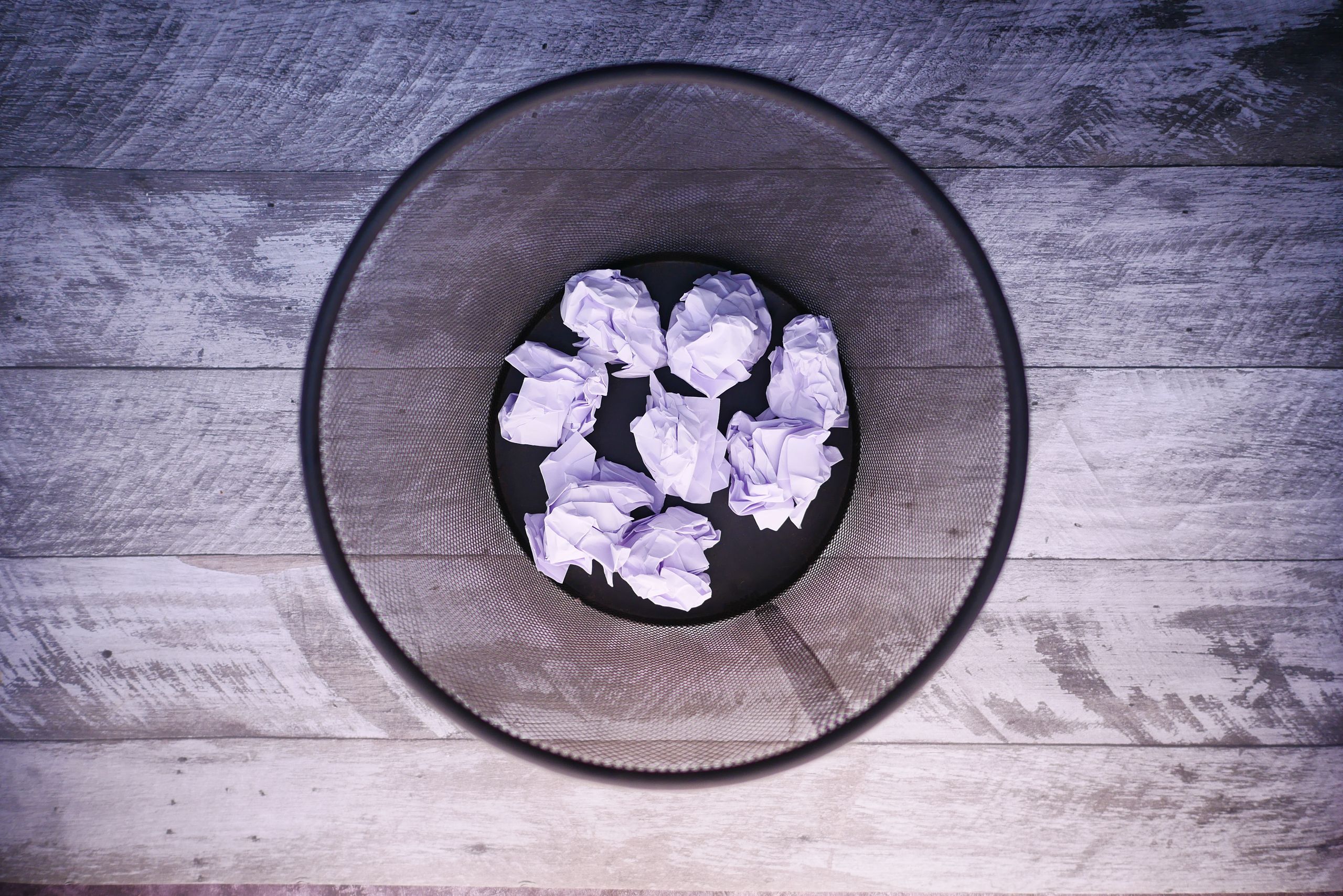
Few things annoy housekeepers faster than finding garbage scattered across the room while the trash can sits nearly empty. Food containers on the desk, tissues beside the bed, plastic cups on the floor, snack wrappers in drawers, and drink bottles under chairs all add unnecessary work.
A room may not look terrible to the guest, but every loose item forces housekeeping to bend, sort, check, and sanitize before they can move on. Good hotel room etiquette starts with using the bin. If the trash can fills up, guests can place extra garbage neatly beside it instead of leaving it across every surface.
Takeout boxes should be closed, wet trash should be bagged when possible, and anything smelly should not be hidden in drawers or under beds. A messy trip is understandable. A room treated like a dumping ground feels disrespectful.
Asking for Cleaning While Staying in the Room
Housekeepers often dislike cleaning while guests sit in the room watching them work. It can feel awkward, uncomfortable, and sometimes even unsafe. No one wants to vacuum around someone lying in bed, wipe counters while a guest takes a video call, or change sheets while being silently observed from a chair.
It slows the job down and makes simple tasks feel tense. The better move is to step out for a few minutes. Guests can have breakfast, walk to the lobby to grab coffee, or ask housekeeping to return at a better time.
If all we need is fresh towels or trash pickup, we can say that clearly. Letting staff work freely is one of the easiest ways to show respect during a hotel stay.
Misusing the Do Not Disturb Sign
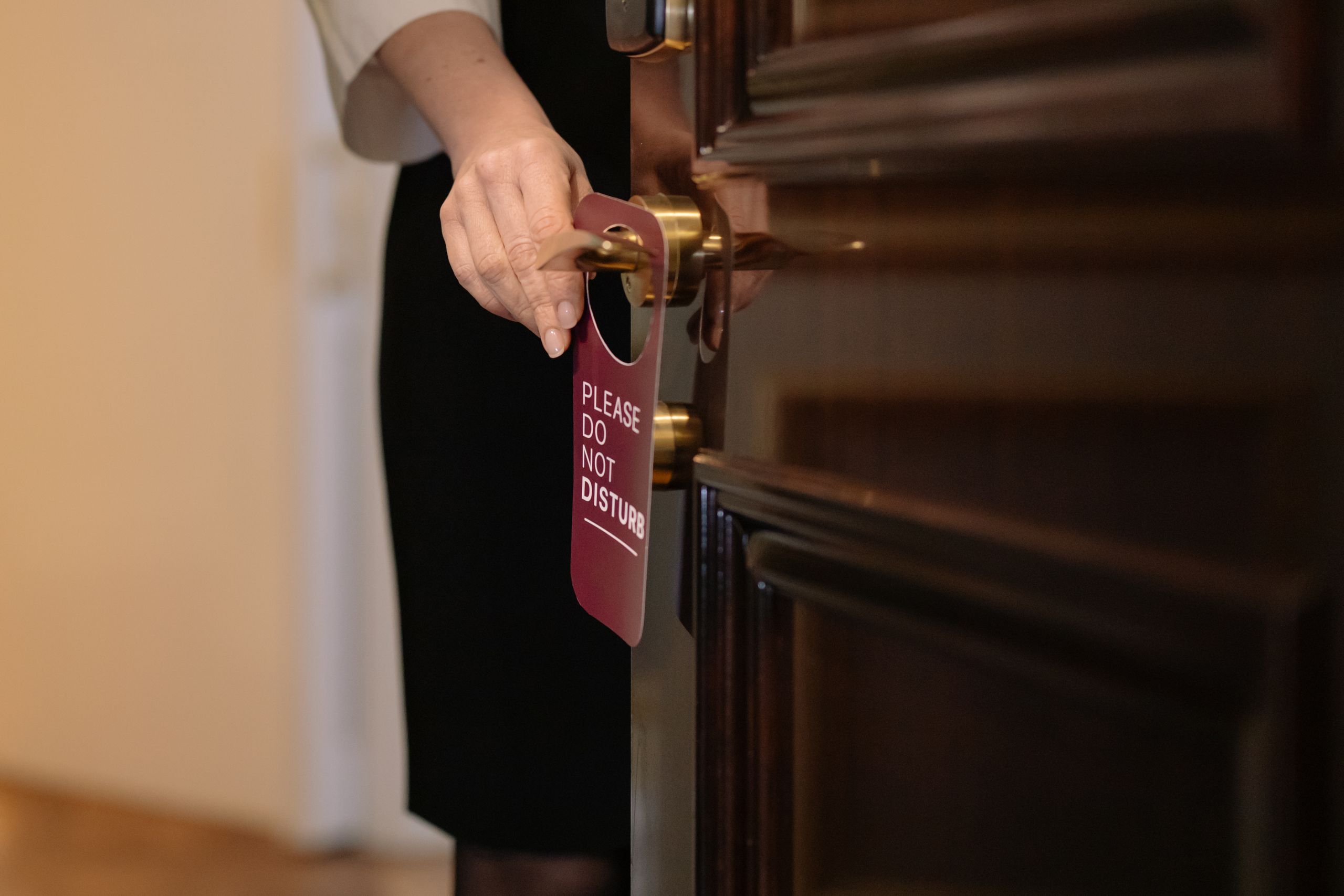
The Do Not Disturb sign is helpful, but it is not magic. When guests leave it on the door all day, housekeeping usually has to skip the room. The problem starts when those same guests get angry later because the bed was not made, the towels were not replaced, or the trash was not removed.
Staff cannot clean a room that they were clearly told not to enter. Smart hotel room etiquette means using the sign with timing in mind. If we want service, we should remove it early enough for housekeeping to do the job during normal hours.
If we want privacy, we should accept that cleaning may not happen that day. A quick call to the front desk can also clear up the schedule before frustration begins.
Leaving Bodily Fluids Without Warning Anyone
Accidents happen in hotels. People get sick, children have accidents, noses bleed, razors slip, and travel can bring all kinds of unpleasant surprises. Housekeepers understand that guests are human.
What they hate is discovering vomit, urine, blood, or other bodily fluids with no warning, especially when the mess is hidden under towels, sheets, or furniture.
The respectful thing to do is call the front desk. Guests do not need to explain every detail, but they should alert staff that a serious mess needs proper cleaning. Housekeepers may need gloves, disinfectant, special bags, or extra time.
Warning them protects their health and helps the hotel handle the room properly.
Using Towels and Sheets Like Napkins
White hotel towels and sheets are not meant to clean up pizza grease, makeup, muddy shoes, spilled drinks, or hair dye. Still, many guests treat them like disposable rags. BBQ sauce, foundation, mascara, self-tanner, and greasy fingerprints can leave stains that are difficult or impossible to remove.
That creates more laundry work and can even ruin hotel linens. Guests can avoid this by using napkins, tissues, paper towels, or personal wipes for messy jobs. Makeup should come off with makeup remover, not a bath towel. Shoes should be cleaned with a disposable cloth or in a disposable bag.
If something gets stained by accident, setting the towel aside is better than hiding it in a pile and pretending nothing happened.
Dyeing Hair in the Bathroom

Dyeing hair in a hotel bathroom may seem harmless, but it can create a nightmare for housekeeping. Hair dye can stain sinks, tubs, grout, towels, counters, shower curtains, and even walls. Bright colors and dark dyes can cling to surfaces long after a guest checks out.
What looked like a quick grooming task can become a permanent mark. A hotel bathroom is not a salon. If guests must color their hair while traveling, they should protect every surface and use their own dark towel. Even then, the risk is high.
It is better to handle hair dye before the trip or visit a local salon. Housekeepers should not have to scrub permanent stains because a guest treated the bathroom like a beauty station.
Leaving Dirty Bathwater in the Tub
A tub full of cold, dirty bathwater is one of those messes that feels especially gross for housekeepers. Someone has to reach into the water, pull the drain stopper, wait for it to empty, and then clean whatever residue is left behind.
If the water contains hair, bath oils, dirt, soap scum, or body products, the job becomes even more unpleasant. Guests should always drain the tub before leaving the room. If the stopper is stuck, the front desk should know right away.
Leaving standing water can cause odors, slow cleaning, and make the bathroom harder to sanitize. Draining the tub takes seconds, but it saves someone else from a nasty surprise.
Shaving Hair All Over the Sink and Floor
Shaving is normal in a hotel bathroom. Leaving tiny hairs everywhere is the problem. Beard trimmings can stick to sinks, faucets, counters, towels, and drains. Body hair on the bathroom floor or shower wall can be even harder to clean because it clings to wet surfaces.
Housekeepers often have to wipe the same area several times to make it look truly clean. A little cleanup goes a long way. Guests can rinse the sink after shaving, wipe the counter with a tissue, and collect larger clumps of hair before checkout.
Housekeeping will still disinfect the bathroom, but they should not have to chase hair from every corner. This is one of the smallest habits that can make a room feel far less disgusting to clean.
Letting Kids Destroy the Room
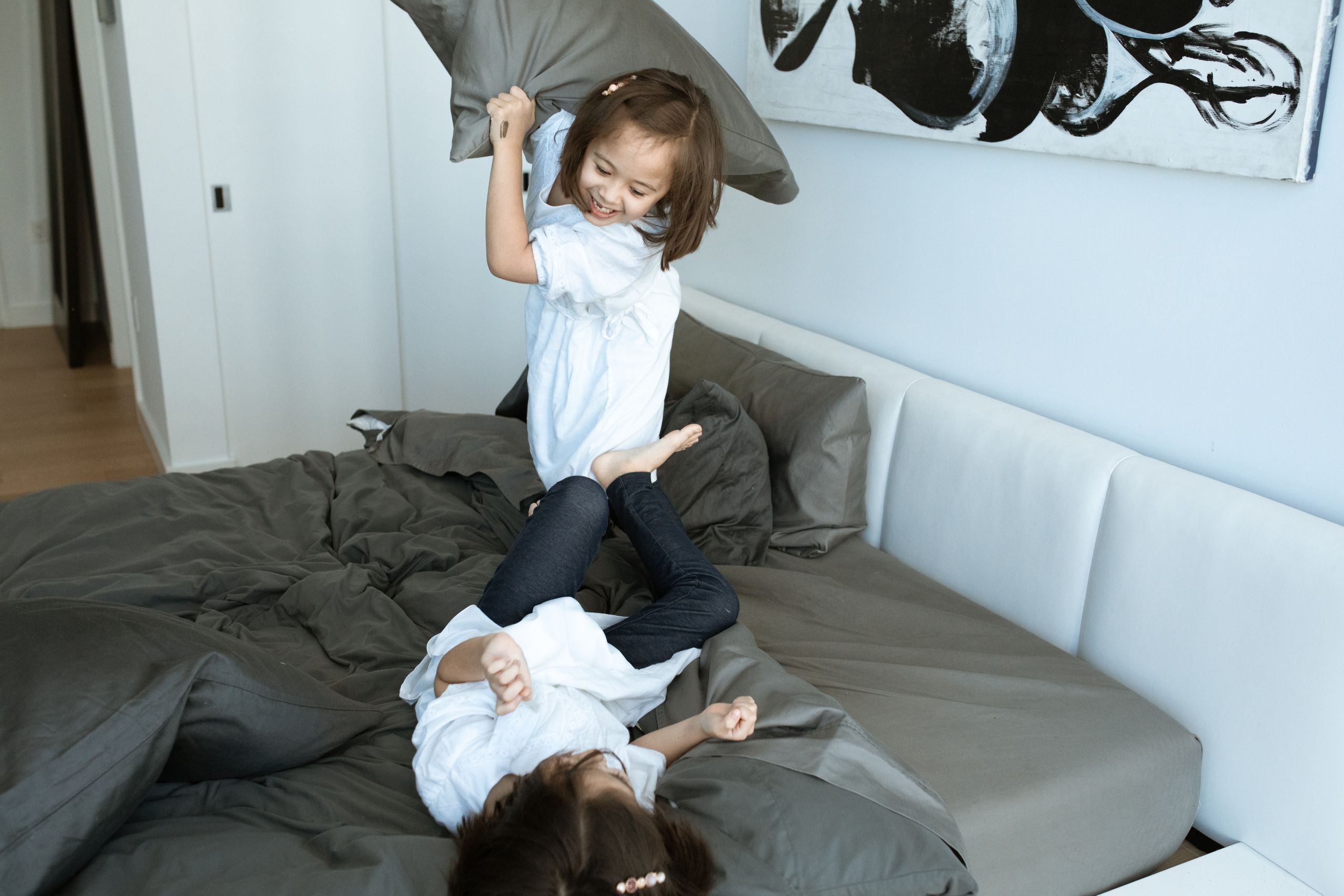
Family travel can be messy, and housekeepers know that children do not move through hotel rooms like tiny, neat adults. Toys spread, snacks spill, juice drips, and beds become forts.
The bigger issue is when parents allow cake, cereal, crayons, stickers, and crushed food to take over the room, then leave without making any effort to contain the damage.
Parents do not need to deep clean before checkout. They can simply gather toys, throw away food, place wet towels together, and report major spills. If a birthday party or family celebration leaves a huge mess, a housekeeping tip becomes especially thoughtful.
Kids learn how to treat shared spaces by watching adults, and hotel rooms are shared spaces, too.
Skipping a Tip After Leaving a Huge Mess
Tipping housekeeping is not always mandatory, and customs vary by hotel and country. Still, in many American hotels, leaving a small cash tip is a kind gesture, especially after a long or messy stay.
When guests leave behind heavy trash, stained towels, food waste, extra clutter, and bathroom messes without any acknowledgment, it can feel especially unfair to the person cleaning the room.
A simple note marked “housekeeping” can help ensure the tip reaches the right worker. The amount depends on the stay, the service, and the mess left behind. A tip does not excuse rude behavior, but it does show appreciation for real labor.
The best approach is to leave the room reasonably manageable and recognize the person who helped make the stay comfortable.
Conclusion
Hotel rooms are temporary, but the work behind them is very real. Housekeepers clean up after rushed travelers, tired families, business guests, vacationers, and people who sometimes forget that comfort comes from someone else’s labor. They do not expect perfection. They expect basic decency.
Good hotel room etiquette is simple. Use the trash can, drain the tub, keep personal messes contained, step out when housekeeping arrives, report accidents, and avoid treating towels like cleaning rags. These small choices make travel smoother for everyone and help keep one more person’s workday from becoming harder than it needs to be.