That bagged Caesar kit in your fridge just got a new rulebook.
On August 11, 2026, the FDA finalized updated guidance for companies that cut, slice and package ready-to-eat produce.
The guidance follows years of review and comes as the agency continues tightening oversight of fresh-cut foods, which are covered by federal traceability requirements because they can pose food-safety risks when contaminated.
The guidance arrives mid-outbreak
The FDA finalized Guidance for Industry: Guide to Minimize Biological Hazards in Ready-to-Eat Fresh-Cut Produce in the same week federal health officials were still tracking a multistate Cyclospora outbreak tied to iceberg lettuce recalled from Taylor Farms de Mexico.
The Centers for Disease Control and Prevention has recorded more than 10,000 domestically acquired Cyclospora cases since May, with roughly 6,358 confirmed within a 15-state cluster that has hit Michigan hardest.
A separate Salmonella Javiana outbreak, linked to jalapenos distributed by Coast Citrus Distributors, has run alongside it.
Chopping counts as processing now
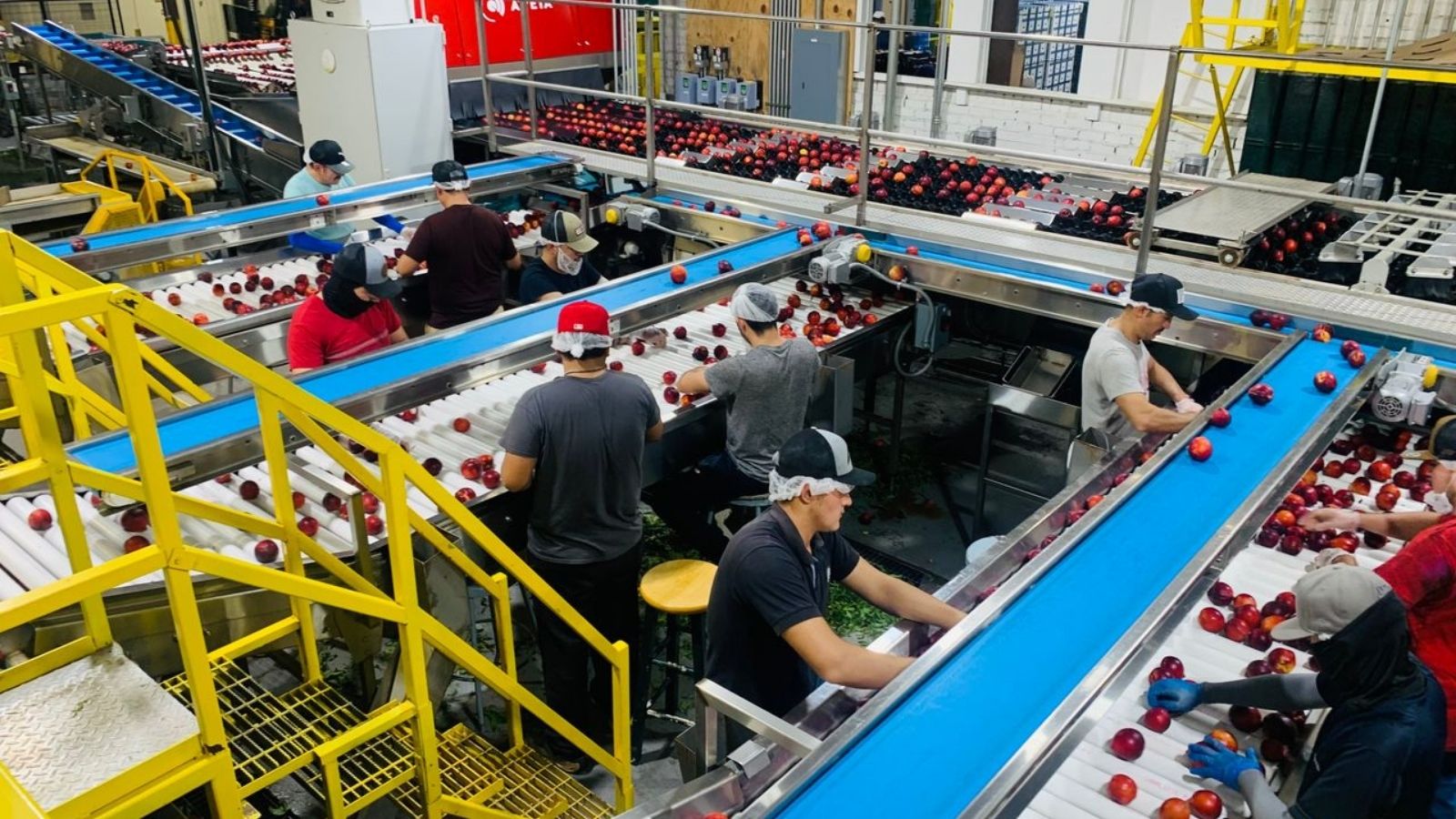
The guidance defines fresh-cut produce as any fruit or vegetable physically altered from its whole state through chopping, dicing, peeling, ricing, shredding, slicing, spiralizing, or tearing, with no further step like blanching, freezing, cooking, or canning applied afterward.
Bagged salad mixes, sliced cantaloupe, diced onions, shredded carrots, coleslaw blends, and fruit salads all fall inside that definition, according to the FDA document itself.
Whole produce loses its natural armor once cut
Whole fruit carries a peel or rind that acts as a barrier against bacteria. Slicing it open removes that barrier and exposes flesh that can support pathogen growth, especially when moisture and nutrients sit at room temperature or above.
Industry publication Food Safety Magazine notes the guidance targets ready-to-eat items with water activity above 0.85, a threshold that excludes low-moisture products such as almonds, walnuts, pistachios, and peanuts from the new recommendations entirely.
There is no cooking step left to kill germs
Fresh-cut produce reaches the consumer raw, which means there is no subsequent kill step such as baking or boiling to eliminate contamination introduced during growing, harvest, transport, processing, or retail handling.
The FDA has said contamination risk can compound at each of those stages rather than at just one point in the supply chain, which is part of why the agency singled out fresh-cut items for a standalone update instead of folding them into general produce guidance.
The recommendations lean on prevention
The guidance points processors toward stricter supplier verification, antimicrobial washing of incoming produce, sanitary facility design, consistent refrigeration and time-temperature control, and stronger employee hygiene training.
Reuters reported the FDA is asking companies to treat pathogens including salmonella, cyclospora, E. coli, and listeria as hazards requiring a documented preventive plan rather than a reactive one triggered after an outbreak is already underway.
None of it is legally required
Despite the specificity, the guidance carries no enforcement weight.
The FDA states plainly that its guidance documents do not establish legally enforceable responsibilities, and that the word should throughout the text signals a recommendation rather than a mandate.
Companies can read it, adopt pieces of it, or set it aside, and the agency has no direct mechanism under this document alone to penalize a processor for skipping a step.
It replaces guidance that predates the iPhone era
The finalized text updates a fresh-cut produce guidance the FDA first issued in 2008, incorporating public comments on a draft the agency circulated in October 2018.
It operates under the Current Good Manufacturing Practice and Hazard Analysis framework set out in 21 CFR part 117, part of the broader Food Safety Modernization Act structure, and it applies to processors and manufacturers rather than to farms themselves.
What it means for your produce drawer
None of this changes what is legally required at a processing plant tomorrow morning, but it does signal where FDA attention is concentrated while an active outbreak investigation continues.
Health reporters have described the cyclosporiasis cluster alone as among the largest foodborne illness events in recent United States history, and it has already dented sales at restaurants and supermarkets carrying fresh-cut items.
The FDA and CDC continue to post updates on the Cyclospora investigation directly, including brand and lot information tied to the Taylor Farms de Mexico recall, as the case count keeps climbing.