Every year, a new diet promises to change the way people eat. One tells you to avoid carbs, another says to skip breakfast, and a third insists certain foods should never touch your plate. With so many competing rules, eating healthy can start to feel more complicated than it needs to be.
But a healthy diet doesn’t have to mean counting every calorie or giving up everything you love. Some of the most respected eating plans focus on ordinary foods, balanced meals, and habits you can maintain for years.
According to the American Heart Association, eating patterns that emphasize vegetables, fruits, whole grains, legumes, and healthy fats generally align best with recommendations for heart health.
Here are some of the best diets worth considering for a healthier life.
Mediterranean Diet: A Balanced Approach to Everyday Eating
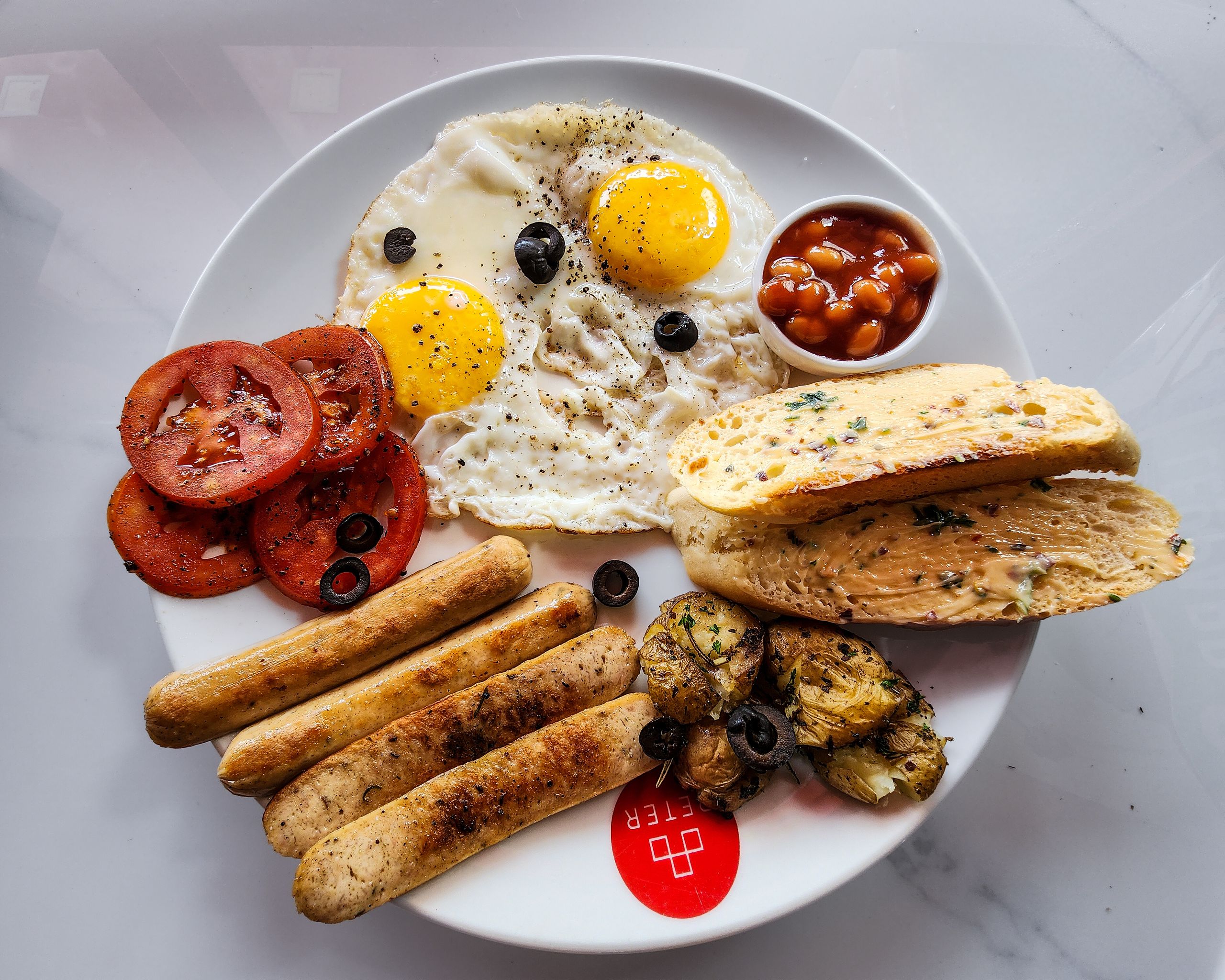
The Mediterranean diet has earned a reputation as one of the healthiest ways to eat, and its appeal is easy to understand. You don’t need to eliminate entire food groups or follow a complicated meal schedule.
Instead, meals revolve around vegetables, fruits, whole grains, beans, nuts, olive oil, and fish. Poultry, eggs, and dairy can also fit into the plan, while red meat and heavily processed foods generally take a smaller role.
One major advantage is flexibility. You can enjoy whole-grain pasta with vegetables, grilled fish with roasted potatoes, or a colorful salad with beans and olive oil.
The American Heart Association supports Mediterranean-style eating because it can help reduce cardiovascular risk factors, including high cholesterol and elevated blood pressure.
DASH Diet: A Smart Choice for Heart Health
The DASH diet stands for Dietary Approaches to Stop Hypertension. Although it was developed to help manage high blood pressure, its emphasis on balanced nutrition makes it a reasonable choice for many adults.
DASH encourages fruits, vegetables, whole grains, beans, nuts, lean protein, and low-fat dairy products. It also recommends limiting sodium, sugary drinks, and foods rich in saturated fats.
The best part? You don’t need expensive ingredients or special diet products. A meal of grilled chicken, brown rice, steamed vegetables, and fresh fruit can fit comfortably within this eating plan.
National Institutes of Health research shows that DASH can lower blood pressure, especially when combined with reduced sodium intake.
Flexitarian Diet: Eating More Plants Without Giving Up Meat
Some people love the idea of eating more vegetables but aren’t ready to say goodbye to burgers, chicken, or seafood. That’s where the flexitarian diet comes in.
The name combines “flexible” and “vegetarian,” which describes its approach perfectly. Most meals emphasize plant foods, but meat and fish can still appear occasionally.
You might eat oatmeal with berries for breakfast, lentil soup for lunch, and chicken with vegetables for dinner. The following day, you could replace chicken with beans or tofu.
This approach can make dietary changes feel less restrictive. It also allows people to experiment with plant-based recipes without committing to vegetarianism.
However, simply eating less meat isn’t enough. A balanced flexitarian diet still depends on choosing nutritious foods instead of relying heavily on refined snacks or highly processed meat substitutes.
MIND Diet: Eating With Brain Health in Mind
The MIND diet draws on the Mediterranean and DASH eating patterns and places special emphasis on foods linked to brain health.
Its name stands for Mediterranean-DASH Intervention for Neurodegenerative Delay.
This approach emphasizes leafy green vegetables, berries, whole grains, nuts, beans, olive oil, and fish. It also encourages limiting foods such as butter, pastries, fried foods, and processed meats.
A typical day might include oatmeal topped with berries, a leafy green salad with beans, and baked fish served with whole grains.
Researchers are studying whether this dietary pattern can help protect cognitive function as people age. Some observational findings have been encouraging, although stronger evidence is still needed to establish how much it can prevent dementia.
For people looking to improve overall food quality while keeping brain health in mind, it offers a practical framework.
However, a three-year clinical trial published in the New England Journal of Medicine found that the MIND diet did not significantly outperform a comparison diet for cognitive outcomes. That means its brain-specific benefits remain uncertain, even though it encourages many nutritious foods.
Vegetarian Diet: A Plant-Focused Way to Eat
A vegetarian diet excludes meat and fish but may include eggs and dairy, depending on personal preference.
Meals often feature beans, lentils, vegetables, whole grains, nuts, seeds, and fruit. These ingredients are surprisingly versatile, letting you make everything from hearty vegetable curries to homemade bean burgers.
One attraction is that vegetarian eating can be adapted to different cuisines and budgets. You don’t need specialty products when affordable staples such as beans, rice, oats, and seasonal vegetables are available.
The American Heart Association identifies well-planned vegetarian diets among the eating patterns that closely align with its heart-health recommendations.
The important words are well-planned. A vegetarian diet needs adequate sources of protein, iron, vitamin B12, and other essential nutrients. Simply replacing meat with fries, pastries, and sugary snacks won’t provide the same nutritional advantages.
Pescatarian Diet: Plant-Based Eating With Seafood
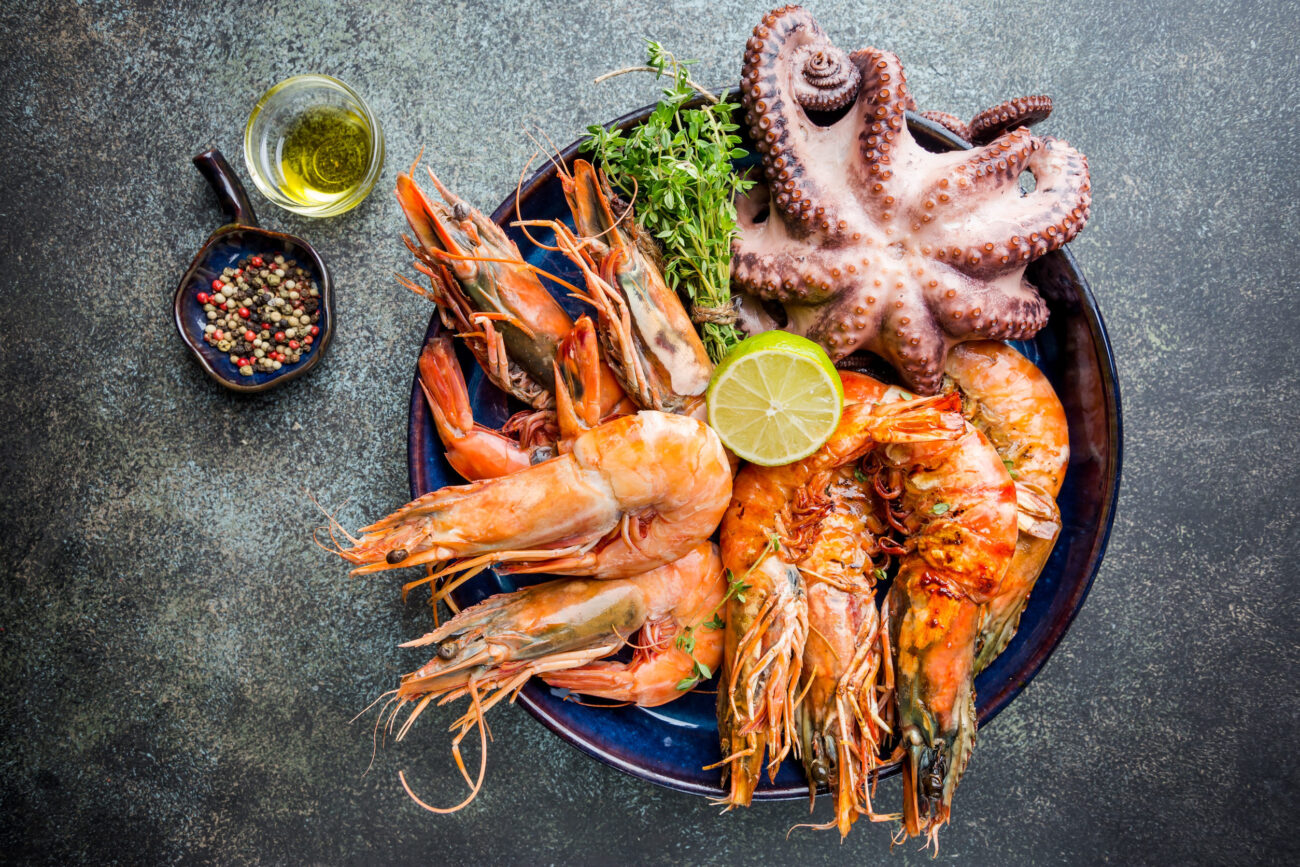
If you enjoy fish but want to reduce your intake of other meats, the pescatarian diet offers a practical middle ground.
This eating style is largely vegetarian but includes fish and other seafood. Vegetables, fruit, beans, whole grains, nuts, and seeds remain central to meals.
Examples of meals that fit the plan include salmon with roasted vegetables, tuna and white bean salad, or grilled fish served with brown rice.
Fish provides protein, and certain varieties, such as salmon and sardines, contain omega-3 fatty acids. These nutrients can contribute to a heart-healthy eating pattern.
Pescatarian eating also ranks highly in the American Heart Association’s assessment of dietary patterns, provided meals emphasize nutritious ingredients rather than heavily fried or processed foods.
Vegan Diet: A Fully Plant-Based Lifestyle
The vegan diet goes further by excluding all animal-derived foods, including meat, fish, eggs, and dairy.
That might sound restrictive at first, but plenty of options exist. Chickpea curries, tofu stir-fries, lentil stews, vegetable soups, and oatmeal with nuts can all form part of a vegan meal plan.
A well-designed vegan diet can provide a variety of nutrients from vegetables, fruits, grains, legumes, nuts, and seeds.
However, it requires more attention to certain nutrients. Vitamin B12 is especially important because reliable vegan sources generally come from fortified foods or supplements. Iron, calcium, iodine, and vitamin D also deserve consideration.
The American Heart Association recognizes that vegan eating can support cardiovascular health, though its nutritional restrictions may make it harder to follow than less restrictive plant-based diets.
Which Diet Is Best for You?
No single diet works for everyone. Your health goals, food preferences, budget, cultural traditions, and daily schedule all matter.
Someone managing high blood pressure might benefit from the DASH diet. Someone who wants fewer food restrictions might prefer the Mediterranean or flexitarian approach. People avoiding animal products may find vegetarian or vegan eating more suitable.
What these diets have in common is more important than their differences. They encourage whole or minimally processed foods, plenty of plant ingredients, and balanced meals rather than extreme restrictions.
If you have diabetes, kidney disease, a history of disordered eating, or another condition requiring specific nutrition guidance, speak with a qualified healthcare professional before making major dietary changes.
Ultimately, the healthiest eating plan isn’t necessarily the one with the most rules. It’s the one that provides adequate nutrition, suits your lifestyle, and helps you build habits you can comfortably maintain for years.