Avocados have a frustrating habit of going from perfectly ripe to disappointingly mushy before you get the chance to enjoy them. One day, they’re firm and green. A few days later, you cut one open and wonder whether it belongs on your toast or in the trash.
The tricky part is that an avocado doesn’t always look spoiled from the outside. Sometimes, dark skin or a few brown spots are completely normal. Other times, changes in texture, smell, and appearance tell you the fruit is past its prime.
Before you toss your next avocado, check these five signs.
The Avocado Feels Extremely Soft or Mushy
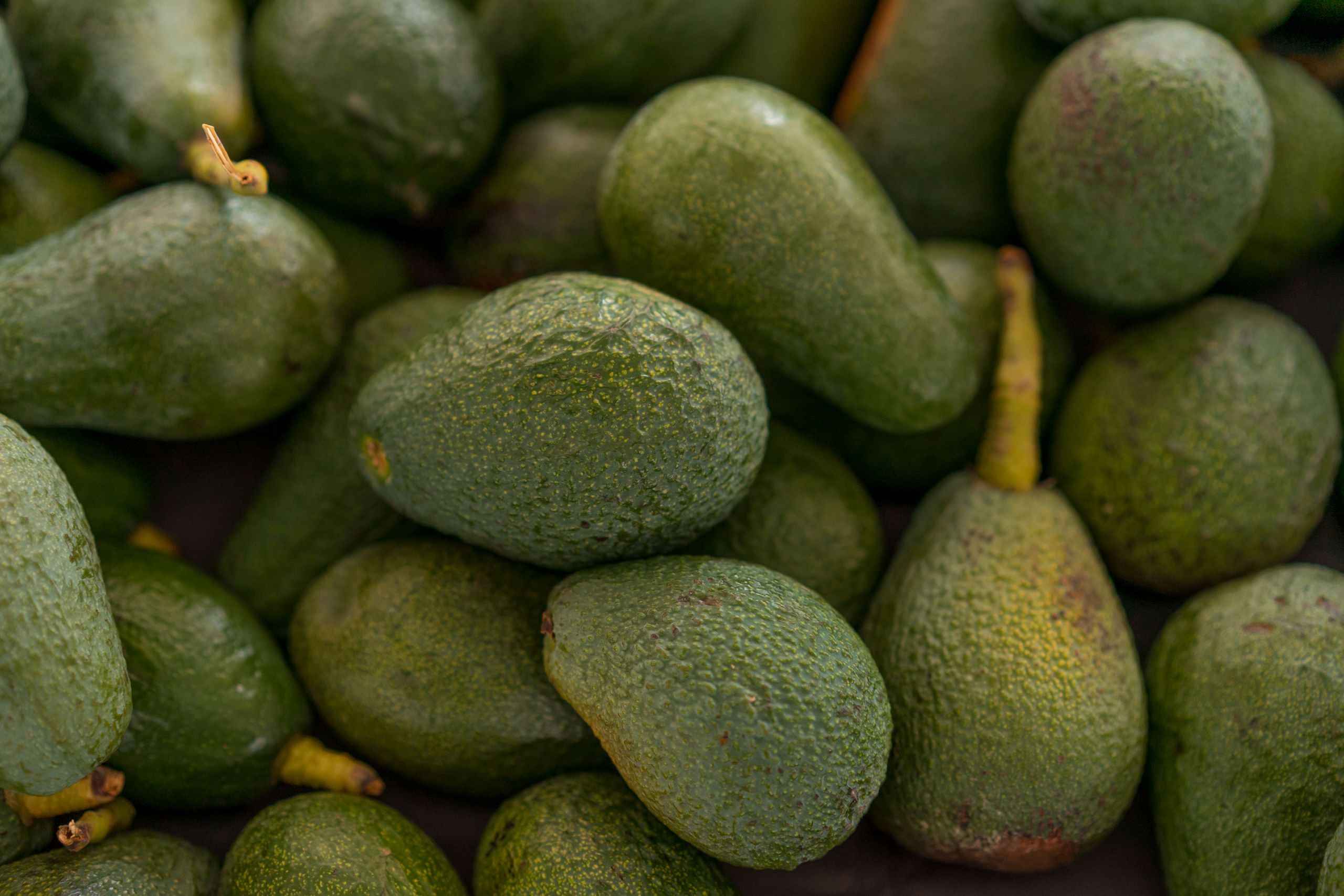
A perfectly ripe avocado should give slightly when you gently squeeze it in your palm. It shouldn’t feel rock-hard, but it also shouldn’t collapse under light pressure.
If your avocado feels unusually soft, has deep dents, or seems almost hollow beneath its skin, it may be overripe or beginning to spoil.
You might also notice that the flesh feels watery or falls apart when you cut it open. That’s a different experience from the smooth, creamy texture you expect from a good avocado.
However, softness alone doesn’t always mean the fruit is unsafe. Check for other warning signs, especially an unpleasant smell or widespread discoloration, before deciding whether to discard it.
The Flesh Has Turned Dark Brown or Black
Few kitchen disappointments compare to slicing into an avocado and finding the beautiful green interior gone.
A small brown patch isn’t necessarily a problem. Avocados naturally turn brown when their flesh touches oxygen, much like sliced apples.
According to food science experts cited, this process, known as enzymatic browning, doesn’t automatically mean the fruit has spoiled.
The bigger concern is when most of the flesh turns dark brown, gray, or black, especially if it becomes watery or slimy.
If only a small section is brown and the remaining flesh looks and smells normal, you can usually remove the affected portion. But if the entire inside looks badly deteriorated, it’s better to throw it away.
It Has an Unpleasant or Sour Smell
Your nose can tell you plenty about an avocado’s condition.
A fresh avocado generally has a mild, slightly nutty or earthy smell. Sometimes, you’ll barely notice any scent.
A spoiled avocado, however, may smell sour, fermented, rancid, or unusually chemical-like.
These odors can indicate that the fruit has begun to deteriorate. Even if the flesh looks reasonably normal, an unpleasant smell is a good reason to avoid eating it.
And there’s no need to taste something that already smells suspicious. Your avocado toast can survive without that experiment.
You Notice Mold Growing on the Fruit
Mold is one of the clearest warning signs that an avocado should go straight into the trash.
It may appear as fuzzy white, gray, or greenish patches around the stem, on damaged skin, or inside the fruit.
Unlike minor browning, you shouldn’t ignore mold. Because avocados contain soft, moist flesh, mold can spread beneath the visible surface.
Trying to rescue the fruit by cutting away the moldy section isn’t a reliable solution. If you spot mold, discard the entire avocado to avoid it spreading.
Also check avocados before storing them together. Removing a visibly moldy fruit helps prevent it from affecting the others.
The Skin Looks Damaged, and the Flesh Is Breaking Down
Avocado skin comes in different shades depending on the variety. For example, Hass avocados often change from green to dark purple or nearly black as they ripen.
That means dark skin alone isn’t proof that an avocado has gone bad.
Pay more attention to skin that looks badly sunken, damaged, or collapsed, especially if the fruit feels unusually soft underneath.
Once you cut it open, look for additional problems, such as slimy flesh, large deteriorated patches, or liquid collecting inside.
These changes suggest the avocado is past its prime. If the skin is damaged and it has an unpleasant odor or visibly spoiled flesh, discard it.
How to Keep Avocados Fresh for Longer
Knowing when an avocado has spoiled is useful, but preventing unnecessary waste is even better.
If your avocados are still firm and unripe, leave them at room temperature until they begin to soften. Once ripe, move them into the refrigerator to slow further ripening.
For leftover avocado halves, cover the exposed flesh tightly and refrigerate promptly. A little lemon or lime juice can slow browning, though it won’t stop spoilage indefinitely.
You can also store cut avocado in an airtight container to reduce exposure to oxygen.
Remember that brown doesn’t always mean bad. A slightly discolored avocado may still be perfectly usable, while one with mold, a sour smell, or a slimy interior belongs in the trash.
Next time you’re standing in the kitchen with a questionable avocado, check its smell, texture, and appearance together. A few seconds of inspection could save you from wasting a perfectly good fruit or eating one that’s past its best.