A Boomer walks into a restaurant expecting a menu, a booth, a refill, and a server who checks in before the coffee gets cold. Instead, there is a QR code taped to the table, music loud enough to shake the salt shaker, a burger that costs too much without fries, and a glowing tip screen asking for 25% before anyone has carried a plate.
That is when dinner stops feeling like dinner. It starts feeling like a tech support call with appetizers. Modern restaurants may look sleeker, trendier, and more Instagram-ready than ever, but many Boomers miss the days when eating out meant comfort, service, conversation, and food that did not require a password, an app, or reading glasses.
QR Code Menus That Make Ordering Feel Like Work
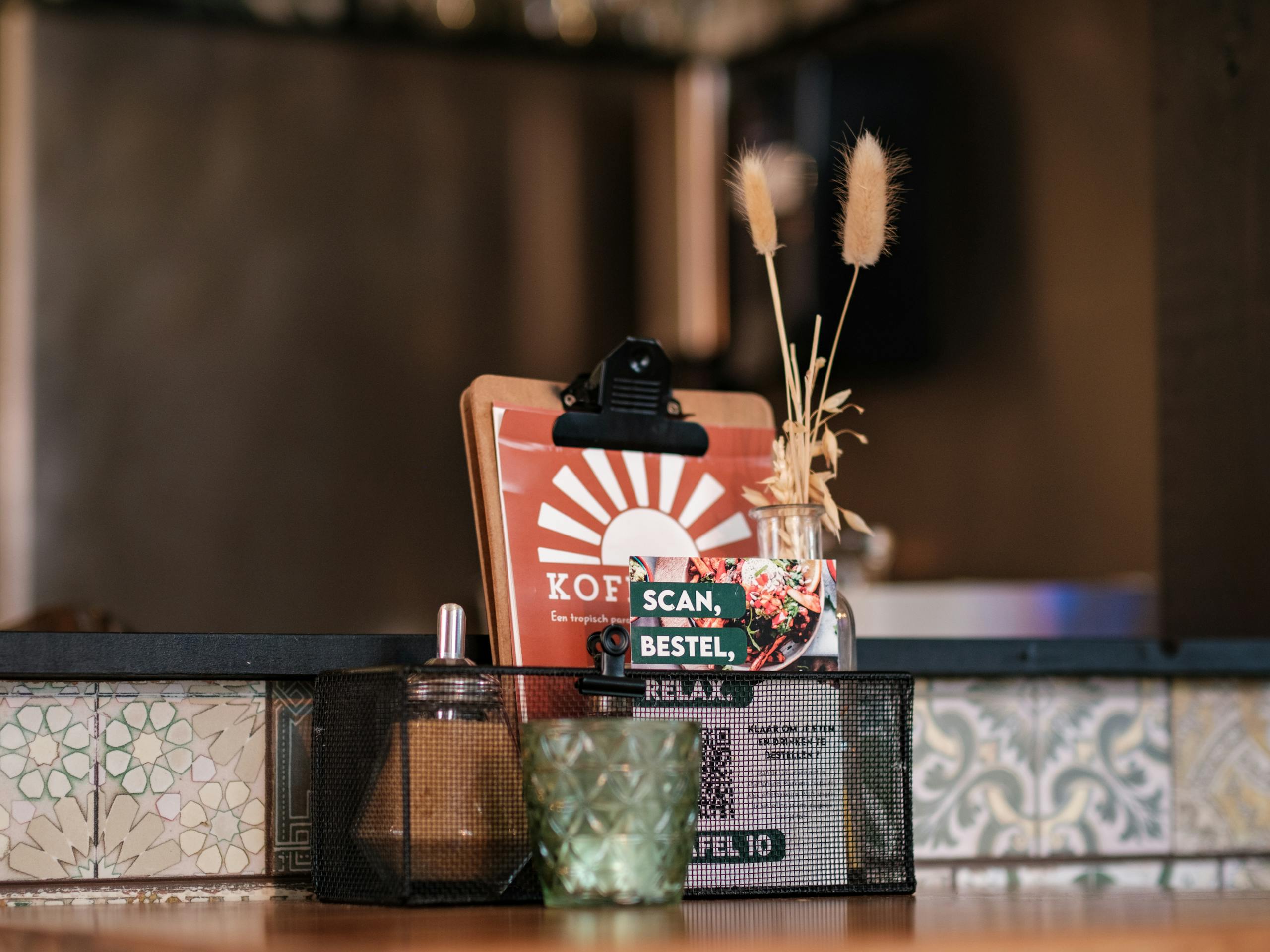
Nothing annoys many Boomers faster than being told to scan a code before they can even see what is for dinner. They came to eat, not to adjust their phone brightness, hunt for the camera app, zoom into tiny print, and scroll through five tabs just to find a club sandwich. A paper menu feels simple. A QR code feels like homework.
The frustration is not always about refusing technology. It is about being forced to use it for something that used to be easy. Older diners have reported frustration with QR code menus, especially when small fonts, glare, or awkward placement make ordering harder than it should be.
Boomers want to sit down, open a menu, ask a question, and order food without feeling like the restaurant has outsourced the first part of service to their phone.
Loud Dining Rooms Where Nobody Can Hear Anything
Boomers remember when eating out meant talking across the table, not shouting like they were at a football tailgate. Some modern restaurants have concrete floors, open ceilings, crowded bar areas, loud music, clattering dishes, and servers yelling specials over a playlist nobody asked for. A simple dinner can quickly feel like sitting inside a blender.
Younger diners may call it atmosphere. Boomers often call it exhausting. Background noise can make restaurant conversation harder, especially for older adults and people with hearing challenges, which is why restaurant noise levels matter more than some trendy dining rooms admit. A restaurant can feel lively without sounding like a nightclub that accidentally started selling salmon.
Tiny Portions With Fancy Descriptions
Boomers grew up believing a restaurant meal should look like a meal. If the plate arrives with three drops of sauce, two microgreens, and a piece of fish the size of a deck of cards, someone at the table is going to ask where the rest of it went. The menu may call it elevated. Boomers may call it dinner with a missing person report.
The real issue is value. Many Boomers do not mind paying for good food, but they hate feeling played. If an entrée costs real money, it should not leave them wondering what they will eat when they get home. Creative plating is fine, but not when the plate has more empty space than a mall parking lot on a Tuesday morning.
Tip Screens That Make Everything Awkward
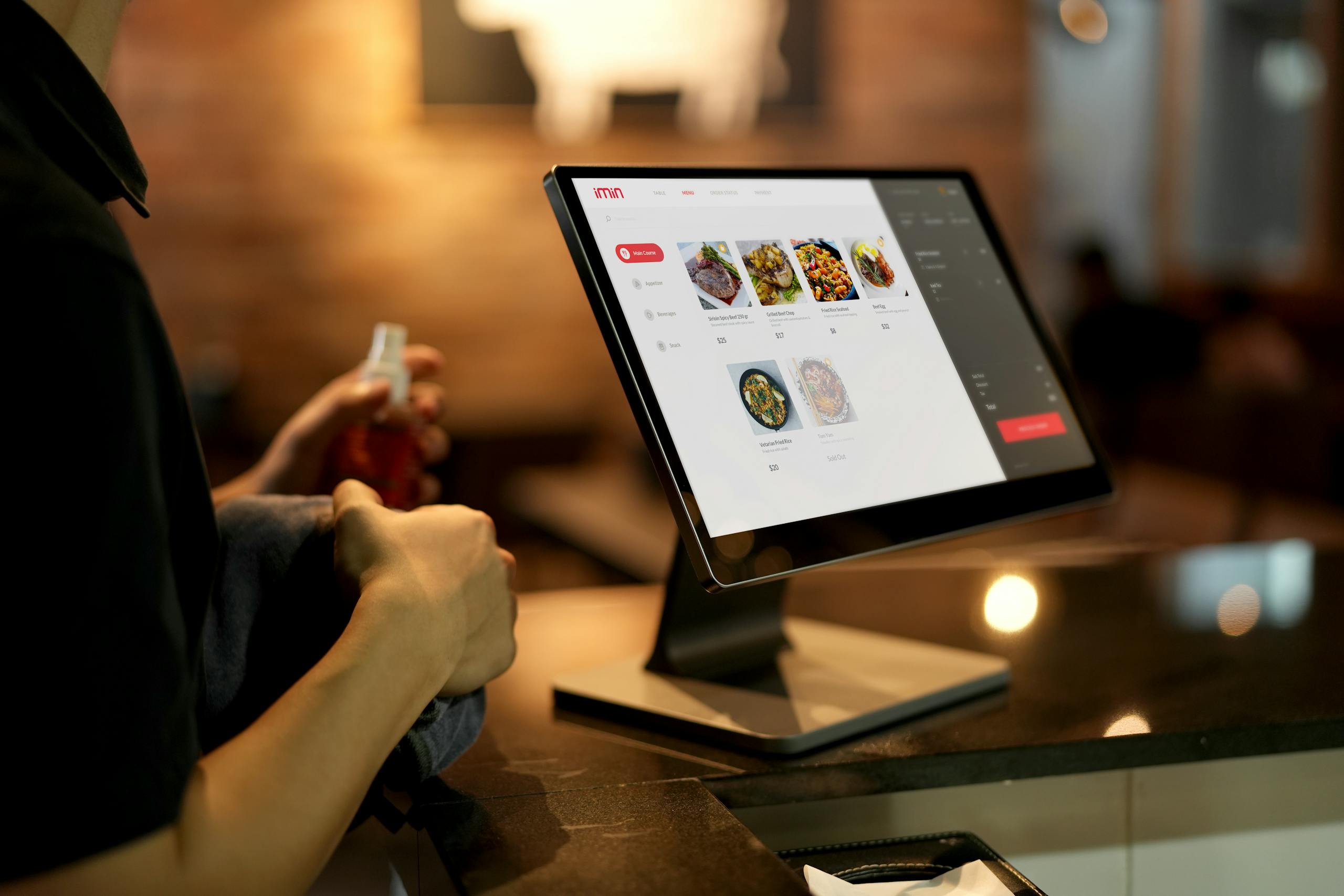
The modern tip screen has turned simple transactions into moral pop quizzes. A Boomer orders a coffee, a sandwich, or takeout at the counter, and suddenly the screen flips around with tip options that feel less like gratitude and more like public pressure.
The cashier is standing there. The line is waiting. The machine is glowing. Now everyone knows whether you tapped 15%, 20%, 25%, or the tiny custom button that feels like it needs legal courage.
Boomers are not against tipping. Many grew up respecting servers and tipping well for real service. What frustrates them is the pressure to tip before service even begins, especially as surveys show many consumers feel worn out by digital tip fatigue. They miss the quiet dignity of leaving cash on the table without a touchscreen judging their soul.
Servers Who Vanish After Taking the Order
Boomers do not expect royal treatment, but they do expect service. They want someone to check whether the meal came out right, refill the coffee, bring extra napkins, and notice when the water glass has been empty since the appetizer. In some modern restaurants, the server takes the order, disappears into the wilderness, and returns only when it is time to drop the check.
That drives Boomers crazy because service is part of the reason people eat out. If they wanted to chase someone for ketchup, they could have stayed home and argued with the refrigerator door. Good food matters, but good service can save an average meal. Bad service can ruin even an expensive one.
Menus That Sound Like Culinary Word Puzzles
Boomers are not always impressed when the menu reads like it was written by someone trying to win a food poetry contest. They came for chicken, not “air-chilled heritage poultry with fermented chili lacquer.” They came for potatoes, not “crispy root vegetable medallions.” They came for sauce, not “seasonal emulsion.”
This does not mean Boomers hate creativity. Many enjoy trying something new. They just want to know what they are ordering without needing a glossary, a waiter’s translation, and a culinary arts degree. Sometimes “grilled salmon with lemon butter” is not boring. Sometimes it is exactly what everyone wanted.
Cashless Restaurants That Refuse Real Money
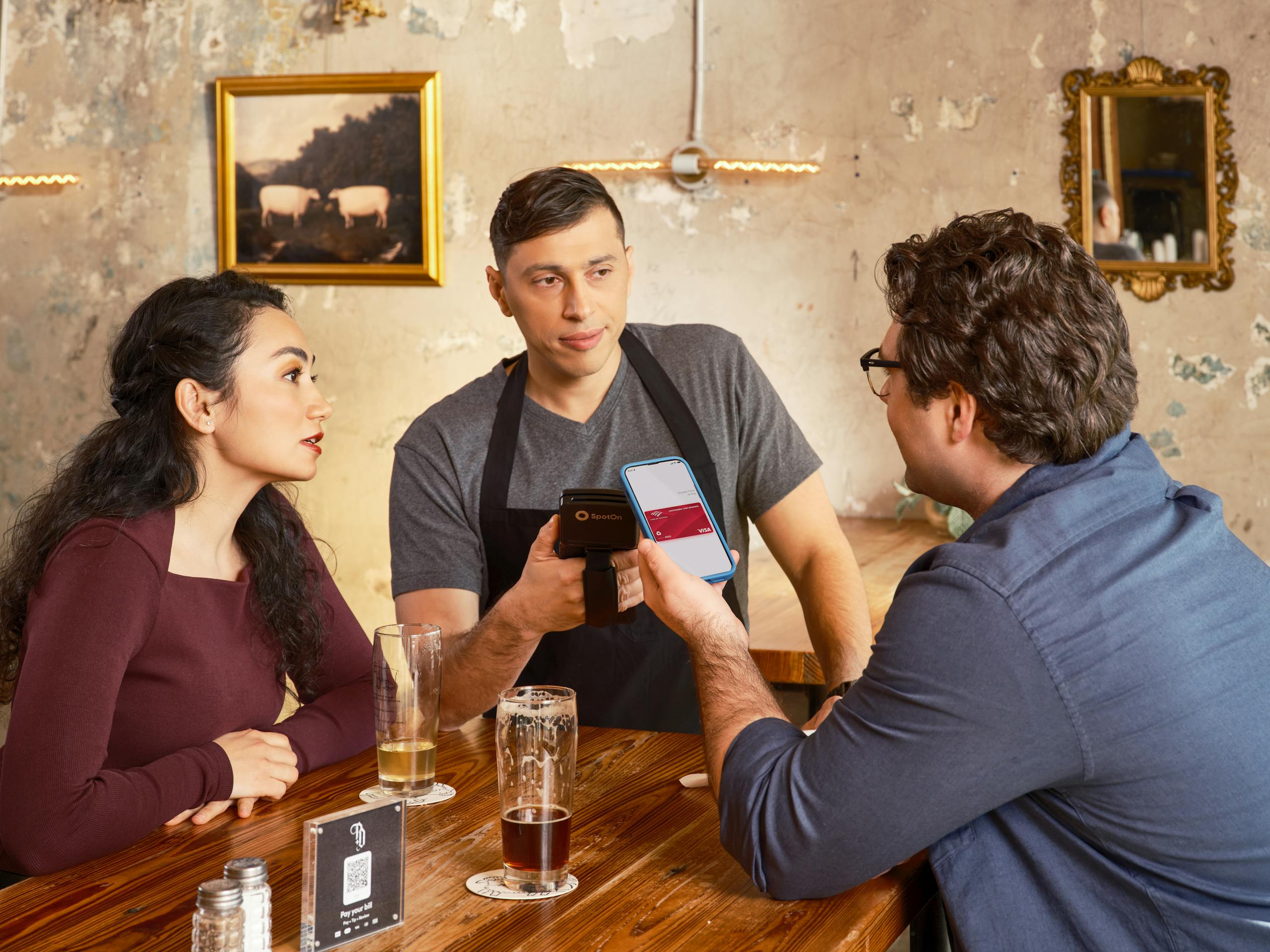
Few things make Boomers more suspicious than being told their cash is no good. Cash still feels simple, private, and reliable. It does not need batteries. It does not freeze because the machine is down. It does not ask for an email receipt. It does not require tapping, swiping, updating, verifying, or hoping the card reader is in a good mood.
Cashless restaurants may be faster for businesses, but they can feel cold to older diners who trust physical money. Even as digital payments grow, most U.S. consumers still use or keep cash in some form, which makes cash payment use relevant to the dining experience. To Boomers, refusing cash can make a restaurant feel less welcoming.
Reservations That Feel Like Booking a Flight
Boomers remember calling a restaurant, talking to a human being, and reserving a table. Now dinner can involve apps, deposits, waitlists, text confirmations, cancellation fees, and time limits that make the whole thing feel like buying concert tickets. Even casual places can act like a booth for four is a rare museum exhibit.
That makes eating out feel less spontaneous. Some restaurants now use reservation deposit policies to reduce no-shows or protect bookings, but diners can still experience the process as cold and complicated. Boomers do not want to create an account just to sit near a window. They want a table, a meal, and enough time to finish coffee without feeling rushed.
Trendy Seating That Punishes the Spine
Modern restaurants love style, but some chairs feel like they were designed by someone who hates comfort. Metal stools, backless benches, tiny café chairs, crowded tables, and hard seats may look good in photos, but they can turn dinner into a lower-back endurance test. Boomers notice this fast because comfort matters more when you are not trying to prove anything.
A good restaurant chair does not need to look fancy. It just needs to let people sit through a meal without shifting every five minutes. Boomers are not asking for recliners at the table. They just want furniture that understands people come to eat, talk, and stay awhile.
The Feeling That Everyone Is Being Rushed

Many Boomers miss the slower rhythm of dining out. They remember when a restaurant meal felt like an evening, not a timed transaction. Now, some places push turnover so hard that the appetizer, entrée, and check arrive as if they were racing each other. The server asks about dessert before anyone has finished swallowing dinner.
That pace may help restaurants manage busy nights, but it can make customers feel like numbers on a table rather than guests. Boomers want the experience, not just the food. They want conversation, coffee refills, dessert if the mood hits, and a few minutes to enjoy being out. When a restaurant rushes them, it loses the charm that made eating out special.
Conclusion
Modern restaurants may be faster, sleeker, and more digital than ever, but that does not mean every change feels like progress. For many Boomers, the best dining experience still comes down to simple things: a real menu, a comfortable seat, fair portions, clear prices, decent service, and a room where people can actually hear each other.
The funny part is that Boomers are not always wrong. Plenty of younger diners also hate loud rooms, tip pressure, tiny portions, confusing menus, and QR codes that refuse to load. Boomers are just more likely to say it out loud, usually while reaching for reading glasses and asking why a burger costs so much without fries.
Maybe that is why this topic hits home. Modern restaurants are trying to be stylish, efficient, and photo-ready. But many diners still want something older and simpler. They want to sit down, be greeted kindly, read a menu, enjoy a meal, and leave feeling satisfied, not overstimulated, overcharged, or slightly confused. That is not being outdated. That is just wanting dinner to feel like dinner again.