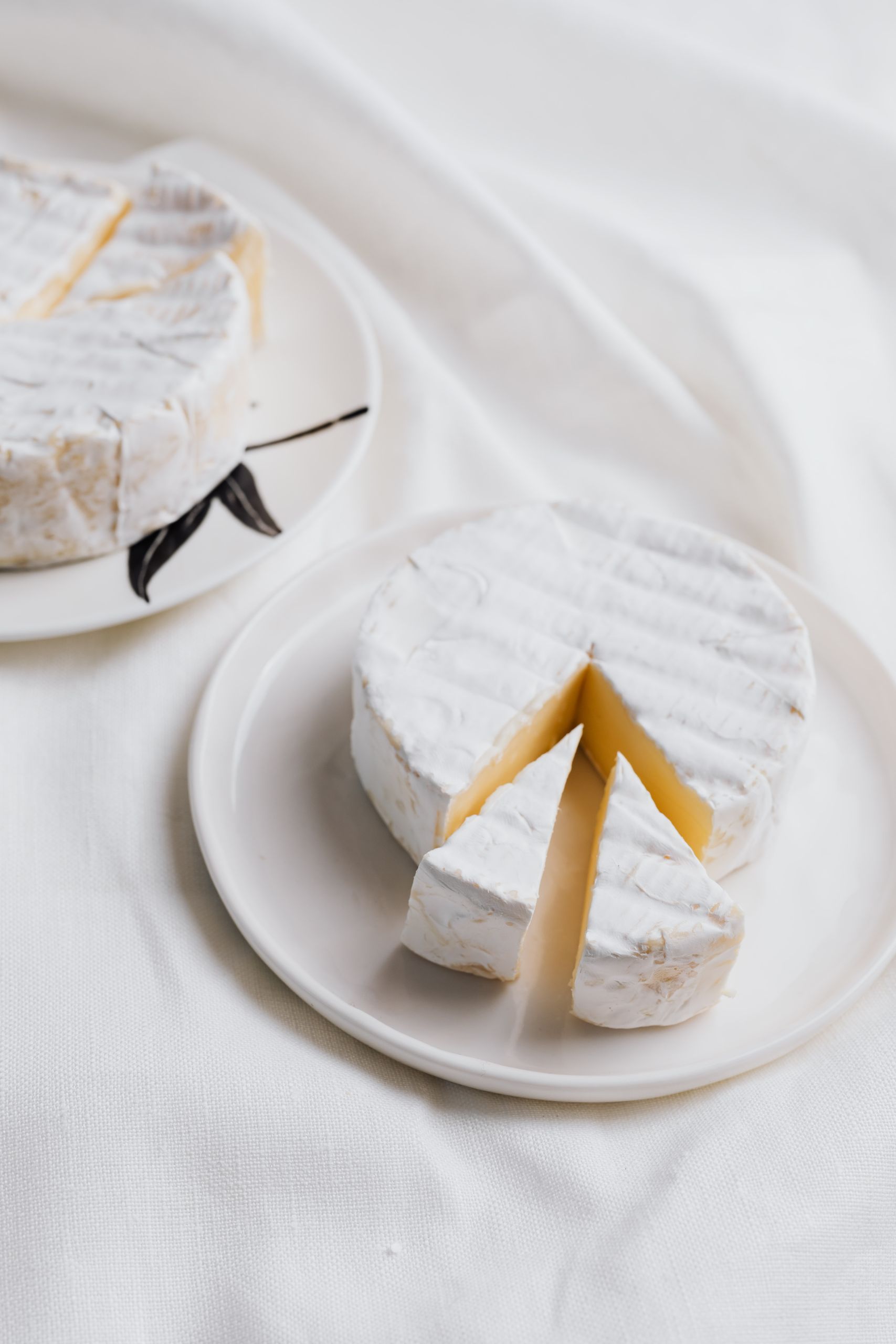
Before some Canadian brie reaches an American cheese counter, its main ingredient has already traveled the other way.
According to a newly filed lawsuit, one Ontario supplier buys milk from upstate New York dairies, makes brie in Canada and ships the finished cheese into the United States. The route connects American farmers, Canadian cheesemakers and a New Jersey importer.
Now that importer, Gellert Global Group, is challenging a 50% U.S. tariff on certain Canadian goods, including cheeses it brings across the border.
The company filed its lawsuit on October 20 in the U.S. Court of International Trade. For grocery shoppers, the dispute raises a practical question: When importing cheese becomes substantially more expensive, who ultimately absorbs the additional cost?
The answer isn’t automatically the customer, and a 50% tariff doesn’t automatically produce a 50% increase on a supermarket price tag.
A New Jersey Food Business Goes to Court
Gellert, headquartered in Elizabeth, New Jersey, describes itself in its filed complaint as a food importer with more than a century of operations.
The company says it imported roughly $71 million worth of Canadian cheese in 2025. Affected products include brie, camembert, mascarpone, sheep’s milk cheese, and chèvre-style goat’s milk cheese.
Gellert estimates that the challenged tariffs could cost it approximately $40 million annually. That figure is the company’s projection, not a court finding or a future bill established independently.
The suit asks the court to declare the tariffs unlawful, stop their enforcement, and order refunds with interest.
Those requests are the relief Gellert wants. Filing them does not itself cancel the duties or establish that the administration acted unlawfully.
What a 50% Tariff Actually Charges
The tariff is a U.S. import duty on covered Canadian products. It is not a Canadian tax collected directly from American grocery shoppers.
Gellert says it is the importer of record for its Canadian products and pays the challenged duties when those shipments enter the United States.
The rate applies to the merchandise’s entered customs value, rather than the eventual supermarket price.
For example, a covered shipment with an entered value of $100,000 would generate $50,000 in this duty. That calculation does not establish its final retail value or account for other applicable expenses.
The complaint provides an example of the cost accumulating: Gellert says it paid at least $520,538 in Section 338 duties on 22 Canadian cheese entries between September 16 and October 11.
That is money charged at the import stage. How it affects later prices depends on subsequent business decisions.
Why the Milk’s Journey Matters
The upstate New York milk connection complicates a simple American-versus-Canadian account of the dispute.
Gellert says its Ontario brie supplier imports milk from American dairies before sending finished cheese back into the United States.
That means the commercial relationship includes an American agricultural ingredient, Canadian production and American distribution.
The company argues that reducing this trade could also affect domestic production. That is its assessment of the supply chain, not proof that particular farms have already lost sales.
Gellert also says some Canadian supplier relationships extend beyond 25 years.
For an importer, changing suppliers is therefore not necessarily like swapping one box for another. The company argues that production capacity, established products and customer relationships make substitution difficult.
Its lawsuit presents those circumstances as reasons the tariff creates business pressure. It does not establish that every Canadian cheese lacks an American alternative.
The Administration’s Rationale
The dispute centers on Section 338 of the Tariff Act of 1930, which addresses foreign discrimination against U.S. commerce. It authorizes additional duties of up to 50% after specified findings. Subsection (d) provides for collection beginning 30 days after the relevant proclamation.
The administration invoked that authority in response to what it characterized as Canadian discrimination involving American dairy products, automobiles and alcoholic beverages.
According to the complaint’s account of the proclamations, the administration said the duties would expand opportunities for U.S. producers and could encourage Canada to change the challenged measures.
Whether the administration satisfied the law’s requirements is one of the questions Gellert asks the court to resolve.
What the Importer Is Challenging
Gellert’s argument is broader than saying the tariffs are expensive.
The company contends that later trade legislation superseded Section 338 or limits its use in these circumstances. It also argues that the administration did not meet the older statute’s requirements.
Another challenge concerns timing.
The complaint says the administration added products, including Gellert’s cheeses, through September 8 proclamations, with collection beginning September 15. Gellert argues that the seven-day interval violated the statute’s 30-day requirement.
These are allegations and legal arguments, not judicial conclusions.
In Associated Press reporting published by ABC News, economics writer Paul Wiseman reported that the White House and the Office of the U.S. Trade Representative did not immediately respond to requests for comment on the lawsuit.
What This Could Mean at the Cheese Counter
Gellert says it is absorbing the tariff costs through the end of 2026.
That statement is important for shoppers. A substantial import charge can affect a business before the business raises its selling prices.
The company says absorbing those expenses reduces its margins, pressures working capital, and delays hiring and investment. It argues that continuing tariffs would eventually require higher product prices.
That is a warning about its anticipated response, not confirmation of a particular supermarket increase.
The case provides no verified nationwide forecast for cheese prices. It also does not establish a uniform pricing decision by grocery chains, independent cheese shops, or restaurants.
A retailer’s shelf price is not the customs value used to calculate the duty. Consequently, the 50% rate cannot simply be applied to an existing grocery price to predict a new one.
What Happens Next
The immediate question is whether the court grants any of the requested relief.
Even a favorable ruling would need to be read for its scope: which duties it addresses, whose imports it covers, and what remedies it orders.
A refund to an importer would not, by itself, establish a refund for a grocery customer. Likewise, ending an import duty would not dictate a store’s next price.
For now, the case connects trade law to a food supply chain running through New York farms, Ontario cheesemaking and New Jersey distribution. If that chain becomes less expensive to operate, how much of the benefit will eventually reach the American cheese counter?