Pets make homes feel warmer, louder, funnier, and more alive. A dog at the door can turn a bad day around in seconds, and a cat curled on the couch can make the whole room feel softer. Still, the same closeness that makes pets feel like family can also create a health blind spot. We let animals lick our hands, sleep on our beds, walk across kitchen floors, scratch our arms, and nudge their noses into our faces, then act surprised when germs find an easy doorway.
A ScienceAlert report on a Science Translational Medicine review warns that companion animals, backyard animals, strays, and urban pests may play an overlooked role in spreading zoonotic diseases, which are infections that move between animals and people. The risk is not a reason to panic or stop loving pets, but it is a reason to stop treating every pet habit as harmless. Researchers noted that close human contact with pets and feral animals can help pathogens survive, spread, bridge different species, or evolve in new ways.
The real danger is everyday closeness.
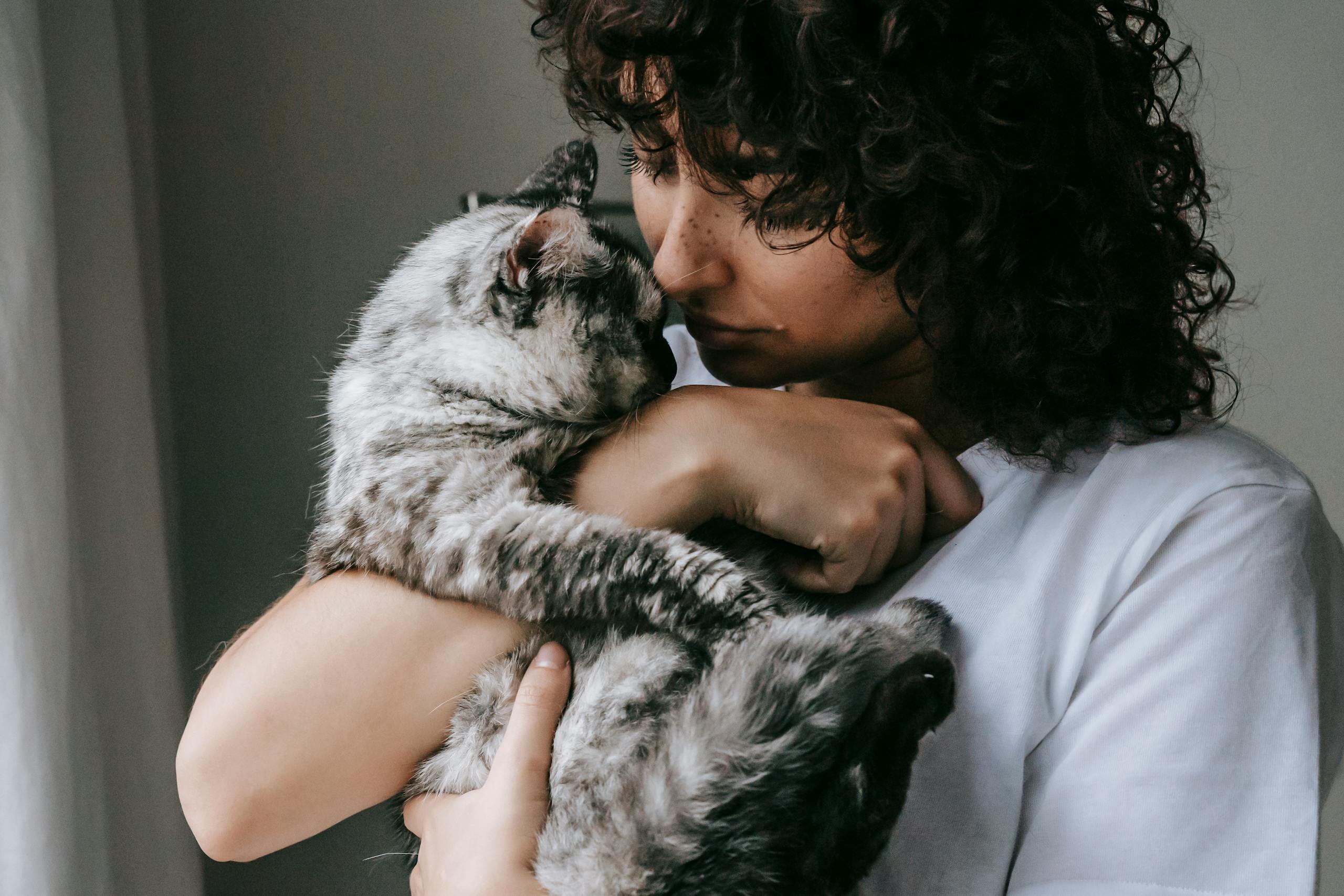
The scariest pet health risks are not always dramatic. They often start with normal routines, such as cleaning a litter box, touching a food bowl, handling a chicken coop, letting a dog lick a cut, or ignoring a scratch because “it’s just the cat.” The CDC says animals can appear healthy even when they carry germs that may make people sick, including viruses, bacteria, parasites, and fungi.
That is what makes the issue so easy to overlook. People expect danger from wild animals, not from the dog wearing a sweater or the kitten asleep in a laundry basket. Yet pets live right beside us, and that constant closeness gives germs more chances to move from fur, saliva, feces, cages, tanks, coops, or contaminated surfaces into human bodies.
Outdoor cats can become disease bridges.
Cats are often treated like tiny independent landlords, free to roam, hunt, disappear, and return as if nothing had happened. The problem is that outdoor cats can encounter rodents, fleas, birds, other cats, contaminated soil, and sick wildlife before returning to the same home where people pet them, kiss their heads, or let them climb onto beds. The ScienceAlert report highlights concerns that outdoor and feral cats may pick up unexpected pathogens, including Yersinia pestis, the bacterium that causes plague, in areas where it still exists in wildlife.
This does not mean every outdoor cat is a walking emergency. It means roaming creates a bigger contact web. A cat that stays indoors has a lower chance of becoming a bridge between wildlife germs and humans. The CDC also advises keeping cats indoors and away from stray cats to help prevent cat scratch disease, especially for people with weakened immune systems.
Raw pet food is not the “natural” win many people imagine
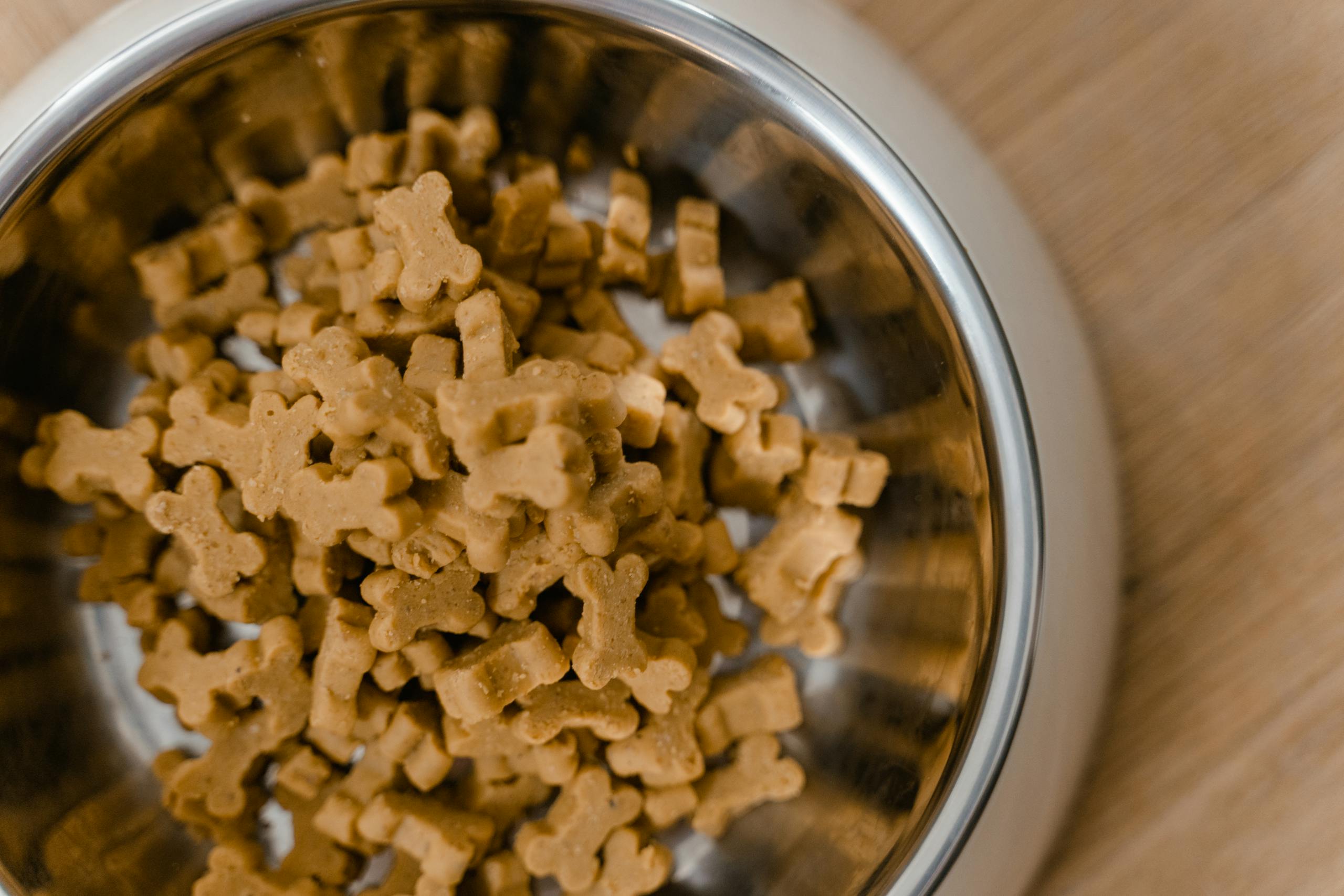
Raw pet food has picked up a health halo, especially among owners who want to feed animals something that looks less processed. But raw milk, raw meat, and raw pet food can carry serious pathogens, and recent bird flu investigations have made that risk harder to dismiss. In a 2026 CDC report, 19 domestic cats in Los Angeles County became ill after consuming commercially purchased raw milk, raw meat, or raw pet food; 14 died or were euthanized, and nine tested positive for H5N1 bird flu.
The same CDC investigation found serologic evidence of possible H5N1 transmission from an infected domestic cat to an asymptomatic veterinary professional. That is not a Hollywood disaster plot, but it is a warning sign. Raw feeding can turn a kitchen decision into a household exposure risk, especially when cats become severely ill, and humans handle them closely during care.
Backyard poultry can look clean and still spread Salmonella.
Backyard chickens and ducks can make a home feel charming, practical, and almost storybook. Fresh eggs, little coops, kids naming the birds, and morning clucking can all seem wonderfully wholesome. Yet the CDC reported active 2026 multistate Salmonella outbreaks linked to backyard poultry, with 184 cases, 53 hospitalizations, one death, and illnesses across 31 states as of May 14, 2026.
The tricky part is appearance. Chickens and ducks can carry Salmonella even when they look healthy and clean, and the germs can spread around the areas where they live and roam. That is why kissing chicks, bringing coop shoes inside, letting children handle poultry without strict handwashing, or treating a backyard flock like plush toys can turn a cute hobby into a preventable health problem.
Scratches, bites, and licks deserve more respect.

A tiny scratch can feel too small to matter until the body reacts. Cat scratch disease is caused by Bartonella henselae, and the CDC advises people to seek care if fever, tender, enlarged lymph nodes, or a pustule develop after a scratch. Most cat scratches do not lead to illness, but that “most” is exactly why people get careless.
Dogs and cats can also carry bacteria in their mouths that become dangerous when saliva enters a wound. The CDC notes that Capnocytophaga germs can spread through bites or when dog or cat saliva enters an open wound or sore, and that people with weakened immune systems are at higher risk. The safer rule is simple: no pet licking broken skin, no ignoring deep bites, and no treating a swollen scratch like a badge of honor.
Antibiotic resistance makes the pet problem bigger.

Pet-related infections are not just about catching a stomach bug or getting a swollen scratch. They also sit inside the larger problem of antimicrobial resistance, where germs learn to survive the drugs meant to kill them. The CDC describes antimicrobial resistance as a One Health issue affecting people, animals, plants, and the environment, and notes that animals can carry resistant germs that may make humans sick.
That matters because pets move freely through human spaces. They touch floors, couches, beds, yards, parks, clinics, kennels, groomers, and other animals. When antibiotics are misused in animal care or poor hygiene allows resistant germs to circulate, the home can become part of a much larger chain.
The safest pet owners are not fearful, just cleaner
The answer is not to treat pets like biohazards. The answer is to build boring habits that work. Wash your hands after touching animals, cleaning habitats, handling pet food, changing litter, collecting eggs, or leaving areas where animals live. The CDC specifically recommends handwashing after touching or playing with pets, feeding them, handling cages or tanks, cleaning up after them, and removing soiled clothes or shoes.
Good pet hygiene also means regular veterinary care, flea prevention, safer food choices, indoor cat habits when possible, and fast attention to unusual animal symptoms. A pet that suddenly develops neurological signs, severe breathing problems, unusual lethargy, vomiting, diarrhea, or strange behavior should not be handled casually. Love the animal, but respect the biology.
Key takeaways
Pets are still worth loving, but love should not make people reckless. The health risk is not that every pet is dangerous; it is that everyday closeness creates repeated chances for germs to move between animals and humans. The more people treat licking, scratching, raw feeding, roaming, and poor cleanup as harmless, the easier it becomes to miss those risks.
A safer home does not need fear. It needs soap, vet visits, flea control, clean feeding habits, smart poultry rules, careful wound care, and a little less denial. Pets can be family, but even family needs boundaries when germs are involved.