The subscription economy used to feel like freedom. Americans cut cable, picked a few streaming apps, paid a small monthly fee, and felt like they had finally beaten the system. Then the prices started creeping up. A dollar here, two dollars there, a “new plan” here, an ad free tier there, and suddenly the cheap entertainment setup began looking suspiciously like the cable bill everyone ran away from.
That is the frustrating part. Most people do not wake up and willingly spend hundreds of dollars on digital subscriptions.
It happens quietly, through automatic renewals, forgotten free trials, price hikes, family accounts, music plans, cloud storage, gaming passes, and streaming platforms that keep splitting popular shows across different apps. For many Americans already dealing with expensive groceries, rent, gas, insurance, and credit card debt, subscription creep has become one more monthly leak in the budget.
The cheap streaming dream has turned into another monthly burden.
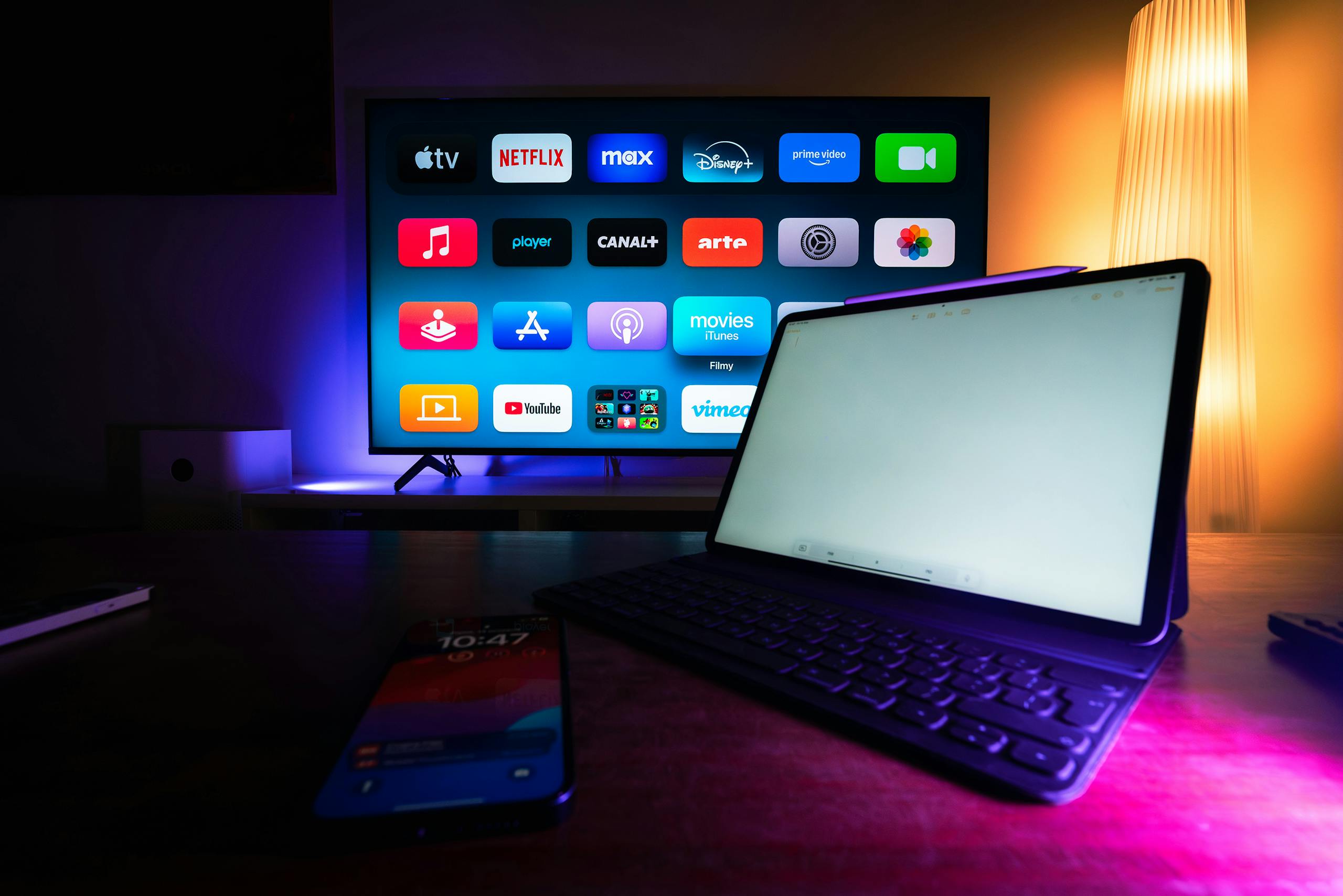
Streaming was supposed to save Americans from cable. It promised choice, control, and lower prices. People loved the idea of paying only for what they actually watched instead of being trapped in a bloated cable package full of channels they never opened. For a while, that promise felt real.
Now the dream looks much less shiny. Many households need several platforms just to keep up with favorite shows, live sports, movies, documentaries, and kids’ content. One service has the franchise everyone talks about.
Another has the comfort of sitcoms. Another has football. Another has prestige dramas. Before long, the so called cheaper alternative starts eating into the monthly budget like a second utility bill.
Tiny price hikes are doing serious damage.
A one dollar increase does not sound scary. A two dollar increase does not feel like a financial emergency. That is exactly why subscription price hikes work so well. They are small enough to ignore but frequent enough to matter.
The real damage appears when several services raise prices at the same time. Netflix goes up. Disney+ goes up. Hulu costs more. Gaming subscriptions climb. News subscriptions renew. Cloud storage keeps charging. By the time all those “small” increases hit the same debit card, Americans are paying much more without feeling like they made a major spending decision.
Families are paying for apps they barely use
One of the biggest subscription traps is emotional attachment. People keep a service because they might use it later, because the kids watched it last summer, because one show may return next year, or because canceling feels annoying. That logic keeps millions of unused subscriptions alive.
The result is a budget full of digital ghosts. A fitness app from January. A streaming service of a show that ended months ago. A cloud storage upgrade that nobody reviewed. A gaming pass nobody has opened in weeks. These forgotten charges are not dramatic, but they quietly drain money that could go toward groceries, savings, gas, or paying down debt.
Ad-free entertainment is becoming a luxury.
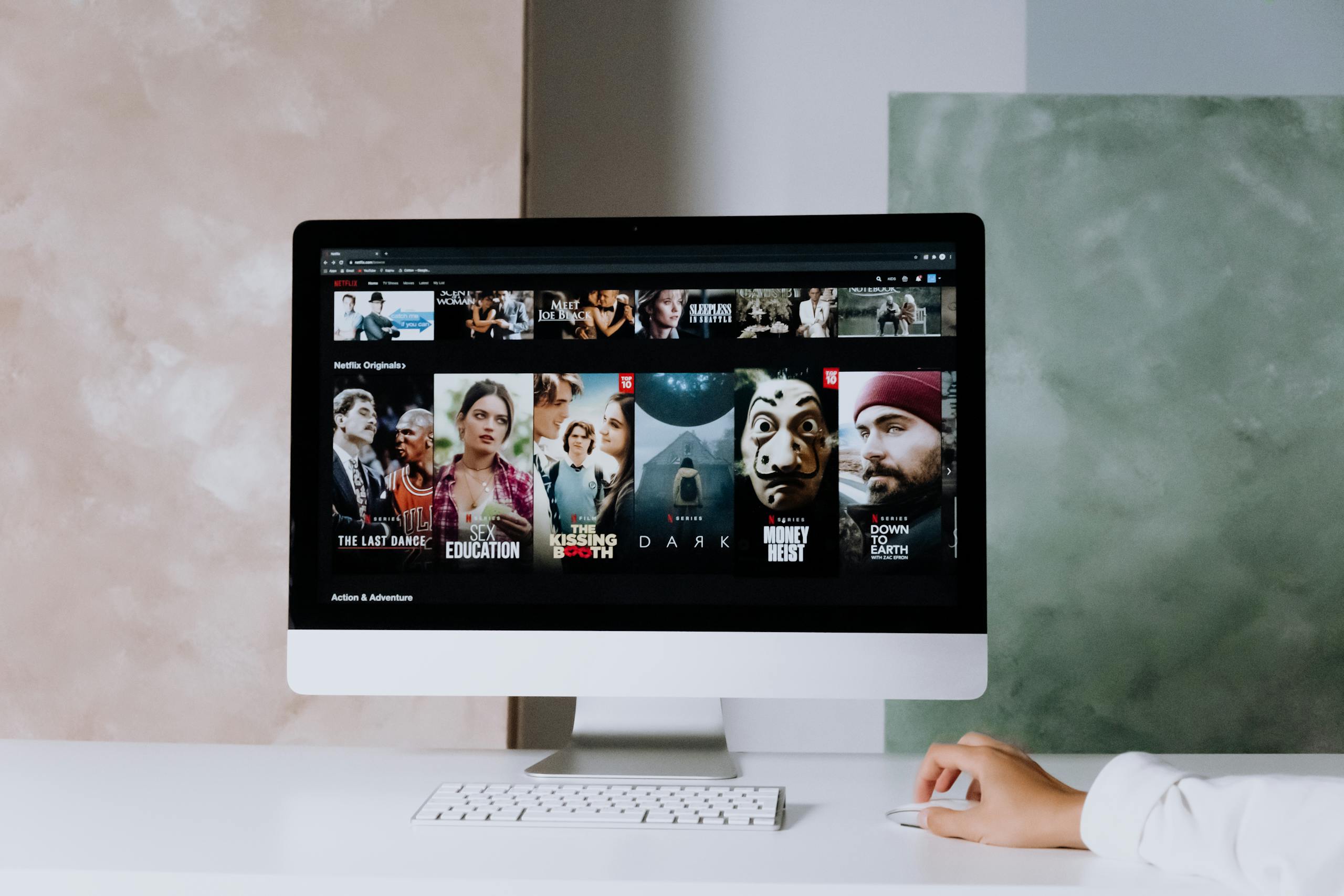
For years, one of streaming’s biggest selling points was fewer ads. People paid because they wanted smoother viewing, fewer interruptions, and a break from traditional TV commercials. Now, many platforms are pushing users toward cheaper ad-supported plans while raising the prices of add free tiers.
That creates an irritating choice. Americans can either pay more to keep the cleaner experience they once expected or pay less and sit through ads on a service they are still paying for. It feels like a downgrade dressed up as a deal. The customer loses either way: more money for peace or more interruptions for savings.
Sports fans are getting hit especially hard.
Sports used to be part of the regular TV package. Now live games are scattered across cable, streaming platforms, league apps, premium packages, and exclusive deals. For fans, that means following one team can require multiple subscriptions.
This is where the subscription problem becomes personal. A family may cancel a movie platform without much pain, but sports are different. Football, basketball, baseball, soccer, and college games are tied to routines, weekends, friendships, and family traditions. Streaming companies understand that loyalty, and they price accordingly.
The family budget is being attacked from every side.
Subscription increases would be annoying in any economy. They feel worse when Americans are already stretched thin. Many households are juggling higher food prices, rent increases, expensive car insurance, medical bills, student loans, and credit card balances. A $15 monthly charge may seem small, but it matters when the grocery cart already feels like a financial ambush.
That is why subscription fatigue feels so relatable. People are not just complaining because entertainment costs more. They are tired because everything costs more. Subscriptions have joined the long list of expenses that used to feel manageable and now feel like one more thing quietly working against the household.
Canceling is often harder than signing up.

Companies make starting a subscription painfully easy. One click, one card, one free trial, and the account is active. Canceling often feels like walking through a maze. Users may face hidden menus, retention offers, confusing buttons, password prompts, or repeated “Are you sure?” screens.
That imbalance is not accidental. The easier it is to forget, delay, or abandon the cancellation process, the longer the company keeps collecting money. Americans are busy, tired, and distracted. Subscription businesses know that a little friction can turn into another month of revenue.
Bundles are starting to look like cable in disguise.
Bundles can save money, but they can also hide waste. A company groups several services together, makes the monthly price look attractive, and tells customers they are getting more value. Sometimes that is true. Other times, people end up paying for a package where only one or two services are actually used.
This is how the old cable problem sneaks back in. The names have changed, the apps look cleaner, and the remote control has turned into a smartphone screen, but the pattern feels familiar. Americans are once again paying for bundles full of content they do not really need.
Free trials have become budget traps.
Free trials sound harmless because the word “free” lowers everyone’s guard. A person signs up to watch one movie, read one article, test one software tool, or try one workout program. Then life gets busy. The reminder never gets set. The trial ends. The charge begins.
This is one of the sneakiest parts of subscription culture. Many people do not discover the charge until weeks or months later. By then, the company has already collected money for something the customer barely used. A free trial should feel like a sample, but too often it becomes the front door to a forgotten bill.
Americans are being forced to audit their entertainment.

The old habit was simple: subscribe and forget. That no longer works. Americans now have to treat digital subscriptions like a serious part of the monthly budget. That means checking bank statements, canceling unused services, rotating platforms, downgrading plans, and refusing to keep apps out of guilt or laziness.
It may sound exhausting, but it is becoming necessary. A household that never reviews subscriptions can easily waste hundreds of dollars a year. The smartest move is to stop treating entertainment apps like permanent bills. Streaming services should earn their place every month, not coast quietly on automatic renewal.
Conclusion
Subscription price hikes are frustrating because they hit Americans in a familiar place: the monthly budget that already feels too tight. Nobody wants to feel nickel and dimed by the same services that once promised freedom, savings, and convenience. Yet that is exactly what many households are facing now. The cheap streaming era has faded, and the subscription stack has become a quiet financial drain.
The best response is not panic. It is control. We can cancel what we do not use, rotate services instead of keeping everything active, downgrade when ads are tolerable, and stop letting forgotten charges make decisions for us.
The companies may keep raising prices, but Americans do not have to keep paying for every app, every trial, and every “small” increase that lands on the card. Sometimes the most powerful budget move is simply pressing cancel.