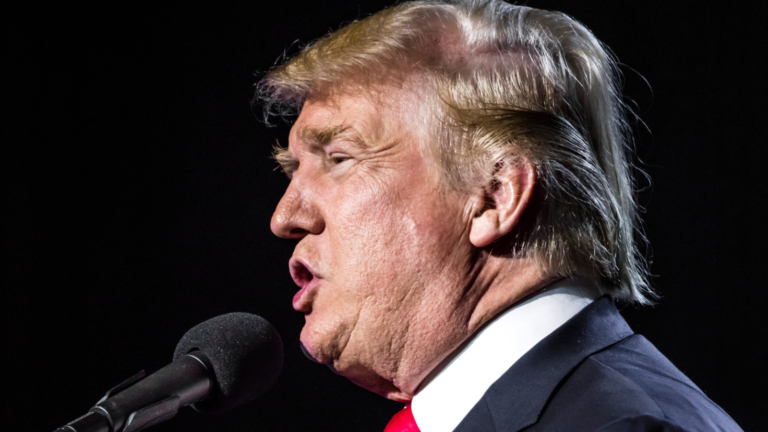
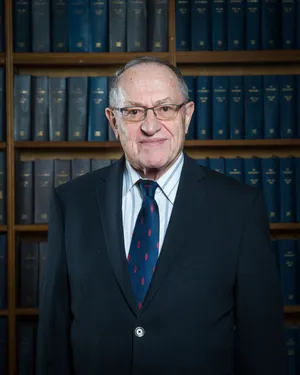
A dramatic warning from attorney Alan Dershowitz has intensified the political and legal clash surrounding Israeli Prime Minister Benjamin Netanyahu’s expected trip to New York. Dershowitz, a member of Netanyahu’s legal team, said Mayor Zohran Mamdani could face arrest if he tried to interfere with the Israeli leader’s arrival or planned address during the United Nations General Assembly in September.
“If Mamdani does anything to interfere with Bibi Netanyahu’s arrival in New York and speech, he will be arrested,” Dershowitz said during an appearance on Newsmax. His statement was forceful, but it represents his legal and political warning, not an announced decision by prosecutors or law-enforcement authorities. The report did not identify a specific criminal charge that Mamdani would face.
Mamdani Has Already Acknowledged the City’s Legal Limits
The confrontation grew from Mamdani’s repeated criticism of Netanyahu and his earlier campaign pledge to enforce an International Criminal Court arrest warrant if the Israeli prime minister entered New York. The ICC issued warrants for Netanyahu and former Israeli Defense Minister Yoav Gallant in November 2024, alleging war crimes and crimes against humanity connected to the Gaza conflict. Israel rejects the accusations and disputes the court’s jurisdiction.
Mamdani recently stepped back from the practical part of that pledge. After his administration reviewed the matter, he acknowledged that New York City lacked independent legal authority to execute the ICC warrant. He continued to describe Netanyahu as a war criminal, said the prime minister was unwelcome in the city and urged the federal government to join the ICC and act on the warrant.
That reversal matters because a mayor does not personally issue arrests or create new criminal authority. The New York Police Department must operate under federal, state and local law, while international diplomacy and immunity for foreign officials largely fall under federal authority. Mamdani’s political objections therefore cannot create a lawful mechanism for city officers to detain a visiting head of government.
Federal Law Presents Several Major Obstacles

White House, Public domain, via Wikimedia Commons
The United States is not a party to the Rome Statute, the treaty that established the ICC. Legal specialists told Reuters that U.S. law offers no ordinary process for enforcing an ICC arrest warrant. The American Service-Members’ Protection Act also restricts federal, state and local entities from cooperating with ICC requests and prohibits extraditing people from the United States to the court.
Netanyahu’s expected visit would create another barrier. Sitting heads of government generally receive immunity from arrest in American courts, while official representatives traveling to or from United Nations meetings receive additional legal protections. The U.N. Headquarters Agreement governs access to the organization’s New York headquarters, and State Department guidance recognizes extensive immunity protections for qualifying diplomats and international representatives.
Reuters reported that the federal government would likely need major legal changes before it could enforce the ICC warrant. Those changes could include joining the court and repealing existing restrictions. Even then, immunity connected to Netanyahu’s official participation at the United Nations could remain a substantial obstacle. President Donald Trump has also publicly said Netanyahu will not be arrested while visiting the United States.
Dershowitz Turns the Dispute Into a Wider Political Fight
Dershowitz went beyond challenging Mamdani’s legal authority. He accused the mayor of legitimizing antisemitism and said he planned to organize a massive Central Park gathering to welcome Netanyahu. Mamdani has rejected allegations of antisemitism, maintaining that his criticism targets the Israeli government and its military campaign rather than Jewish people.
The increasingly personal language reflects a deeper argument about where local political expression ends, and federal foreign policy begins. A New York mayor may criticize a foreign leader, support international institutions and advocate changes to American law. However, the mayor cannot override federal statutes, diplomatic protections or international agreements by directing the city’s police department to act.
Dershowitz’s declaration that Mamdani “will be arrested” therefore remains a prediction unless authorities identify a criminal act and a valid basis for prosecution. Unlawfully interfering with a protected foreign official could prompt federal scrutiny, but criticism, peaceful protest and policy advocacy remain protected political activities. The decisive question would involve what Mamdani actually ordered or attempted, rather than the strength of his rhetoric.
For now, the legal picture appears clearer than the political one. Mamdani has conceded that the city cannot arrest Netanyahu, while Dershowitz warns that any attempt to obstruct the Israeli leader’s official visit could place the mayor in legal danger. As the U.N. General Assembly approaches, the rhetoric may grow louder, but existing law strongly indicates that New York City cannot execute the ICC warrant by its