A retired Army general struggled to hold back tears while condemning the Pentagon’s handling of four American soldiers killed during renewed fighting connected to Iran.
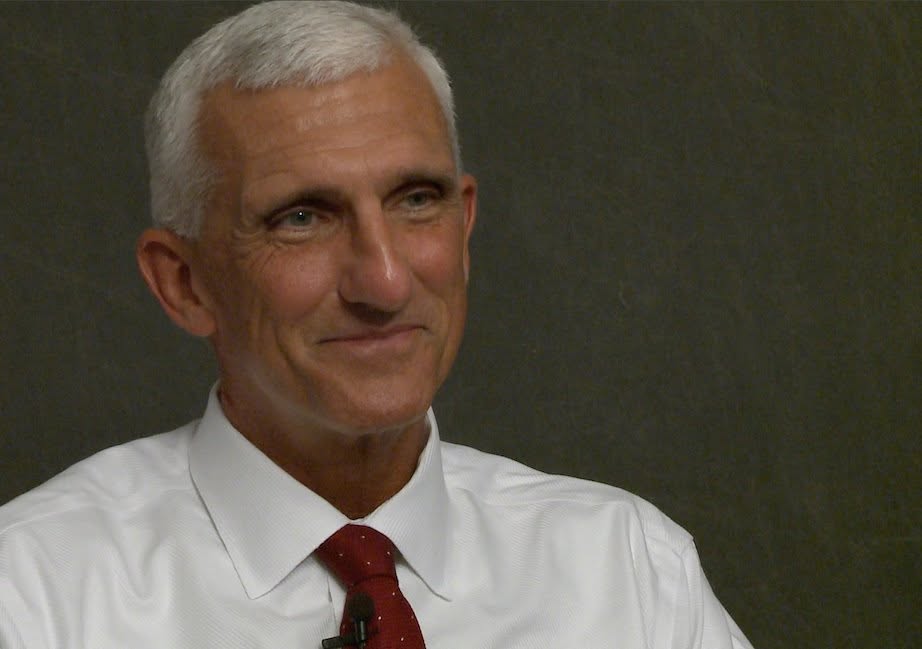
“Their names were scratched off or taken off a list in the Pentagon,” retired Lt. Gen. Mark Hertling said during an appearance shared by The Bulwark. “To me, it is abhorrent, it’s criminal.”
Hertling was reacting after the number of American service members listed as killed during Operation Epic Fury suddenly dropped from 18 to 14. The four missing names belonged to soldiers whose remains had recently returned to the United States through a dignified transfer at Dover Air Force Base.
The names were not permanently deleted. By Sunday, July 26, the Pentagon had placed the four soldiers under a separate category called “Overseas Operations Casualties.” Fourteen other deaths remained listed under Operation Epic Fury, the official name for the U.S. military campaign against Iran.
That distinction did little to quiet the outrage. For Hertling, removing the soldiers from the operation’s casualty roll, even temporarily, struck at one of the military’s most sacred promises: that those who die in service will be remembered.
Four soldiers, four families and an unexplained change
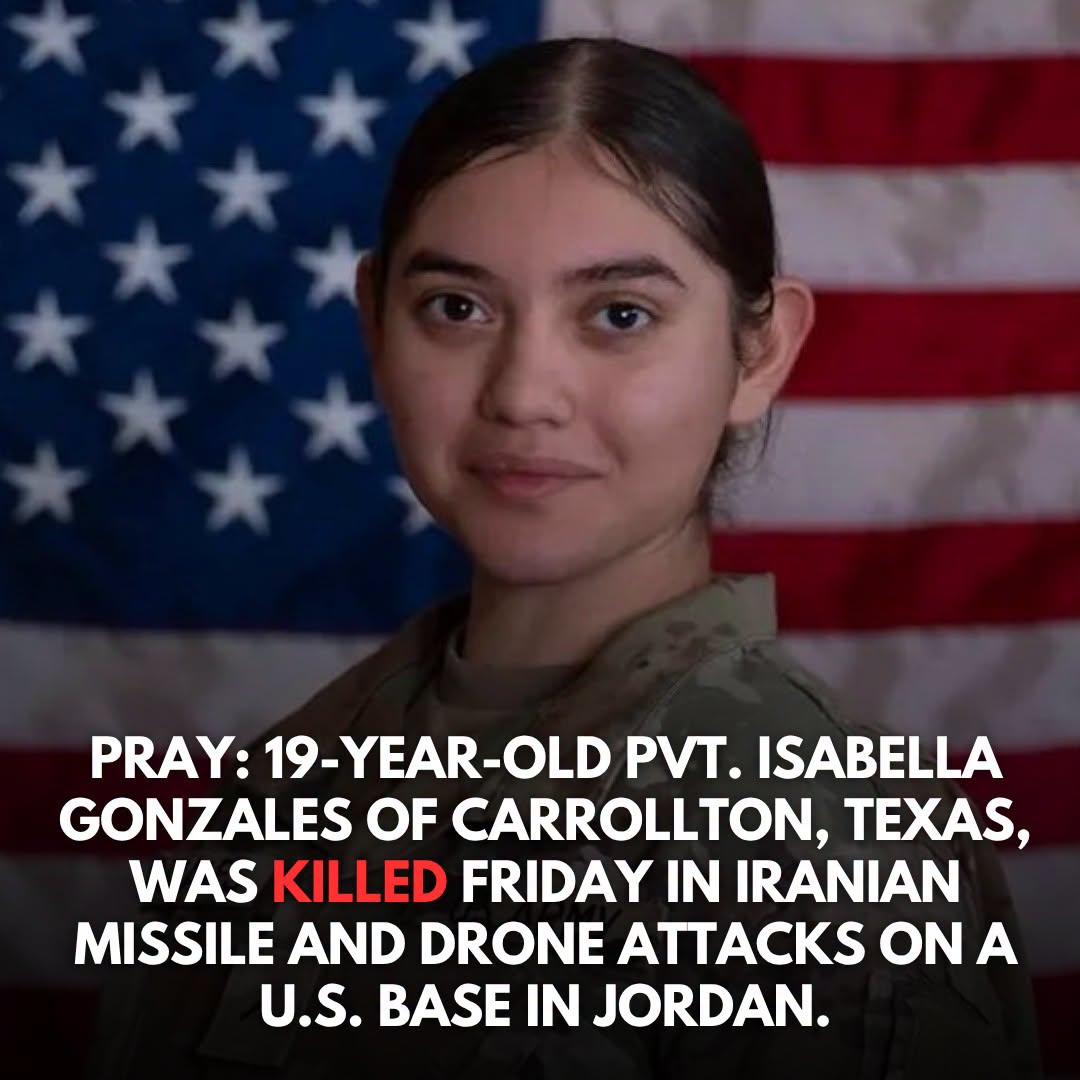
The four soldiers were 1st Lt. Tyler James Feehan, Sgt. Angel S. Rampersad, Pvt. Isabella Gonzales and Sgt. Michael Emmanuel Swinton.
Feehan, 25, of Ewa Beach, Hawaii, suffered fatal injuries during a July 17 enemy attack at Muwaffaq Salti Air Base in Jordan. He died the following day. He served with the 2nd Battalion, 55th Air Defense Artillery Regiment at Fort Bragg, North Carolina.
Gonzales, 19, of Carrollton, Texas, was killed during the same July 17 attack. She served with the 1st Battalion, 57th Air Defense Artillery Regiment, based in Ansbach, Germany.
Rampersad, 28, of Ozone Park, New York, was also believed to have died in the Jordan attack. At the time of the dignified transfer, the Pentagon said final identification remained subject to confirmation by the Armed Forces Medical Examiner.
Swinton, 30, of Fayetteville, North Carolina, died July 19 during the controlled detonation of a downed one-way attack drone at Erbil Air Base in Iraq. The Pentagon said all four incidents remained under investigation.
President Donald Trump, Defense Secretary Pete Hegseth and Joint Chiefs Chairman Gen. Dan Caine attended the July 22 dignified transfer at Dover. During that solemn process, military carry teams moved the flag-draped transfer cases from an aircraft to vehicles bound for Air Force Mortuary Affairs Operations.
Yet shortly after that public tribute, the four names disappeared from the Operation Epic Fury casualty count.
The Pentagon blames a data disruption
Chief Pentagon spokesperson Sean Parnell said errors on the Defense Casualty Analysis System resulted from a “temporary data disruption.” He said officials were working with the military services to correct the site’s anomalies.
Parnell also accused The New York Times, which first reported the altered numbers, of working with anonymous sources to promote what he called a false story.
However, the shifting classifications raised questions beyond a simple website malfunction. CBS News reported that Pentagon announcements initially connected some of the deaths to Operation Inherent Resolve, the long-running campaign against ISIS. The releases were later amended to describe the deaths as occurring during “overseas operations.”
The four deaths briefly appeared under Operation Epic Fury before being removed. They later returned under the newly separated Overseas Operations category.
The timing also complicated the Pentagon’s explanation. President Trump informed Congress that military action had resumed on July 7 after the end of an earlier ceasefire. The four soldiers died more than a week after that date.
As of July 26, the Pentagon database listed 14 deaths and 417 wounded personnel under Operation Epic Fury. It separately listed four deaths and 207 wounded under Overseas Operations. Although the two categories produce a combined total of 18 deaths, the split leaves the latest casualties outside the publicly named Iran-war operation.
Why Hertling invoked the military’s final roll call
Hertling connected the dispute to the final roll call, a deeply symbolic military ritual honoring a fallen soldier.
During the ceremony, the names of service members are called and answered. The fallen soldier’s name is then called repeatedly. No answer comes. The silence represents the person who will never return to formation.
The Army describes the ritual as a tribute paid by soldiers to a deceased comrade. It often ends with the playing of “Taps,” leaving the unit to confront the permanent absence of one of its own.
That tradition explains Hertling’s emotional response. To military families, a casualty list is more than a collection of statistics. Every entry represents a life, a unit left with an empty place and relatives waiting for someone who will not come home.
His use of the word “criminal” expressed his personal condemnation. No court or investigative authority has found that changing the database amounted to a criminal offense. The Pentagon maintains that technical problems caused the discrepancy.
Still, the episode created a trust problem that cannot be dismissed as a spreadsheet error. The government honored four soldiers at Dover while its public database briefly stopped counting them alongside others killed in the same broader conflict.
The names have now returned, but under a different heading. For Hertling and other critics, that does not settle the matter. The final roll call carries a simple promise: Speak the names, acknowledge the silence and never allow the fallen to disappear.