Homemade dog food has a cozy, old-school appeal. It feels better than scooping dry pellets into a bowl and hoping the ingredient label means what it says. We get to choose the meat, vegetables, grains, texture, and freshness, which makes home cooking especially tempting for picky, older, and sensitive stomach dogs.
Still, homemade dog food should never be random leftovers wearing a health halo. A complete dog diet needs the right balance of protein, fat, fiber, minerals, vitamins, calcium, phosphorus, and calories.
The FDA notes that pet foods described as “complete and balanced” must carry a nutritional adequacy statement, and veterinary nutrition sources warn that many homemade diets fall short when they are not properly formulated.
Turkey, Sweet Potato, and Green Bean Bowl

Ground turkey is lean, affordable, and easy to batch cook, making it one of the most practical homemade dog food proteins. Sweet potato brings a soft texture and slow-digesting carbohydrates, while green beans add fiber without turning the bowl into a calorie bomb. This recipe works well for dogs that enjoy softer food but still need a filling meal.
Brown lean ground turkey in a pan without oil or seasoning, then combine it with boiled sweet potato cubes and steamed green beans. Mash lightly for small dogs or senior dogs, or leave it chunky for dogs that like texture. Add a little cooked oatmeal if the dog needs more calories, but keep the base simple and ask a vet before using it as a daily diet.
Beef, Pumpkin, and Oat Dog Meatballs
Dog-friendly meatballs are a clever way to make homemade food easy to portion. Lean ground beef adds protein and flavor, oats help bind the mixture, and pumpkin keeps the texture moist without the need for sauces. This is also a smart recipe for pet parents who want freezer-friendly homemade dog food that can be thawed in small servings.
Mix lean cooked ground beef with plain oats, pumpkin puree, and finely grated carrots. Form small meatballs, bake until cooked through, and let them cool completely before serving. Skip breadcrumbs with seasoning, cheese, tomato sauce, onion powder, garlic powder, and salty broths because “Italian night” is for humans, not for the dog staring at the oven like a tiny landlord.
Salmon, Quinoa, and Spinach Dog Food
Salmon can be a strong ingredient in homemade dog food because it provides high-quality protein and omega-3 fatty acids. The key is to cook it fully, remove every bone, and keep it plain. Quinoa provides a gluten-free carbohydrate, and spinach adds a leafy boost when used in reasonable amounts.
Bake or steam plain salmon, flake it carefully, and mix it with cooked quinoa, steamed spinach, and pumpkin. This recipe can be especially appealing for dogs that get bored with chicken or beef. Use salmon in rotation rather than every day unless a vet approves the plan, and avoid smoked salmon because it is usually too salty.
Slow Cooker Chicken, Rice, and Vegetable Batch
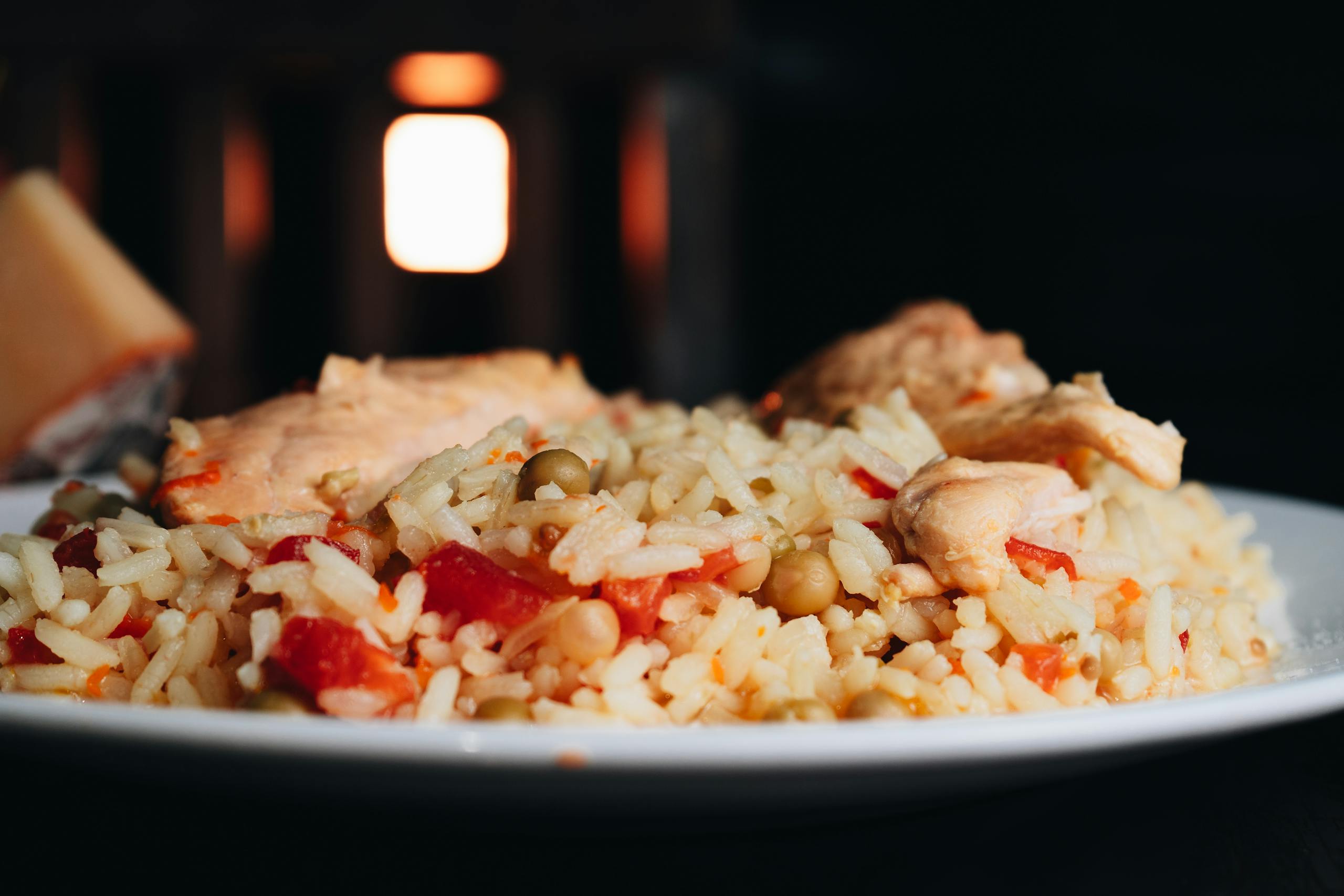
A slow cooker makes it easier for busy households to make homemade dog food by turning basic ingredients into a soft, scoopable batch. Boneless skinless chicken, brown rice, carrots, peas, and pumpkin can be cooked together into a gentle meal that stores well. The texture is especially helpful for older dogs, small dogs, or dogs that dislike hard kibble.
Place the chicken, rinsed rice, chopped carrots, peas, and water in the slow cooker, then cook until the chicken is fully cooked and the rice is tender. Shred the chicken and stir everything together before cooling. Refrigerate portions for a few days and freeze the rest, because homemade food spoils faster than shelf-stable kibble.
Lean Beef Stew for Dogs
Beef stew feels hearty, but the dog version should stay plain and simple. Use lean beef, potatoes, carrots, peas, and water. No bouillon cubes, no onion, no garlic, no wine, no Worcestershire sauce, and definitely no “just a little seasoning” confidence.
Simmer the beef until fully cooked, then add diced potatoes and carrots until tender. Stir in peas near the end so they do not turn into green mush. This is a solid cold-weather batch meal, but it still needs proper supplementation if it becomes more than an occasional homemade dinner.
Senior Dog Turkey and Pumpkin Mash
Senior dogs often need softer textures, controlled calorie intake, and easy-to-chew meals. Ground turkey, pumpkin, cooked rice, blueberries, and soft carrots can be mashed together into a gentle, comforting mash without being heavy. Blueberries should be used in small amounts as a safe fruit add-in, not as the star of the bowl.
Cook the ground turkey until fully cooked, then mix it with soft rice, pumpkin puree, mashed carrots, and a spoonful of blueberries. The result should be moist, not watery. For senior dogs with kidney disease, heart disease, dental disease, or significant weight changes, this recipe should be cleared by a veterinarian first, as older dogs often have medical needs that can be masked by “just getting old.”
Egg, Sardine, and Rice Protein Bowl

Eggs and sardines can make a nutrient-rich base for a homemade meal when used carefully. Eggs should be fully cooked, and sardines should be packed in water with no added salt. This bowl can help dogs that need a strong-smelling meal to spark appetite because sardines have the subtle aroma of “the whole kitchen knows.”
Scramble eggs without butter, oil, or seasoning, then mix with cooked rice, mashed pumpkin, and a small portion of sardines. Check the sardines carefully for salt content and bones. This recipe is best used occasionally, since fish-heavy meals can become unbalanced or too rich if served too often.
Lamb, Barley, and Carrot Dinner
Lamb can be useful for dogs that need variety, though it is often richer than chicken or turkey. Barley adds a chewy, digestible grain, while carrots and zucchini bring color, fiber, and mild flavor. This recipe feels more premium, but it should still be plain and practical.
Cook ground lamb thoroughly and drain excess fat before mixing it with cooked barley, steamed carrots, and zucchini. Keep portions moderate because fatty meals can upset some dogs’ stomachs. Dogs with a history of pancreatitis should avoid richer recipes unless their vet approves them.
Conclusion.
Homemade dog food can be fresher, more flexible, and more satisfying than kibble when we prepare it with care. It gives us control over ingredients, helps picky dogs enjoy mealtime, and makes batch cooking feel useful beyond human leftovers. The best recipes use plain cooked proteins, gentle carbohydrates, dog safe vegetables, and careful storage.
The real win is balance. A homemade bowl can look clean and colorful, but dogs need more than chicken, rice, and good intentions. Use these recipes as strong starting points, then bring a veterinarian or veterinary nutritionist into the plan before making homemade food your dog’s fulltime diet.