Gen Z slang can make a normal conversation feel like someone changed the language settings without warning. One minute, you are reading a family group chat. The next, your niece says “no cap,” your coworker says the meeting was “lowkey cooked,” and someone on TikTok says a guy has “negative rizz.” Suddenly, English feels like it needs a software update.
Older Americans are not confused because they are out of touch. They are confused because slang changes so quickly that they can’t keep up. A word can start on TikTok, jump into school hallways, land in workplace chats, show up on dating apps, and reach Thanksgiving dinner before anyone over 40 has time to Google it.
The funny part is that Gen Z slang is everywhere now. It is in memes. It is in commercials. It is in texts from kids who think punctuation looks too serious. Some slang terms can even go mainstream quickly, which is why one word can feel brand-new one day and overused the next.
Rizz
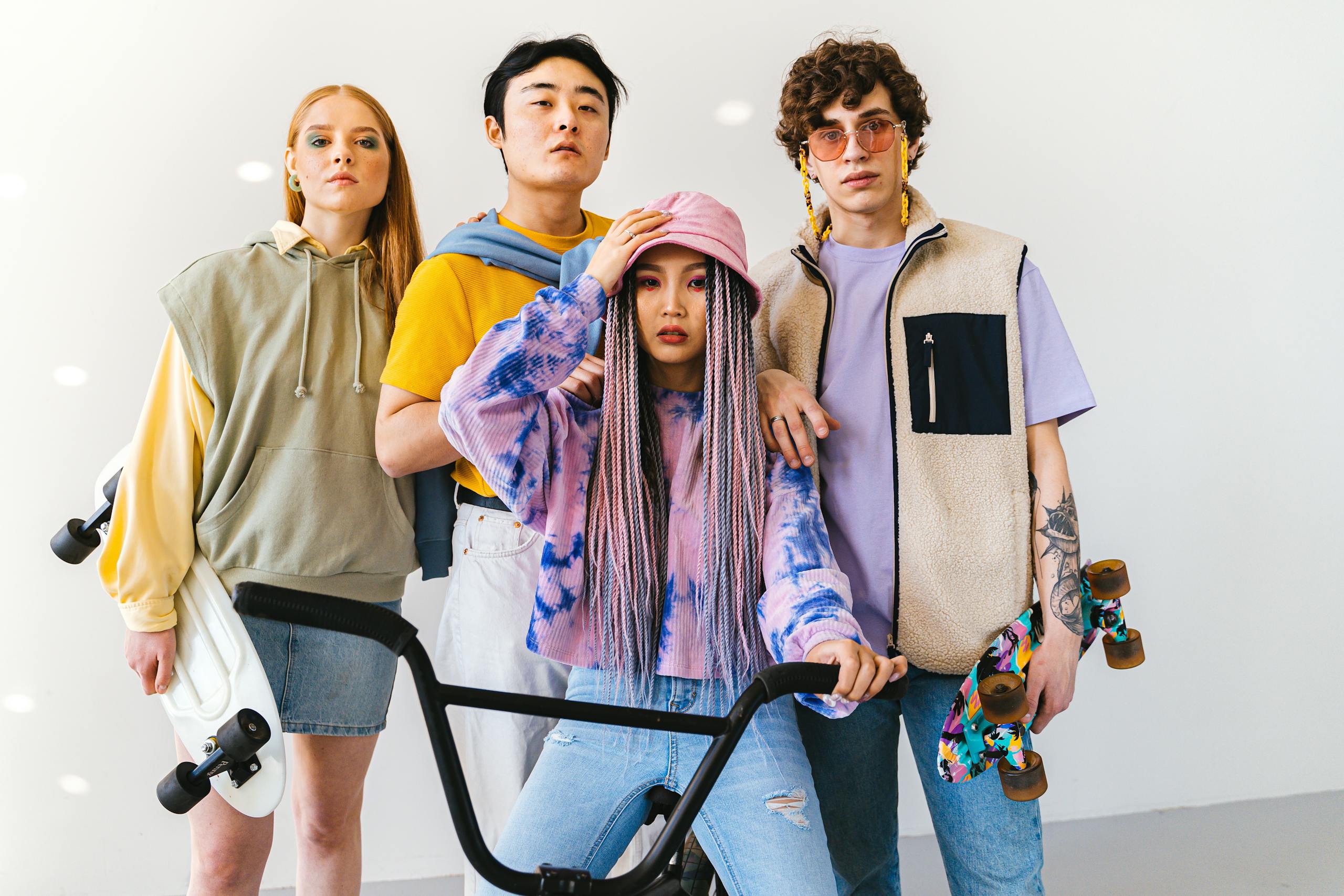
“Rizz” means charm, especially romantic charm. If someone has rizz, they know how to flirt. They know how to talk smoothly. They can pique people’s interest without sounding desperate.
Think of it as charisma in a hoodie. A person with rizz can turn a quick coffee shop conversation into a phone number. A person with no rizz sends “hey” three times and wonders why nothing happened.
Example: “He has no rizz” means he is not smooth at all.
No cap
“No cap” means “I am not lying” or “I am being serious.” It is the Gen Z version of “I swear” or “for real.”
You might hear it after a bold statement. Someone says, “That was the best burger I’ve ever had, no cap.” They are not talking about hats. They are saying they mean it. The phrase means no lie, which makes it one of the easiest slang terms to understand once the meaning clicks.
Example: “This is the worst traffic I’ve ever seen, no cap.”
Bet
“Bet” no longer always means gambling. In Gen Z slang, it usually means “okay,” “deal,” “I agree,” or “say less.”
If someone says, “Meet me at Chipotle at 7,” and the reply is “Bet,” nobody is heading to Vegas. It just means the plan is understood.
Example: “You want to leave after this meeting?”
“Bet.”
Delulu
“Delulu” is short for delusional. It usually describes someone who believes something unrealistic, often humorously.
It shows up a lot in dating. If someone thinks their crush watched their Instagram story because love is clearly forming, their friend might say they are delusional. It is not always cruel. Sometimes it means hopeful in a ridiculous way.
Example: “I’m delulu enough to think he’ll text back.”
Slay

“Slay” means to do something extremely well. It can describe an outfit, a speech, a performance, a comeback, or even a clean kitchen before guests arrive.
Older Americans might say, “You nailed it.” Gen Z says, “You slayed.” It sounds dramatic, but it is usually praise.
Example: “That outfit slays” means the outfit looks amazing.
Ate
“Ate” means someone did very well. If someone “ate,” they impressed people, won the moment, or looked great doing it.
If someone says, “She ate and left no crumbs,” they mean she did so well that there was nothing left to criticize. It is a big praise with restaurant energy.
Example: “She ate that presentation” means she gave an excellent presentation.
It’s giving
“It’s giving” means something has a certain vibe or energy. The phrase is usually followed by a description.
An outfit can be “giving rich aunt.” A messy email can cause panic. A dramatic entrance can be “giving the main character.” It is not always a full sentence, but Gen Z makes it work anyway.
Example: “That jacket is giving celebrity at the airport.”
Main character energy
“Main character energy” means someone is acting like the star of their own movie. Sometimes that is good. Sometimes it is annoying.
A person walking confidently through New York with headphones on may have main character energy. A person making every group dinner about themselves also has it, but in the worst way.
Example: “She walked into the party with main character energy.”
Lowkey

“Lowkey” means secretly, quietly, kind of, or honestly in a casual way. It softens a statement.
If someone says, “I lowkey want to leave,” they probably want to leave but do not want to make it a whole dramatic announcement. It is a gentle confession.
Example: “I lowkey love this show.”
Highkey
“Highkey” is the opposite of lowkey. It means openly, strongly, or very clearly.
If someone is highkey excited, they are not hiding it. If someone highkey hates a restaurant, they probably have a detailed speech ready before the appetizers arrive.
Example: “I highkey need a vacation.”
Cooked
“Cooked” means done, finished, exhausted, doomed, or in trouble. It can describe a person, a plan, a test, a sports team, or an entire Monday morning.
If a student forgot to study for finals, they are cooked. If someone stayed up until 3 a.m. scrolling TikTok before work, they are cooked. If your team is down by 30 points at halftime, it’s also cooked.
Example: “I have no notes for this meeting. I’m cooked.”
Sus
“Sus” means suspicious. It became huge through gaming culture, but now it is everywhere.
If someone’s story does not add up, that is sus. If a coworker suddenly deletes a message after everyone saw it, very sus. If a dating app match says they “never use this app” while being online all day, extremely sus. In simple terms, sus means suspicious or suspect.
Example: “He said his phone died, but he was posting. That’s sus.”
Ghosting

“Ghosting” means disappearing from communication without explanation. It happens in dating, friendships, hiring, and even casual plans.
Older Americans might call it rude. Gen Z calls it ghosting. The person does not say goodbye. They just vanish like the Wi-Fi in a hotel elevator. In dating, ghosting is commonly used to avoid another date by cutting off contact.
Example: “We talked for two weeks, then she ghosted me.”
Situationship
A situationship is more than friendship but less than a real relationship. It usually comes with texting, flirting, confusion, and at least one person wondering, “So what are we?”
This may be one of the most painfully modern dating words. There may be feelings. There may be jealousy. There may be dates. But there is no clear label, and somehow that is the whole problem.
Example: “They’ve been in a situationship for six months.”
The Gen Z stare
The Gen Z stare is the blank, silent look someone gives when a response is expected. Older Americans often notice it in stores, classrooms, restaurants, or awkward conversations.
It can look rude from the outside. Sometimes it is awkwardness. Sometimes it is processing. Sometimes it is simply not knowing what to say. Either way, the term describes an unblinking vacant expression that has become its own cultural joke.
Example: “I asked where the bathroom was and got the Gen Z stare.”
Conclusion
Gen Z slang may sound strange at first, but every generation has had its own secret code. Older Americans had groovy, rad, wicked, cool beans, phat, and talk-to-the-hand. Every generation thinks the next one sounds ridiculous until its own old slang comes back as nostalgia.
The difference now is speed. Slang does not take years to spread anymore. It jumps from TikTok to school, from gaming streams to group chats, from dating apps to workplace messages, and from memes to dinner tables almost overnight.
So the next time someone says “no cap,” “bet,” or “I’m cooked,” do not panic. Listen to the context. Watch the reaction. Ask if you need to.
And honestly, learning a few of these terms might save you from feeling completely cooked the next time a younger person says something that sounds like it escaped from the internet.