You show up, you sweat, you leave the gym feeling like you did something serious. Then the mirror gives you the same old answer. Your clothes fit the same, your energy still crashes, and the scale behaves like it signed a loyalty contract with your starting weight.
That is the part nobody likes to admit about fitness. Working out can be powerful, but a workout only works when the rest of the routine supports it. If your progress has stalled, one of these common habits may be quietly stealing the results you thought you were earning.
You Keep Doing the Same Comfortable Workout

A workout that once felt brutal can become background noise for your body. At first, your usual walk, treadmill session, cycling class, or home routine may challenge your muscles and lungs. After weeks or months, your body adapts, becomes more efficient, and burns through the same session with less effort.
That does not mean your old routine is useless. It means it needs a little pressure. You can increase the incline, add resistance, extend the session slightly, try intervals, or switch to a different type of exercise altogether. Progress usually begins again when your body has a new reason to respond.
You Are Moving, but Not Pushing Hard Enough
There is a difference between activity and training. A casual workout may improve your mood and keep you in motion, but it may not be enough to change strength, endurance, or body composition. Many people stay in the safe middle zone where the workout feels busy, but never truly challenging.
You do not need to destroy yourself to see results. You do need moments where your body has to work harder than usual. That could mean lifting heavier weights, walking faster, shortening rest periods, or choosing exercises that make the final few reps feel demanding. The magic is not in suffering, but in giving your body a clear signal to grow stronger.
You Are Working Too Hard Without Recovery

Some people stall because they are not doing enough. Others stall because they never stop. If every workout is intense, every rest day feels guilty, and every sore muscle gets ignored, the body may start pushing back. Fatigue, poor sleep, crankiness, constant soreness, and declining performance can all be signs that your fitness plan has crossed into burnout.
Recovery is not laziness. It is where repair happens. Muscles need time to rebuild, joints need a break from repeated stress, and your nervous system needs space to reset. A smart routine includes easier days, rest days, stretching, sleep, hydration, and meals that actually support the work you are doing.
Your Diet Is Fighting Your Workout
Exercise can build strength, improve heart health, boost energy, and sharpen your mood. Still, it cannot fully outrun a chaotic diet. If your meals are too low in protein, too high in random snacking, or too inconsistent, your body may lack the fuel it needs to perform and recover.
The issue is not perfection. The issue is alignment. If your goal is fat loss, your eating pattern needs to support that goal. If your goal is muscle, your body needs enough protein and overall food to build muscle. A workout opens the door, but your daily meals decide how far you walk through it.
You Only Do Cardio and Avoid Strength Training

Cardio is great for the heart, mood, endurance, and calorie burn. The problem comes when it becomes the whole plan. If you only walk, run, cycle, or use the elliptical, you may improve fitness without building the muscle that gives the body more shape and strength.
Strength training changes the conversation. Squats, lunges, rows, pushups, deadlifts, resistance bands, and weight machines all help train muscles that cardio may not challenge enough. You do not need to become a bodybuilder. You just need to give your muscles enough work to stay firm, useful, and metabolically active.
You Reward Every Workout With Too Much Food
This one feels unfair, but it is common. A hard workout can make a person feel like they have earned a big food reward. The trouble is that many treats contain far more calories than the workout burned, especially after short or moderate sessions.
That does not mean food should become punishment. It means the reward system needs a reset. Instead of asking what your workout allows you to eat, ask what will help your body recover and feel good tomorrow. A satisfying meal with protein, fiber, and healthy carbs will usually serve your goals better than turning every gym session into a dessert coupon.
You Trade Sleep for Exercise
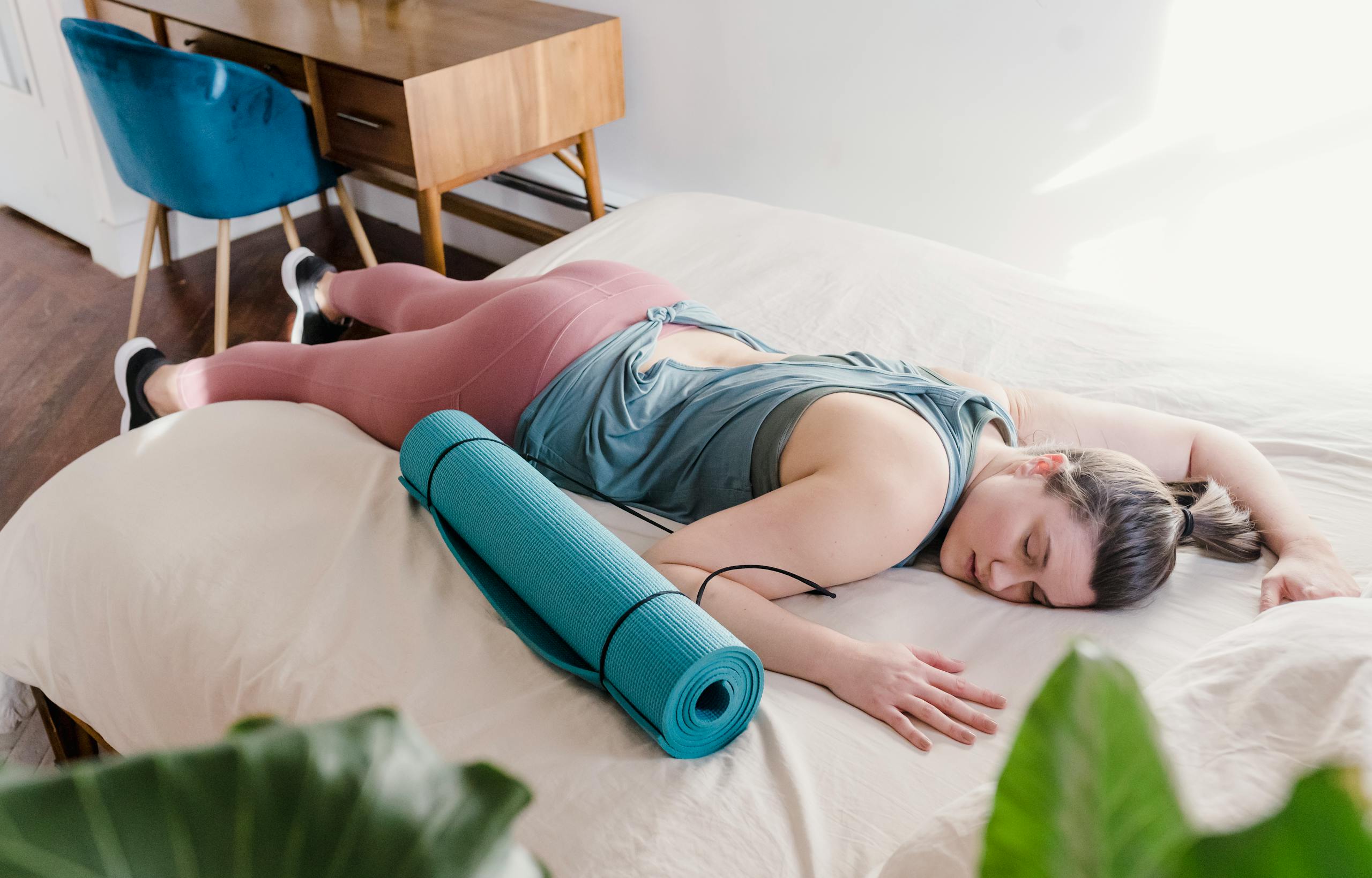
Early workouts can be excellent, but not when they constantly rob you of sleep. Poor sleep can affect hunger, cravings, energy, motivation, recovery, and workout quality. If you are dragging yourself through exercise on too little rest, your body may be too tired to respond the way you want.
Sleep is part of the fitness plan, not a luxury outside it. A rested body trains harder, recovers faster, and makes better food choices. If your only workout window requires chronic sleep loss, it may be smarter to shorten the workout, move it to another time, or focus on consistency instead of forcing a routine your body cannot sustain.
You Sit Too Much Outside the Gym
A workout can be strong and still get buried under a day of sitting. Many people exercise for 30 or 40 minutes, then sit at a desk, in the car, through dinner, and on the couch until bedtime. The body notices the full day, not just the workout window.
Small movements matter more than people think. Standing between tasks, taking short walking breaks, using stairs, stretching during TV time, parking farther away, or walking after meals can help keep your body active beyond the gym. Fitness works better when movement becomes part of the day, not one isolated appointment.
Conclusion
If your workout is not working, it does not mean you failed. It usually means one part of the routine is out of balance. Maybe your body needs a harder challenge, more recovery, better food, more strength training, or less sitting during the day.
The best fitness plans are not dramatic. They are honest, repeatable, and built around what your body can actually sustain. Once your workouts, meals, sleep, and daily movement start working together, progress feels less mysterious and much more possible.