The New Jersey ICE protests reveal more than anger outside a detention center. They show a country struggling to decide what safety, dignity, law, and compassion should look like in real life. Behind the chants and police lines sits a bigger American story, and it touches politics, family values, faith, fear, and the way people treat strangers.
America Is Still Split Over What Justice Means

The New Jersey ICE protests reveal a painful truth about justice in America. Some people see detention as necessary enforcement, while others see it as a moral crisis. Both sides arrive with strong feelings, and neither side seems ready to blink.
That divide turns a local protest into a national mirror. People are not only arguing about policy, but also about what kind of country they believe they live in. Is justice mainly about order, or should it begin with mercy?
This is why the scene feels bigger than Newark. The debate carries old questions about borders, belonging, punishment, and human worth. America keeps returning to those questions because the answers still divide dinner tables.
Detainee Conditions Can Become A National Flashpoint
The protests gained attention because people inside the facility raised concerns about their living conditions. Claims about food, medical care, sanitation, and safety hit a nerve because they sound deeply personal. Nobody hears those concerns and thinks only about paperwork.
When detention conditions enter the public conversation, politics turns human very fast. People begin picturing meals, bathrooms, beds, air, fear, and illness. That is when a policy story becomes a kitchen table story.
The harsh lesson is simple. A detention center may sit behind walls, but public trust does not remain outside them. If people believe basic dignity has failed inside, outrage can spread quickly.
Protest Culture Has Become America’s Public Language
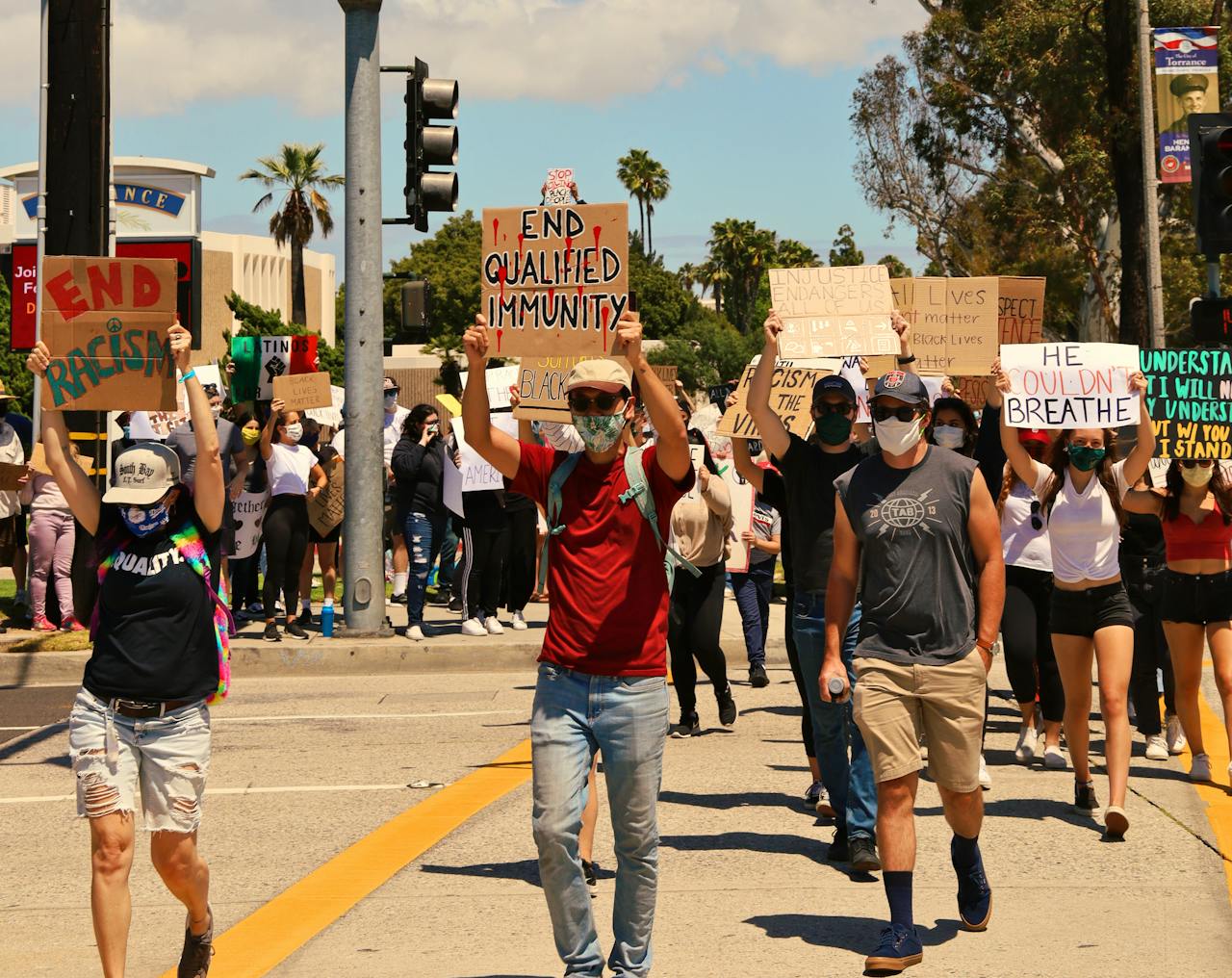
Americans now protest almost everything that feels morally urgent. That can be powerful, messy, loud, and sometimes exhausting. Still, protest remains a way people say they refuse to look away.
The New Jersey ICE protests show how public action can shift attention fast. A facility that many people ignored suddenly becomes part of a national conversation. That is the strange power of bodies gathering in public space.
Of course, protests also bring tension. Crowds can invite counter crowds, cameras, police, and viral clips. FYI, America rarely debates quietly when identity and immigration enter the room.
Law Enforcement Is Caught In The Middle
Police and federal agents often become the visible face of a bigger conflict. They stand between protesters, counter protesters, officials, and a public watching from home. That position can turn every move into a headline.
People who support enforcement may see officers as protectors. People angry about detention may see the same officers as symbols of a harsh system. That gap creates a dangerous emotional storm around uniforms.
The result can make everyone more tense. Officers feel watched, protesters feel threatened, and families worry the scene may escalate. What starts as a policy dispute can quickly become a public safety test.
Immigration Has Become A Moral Identity Issue
Immigration no longer sits only inside legal documents and campaign speeches. For many Americans, it now speaks to identity, faith, fairness, labor, safety, and national belonging. That is why the topic can ignite emotion so fast.
Some people approach immigration through law and border control. Others approach it through compassion, scripture, family separation, and human vulnerability. Both sides often believe they hold the moral high ground.
That makes compromise harder. When people see their view as a moral duty, disagreement feels like betrayal. No wonder the temperature rises whenever ICE appears in the news.
Private Detention Raises Trust Questions
Private detention adds another layer to the debate. When a facility connected to immigration enforcement is also privately managed, many Americans start asking who benefits. That question can make an already tense issue feel even more troubling.
People may worry that human confinement should never mix with business interests. Others argue that private operators can provide services that government agencies need. Either way, the arrangement can make it harder to maintain public trust.
The New Jersey ICE protests reveal that transparency matters. If families, advocates, and officials feel shut out, suspicion grows. Trust cannot survive on vague reassurance alone, especially when people’s lives are involved.
Viral Outrage Can Move Faster Than Facts
Modern America processes conflict through phone screens. A short video can shape public opinion before longer reports appear. That speed can help expose problems, but it can also flatten complicated situations.
The protest story spread because it carried emotion, conflict, and sharp visuals. Those ingredients travel quickly online, especially when politics is already hot. Algorithms love drama because, apparently, peace is terrible for engagement.
This creates a tough challenge for readers. People need urgency, but they also need patience. Without both, the public may react before understanding what truly happened.
Faith And Compassion Are Back In The Debate

Many Americans see immigration through a spiritual lens. They think about hospitality, strangers, suffering, mercy, and the duty to protect vulnerable people. Those values do not disappear just because a story involves federal policy.
At the same time, other Americans link faith with law, order, and responsibility. They may believe compassion should not cancel enforcement. That disagreement can feel especially sharp because both sides may claim moral seriousness.
The protests reveal how deeply faith still shapes public life. Even people who avoid religious language often talk about dignity and conscience. America may argue through politics, but morality sits underneath the argument.
Local Communities Carry The National Burden
National immigration decisions often land in specific neighborhoods. Newark becomes the place where federal policy, local frustration, family fear, and public protest collide. That is a heavy burden for any city.
Residents may worry about traffic, safety, policing, and unrest. Advocates may worry about detainees and families waiting for answers. Local leaders must manage both the emotional heat and the practical chaos.
This is where national debates stop being abstract. A policy made far away can reshape a block, a commute, a business, or a family routine. America argues nationally, but communities absorb the impact locally.
America Still Struggles To Hold Two Truths

The hardest part of the New Jersey ICE protests is that America struggles to hold competing truths. A country can need laws and still owe people humane treatment. A nation can protect its borders and still face moral questions about detention.
Too often, public debate demands a team jersey. People feel pushed to choose between enforcement and compassion, order and dignity, safety and mercy. Real life rarely fits that clean little box, despite what political shouting suggests.
The protests show why nuance matters. The country needs honest questions about conditions, accountability, safety, and law. It also needs enough emotional maturity to stop turning every disagreement into a cage fight.
Conclusion
The New Jersey ICE protests reveal a country wrestling with its own conscience. This is not only a story about a detention center in Newark. It is also about what Americans tolerate, defend, question, and demand when vulnerable people sit behind locked doors.
The anger outside the facility reflects a much wider unease. People are arguing about immigration, but they are also arguing about dignity, power, fear, safety, faith, and trust. That is why the story feels so charged and so difficult to ignore.
America does not need more noise for the sake of noise. It needs clear facts, humane standards, accountable leadership, and space for peaceful protest. If the country cannot handle those basics, the problem is bigger than any single facility.