Some of the most serious food-related dangers are impossible to spot on a plate. A beautifully prepared fish, a tropical fruit, or a seemingly ordinary seafood dish can carry risks that appearance and flavor cannot reveal. Sometimes the difference comes down to proper processing. Other times, even cooking cannot remove the danger.
The consequences are not hypothetical. According to the Centers for Disease Control and Prevention, a cassava-related poisoning outbreak in Uganda in September 2017 involved 98 probable cases and two deaths.
But these nine foods don’t carry identical risks, and they aren’t ranked by how deadly they are. Some are dangerous only under particular conditions, while others pose serious concerns for specific groups of people.
Pufferfish: A Delicacy With a Dangerous Secret
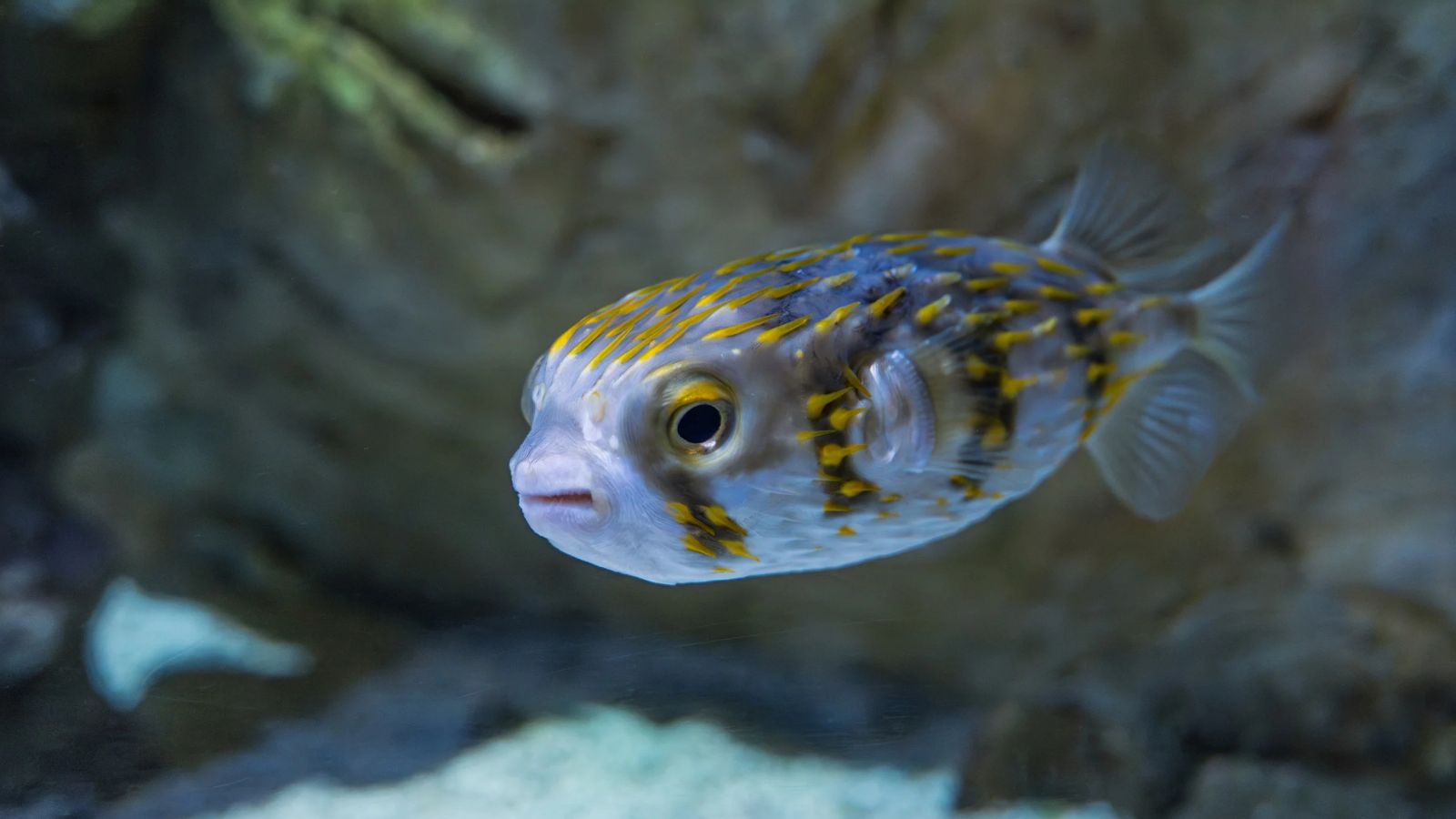
Pufferfish, known as fugu in Japanese cuisine, contains a particularly dangerous natural toxin called tetrodotoxin. It can interfere with nerve signaling, potentially causing paralysis and respiratory failure.
The toxin is especially concerning because it resists ordinary kitchen methods. According to the FDA’s import guidance, neither cooking nor freezing destroys it. A 1996 CDC investigation documented three California chefs who became ill after eating contaminated ready-to-eat fugu brought from Japan. All three survived.
The FDA restricts pufferfish imports and prohibits personal importation. That doesn’t mean all forms of fugu are illegal in the United States, but it does explain why the food is so strictly controlled.
Improperly Harvested Ackee: When Ripeness Matters
Ackee plays an important role in Jamaican cuisine, but the fruit’s condition matters enormously. The FDA explains that ackee contains hypoglycin A, a heat-stable toxin capable of causing severe poisoning. Dangerous concentrations can occur in unripe fruit and in parts that should never be eaten.
Reactions can include vomiting, dangerously low blood sugar, coma, and death. However, properly harvested and prepared ackee contains low toxin levels and can be eaten safely.
That’s the distinction worth remembering. Ackee itself is not automatically poisonous simply because it appears on a dinner plate. The danger lies in improper harvesting or processing, and ordinary cooking cannot reliably correct those mistakes.
Improperly Processed Cassava: A Staple That Requires Care
Cassava is an important food crop, but certain varieties contain compounds that can release cyanide if processing is inadequate. The danger became tragically clear during a 2017 outbreak in Uganda’s Kasese District.
A CDC investigation published in 2019 identified 98 probable poisoning cases and two deaths. Investigators linked the outbreak to cassava flour with unusually high cyanide content. The implicated food was prepared with hot water, showing that serving a cassava dish hot doesn’t automatically mean the raw material was adequately processed.
Cassava remains an important staple in many communities. The lesson focuses on preparing and sourcing specific cassava products, not a blanket warning against every cassava dish.
Misidentified Wild Mushrooms: The Risk of a Wrong Guess
Wild mushrooms can make a meal feel wonderfully connected to nature. Unfortunately, some poisonous varieties can closely resemble edible ones, leading to dangerous mistakes.
The World Health Organization warns that severe mushroom poisoning may cause symptoms to appear six to 24 hours or more after consumption. Certain toxins can damage organs and cause fatal illness. Cooking or peeling does not reliably deactivate them.
That makes identification especially important. A mushroom’s appearance, appealing aroma, or resemblance to an edible species cannot prove it is safe to eat. Don’t confuse commercially sold edible mushrooms with unidentified wild specimens. The danger here is accidentally consuming a poisonous species.
Related: 7 Foods You Should Never Wash Before Cooking
Raw Oysters: When Appearance Cannot Reveal Contamination
Few seafood dishes look as elegant as freshly shucked oysters resting on ice. Unfortunately, raw oysters can contain Vibrio bacteria without looking, smelling, or tasting unusual. The CDC reports that approximately one in five people infected with Vibrio vulnificus die. That figure applies to people with this infection, not to one in five oyster eaters.
People with certain underlying medical conditions face greater risks of severe illness. Neither lemon juice nor hot sauce destroys the bacteria. Alcohol doesn’t eliminate the risk either, and infections can occur throughout the year.
Proper cooking kills harmful Vibrio bacteria. The warning applies specifically to raw or inadequately cooked oysters, not every oyster dish.
Raw Apricot Kernels: Not the Same as Apricot Flesh
Apricots may seem like an unlikely addition to a discussion of dangerous foods. However, the concern isn’t the familiar sweet fruit. It’s the kernel inside the hard stone. Apricot kernels contain amygdalin, which can release cyanide after ingestion. The European Food Safety Authority warns that severe cyanide poisoning can be fatal.
In May 2024, the FDA issued a warning concerning three identified Apricot Power bitter-kernel products after laboratory findings showed high amygdalin levels. Those findings documented a serious potential hazard, not confirmed deaths associated with the three products.
The edible flesh of an apricot differs from its raw kernel. Confusing the two would turn a specific warning into an unnecessarily frightening claim about the entire fruit.
Starfruit: A Particular Concern for People With Kidney Disease
Starfruit gets its name from the striking star shape revealed when you slice it. Yet this attractive tropical fruit carries an important warning for people with kidney disease. According to the National Kidney Foundation, starfruit contains a toxin that can build up when the kidneys can’t remove it effectively.
Severe reactions can include confusion, seizures, and death. A medical case report published in 2023 described a fatal poisoning involving a 74-year-old woman with chronic kidney disease and diabetes after she consumed starfruit.
That case establishes that a fatal event occurred, but it doesn’t establish a universal risk for every consumer. The National Kidney Foundation advises people with kidney disease to avoid starfruit.
Raw Milk: A Familiar Drink With Documented Outbreaks
Milk may seem ordinary compared with pufferfish or poisonous mushrooms. However, raw milk hasn’t undergone pasteurization, a process that reduces harmful microorganisms.
The FDA reports that CDC surveillance identified 202 outbreaks associated with drinking raw milk between 1998 and 2018. Those outbreaks caused 2,645 reported illnesses and 228 hospitalizations.
Raw milk can carry pathogens including Campylobacter, E. coli, Listeria, and Salmonella. Severe infections can sometimes be fatal. These are historical outbreak totals, not annual figures or a complete account of every illness. The documented concern is microbial contamination, which pasteurization is designed to reduce.
Reef Fish Contaminated With Ciguatoxins: A Hidden Seafood Hazard
Certain reef fish can carry ciguatoxins, naturally occurring marine toxins that enter the food chain. The World Health Organization identifies barracuda, black grouper, and dog snapper among species associated with ciguatera poisoning. The problem isn’t that every fish belonging to those species is poisonous. Contaminated fish can look entirely ordinary.
According to the CDC’s Yellow Book, the death rate among people with ciguatera poisoning is below 0.1%, although severity varies with toxin exposure and access to medical care. Cooking, freezing, and other conventional preservation methods do not destroy ciguatoxins.
Fatal outcomes are uncommon, but the possibility makes this a serious food-sourcing concern, not a problem you can solve by simply cooking fish longer.
What These Foods Teach Us About Kitchen Safety
The most important lesson isn’t that familiar or traditional foods should automatically be feared. It’s that different foods require different precautions.
For ackee and cassava, appropriate harvesting and processing matter. With wild mushrooms, correct identification is essential. For raw oysters and milk, microbial contamination is the concern, while starfruit presents a specific warning for people with kidney disease.
The FDA emphasizes that many foods containing natural toxins can be safe when properly grown, harvested, or prepared.
These nine examples remind us that food safety depends on understanding the actual hazard, not on appearance, smell,, or an alarming headline. If poisoning is suspected, seek medical or poison-control assistance promptly rather than attempting to test the food or treat the problem at home.