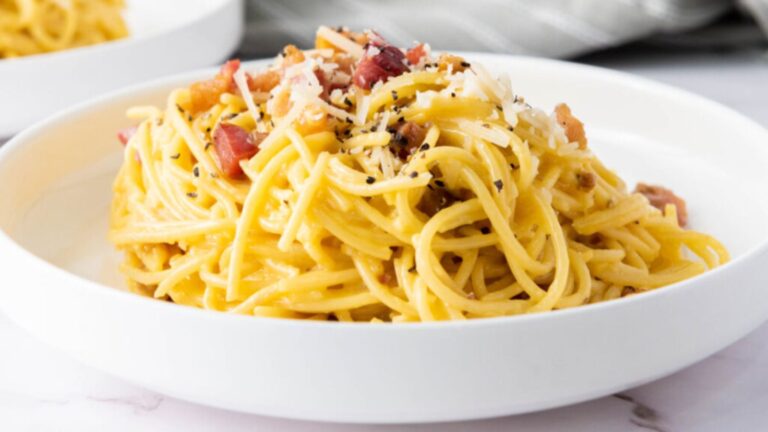
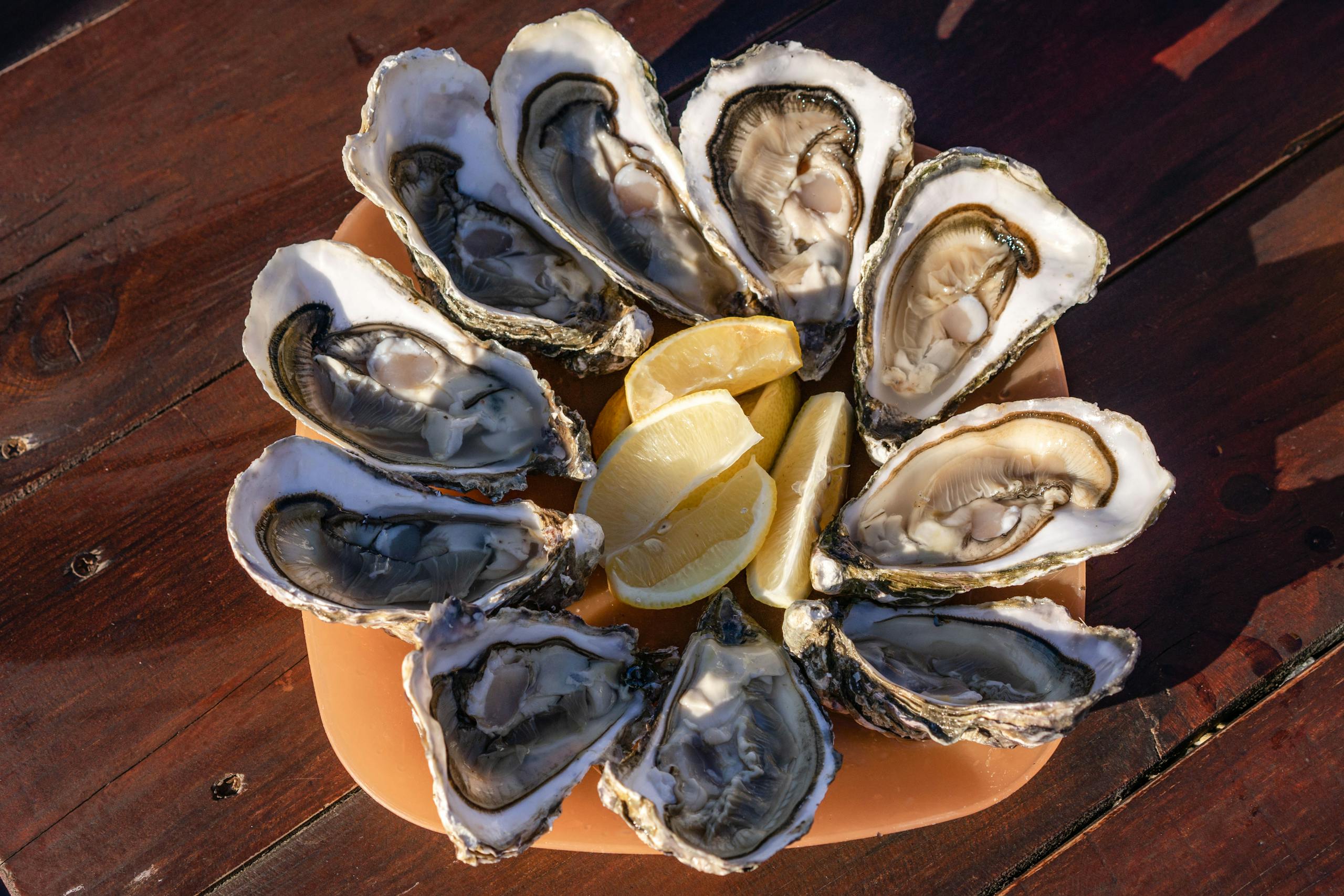
A plate of raw oysters often arrives looking like a celebration. The shells rest on crushed ice, lemon wedges brighten the tray, and diners may add hot sauce before swallowing each oyster. Nothing about the presentation suggests that a naturally occurring marine bacterium could be hiding inside.
Yet Florida health officials are again warning residents and visitors about Vibrio vulnificus, a rare but potentially deadly bacterium found in warm saltwater and brackish water. Earlier reports counted 12 confirmed infections and one death in Florida during 2026. The state’s figures have since risen.
As of August 6, it was reported 14 confirmed cases and two deaths this year. One death was recorded in Palm Beach County and the other in Marion County.
The updated numbers do not amount to a widespread outbreak, and officials have not said that all the patients became infected by eating seafood. However, the cases carry a serious warning during a season filled with beach trips, fishing, boating and raw oyster dinners.
People can contract Vibrio vulnificus in two main ways: eating raw or undercooked shellfish, particularly oysters, or allowing an open wound to come into contact with coastal water or raw seafood juices.
Health officials have not publicly identified the people who died or disclosed exactly how they contracted the bacterium. That distinction matters. The known connection to oysters does not prove that oysters caused every case or either death.
Florida’s numbers have changed since the first warning.
Florida’s first reported Vibrio vulnificus death of 2026 occurred in Palm Beach County. At the time, state data showed infections across several parts of Florida, including Hillsborough, Lee, Marion, Miami-Dade, Okaloosa, Palm Beach, Polk and St. Johns counties.
The latest state table lists cases in additional counties. As of August 6, Florida had recorded two cases in Marion County, including one death, and two cases in Palm Beach County, also including one death. Other infections were reported in Bay, Brevard, Hillsborough, Lee, Miami-Dade, Okaloosa, Polk and St. Johns counties.
The rising total shows why dates matter when reporting an active public health situation. A headline announcing 12 illnesses and one death accurately described an earlier snapshot. It no longer represents Florida’s most recent official count.
Even so, the state remains well below the unusually high figures recorded in some recent years. Florida documented 82 cases and 19 deaths in 2024, when hurricanes and flooding contributed to dangerous exposure conditions in several Gulf Coast counties. In 2025, the state reported 33 cases and five deaths.
Those comparisons should not make the current cases appear unimportant. Vibrio vulnificus infection is uncommon, but severe illness can develop with startling speed.
The Centers for Disease Control and Prevention says about one in five people with this particular infection dies, sometimes within one or two days of becoming ill. Some patients require intensive care, emergency surgery or amputation to remove dead or infected tissue.
Florida health officials say bloodstream infections can be fatal in roughly half of affected patients. The different percentages refer to different groups. The CDC’s one-in-five estimate covers Vibrio vulnificus infections broadly, while Florida’s higher figure refers specifically to infections that have entered the bloodstream.
That is the dividing line between a frightening headline and a useful public warning. The bacterium is not lurking in every oyster or washing over every beachgoer. Still, when it reaches a vulnerable person’s bloodstream or enters damaged skin, the consequences can become severe very quickly.
Why oysters receive so much attention
Oysters are filter feeders. They pull water through their bodies to collect food, which means bacteria naturally present in that water can become concentrated in their tissues. An oyster carrying Vibrio may still look, smell, and taste completely normal.
A squeeze of lemon cannot reveal the danger. Neither can hot sauce, alcohol or a restaurant’s reputation. Proper cooking is the reliable way to kill harmful bacteria in oysters.
The risk is not limited to seafood from visibly polluted water. Vibrio occurs naturally in coastal environments, particularly when the water is warm. Its presence does not automatically mean a restaurant, seafood seller, or harvesting operation broke safety rules.
Raw oysters, however, remove the protective step that heat provides.
Most people who develop vibriosis after eating oysters experience symptoms such as watery diarrhea, stomach cramps, nausea, vomiting, fever or chills. Some infections remain relatively mild. Vibrio vulnificus can behave differently, especially in people with chronic liver disease, diabetes, cancer, weakened immune systems or other underlying medical conditions.
The bacterium can move from the digestive system into the bloodstream, potentially causing fever, chills, dangerously low blood pressure and blistering skin lesions. Once that happens, a meal associated with pleasure can turn into a medical emergency.
Cooking does not mean oysters must lose their place on the menu. It means diners have safer ways to enjoy them. Florida advises boiling oysters in the shell until they open and continuing to boil them for another five minutes. When steaming, officials recommend continuing for nine minutes after the shells open. Shells that remain closed should be discarded.
For shucked oysters, the state recommends boiling for at least three minutes or frying in oil for at least 10 minutes at 375 degrees Fahrenheit. Cooked seafood should also be kept away from raw seafood and its juices to prevent cross-contamination.
People at higher risk of severe infection have the strongest reason to avoid raw oysters entirely. A tray served over ice may appear chilled and fresh, but cold temperatures do not provide the same protection as thorough cooking.
The beach can also become an entry point.
The seafood connection attracts attention because oysters are popular and the risk feels unexpected. Yet many Vibrio vulnificus infections begin without anyone eating shellfish.
The bacterium can enter through broken skin exposed to warm saltwater or brackish water. Brackish water forms where fresh water and seawater mix, including estuaries, coastal rivers and areas near river mouths.
An “open wound” does not have to mean a dramatic injury. includes cuts, scrapes, recent surgical sites, piercings and tattoos. A small fishing-hook puncture, an irritated blister or a scrape on the foot may provide an opening.
People can also expose a wound while handling raw seafood. Oyster shells are sharp, and seafood drippings can contain bacteria. Gloves offer useful protection for workers, home cooks and recreational fishers handling raw shellfish.
The warning becomes especially important after hurricanes, storm surges and coastal flooding. Floodwater can mix saltwater, sewage, debris and bacteria while hiding objects capable of cutting the skin. Florida saw an unusual increase in cases following Hurricane Ian in 2022 and another rise connected to areas affected by Hurricane Helene in 2024.
Anyone with a wound should avoid saltwater or brackish water when possible. If contact cannot be avoided, the CDC recommends covering the area with a waterproof bandage. Cuts exposed to coastal water or raw seafood should be washed immediately with soap and clean running water.
Signs of a wound infection include increasing redness, pain, swelling, warmth, discoloration, leaking fluid, or fever. Those symptoms should not be treated as a wait-and-see problem after recent coastal-water exposure.
The CDC advises people with symptoms of a Vibrio bloodstream or wound infection to seek emergency medical care immediately. Patients should clearly tell the clinician about any recent raw seafood consumption or exposure to saltwater, brackish water, or seafood juices. That information can help medical teams recognize the possible cause and begin treatment quickly.
“Flesh-eating” is dramatic, but the danger is real.
The phrase “flesh-eating bacteria” sounds as though the organism literally consumes human flesh. That is not an accurate description of what happens.
Some Vibrio infections can cause necrotizing fasciitis, a rapidly progressing infection in which tissue around a wound dies. Vibrio vulnificus is one possible cause, but it is not the most common one. The CDC says group A Streptococcus bacteria are believed to cause most necrotizing fasciitis cases in the United States.
That context does not make Vibrio harmless. It prevents a powerful nickname from replacing the medical facts.
The bacterium is not known to spread from one person to another. A person does not contract it by sitting near an infected patient, sharing a table or swimming beside someone who later becomes ill. The recognized risks involve contaminated seafood, coastal water and exposure through the digestive tract or broken skin.
Florida’s 2026 cases are also not proof that every raw oyster currently being served is contaminated. No broad statewide oyster recall was identified in the health department’s case update, and officials have not publicly connected the two deaths to a single restaurant, seafood supplier or harvesting area.
What the numbers provide is a seasonal warning grounded in familiar activities. Summer heat draws people toward the water and creates favorable conditions for bacteria that already live there. Raw bars become inviting. Fishing trips grow longer. A small cut can seem too minor to interrupt a beach day.
That combination is where risk hides.
The practical response is not panic. It is choosing cooked shellfish, preventing raw seafood juices from touching cooked food, protecting cuts from coastal water, and taking fast-moving symptoms seriously.
Florida’s increase from 12 cases and one death to 14 cases and two deaths is a grim reminder that public health totals can represent people whose ordinary meals or coastal outings ended in medical emergencies. The bacterium may be rare, but it leaves little room for delay when severe infection begins.
For seafood lovers and beachgoers, the safest message is also the simplest: cook the oysters, cover the wound, and do not ignore rapidly worsening symptoms.