A postgame photograph involving Sophie Cunningham and Riley Gaines has exploded into a national debate, drawing a sharp response from Megan Rapinoe and reigniting one of the biggest arguments in modern athletics.
A single image captured after an Indiana Fever game has become the center of a much larger conversation about women’s sports, transgender athlete policies and the future of competition.
Indiana Fever guard Sophie Cunningham found herself at the center of the controversy after posing for a photograph with former NCAA swimmer Riley Gaines following the Fever’s matchup against the Minnesota Lynx.
The moment quickly spread across social media, attracting strong reactions from supporters and critics on both sides of the debate. Former U.S. women’s national soccer team star Megan Rapinoe later responded, arguing that the photograph revealed more about Cunningham’s views than Cunningham had publicly explained.
What began as a brief postgame interaction has now become another major chapter in America’s ongoing debate over who should compete in women’s sports and how fairness should be defined.
Megan Rapinoe criticizes Sophie Cunningham after Riley Gaines photo
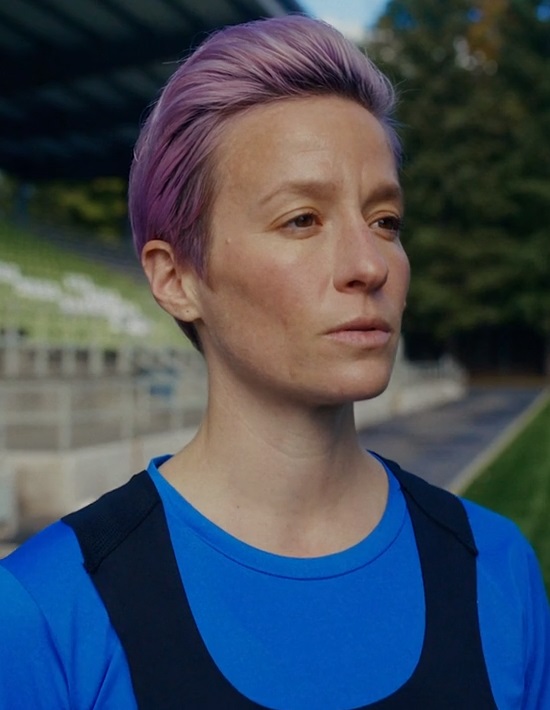
Daniel Nickson, CC BY 3.0, via Wikimedia Commons
Megan Rapinoe addressed the controversy on her podcast, Why Are You Like This?, where she discussed the broader debate surrounding transgender athletes in sports. She said she did not personally know Cunningham but believed the photograph provided insight into the Fever player’s position.
Rapinoe questioned how Cunningham could express support for transgender people while also appearing publicly with Gaines, who has become one of the strongest voices opposing transgender women competing in female sports categories.
Her comments quickly transformed the photograph into a symbol for a much larger cultural disagreement. Supporters of Cunningham argued athletes should be able to meet with people who share concerns about women’s sports without being judged by association.
Critics argued that standing beside Gaines represented support for a movement they believe threatens transgender athletes’ ability to participate. The disagreement showed how athletes today are often judged not only by their own words but also by the people they publicly support.
Sophie Cunningham’s views placed her in the middle of the debate
The controversy surrounding Cunningham did not begin with the photograph. The Indiana Fever guard had already spoken publicly about transgender participation in women’s sports before the image gained national attention.
Cunningham has argued that female athletes deserve protections and that women’s sports categories should remain based on biological sex. She has also rejected claims that her position comes from hostility toward transgender people.
Instead, Cunningham has said it is possible to respect transgender individuals while supporting separate categories designed to protect female competition. That argument has become one of the central disagreements in the national conversation.
Supporters believe women’s sports exist because biological differences can affect athletic performance. Opponents argue that restricting transgender participation creates unfair barriers for athletes who want equal opportunities.
Riley Gaines became a leading figure in the women’s sports debate
Riley Gaines became nationally known after competing against University of Pennsylvania swimmer Lia Thomas at the 2022 NCAA championships. Thomas became the first openly transgender athlete to win an NCAA Division I individual championship after winning the women’s 500 yard freestyle title.
Gaines competed in the same championship event and later became one of the most visible advocates for keeping women’s sports categories based on biological sex. Her activism transformed her from a college athlete into a national figure involved in sports policy discussions.
Supporters of Gaines believe she is defending opportunities created for female athletes. Critics argue her advocacy contributes to policies that exclude transgender athletes from competition.
That history explains why her photograph with Cunningham created such a strong reaction. For many people following the debate, the image represented far more than two athletes meeting after a basketball game.
The rules surrounding transgender athletes have changed since 2022
The controversy arrives during a period of major change in sports policy. When Gaines and Thomas competed at the NCAA championships, transgender participation rules varied depending on the organization and sport.
Since then, several states have passed restrictions involving transgender participation in girls’ and women’s sports. Those policies have led to legal battles and intense national discussions about fairness and inclusion.
The NCAA later changed its transgender athlete participation policy, limiting women’s competition eligibility based on sex assigned at birth while allowing certain forms of team involvement. The shift marked a significant change from the environment that existed during the Thomas controversy.
The legal debate has also expanded, with courts increasingly weighing questions about how states and organizations can regulate athletic eligibility. The Cunningham and Gaines controversy is unfolding during one of the most important periods of change in women’s sports history.
Title IX remains at the center of the disagreement
Much of the debate surrounding women’s sports involves competing interpretations of Title IX. The federal law, passed in 1972, helped expand athletic opportunities for women and girls by prohibiting sex discrimination in education programs receiving federal funding.
Supporters of sex based sports categories argue Title IX created separate women’s competitions because female athletes needed protection from unequal opportunities. They believe maintaining those categories is necessary to preserve the purpose of the law.
Supporters of transgender inclusion argue Title IX is designed to prevent discrimination and ensure students have equal access to educational opportunities. They believe excluding transgender athletes conflicts with the broader goal of equality.
Both sides argue they are protecting women’s sports. The disagreement comes from different definitions of what that protection should look like.
Why the Indiana Fever became the center of attention
The controversy has received even more attention because the Indiana Fever have become one of the most recognizable teams in women’s basketball. The arrival of Caitlin Clark brought millions of new viewers to the WNBA and placed greater attention on everything connected to the franchise.
Because of that spotlight, statements and controversies involving Fever players often reach audiences far beyond traditional basketball fans. Cunningham’s comments have turned her into a major voice in a debate that extends well beyond the court.
The situation also highlights how professional athletes now operate in an era where personal opinions and public associations receive intense attention. A single comment, photograph or social media post can quickly become part of a national discussion.
For some fans, athlete activism is an important part of modern sports. For others, sports should remain focused primarily on competition.
One photograph became a symbol of a much larger conflict
The Cunningham and Gaines photograph became controversial because different groups saw completely different meanings in the same moment. Supporters viewed it as two athletes standing together for female competitors and women’s sports.
Critics viewed it as support for a movement they believe limits transgender athletes’ opportunities. The disagreement revealed how quickly sports moments can become symbols in larger cultural debates.
In today’s sports environment, athletes are often judged not only by what they say but also by who they stand beside. A simple photograph can become a national conversation when it connects to a deeply divided issue.
The future of women’s sports remains one of America’s biggest debates
The disagreement between Megan Rapinoe, Sophie Cunningham and Riley Gaines represents a much larger discussion about the future of athletics. The debate involves questions about fairness, inclusion, competition and the meaning of women’s categories in sports.
Sports organizations will continue changing policies, courts will continue reviewing legal questions, and athletes will continue sharing their opinions. However, the disagreement over transgender participation in women’s sports is unlikely to disappear.
The photograph that sparked the latest controversy lasted only a moment. The conversation surrounding it could influence the direction of women’s sports for years to come.