Some kitchen habits look harmless until they quietly gang up on your health. That is why kitchen choices doctors wish people avoided can hit harder than another boring wellness lecture. Your kitchen does not need to look like a hospital cafeteria, but a few everyday choices deserve a serious side eye.
The tricky part is that most of these habits feel normal. People grow up with them, repeat them, and only question them when the body starts sending dramatic little complaints. So, what kitchen choices do doctors wish people would avoid before they become bigger problems?
Letting Highly Processed Foods Run the Menu
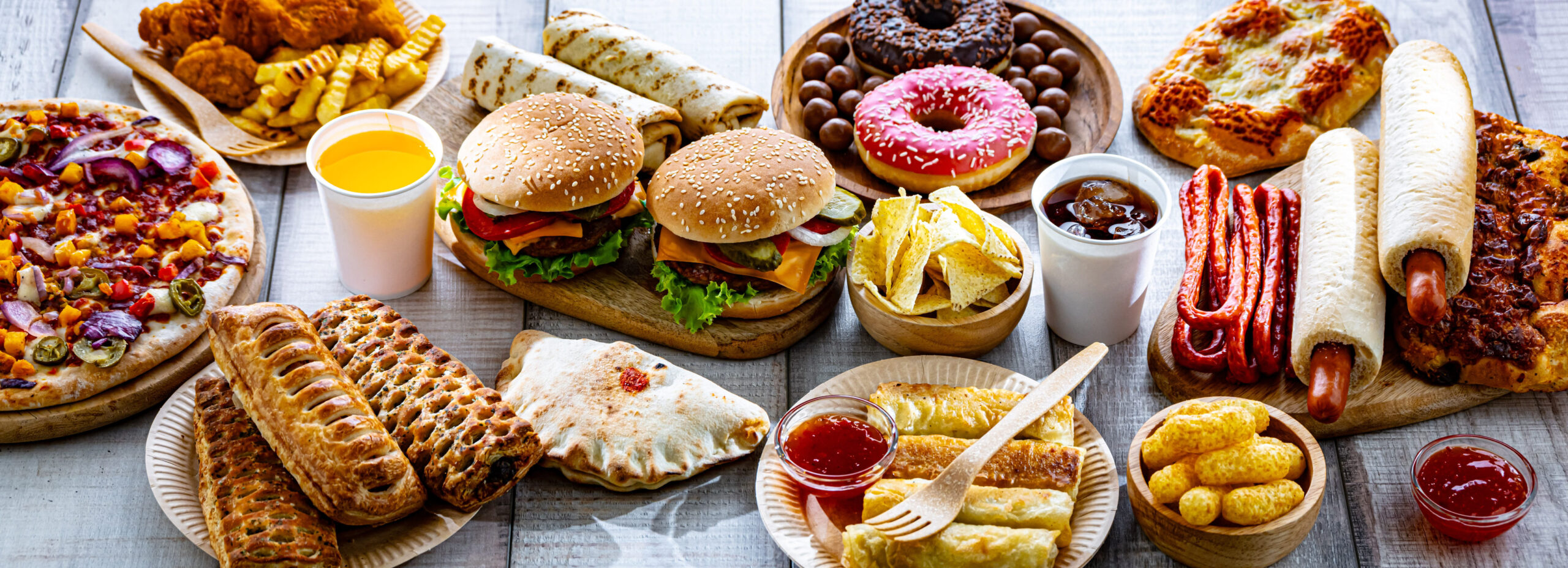
Highly processed foods can make life easier, but they can also take over the kitchen in a hurry. Many packaged meals, frozen snacks, deli meats, instant noodles, and boxed foods carry extra sodium, added sugar, and unhealthy fats. The CDC encourages people to choose more unprocessed foods and read labels to spot high-sodium choices.
The issue is not one frozen dinner after a long day. The issue starts when convenience becomes the whole plan. If every meal comes from a shiny packet, the body may start asking if anyone here owns a vegetable.
Doctors often worry because highly processed foods can crowd out better choices. Fresh produce, beans, fish, eggs, nuts, and whole grains usually bring more useful nutrition. Your kitchen should help you feel fed, not tricked by a snack that disappears in five bites.
Treating Sugary Drinks Like Hydration
Sugary drinks can look innocent because they sit beside water in the fridge. Sweet tea, soda, energy drinks, flavored coffees, and fruit drinks often feel like treats, but many people sip them daily. The American Heart Association recommends limiting added sugars from drinks and foods as part of a heart-healthy pattern.
Here is the problem. Drinks go down fast, so the brain may not register them as well as food. You can drink a sweet coffee and still feel hungry enough to raid the pantry like a raccoon with WiFi.
Water may not have the drama of a colorful bottle, but it does the job. Unsweetened tea, plain sparkling water, and fruit-infused water can also help. FYI, your body does not need dessert in liquid form every time thirst knocks.
Making Salt The Main Personality

Salt makes food taste alive, so nobody needs to pretend it is the villain in every meal. The problem starts when salt becomes the only flavor strategy. Processed foods, salty sauces, packaged soups, chips, and takeout can push sodium high before anyone grabs the shaker.
Many doctors wish people were more creative. Garlic, onions, herbs, citrus, vinegar, ginger, pepper, and spices can bring flavor without turning every dish into a salt festival. Why let your blood pressure rise over time when your spice cabinet is right there?
A lower salt kitchen does not have to taste sad. It can taste brighter, fresher, and more intentional. The goal is not punishment, because dinner should not feel like community service.
Using One Cutting Board For Everything
One cutting board for raw chicken, tomatoes, bread, and salad may feel efficient. It also creates a perfect little traffic jam for germs. Food safety guidance urges people to separate cutting boards and utensils used for raw meat, poultry, seafood, eggs, and foods that are not cooked further.
This habit matters because harmful bacteria do not arrive wearing tiny warning signs. A board can look clean while still carrying risk after raw meat comes into contact with it. Then the salad lands there, and suddenly the kitchen has made a very bad group project.
Doctors care because food poisoning can hit hard. It can cause vomiting, diarrhea, fever, dehydration, and days of misery nobody scheduled. Separate boards, hot soapy water, and clean hands are boring in the best possible way.
Microwaving Food In Random Plastic
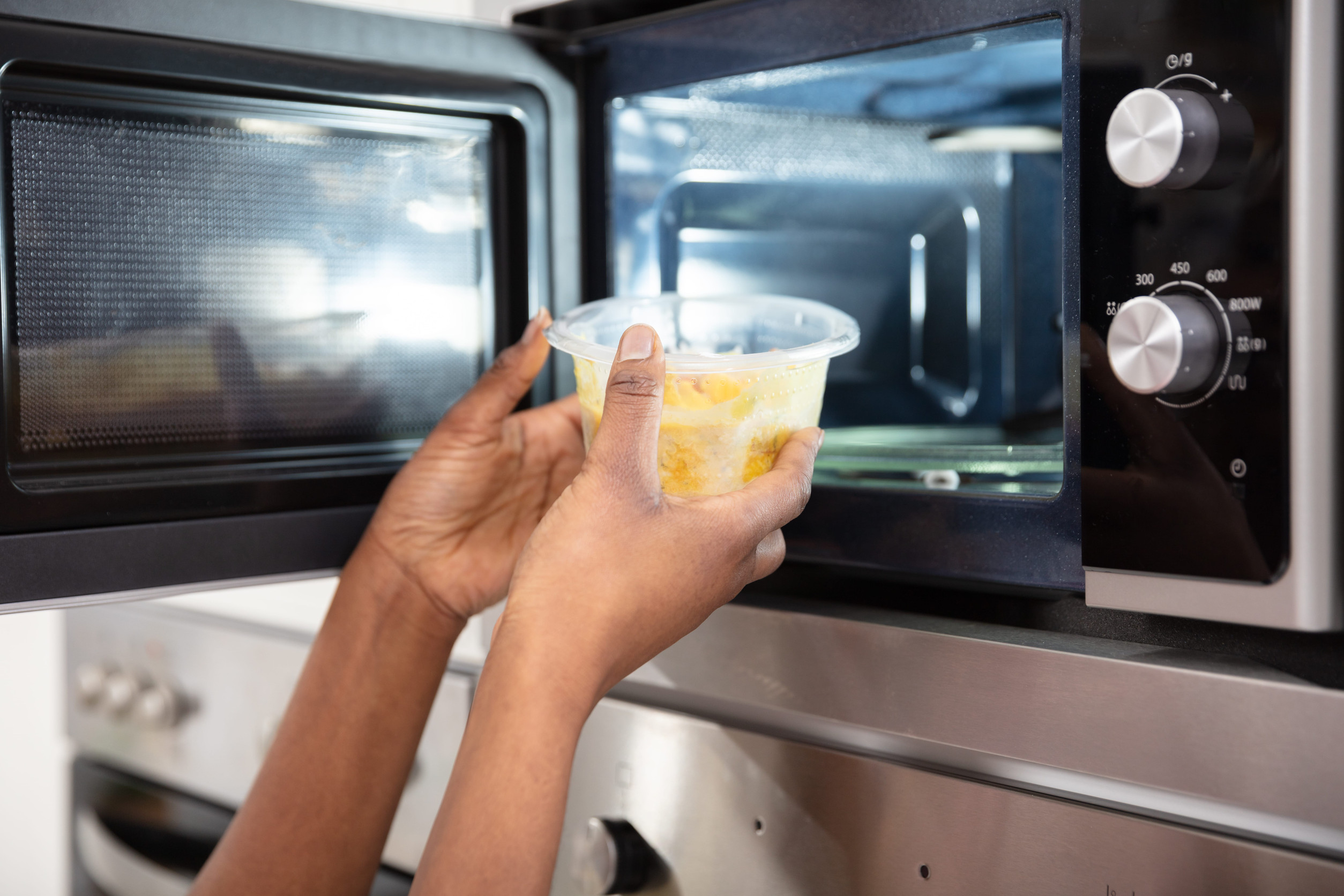
Microwaves are convenient, but random plastic containers deserve caution. Some containers are not made for heat, and heat can increase concern about chemicals moving into food. The FDA explains that food contact materials include packaging, cookware, and other surfaces that come into contact with food, and it regulates these substances for safety.
Still, doctors often prefer the simple route. Use glass or ceramic for heating when possible, and save plastic for storage only when it is meant for food. That old takeout tub from who knows when does not need a second career.
This does not mean every plastic container is a kitchen monster. It means heat, scratches, age, and unclear labels make caution a smart move. IMO, a glass bowl is easier than debating chemistry with yesterday’s pasta.
Keeping Leftovers Until They Look Suspicious
Leftovers can save money, time, and sanity. The trouble starts when people treat the fridge like a museum for old rice, chicken, stew, and takeout. Food safety guidance says leftovers should be placed in shallow containers and refrigerated promptly to cool safely.
The smell test is not as reliable as people think. Some harmful germs do not announce themselves with a dramatic stink. If your fridge container needs an interview before dinner, maybe dinner should move on.
Doctors would rather people label food, cool it quickly, and eat it within a safe window. Freezing extra portions can help when the week gets messy. Your future self will thank you, probably while wearing sweatpants.
Cooking Meat Until It Turns Charcoal Dark
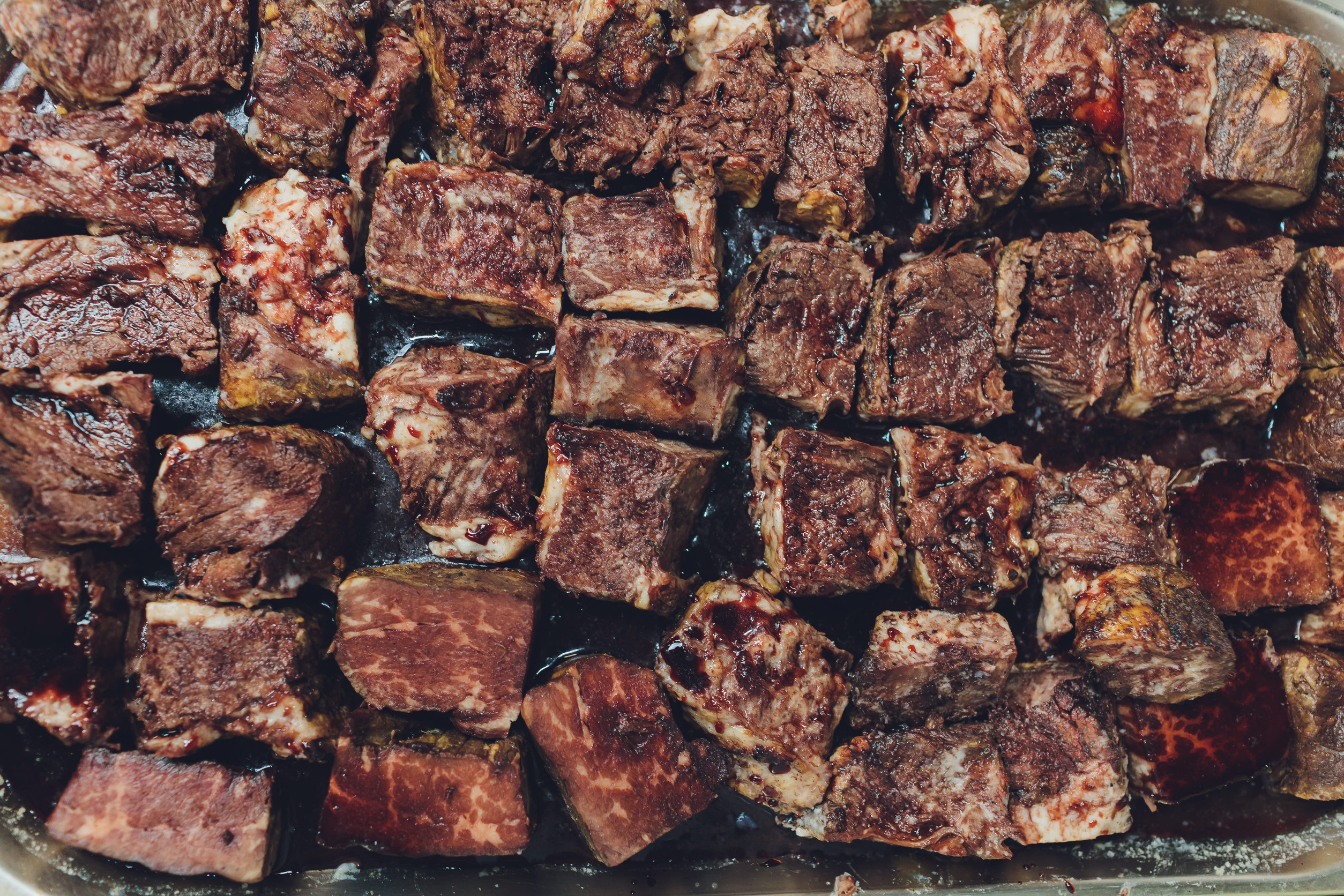
A little browning can make meat taste rich and smoky. Burning it until the edges look like evidence from a fireplace is another matter. The National Cancer Institute notes that cooking meat at very high temperatures can form chemicals that researchers are studying for their potential cancer risk.
This does not mean every grilled meal should come with guilt. It means blackened, heavily charred meat should not become the house signature. Do we really need steak to look like it survived a small disaster?
Gentler cooking helps. Trim burned parts, flip meat often, avoid flare-ups, and balance the plate with vegetables. Flavor should not require turning dinner into a science experiment that sets off smoke alarms.
Letting Worn Nonstick Pans Stay Forever
Nonstick pans make eggs slide like they are leaving a toxic relationship. That convenience is why people keep using them long after the surface scratches, peels, or flakes. The FDA says some PFAS are approved for use in certain nonstick cookware coatings, and it continues to address food contact applications.
A damaged pan is where many doctors and safety-minded cooks get uncomfortable. Scratched surfaces can affect performance and may raise concerns during cooking. If the pan looks like it fought a fork and lost, retirement seems fair.
Use wooden or silicone utensils, avoid harsh scrubbing, and replace damaged cookware when needed. Stainless steel, cast iron, and ceramic options can also do real work. Your eggs may complain at first, but they will adapt.
Turning Alcohol Into A Kitchen Routine
Cooking with a splash of wine is one thing. Turning the kitchen into a nightly pour station is another. The American Heart Association advises people who do not drink to not start, and people who drink to limit their intake.
Doctors worry because alcohol can quietly become part of stress management. A glass while cooking, another with dinner, and another while cleaning can turn routine into reliance. The bottle starts as background music, then somehow becomes the main character.
A healthier kitchen creates more ways to relax. Tea, flavored water, music, prep rituals, and slower meals can help soften the day. Sarcastic bonus, your liver has never once asked for a loyalty program.
Choosing Fried Everything As The Default
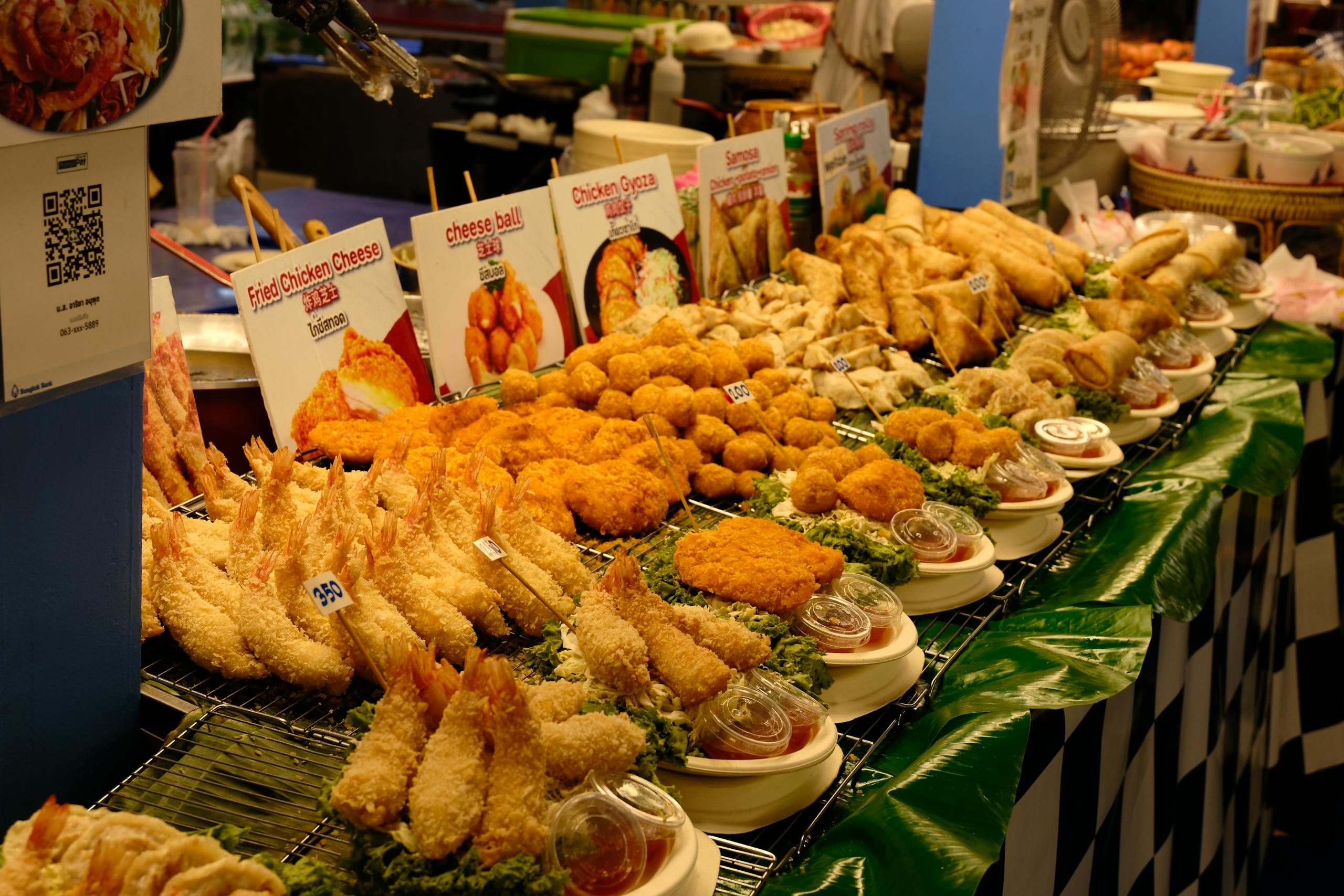
Fried food tastes good because life is unfair like that. Crispy potatoes, fried chicken, battered snacks, and deep-fried leftovers can turn the kitchen into a comfort zone with consequences. Health guidance from major public health groups favors patterns built around whole foods, healthier fats, and fewer foods high in saturated fat.
The issue is not enjoying fried food once in a while. The issue is that frying is set as the default answer for hunger. If every vegetable needs a crunchy coat to enter your mouth, the kitchen may need a plot twist.
Roasting, grilling, steaming, sautéing, and air cooking can still deliver flavor. Seasoning matters more than drowning food in oil. A smarter kitchen keeps comfort, but stops letting the fryer run the household.
Conclusion
The biggest kitchen choices doctors wish people avoided are not always dramatic. They often look like ordinary routines that slowly accumulate over time. A sugary drink here, salty packaged food there, old leftovers later, and suddenly the kitchen feels less friendly.
Good health does not require a perfect kitchen. It requires a more aware one. Small swaps can make daily meals safer, lighter, and easier on the body.
Start with the habit that feels easiest to change. Replace one sugary drink, wash one cutting board better, toss one suspicious container, or retire one scratched pan. Your kitchen should feed your life, not quietly make it harder.