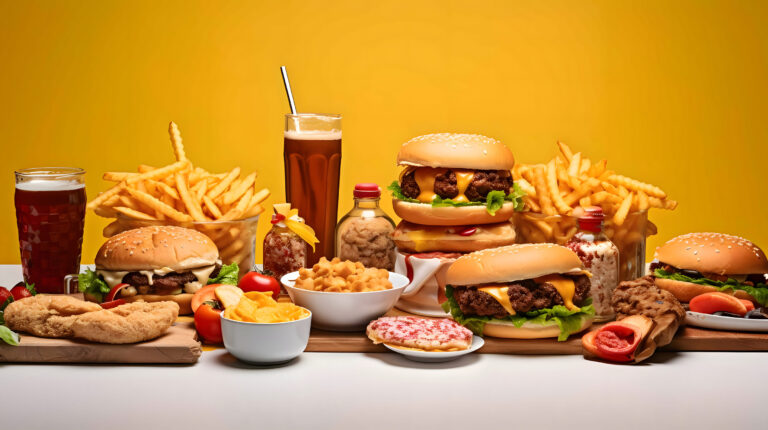
Protein does not just belong in gym talk, meal-prep videos, or bodybuilder diets. Your body uses it every day to repair tissue, support your immune system, maintain healthy skin, build muscle, heal wounds, and keep you feeling full after meals. When you do not get enough of it for long enough, your body starts making quiet trade-offs.
The tricky part is that low protein levels do not always announce themselves dramatically. It may begin with tiredness, weak muscles, brittle nails, thinning hair, slow healing, or hunger that keeps coming back too soon. Many people blame stress, age, poor sleep, or a busy schedule, but the real issue may be sitting on the plate. These signs do not always indicate protein deficiency, but they are worth noting when they appear together.
Your Muscles Feel Weak Even When You’re Not Doing Much
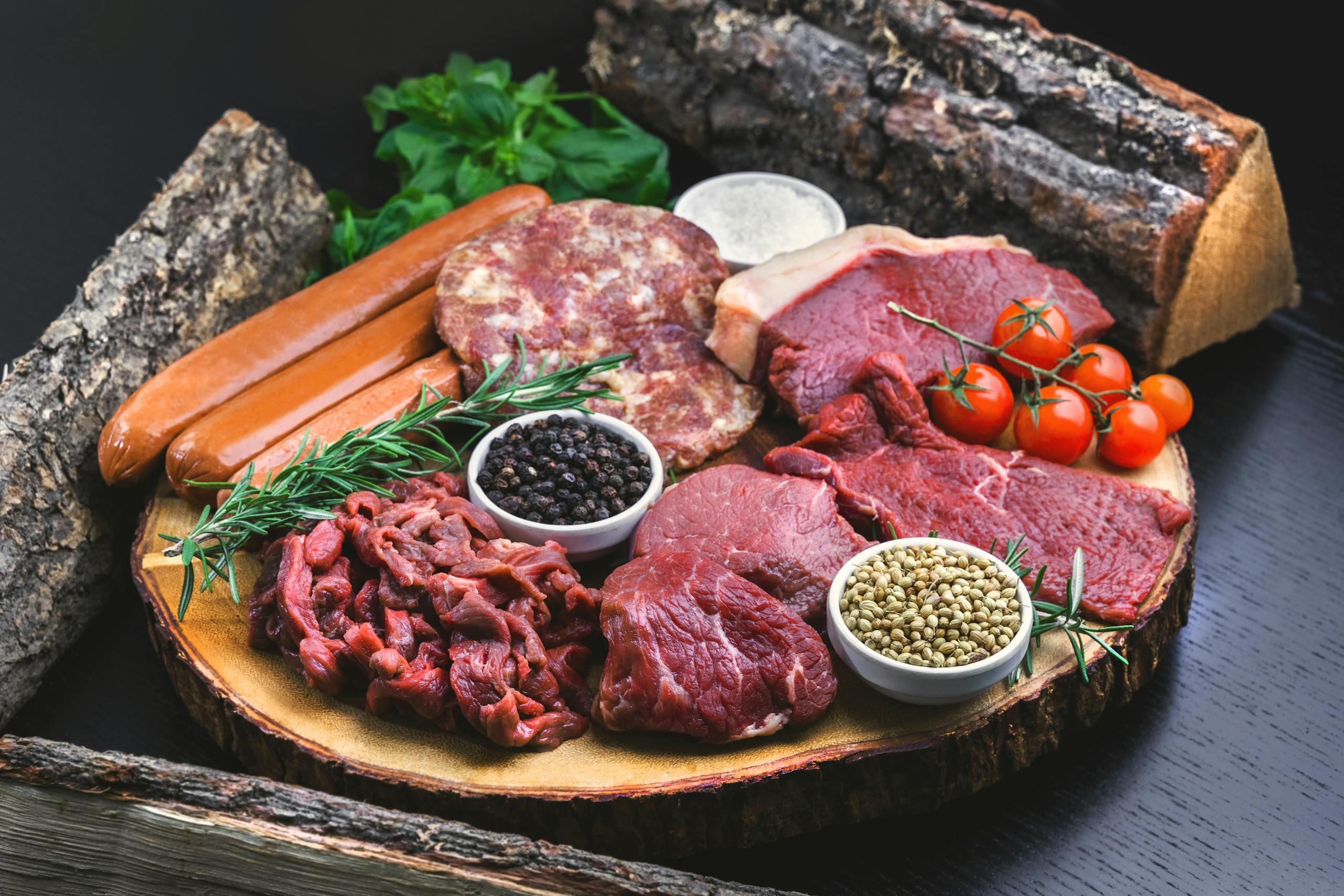
Muscle weakness is one of the clearest signs that your body may not be getting enough protein. Protein helps maintain and repair muscle tissue, so when intake is too low, the body may begin drawing on muscle stores to support more urgent functions. That can leave you feeling weaker during simple daily tasks.
You may notice it when climbing stairs, lifting groceries, standing for long periods, or doing everyday chores. The change may feel subtle at first, almost like your body has lost some of its usual strength. If your workouts feel harder, your legs feel heavy, or your body feels less steady than usual, low protein could be part of the problem.
You Feel Tired Even After Sleeping
Everyone gets tired, but protein-related fatigue can feel deeper than ordinary sleepiness. Your body needs protein to support enzymes, hormones, blood, tissues, and immune function. When it does not have enough, your energy can drop because the body is trying to run important systems with fewer building blocks.
This kind of tiredness may not go away after one good night’s sleep. You may wake up feeling heavy, move through the day slowly, or struggle to focus on basic tasks. Fatigue has many causes, so it should not be blamed solely on protein. Still, when tiredness is accompanied by weakness, poor healing, weight changes, or frequent illness, your diet deserves a closer look.
Cuts and Bruises Take Too Long to Heal

Protein is essential for repair. Your body needs it to rebuild skin, close wounds, recover from injuries, and support tissue healing. When protein intake is too low, even minor cuts, scrapes, sores, or bruises may take longer than expected to heal.
This sign is easy to miss because slow healing does not always feel urgent at first. You may notice that your skin stays irritated, wounds linger, or small injuries do not heal the way they used to. If slow healing keeps happening, especially with fatigue or weakness, your body may be telling you it needs better nutritional support.
Your Hair, Skin, and Nails Start Looking Fragile
Hair, skin, and nails often show early signs when nutrition is off balance. Protein helps form keratin, collagen, and other structures that keep these tissues strong. When your body does not get enough protein, it may prioritize vital organs over hair growth, nail strength, and skin repair.
That can lead to brittle nails, thinning hair, dry skin, flaky patches, or a duller appearance overall. These changes can also come from stress, hormones, aging, thyroid issues, or other nutrient deficiencies, so they are not proof on their own. But when your hair sheds more, your nails split easily, and your skin feels weaker, low protein intake should be considered.
You Keep Getting Sick
Protein plays a major role in immune defense. Your body needs it to build and maintain immune cells, antibodies, and repair systems that help fight infections. When protein intake stays too low, your immune system may not respond as strongly as it should.
You may catch colds more often, take longer to recover, or feel run-down after minor illnesses. This does not mean every sniffle is a protein problem. But if you are getting sick repeatedly and also dealing with weakness, fatigue, poor appetite, or slow healing, your body may not be getting the support it needs.
You Feel Hungry Soon After Eating

Protein helps meals feel satisfying. When a meal is mostly refined carbs or low in protein, you may feel hungry again sooner than expected. Your stomach may be full for a short time, but your body may still feel like something important is missing.
This can lead to constant snacking, sugar cravings, or the feeling that you are eating enough but never staying satisfied. Adding protein-rich foods such as eggs, beans, lentils, fish, chicken, yogurt, tofu, nuts, seeds, or lean meat can help meals feel more balanced. The goal is not to overload every plate with protein. The goal is to stop giving your body meals that fade too quickly.
Your Body Looks Puffy or Swollen
Swelling can be a more serious sign linked to severe protein deficiency. Protein helps maintain fluid balance in the body, and when levels fall too low, fluid can collect in tissues. This may appear as puffiness in the feet, ankles, legs, hands, belly, or face.
Swelling should never be ignored because it can also be caused by the heart, kidneys, liver, circulation, medication, or hormone problems. It is not something to self-diagnose casually. Still, if swelling occurs alongside poor nutrition, weight loss, weakness, or ongoing illness, it is important to speak with a healthcare professional.
Children Stop Growing as Expected
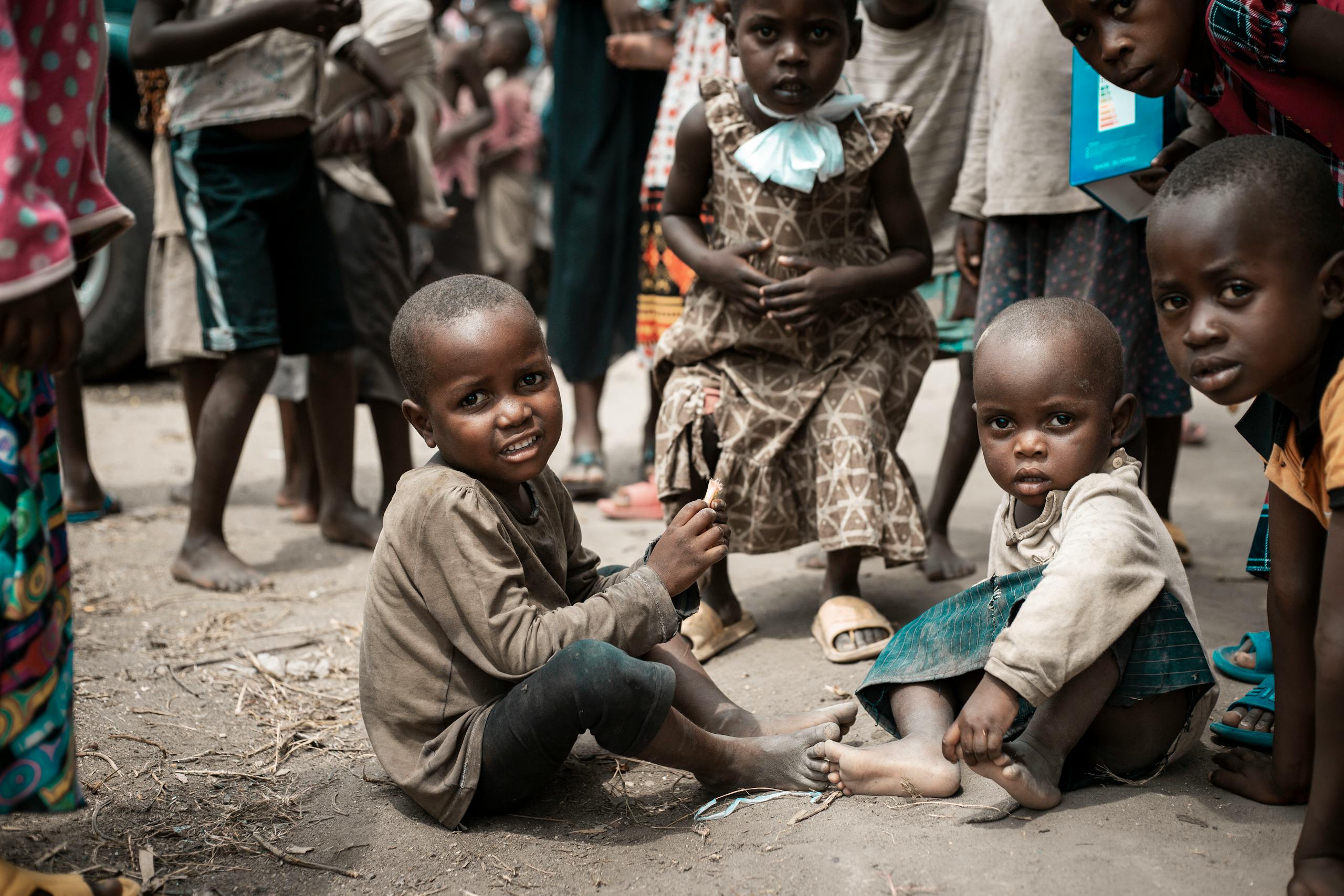
Protein is especially important for children because their bodies are still building bone, muscle, organs, skin, blood, and immune defenses. When children do not get enough protein and calories, growth can slow down. They may lose weight, become unusually tired, get sick often, or fail to grow at the expected pace.
This is one of the reasons protein deficiency should be taken seriously in families, schools, and communities with food insecurity. Children need steady nutrition, not occasional good meals. If a child is not growing well, has poor appetite, shows swelling, or keeps getting infections, medical care should not be delayed.
How to Get More Protein Without Making Meals Complicated
Getting enough protein does not have to mean expensive shakes or complicated diets. Many everyday foods can help, including eggs, beans, lentils, milk, yogurt, fish, chicken, turkey, lean beef, tofu, soy milk, peanuts, peanut butter, nuts, seeds, and whole grains. The best choice depends on your budget, culture, health needs, and personal eating style.
A simple approach is to include a protein source in each meal. Breakfast could include eggs, Greek yogurt, beans, or peanut butter. Lunch and dinner could include lentils, fish, chicken, tofu, or beans. Snacks can also help when they include nuts, yogurt, boiled eggs, roasted chickpeas, or cheese. Small changes can make a real difference when they happen consistently.
Conclusion
Low protein can make the body feel like it is slowly losing its foundation. Weak muscles, constant tiredness, slow healing, brittle nails, thinning hair, frequent sickness, swelling, and stubborn hunger can all point to a body that needs better support. These signs may have different causes, but they should not be ignored when they appear together.
Protein is not just about looking strong. It helps you heal, move, fight infection, stay full, and protect the tissues that keep you functioning every day. When your body keeps whispering that something is wrong, listen before the whisper becomes a warning you cannot ignore.