A Boston-based food producer is pulling nearly 25,000 pounds of frozen buffalo chicken appetizers from foodservice freezers across New England, after federal regulators determined the products were made without ever passing through a government inspector.
The U.S. Department of Agriculture’s Food Safety and Inspection Service announced Wednesday that Shanghai Ravioli Corporation, headquartered in Boston, is recalling approximately 24,900 pounds of frozen, not-ready-to-eat buffalo chicken items. FSIS classified the action as a Class I recall, its highest health-risk category, and assigned it recall number 017-2026.
What the recalled boxes actually contain
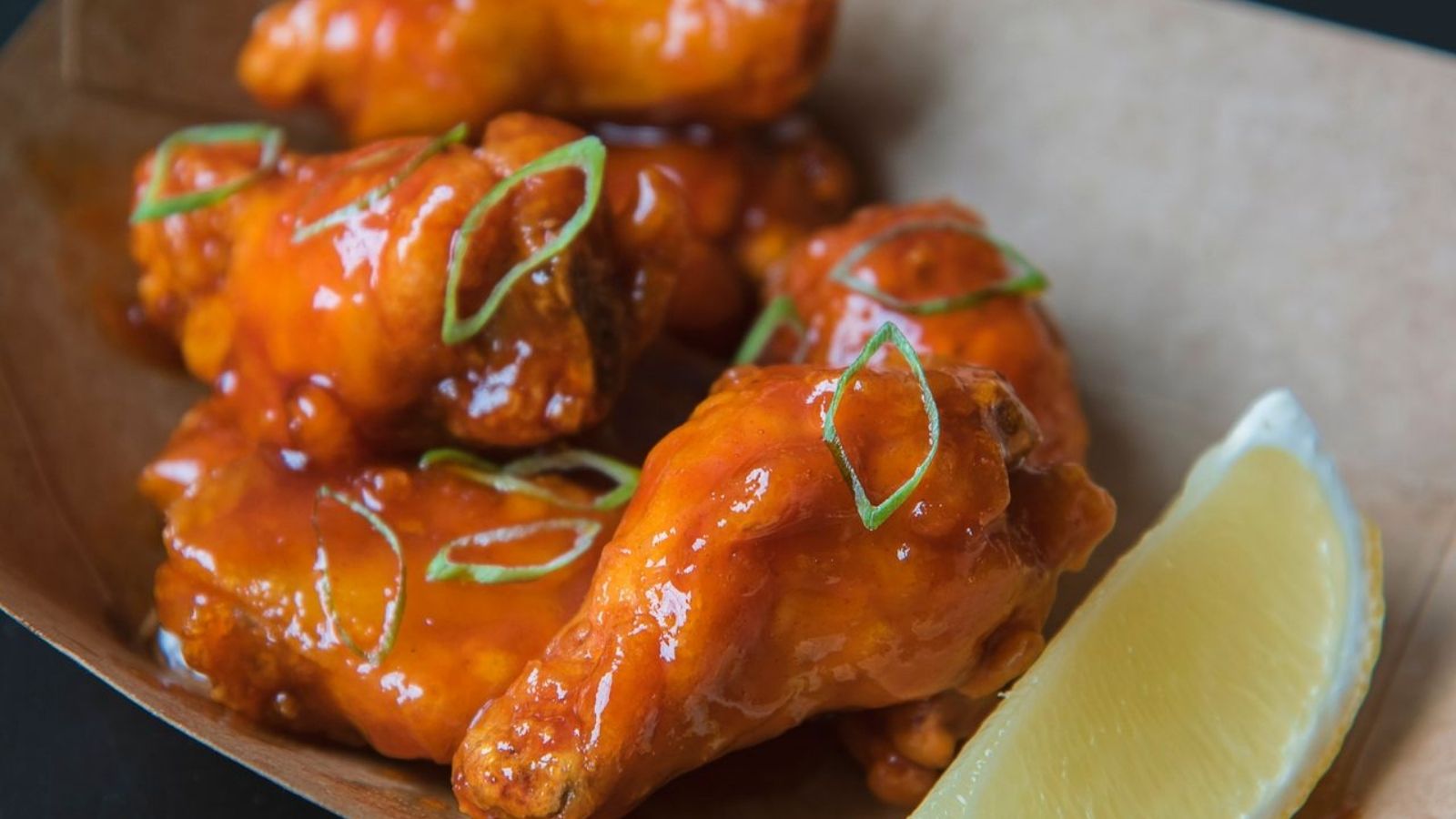
The recall covers two items sold in bulk cardboard boxes rather than individual retail packaging, a detail that points to the products’ true customer base. One box holds 100 pieces of Buffalo Chicken Rangoon. The other holds 120 pieces of Benedetto’s Buffalo Chicken Mozzarella Stick.
Both were manufactured across a full production cycle, with FSIS records showing output dates spanning July 8, 2025, through June 29, 2026. The sell-by dates on the labels run from July 8, 2026, through June 29, 2027. That means some cases could remain in commercial freezers well into next summer before anyone notices the recall.
Why federal inspectors flagged the establishment number
Every pound of meat or poultry sold in the United States is required to carry a federal establishment number tied to a facility that FSIS has certified. The recalled buffalo chicken products carried a number, EST. 18004, printed inside what regulators describe as a false mark of inspection.
FSIS says that number does not belong to a facility holding a federal grant of inspection. In practical terms, the agency’s seal appeared on packaging even though no inspector ever signed off on the plant, the process, or the finished product moving through it.
Investigators did not stumble onto the discrepancy through a consumer complaint or a lab test flagging bacteria. FSIS says the issue surfaced during its own surveillance activities, the routine in-commerce checks the agency runs to catch mislabeled or unauthorized product already sitting on shelves and in coolers.
A regional footprint built on foodservice, not grocery aisles
The recalled chicken pieces moved through commercial kitchens rather than supermarket freezer cases. FSIS says the products were distributed to foodservice locations in Maine, Massachusetts, New Hampshire, Rhode Island and Vermont, covering nearly every corner of New England outside Connecticut.
That distribution pattern matters for how the recall plays out. Retail recalls tend to move fast once a shopper spots a headline and checks their own freezer. Foodservice recalls depend instead on restaurant managers, caterers and institutional kitchens catching a supplier notice, then digging through walk-in inventory that may already be portioned, repackaged or half-used.
FSIS acknowledged this in its announcement, saying it is concerned some recalled boxes remain in foodservice refrigerators or freezers months after distribution began.
The gap inspection is meant to close
Federal inspection exists to catch problems before product reaches a fryer basket, not after. Uninspected meat and poultry skip the checks that verify sanitary processing conditions, correct labeling and the absence of undeclared ingredients, according to FSIS.
The agency’s recall guidance defines a Class I designation as a situation where there is a reasonable probability that consuming the product could cause serious health consequences or death. The designation can apply when a product’s safety cannot be verified, even if contamination has not been confirmed.
FSIS said food produced without the required oversight may contain undeclared allergens, harmful bacteria or other contaminants. The agency, however, framed those as potential risks associated with the lack of inspection. It did not report confirmed contamination in this specific batch.
As of Wednesday, FSIS reported no confirmed illnesses or injuries linked to the Buffalo Chicken Rangoon or the Benedetto’s mozzarella sticks. The agency added that anyone who develops symptoms after eating the products should contact a healthcare provider, standard guidance issued alongside nearly every meat and poultry recall regardless of how the case ultimately resolves.
What happens next for kitchens holding the product
FSIS is directing any foodservice operator holding the recalled boxes to stop serving them immediately. The agency’s instructions are the same regardless of how the product was portioned or stored: throw the items away, or return them to the place of purchase.
Recall effectiveness checks typically follow an announcement like this. FSIS field staff confirm that distributors notified downstream customers and removed recalled products from circulation. The process is meant to verify that the food was actually pulled from the supply chain, rather than simply disappearing from a supplier’s active catalog. Shanghai Ravioli Corporation has not issued a separate public statement beyond the information contained in the FSIS release.
For an appetizer built around a bar-food staple, the more consequential story here has little to do with buffalo sauce or breading. It centers on a nine-digit paperwork gap between a stamped establishment number and the inspection authority that number was supposed to represent, one that went unnoticed across nearly a full year of production before a routine federal check caught up with it.
Related Post: The 3PM Crash Is Lying to You