The bread goes in the fridge because that seems sensible. Wash the berries because tomorrow morning will be busy. Tuck the basil beside the lettuce because, well, it is green.
Putting groceries away can feel like the last chore before dinner. Find a space, close the door, move on.
But a few familiar habits can work against the freshness we are trying to preserve. Refrigerated bread can stale faster. Washing berries before storage can make them mushy. Basil can discolor if it stays in the fridge too long.
The fix is not a pantry makeover. Match each ingredient to the conditions that help it hold its quality, then buy amounts that fit how you cook.
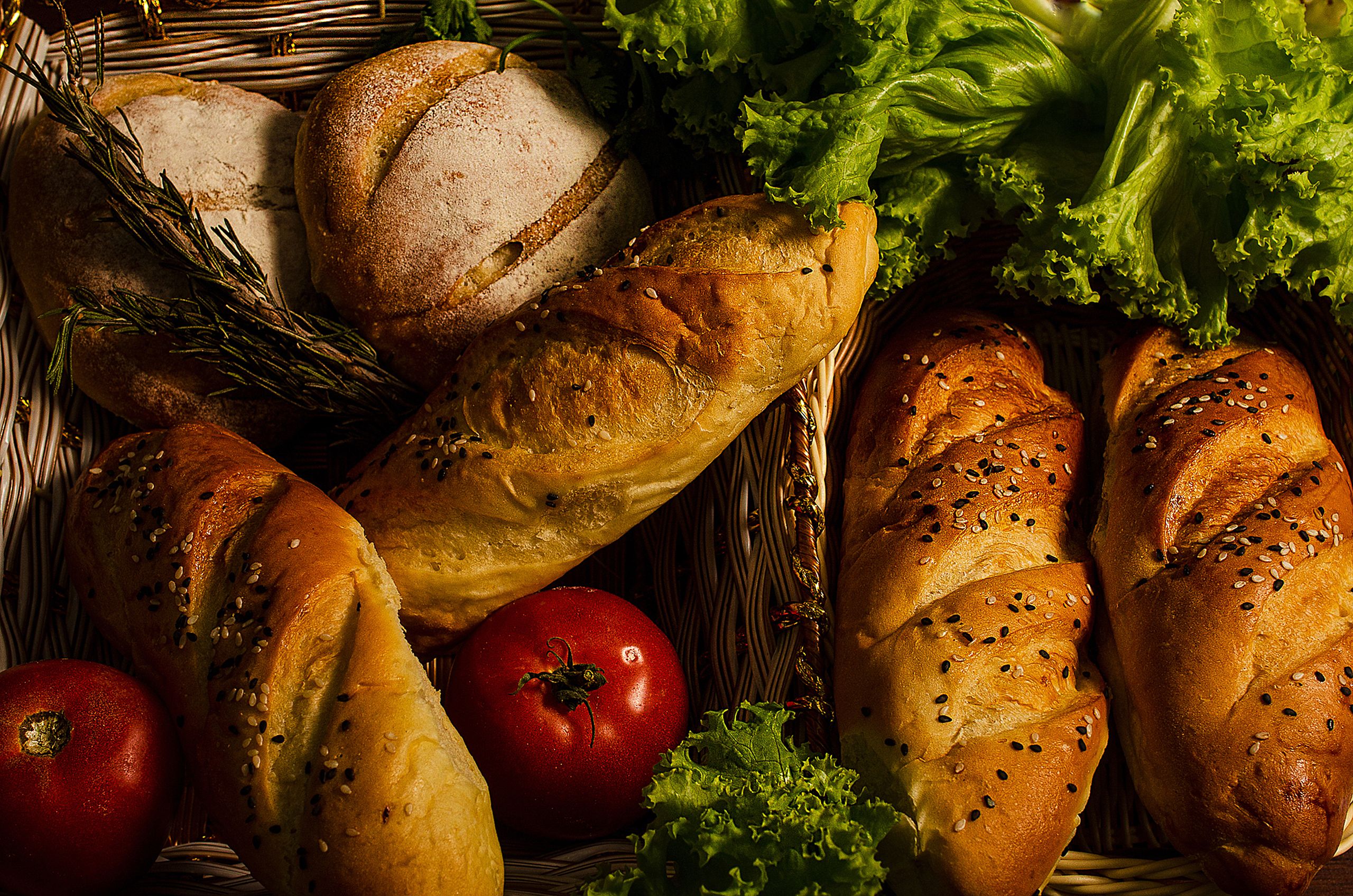
Bread: Use the counter for now and the freezer for later
The refrigerator feels like the obvious place to make a loaf last. For bread, however, cold storage comes with a texture problem.
Refrigerator temperatures accelerate changes in bread’s starch structure, leaving it firmer and drier. Good Housekeeping’s chief food director, Kate Merker, explains the distinction in the publication’s bread-storage advice.
Keep bread you expect to finish soon at room temperature. Packaged sliced bread can stay in its original bag, tightly closed between uses.
For the portion you will not finish promptly, freeze it. Slice an unsliced loaf first so you can take out only what you need. Freezing lets you save the extra bread for later, while keeping the portion you will eat soon at room temperature helps it avoid staling faster in the refrigerator.
Berries: Refrigerate first, rinse later
Washing berries immediately after shopping feels productive. One less thing to do before breakfast.
But that early rinse can cost you the texture you wanted to keep. The University of Nebraska–Lincoln’s produce-storage guidance explains that washing berries before storage can cause them to break down and become mushy.
Refrigerate them unwashed instead. Rinse them in cold water just before eating or using.
The freshness benefit comes from changing the timing, not adding another chore. You still wash the fruit, but you avoid putting it away freshly rinsed and expecting it to wait.
Related: 4 Ways Your “Food Storage Routine” Is Slowly Emptying Your Wallet
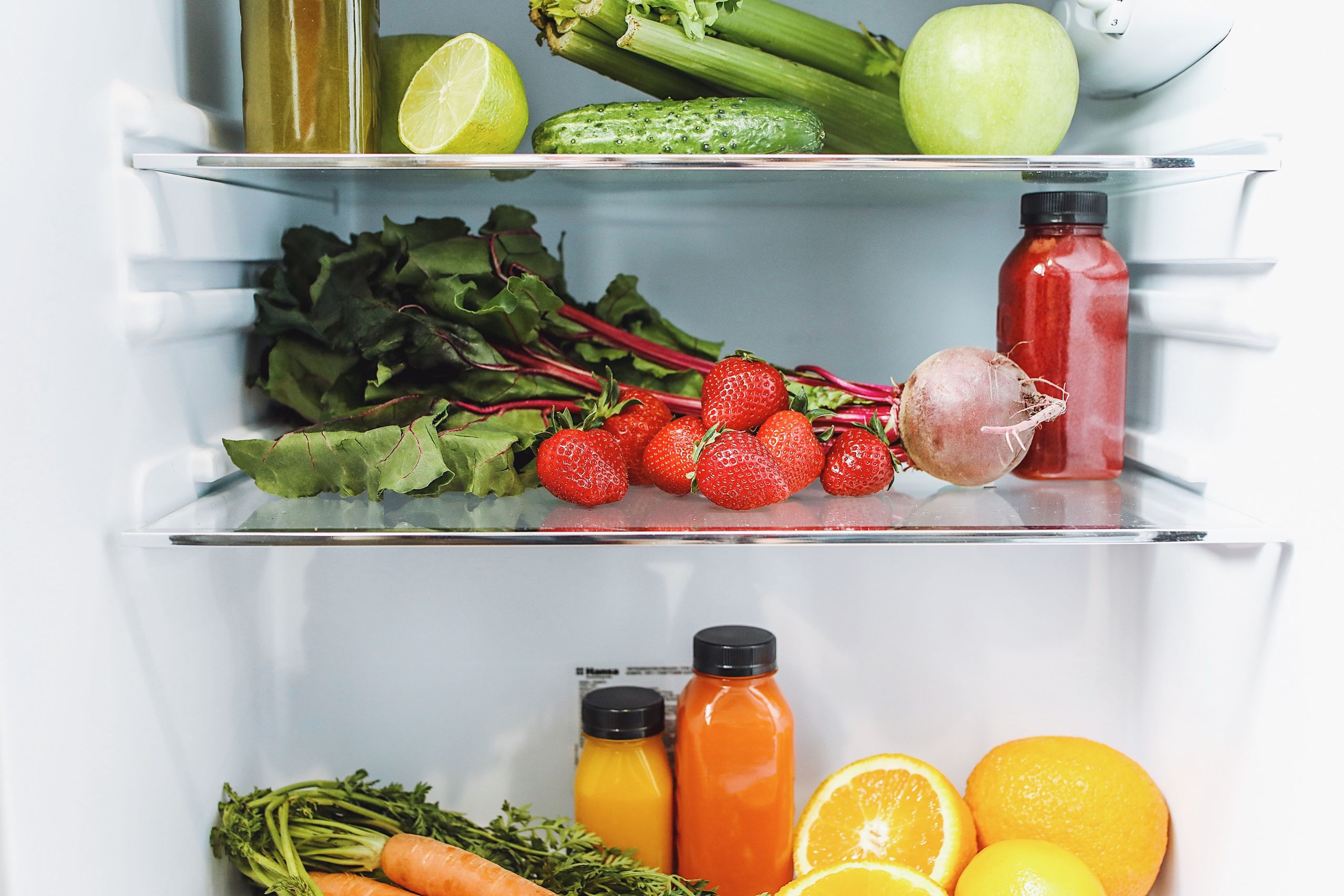
Basil: Treat the bunch like a small bouquet
Basil may arrive with the greens, but it doesn’t need the same storage.
Place the stems in water and keep the bunch at room temperature. Prolonged refrigerator storage can discolor its leaves, according to University of Minnesota Extension’s vegetable-storage guidance.
This approach helps preserve the leaves’ appearance and quality during short-term storage. It doesn’t mean basil will last indefinitely.
Keep the bunch visible and plan to use it in an upcoming meal. A better storage spot can help, but it is still best to use it soon rather than save it for a distant cooking project.
Potatoes: Find a genuinely cool, dark space
A bowl of potatoes on the counter is convenient. For longer storage, pay closer attention to darkness and temperature.
Keep potatoes unwashed in a cool, dark place. Nebraska Extension identifies roughly 40 to 45 degrees Fahrenheit as a storage range for cured potatoes and suggests a suitable basement or cellar. Moderately moist air helps prevent shriveling.
That makes “put them in the pantry” incomplete advice. A warm kitchen cupboard does not provide the same conditions as a cool cellar.
Choose the best space your home offers, but keep expectations realistic. If you cannot provide suitable storage conditions, a smaller purchase may fit your kitchen better than a large bag that sits for weeks before becoming dinner.
Whole dry onions: Allow air to circulate
An airtight container can make a pantry look organized. Whole dry onions need a different kind of order.
Store them in a cold, dry, well-ventilated area. Mesh bags or shallow boxes provide suitable arrangements, and the dry outer skins should remain in place until the onions are needed.
The goal is to keep conditions dry and allow airflow, rather than seal the onions in a container. Store them somewhere that meets those needs, rather than treating every loose vegetable the same way.
These instructions apply to whole dry onions. They are not directions for scallions or onions you have already peeled and chopped.
Carrots: Remove the tops and retain moisture
Carrots with their leafy tops attached look lovely on the kitchen counter. Once they are home, prepare the roots for storage rather than display.
Remove the tops and refrigerate the carrots in a perforated plastic bag. Carrots benefit from cold, moist conditions, and this arrangement can keep them fresh for a limited time.
The bag helps maintain moisture, while the openings allow ventilation. A completely closed bag can create excessive humidity and condensation.
That distinction matters: the goal is to help carrots retain their quality without trapping them in a wet, airless package. A simple bag with openings can do the job without an elaborate container system.
Apples: Choose the refrigerator for a longer stay
A bowl of apples makes the kitchen feel ready for anyone who wanders in hungry. For apples you want to keep longer, the refrigerator is the better destination.
Store them cold and, where possible, separate from other produce. Apples release ethylene, a gas that can accelerate ripening in nearby crops.
Refrigeration extends storage, while separation helps prevent neighboring produce from ripening too quickly. The fruit bowl can remain a short-term serving arrangement rather than the default home for the entire purchase.
Better storage does not require a more impressive kitchen. It asks us to notice what each ingredient needs before putting it in the usual place. Which small change could help your next bag of groceries stay fresh enough to become the meals you imagined?