Walking into Trader Joe’s can feel a little different from shopping at an ordinary grocery store. Colorful shirts, handwritten signs, enthusiastic product recommendations, and those distinctive bells ringing near the checkout make it feel different. But how much of that experience is actually part of the company’s approach to running its stores?
As it turns out, quite a bit. From the way employees communicate to how they learn about unfamiliar foods, Trader Joe’s has developed a workplace culture that puts its own spin on grocery shopping. Some practices are genuinely unusual, while others have equivalents at competing chains.
Here are 10 things worth knowing about what happens behind the scenes.
Those Checkout Bells Have a Secret Language
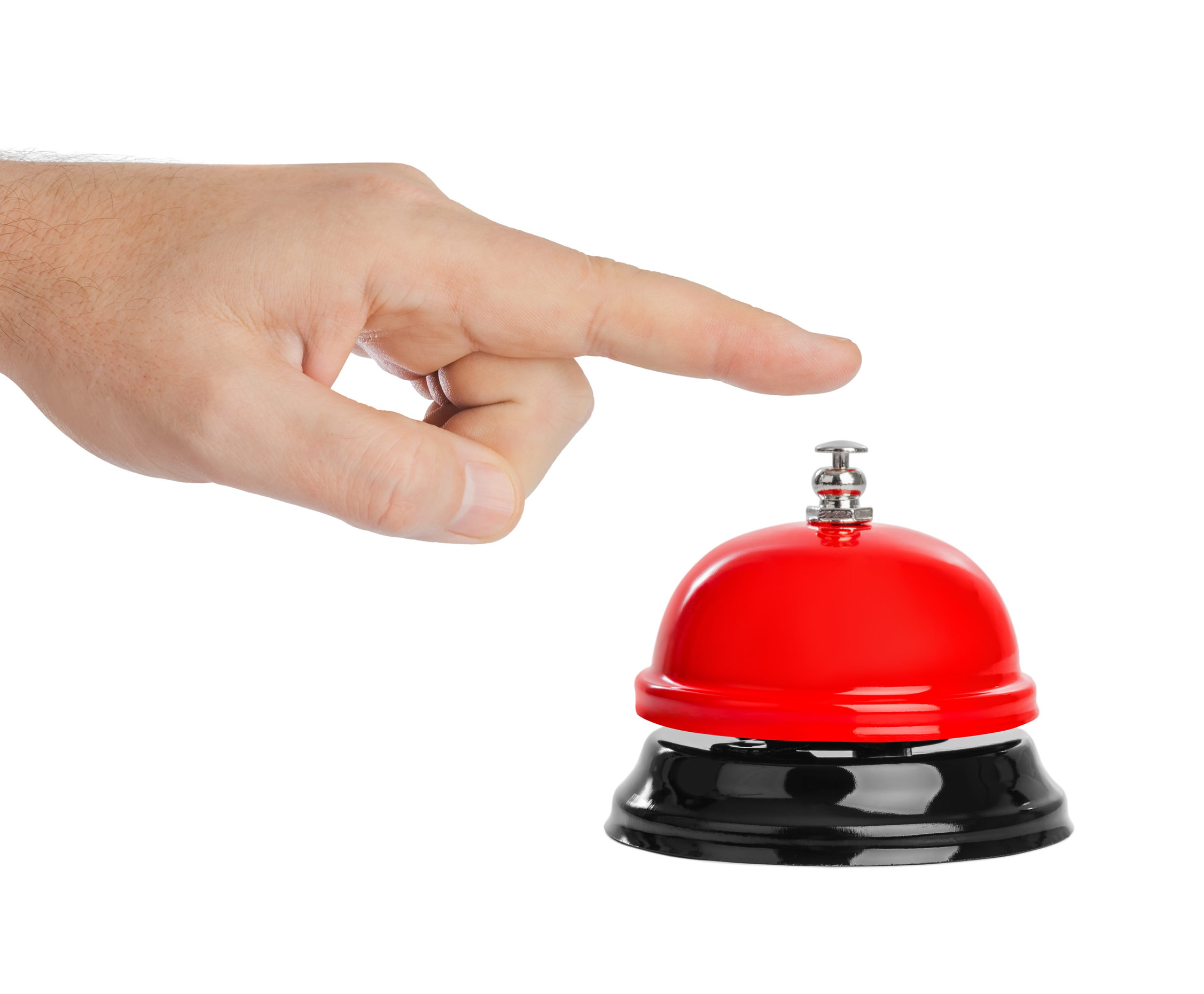
Ever heard a bell ring while shopping at Trader Joe’s and wondered what was going on? Those sounds are not random. According to the company’s official FAQs, the bells function as a simple communication system.
One ring signals that another register needs to open. Two rings mean someone at checkout needs additional assistance with a question, while three rings summon a manager-type employee.
Why bells instead of a traditional public-address system? Trader Joe’s says conventional announcements didn’t fit the atmosphere it wanted for its stores.
So, the next time you hear a bell, pay attention. It might simply mean another cashier is needed to keep the checkout line moving.
Employees Do More Than Work in One Department
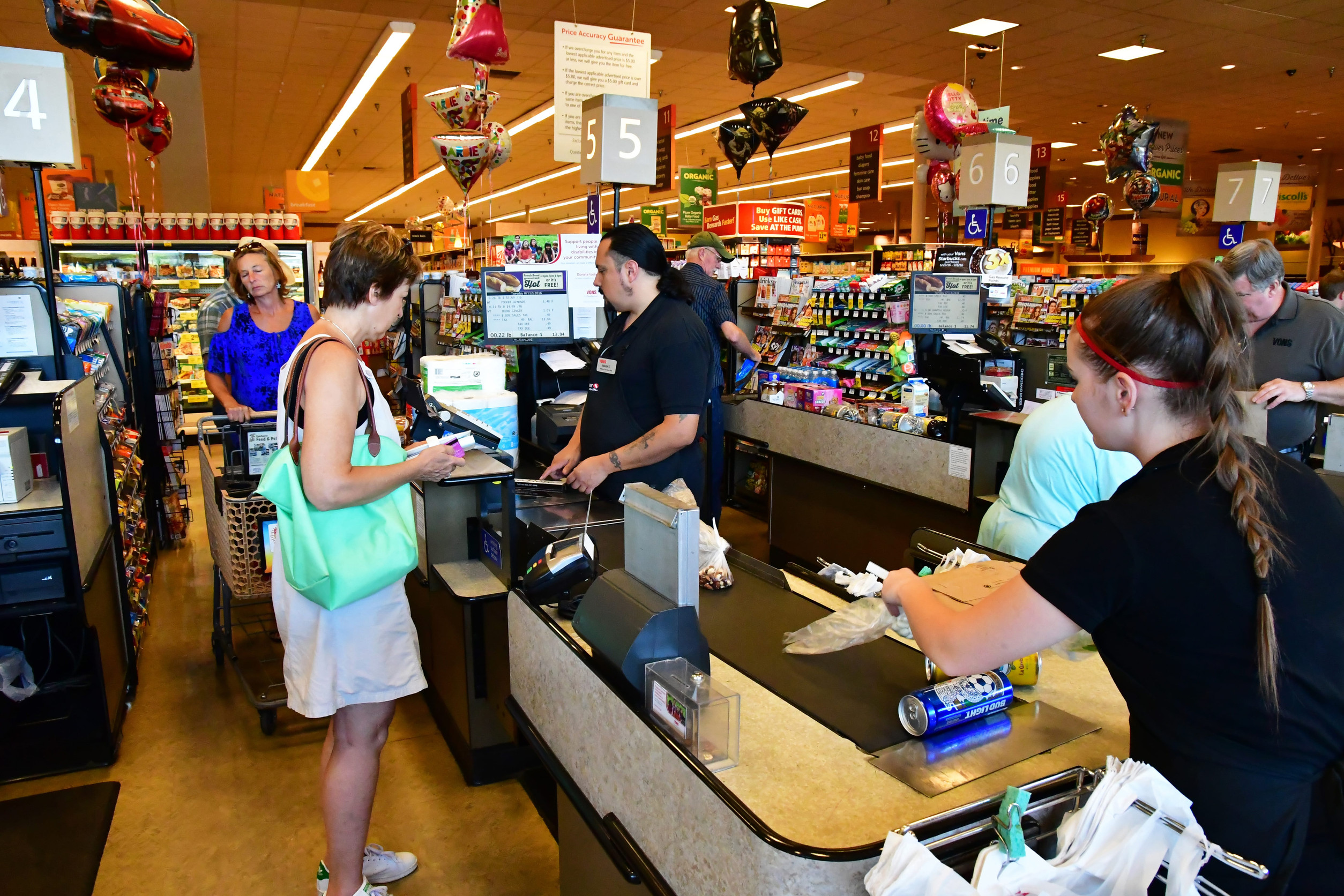
At some supermarkets, employees have clearly defined positions, such as cashier, grocery clerk, or front-service clerk. Trader Joe’s takes a broader approach to its crew roles.
Employees may operate registers, bag groceries, restock shelves, create signs, and help customers locate products. In an interview featured on the company’s Inside Trader Joe’s podcast, one crew member described switching responsibilities throughout the day.
This doesn’t mean everyone changes jobs at exactly the same time or follows an identical schedule. However, it means the employee stocking a shelf might also be the one helping you at checkout later.
It’s not exclusive to Trader Joe’s, either. ALDI also expects store associates to handle both stocking and register duties. The difference lies in how each retailer structures its store operations.
Cashiers Aren’t Required to Compliment Your Groceries
If a Trader Joe’s cashier enthusiastically tells you that the frozen dumplings in your basket are delicious, you might wonder whether the compliment is part of a customer-service script.
According to Jon Basalone, the company’s former president of stores, it deliberately avoids scripting employee conversations. He has also directly rejected the idea that employees must compliment something in every customer’s cart.
Instead, the company emphasizes hiring kind, empathetic people and letting them express their personalities.
That means a recommendation may reflect an employee’s genuine opinion rather than a line they have been instructed to deliver.
There’s another surprising detail: Basalone has also denied that employees are trained to flirt with customers. Friendly conversations may occasionally be interpreted that way, but flirting isn’t part of the company’s prescribed customer-service training.
Of course, an employee’s personal enthusiasm doesn’t guarantee you’ll love the product. Taste is a very individual thing.
Employees Can Learn About Products by Tasting Them

Recommending an unfamiliar food is easier when you’ve actually tried it. Trader Joe’s recognizes this through store tastings, which the company lists among its workplace offerings.
These tastings give crew members opportunities to become familiar with products and discuss their experiences with customers.
For example, an employee who has tried a particular sauce might describe its flavor or suggest what to serve with it. Someone familiar with a frozen meal may have ideas for turning it into a more complete dinner.
That firsthand knowledge can make shopping easier, especially when you’re considering something you’ve never purchased before.
However, don’t assume every employee has tasted every product on the shelves. Store tastings are also different from the separate product-evaluation process used to assess merchandise before it reaches customers.
Some Employees Help Create the Store’s Handwritten Signs
Those handwritten signs around Trader Joe’s aren’t just decorative extras. The company identifies signage as one of the responsibilities that crew members may take on.
The signs can explain unfamiliar products, highlight ingredients, and suggest ways to use particular foods. Their colorful lettering and playful style also contribute to the stores’ distinctive appearance.
A 2024 feature in The Science Survey interviewed Trader Joe’s sign artists, who discussed how they create and maintain these displays.
The work can involve updating signs when products or prices change, as well as developing creative ways to present merchandise.
Not every employee is an artist, and the company doesn’t claim that every sign in every store is handmade by a crew member. Still, having employees contribute to the store’s visual presentation adds a personal touch that shoppers may notice.
An Employee Might Help You Try an Alternative Product
Imagine arriving at Trader Joe’s only to discover that your favorite product has been discontinued. An employee might suggest an alternative, but what happens if you’re unsure whether you’ll like it?
In an episode of the company’s official podcast, a crew member described helping a disappointed customer find a replacement and opening a product so the customer could try it.
It’s an interesting example of employees using their judgment to help someone decide.
However, it doesn’t guarantee you can ask to sample any packaged product in the store. Whether an employee can accommodate a request depends on the product and the circumstances.
Other grocery chains offer sampling, too. For example, Publix invites customers to sample deli meats and cheeses.
The practical takeaway? If you’re curious about an unfamiliar product, it’s worth asking politely. Just remember that employees may not always be able to accommodate the request.
You Can Return a Trader Joe’s Product You Simply Didn’t Enjoy
Bought a new snack, took it home, and discovered that it wasn’t for you? Trader Joe’s has a published satisfaction promise for its private-label products.
Its product FAQs say customers who don’t like these products can return them for a refund or exchange.
That’s useful when you’re experimenting with unfamiliar flavors. You don’t necessarily have to discover that something is spoiled or defective to use the company’s stated satisfaction promise.
Still, Trader Joe’s isn’t the only supermarket with a generous return policy. Publix publishes its own satisfaction guarantee, and ALDI offers its Twice as Nice Guarantee under specified conditions.
Don’t assume every item qualifies under identical terms or that every return is automatically receipt-free.
If you’re trying something new, check the applicable policy rather than treating the promise as unlimited permission to return anything at any time.
Related: Canadian Grocers Are Ditching US Products as Buy Canadian Movement Grows
The Employees Have Nautical Job Titles
Trader Joe’s has a maritime theme that extends beyond its checkout bells.
The company calls its employees crew members, supervisors Mates, and store managers Captains. It also describes its bold, colorful shirts as uniforms for adventurous traders exploring the culinary seas.
This terminology gives the company a recognizable identity and helps explain its playful workplace language.
You’ll even hear it in the company’s official podcast, where executives sometimes describe themselves as crew members.
But don’t confuse informal terminology with the absence of management. Trader Joe’s still has supervisors and store managers who run its stores.
The nautical language is a branding choice, not evidence that every employee has equal authority.
You Don’t Need to Clip Coupons or Join a Loyalty Program
If you’ve ever stood at a supermarket checkout trying to figure out whether you activated the correct digital coupon, Trader Joe’s takes a different approach.
The company says it doesn’t run weekly sales, coupon promotions, or customer membership-card programs. Instead, it emphasizes everyday pricing.
That differs from retailers such as Kroger and Safeway, which offer combinations of paper or digital coupons, loyalty programs, personalized deals, and rewards.
For shoppers, the benefit is simplicity: you don’t need to enroll in a Trader Joe’s customer loyalty program or activate an advertised digital coupon to access its regular shelf prices.
That doesn’t automatically mean every product is cheaper than its equivalent elsewhere. Comparing prices still makes sense, especially when you’re shopping on a budget.
It simply means you can skip the coupon-clipping routine on your Trader Joe’s shopping trip.
Related: 6 Grocery Habits Boomers Consider Normal But Millennials Find Strange
Employees Don’t Handle Company-Run Online Pickup Orders
Trader Joe’s differs from supermarkets that offer online shopping in another major way.
According to its official FAQs, the company doesn’t sell products online, offer curbside pickup or delivery, or partner with third-party delivery services.
Compare that with Kroger, where employees can select items for pickup orders, check the order, and load groceries into customers’ vehicles.
Because Trader Joe’s doesn’t operate its own online-order fulfillment service, shoppers must visit a physical store.
The company says its in-store model helps preserve the shopping experience and value it wants to offer customers. That is its stated rationale, rather than proof that the approach automatically creates shorter lines or more available employees.
One more detail: Trader Joe’s also sells physical gift cards rather than offering digital or printable gift cards through its own system.
For shoppers who prefer ordering groceries from the couch, this model may be inconvenient. For others, it makes a trip to the store part of the experience.
The Bottom Line
Trader Joe’s stands out through a combination of practical operating choices and distinctive branding. Its checkout bells, broad crew responsibilities, unscripted conversations, employee tastings, and handwritten signs all contribute to the experience customers recognize.
Some practices, such as generous returns, product sampling, and cross-training, also exist at competing supermarkets. The more meaningful differences are often in how Trader Joe’s organizes and presents these activities.
And perhaps the most interesting lesson is that a grocery store’s personality isn’t created by its products alone. How employees communicate, learn about merchandise, and interact with shoppers can shape the experience as much as what’s on the shelves.
Other Posts You May Like
- Trader Joe’s Fall Takeover Is Here: New Seasonal Items Shoppers Can’t Stop Talking About
- These 10 Restaurants Were Top Picks for Baby Boomers in the 1980s, and Millennials Have Never Heard of Them