New York City found itself at the center of a heated debate after Mayor Zohran Mamdani became the first sitting mayor in decades to skip the annual Israel Day Parade, a decision that immediately drew praise from some supporters and criticism from Jewish leaders and political opponents.
The May 31 absence marked a historic break from tradition. Since the parade began in 1964, every sitting New York City mayor had attended the event, making Mamdani’s decision a highly visible political statement. As thousands gathered along the parade route to celebrate Jewish culture and express support for Israel, the mayor’s empty spot became one of the biggest stories surrounding the event.
Mamdani explained that his decision was tied to a campaign promise and his opposition to the actions of Israel’s current government. He argued that his role as mayor required him to represent New Yorkers while maintaining his personal and political positions on international issues.
At the same time, Mamdani emphasized that the city would continue supporting the parade’s safety and organization. He pledged that the New York Police Department would provide security and that all necessary permits would be approved, separating the city’s responsibility from his personal attendance.
A Historic Absence Sparks Political Firestorm

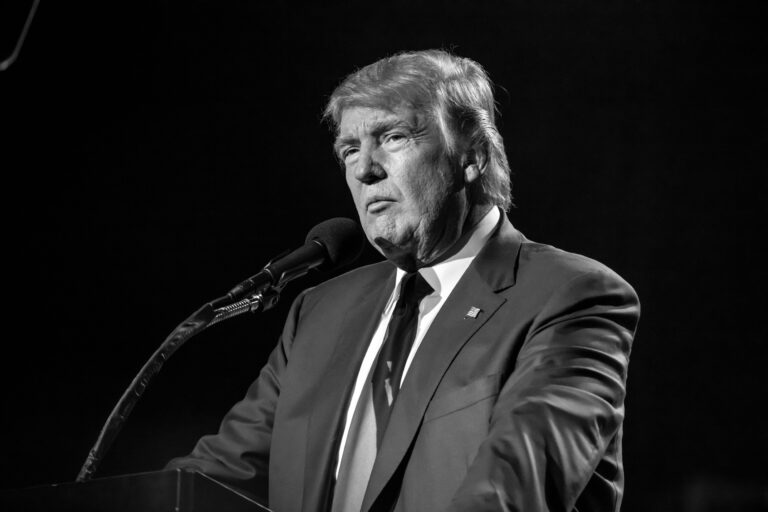
White House, Public domain, via Wikimedia Commons
The Israel Day Parade has long been viewed as one of New York City’s most significant cultural events, bringing together Jewish communities, elected officials, activists, and supporters of Israel. For many attendees, the mayor’s presence has traditionally represented recognition of the city’s Jewish population and its contributions.
Mamdani’s choice to stay away broke with decades of political tradition. Critics argued that the decision sent the wrong message, especially at a time when Jewish communities across the country have expressed concerns about rising antisemitism.
Jewish leaders and several public officials described the absence as more than a disagreement over foreign policy. They viewed it as a missed opportunity for the city’s leader to stand alongside a community facing increased tensions.
Former mayors and political figures who had participated in previous parades also criticized the move, saying that attending cultural events does not necessarily mean endorsing every action of a foreign government. They argued that a mayor’s presence can serve as a symbol of unity rather than a political endorsement.
Supporters of Mamdani, however, defended his decision. They pointed out that he has attended other cultural celebrations and argued that he makes distinctions between supporting communities and supporting governments.
Jewish Police Commissioner Marches as Mayor Stays Away
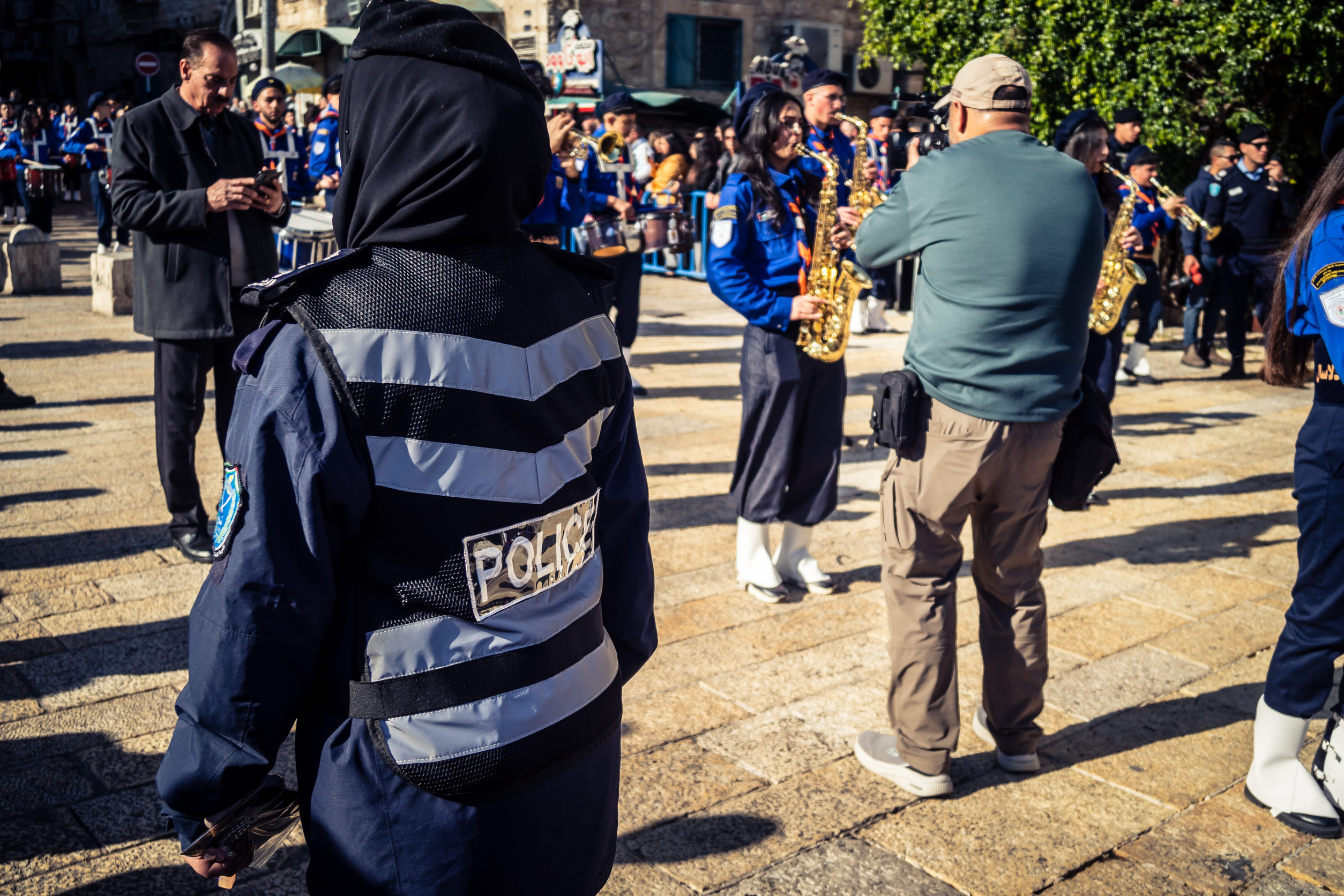
Adding another layer to the controversy was the presence of New York City’s Jewish police commissioner, who participated in the parade and marched proudly with attendees.
The contrast between the mayor’s absence and the commissioner’s appearance quickly became a major talking point. For supporters of the parade, the commissioner’s participation represented a connection between city leadership and the Jewish community, even as the mayor chose not to attend.
The NYPD’s involvement remained a key part of the event. The department helped provide security and ensure the parade proceeded safely, highlighting the city’s official support for the gathering despite the mayor’s personal choice to remain absent.
The moment also reflected a broader debate playing out in cities across the United States: how elected leaders balance local community relationships with their positions on international conflicts.
For Mamdani, the decision reflected consistency with his campaign messaging. He has argued that leaders can support cultural communities without automatically aligning themselves with the policies of governments connected to those communities.
For critics, however, the symbolism mattered. They argued that the mayor’s absence at such a prominent Jewish event carried a message that went beyond policy disagreements.
One of the Largest Crowds Highlights the Parade’s Importance
Despite the controversy surrounding the mayor’s absence, organizers reported one of the largest turnouts in the parade’s history. Thousands of participants gathered to celebrate Jewish heritage, community identity, and cultural pride.
The large attendance demonstrated that the parade remained a major fixture in New York City’s cultural calendar. For many participants, the event was less about political debate and more about community visibility and tradition.
The controversy surrounding Mamdani’s decision also showed how closely local politics and international issues have become connected. A decision about attending a parade became a national conversation about representation, diplomacy, identity, and leadership.
As New York continues navigating debates over Israel, antisemitism, and the role of elected officials in cultural events, Mamdani’s absence from the Israel Day Parade will likely remain a defining moment of his early tenure.
The mayor chose to make a political statement by staying away, while others chose to make theirs by showing up. The divide revealed just how complicated symbolic gestures can become in a city as diverse and politically active as New York.