Walk into a Boomer’s home, and you can almost hear the past clearing its throat. There may be a china cabinet glowing in the dining room, a stack of VHS tapes hiding near the TV, a landline phone waiting for a call that never comes, and a drawer full of cords that no one in the family can identify.
Younger Americans may see clutter, but Boomers see backup plans, memories, and perfectly good things that should never be thrown away.
That is the charm and comedy of the Boomer home. Every object has a story, even the ones nobody has touched since the Clinton administration. These items may no longer fit modern life, but they still say something about how America used to work. People saved things, fixed things, displayed things, and believed that “just in case” was a perfectly valid household policy.
China Cabinets Full of Dishes Nobody Touches
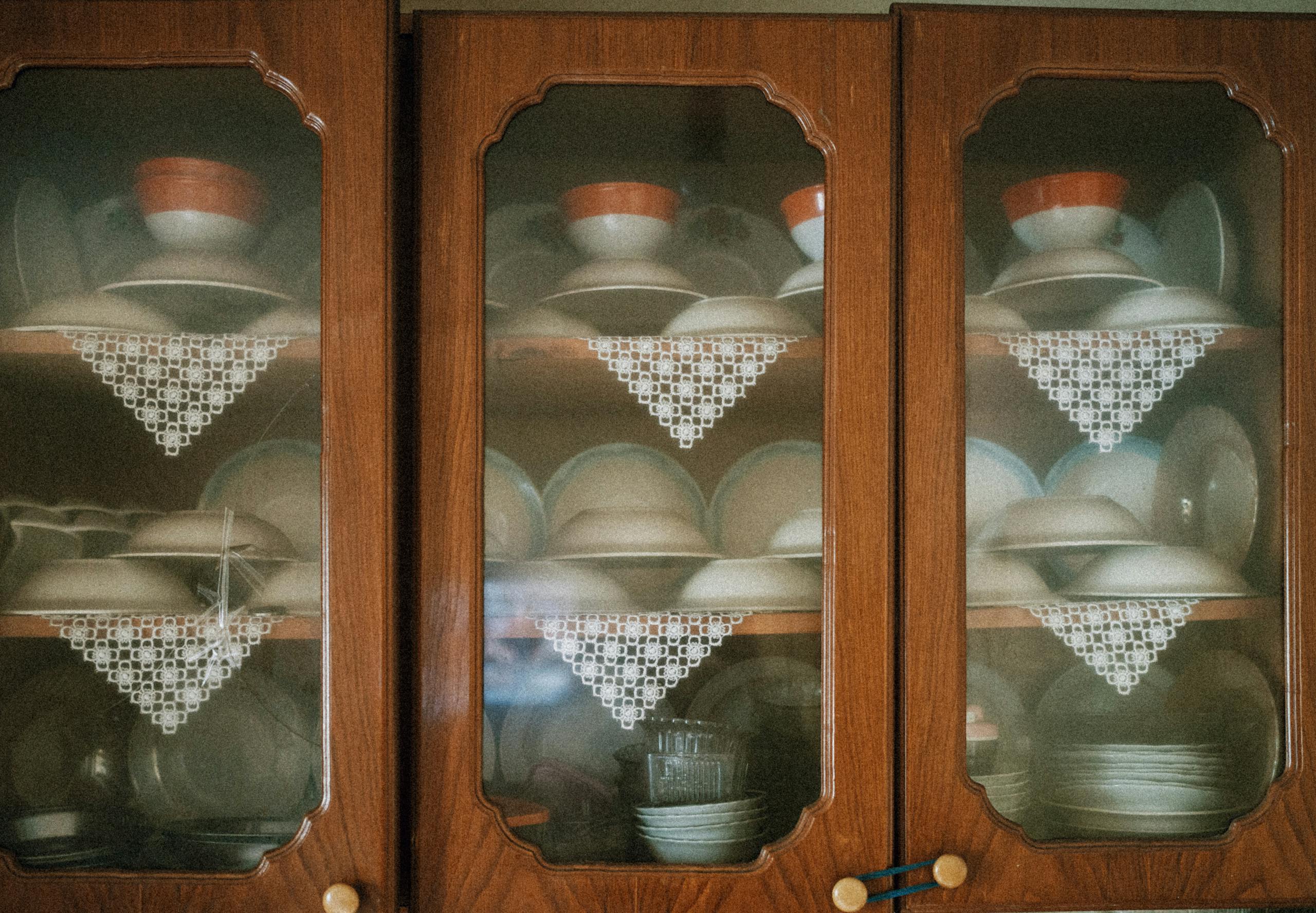
Every Boomer dining room seems to have one sacred cabinet filled with plates, teacups, crystal glasses, serving bowls, and silverware that apparently require a federal holiday before anyone can use them. The dishes sit behind glass like museum artifacts, protected from fingerprints, dishwashers, children, and casual Tuesday dinners. Younger relatives look at them and wonder why a plate needs better security than a laptop.
For Boomers, the china cabinet was never just storage. It represented adulthood, hospitality, marriage, family pride, and the idea that special occasions deserved special dishes. Younger generations often prefer smaller homes, simpler entertaining, and fewer inherited possessions, which is one reason many families now struggle to pass down their parents’ old stuff.
The china cabinet may no longer host Sunday dinner, but it still carries the emotional weight of weddings, holidays, and a time when setting the table felt like an event.
VHS Tapes No One Can Play Anymore
Somewhere in the house, there is a box of VHS tapes labeled in fading marker. It may include Disney movies, old football games, workout videos, soap opera episodes, family vacations, and a wedding recording nobody has watched in 20 years. The biggest problem is not always the tapes. It is finding a working VCR that does not sound like it is chewing gravel.
To younger Americans, VHS tapes feel ancient because everything now lives on streaming apps, phones, or cloud storage. Yet the format refuses to disappear completely, with some Americans still holding onto physical media and even still watching VHS. For Boomers, those bulky black rectangles hold real memories.
A home video of a child’s birthday or a Christmas morning from 1989 cannot simply be replaced by a streaming subscription.
Landline Phones That Mostly Attract Spam Calls
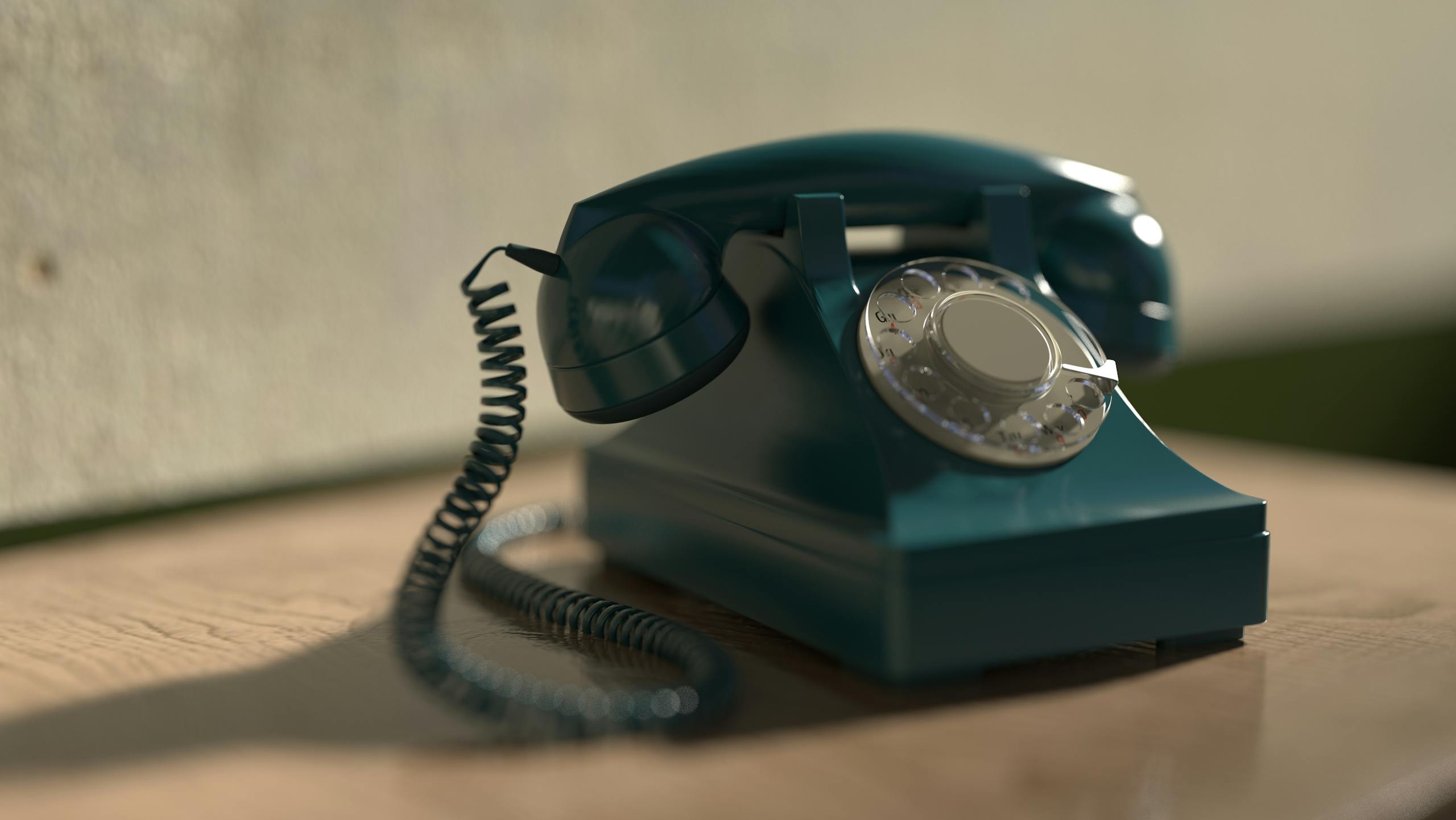
The landline phone may be the most stubborn survivor in the Boomer household. It sits on the kitchen counter, hallway table, or bedroom nightstand, as if it still has serious business to handle. These days, when it rings, the caller is often a telemarketer, a robocall, a medical reminder, or someone asking about a car warranty nobody wants.
Still, many Boomers keep the landline because it feels reliable. It worked before passwords, dead batteries, cracked screens, software updates, and lost chargers became part of daily life. Most U.S. adults now live in wireless-only households, which makes the old home phone feel even more like a household relic.
For Boomers, though, it is backup, habit, and comfort. It may barely ring for the right reasons anymore, but it still feels like a safety net.
Entertainment Centers Built for Giant Box TVs
Before flat screens took over American living rooms, televisions were enormous pieces of furniture that required strength, patience, and sometimes two cousins to move. Boomers bought entertainment centers built for those giant box TVs, complete with shelves for VHS tapes, DVDs, stereo systems, framed family photos, cable boxes, and decorative candles nobody lit.
These units were not just furniture. They were living room command centers.
Now the flat screen hangs on the wall, and the giant square hole in the entertainment center looks confused about its purpose. Younger people may see outdated furniture, but Boomers see solid wood, storage space, and something that costs too much money to toss.
The entertainment center may no longer fit modern technology, but it still does what Boomer furniture was built to do: stand there forever and refuse to fall apart.
Mystery Cord Drawers That No One Dares Empty
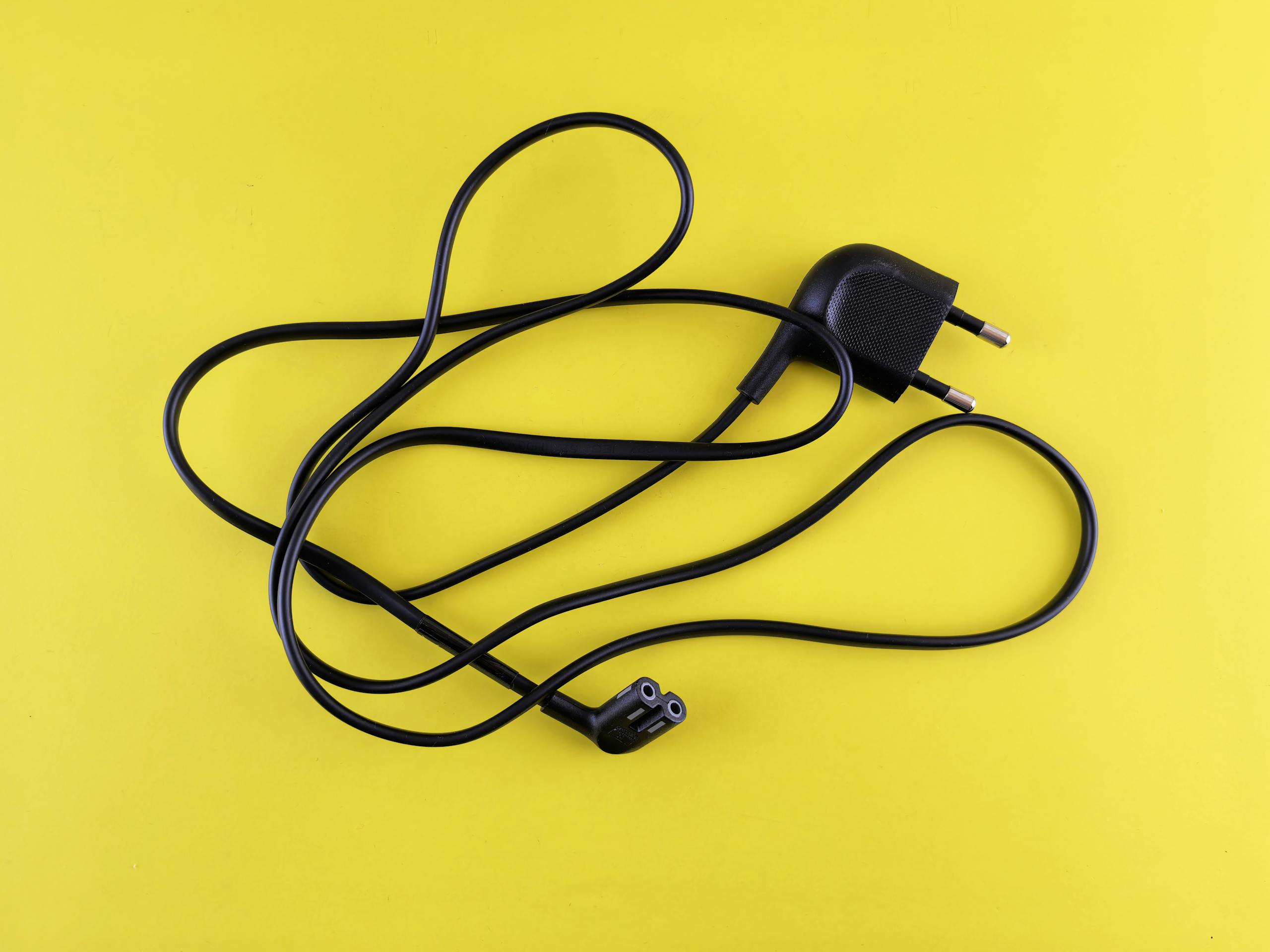
Every Boomer home has a drawer, box, basket, or plastic tub full of cords that look like they belong to a lost NASA mission. There are chargers for phones that disappeared years ago, printer cables, DVD player wires, camera cords, adapters, extension cords, and one black cable everyone is afraid to throw away because it “might go to something important.” Nobody knows what it powers, but apparently, that is not enough reason to get rid of it.
This habit comes from a practical place. Boomers lived through decades of changing technology, and every gadget came with its own cord. Throwing one away too soon could mean losing the ability to use a camcorder, a radio, a computer, or a printer. The problem is that the gadgets are left, but the cords stayed behind. Modern homes are full of outdated devices, and properly recycling them matters because old electronics contain materials that can harm the environment if handled improperly, especially when people keep piles of old devices instead of recycling them safely.
Phone Books That Somehow Survived Google
There is no logical reason a phone book should still be in a modern home, yet many Boomers still have one tucked in a drawer, cabinet, garage shelf, or kitchen corner. It may be 15 years out of date, but there it sits, proudly waiting as the internet might fail and America returns to alphabetized plumbing ads. Younger people search for everything in seconds, but Boomers remember when the Yellow Pages were the search engine.
The phone book was once essential. It helped people find doctors, restaurants, repairmen, churches, schools, neighbors, and pizza places before every business had a website and every person had a smartphone. Over time, states and phone companies moved away from automatic printed directories as online search replaced mandatory paper delivery. Keeping one now may seem funny, but it also reflects a deeper instinct. Boomers trust paper because it doesn’t require Wi-Fi, a password, or a software update.
Boxes of Old Greeting Cards

Boomers do not throw away greeting cards casually. Birthday cards, graduation cards, Christmas cards, sympathy cards, thank-you notes, anniversary cards, and Mother’s Day cards often live in drawers, closets, shoe boxes, and storage bins for years. Some are from people who have passed away. Some are written in the shaky handwriting of children who now have children of their own.
To younger generations, old cards can look like paper clutter. To Boomers, they are proof that someone cared enough to choose a card, write a message, sign a name, and put it in the mail. Americans still buy billions of cards each year, with about 6.5 billion purchased. That helps explain why old cards feel different from junk mail. A greeting card may no longer serve a practical purpose, but sometimes memory is the purpose.
Conclusion
The things Boomers keep in their homes may look outdated to younger Americans, but they are not always meaningless. China cabinets, VHS tapes, landlines, entertainment centers, phone books, mystery cords, and old greeting cards all come from a world where people saved more, repaired more, printed more, and trusted physical things more than digital convenience.
Younger generations may laugh at the clutter, and sometimes the laughter is fair. No one needs eight cords for devices they no longer own. Still, these objects tell a story about American life before everything became disposable, downloadable, and replaceable. Boomers keep these things because they remember when objects had weight, memories had paper trails, and “you never know” was a good enough reason to save almost anything.
That may be the real difference between generations. Younger Americans ask, “Do I still use this?” Boomers ask, “What if I need it someday?” Somewhere between those two questions is a house full of memories, a drawer full of cords, and a china cabinet waiting patiently for a holiday dinner that may never come.