American growers, breeders and foragers work with a wider range of berries than most grocery shelves suggest. Some were domesticated in the early 1900s, some were bred at universities, and others still grow wild in the mountains. Here are ten berries grown in America, from blueberries to marionberries, and what makes each one distinct.
1. Blueberry: Cultivated only since the early 1900s
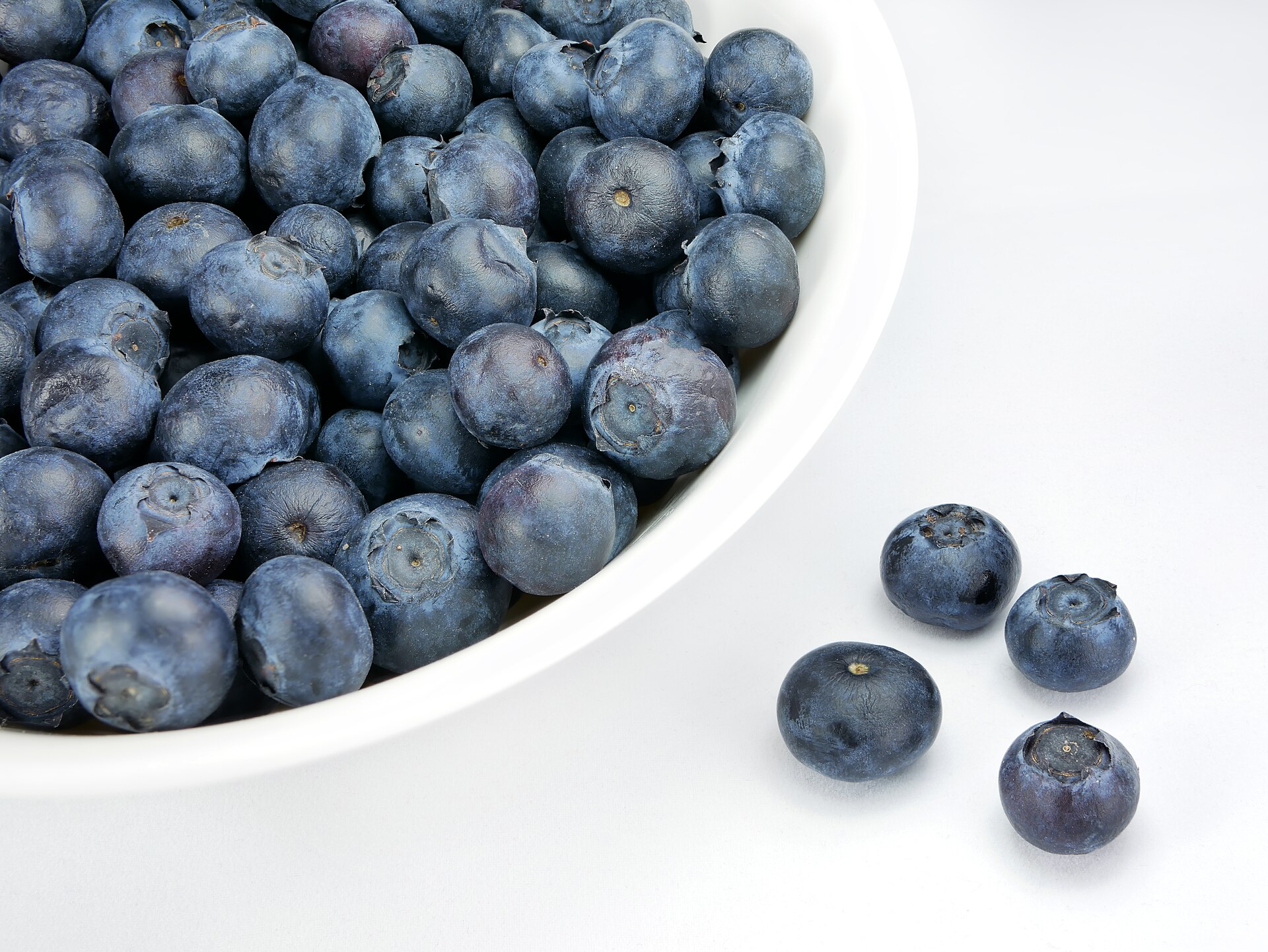
Blueberries are native to North America and have been part of life here for 13,000 years, according to the blueberry industry. The first highbush blueberry bush was successfully cultivated for commercial production in the early 1900s.
The breakthrough came from a partnership. Elizabeth White, a New Jersey farmer, joined forces in 1911 with Frederick Coville, a botanist at the United States Department of Agriculture who began experimenting with wild blueberries in 1908. Their first successful field plantings came in 1912, and the team harvested and sold its first commercial crop of highbush blueberries in 1916.
2. Cranberry: Massachusetts bogs since 1816
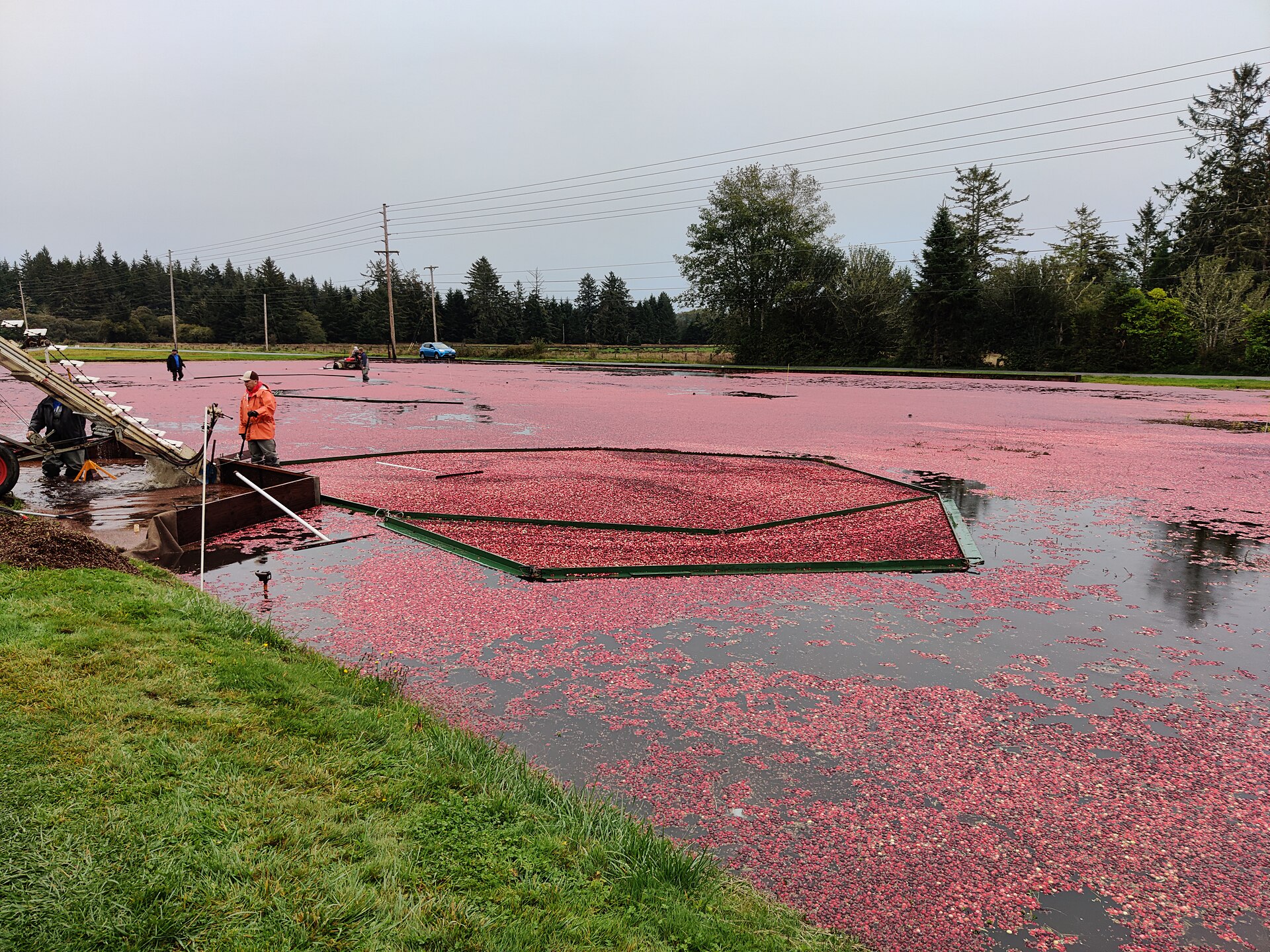
Cranberries grow in bogs that were left behind by melting glaciers, and the Massachusetts cranberry growers say the berries were first commercially cultivated in Dennis, Massachusetts, in 1816. European settlers who met the fruit in New England in the 1600s called it “craneberry.”
The industry grew steadily. The first cranberry growers’ association formed in 1871, and by 1885 Plymouth and Barnstable counties had become major cranberry-growing areas. The industry boomed around 1900 and became iconic on Cape Cod. Massachusetts growers report that about 40,000 acres are harvested there each year.
3. Strawberry: California’s breeding program
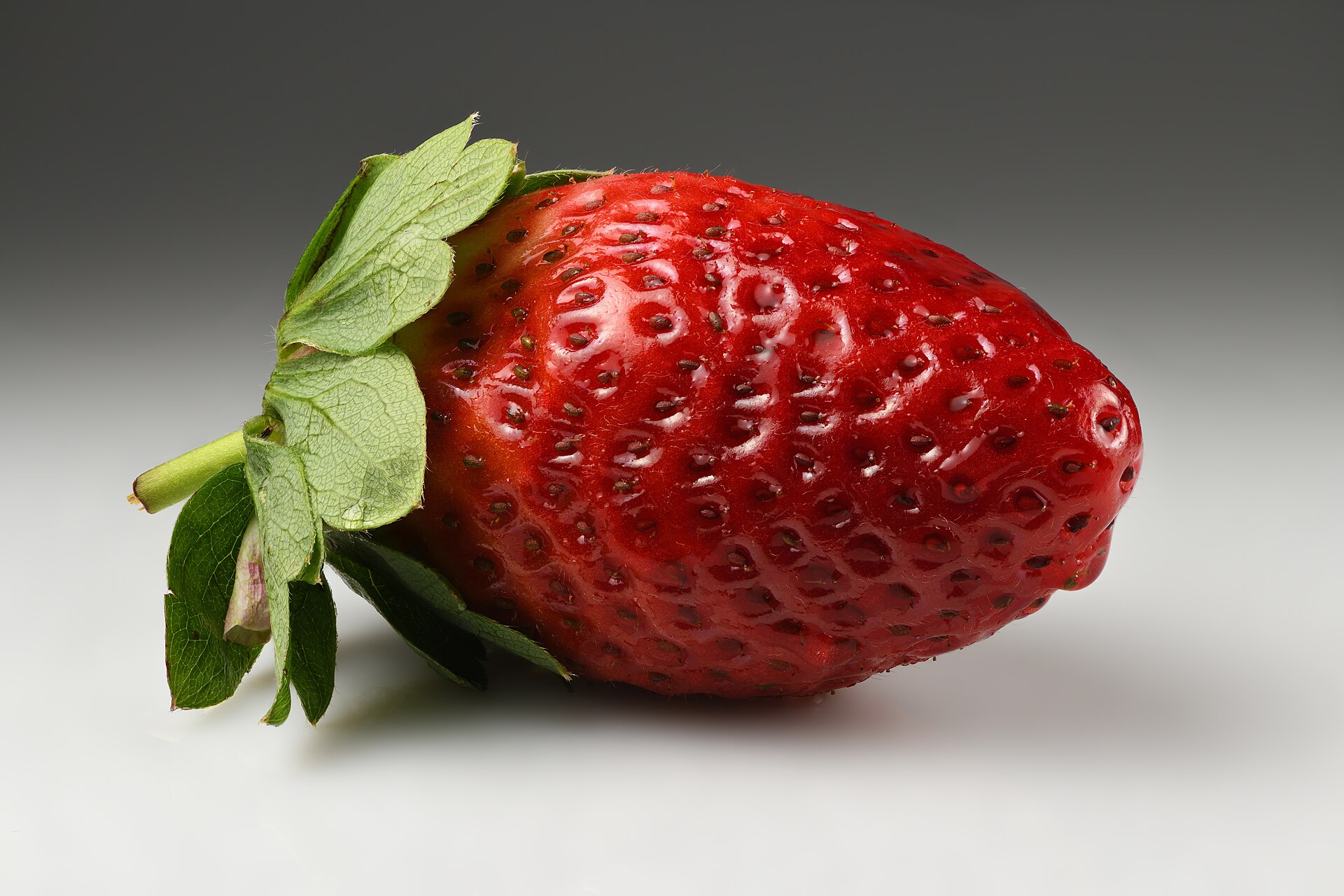
California’s strawberry industry owes a lot to a university program. According to UC Davis, the breeding effort began at UC Berkeley in the late 1920s, led by plant pathologist Harold E. Thomas, who became known as the father of the California strawberry industry.
The program released five new varieties in 1945: Shasta, Lassen, Sierra, Tahoe and Donner. Later, the Tioga variety, released in 1964, made up more than half of California’s strawberry plantings during the late 1960s and 1970s. The Selva and Chandler varieties followed in 1983, all developed at UC Davis, which revived the program in 1952.
4. Marionberry: An Oregon blackberry from 1956
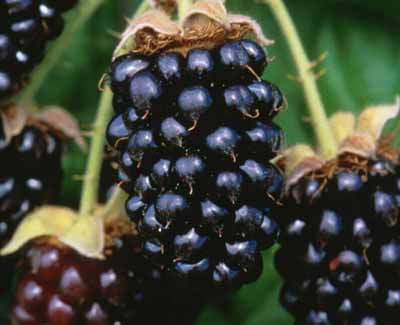
The marionberry is a blackberry cultivar released in 1956 by the United States Department of Agriculture Agricultural Research Service breeding program, in cooperation with Oregon State University. Its origin is listed as Marion County, Oregon.
Wikipedia reports that the marionberry came from crossing the Chehalem and Olallie cultivars, and that its pedigree includes a small share of red raspberry. Growers commonly prune and train the canes on trellises. Marionberries are not considered invasive, because they do not readily germinate to grow new canes from seed.
5. Boysenberry: Named for a friend of Walter Knott
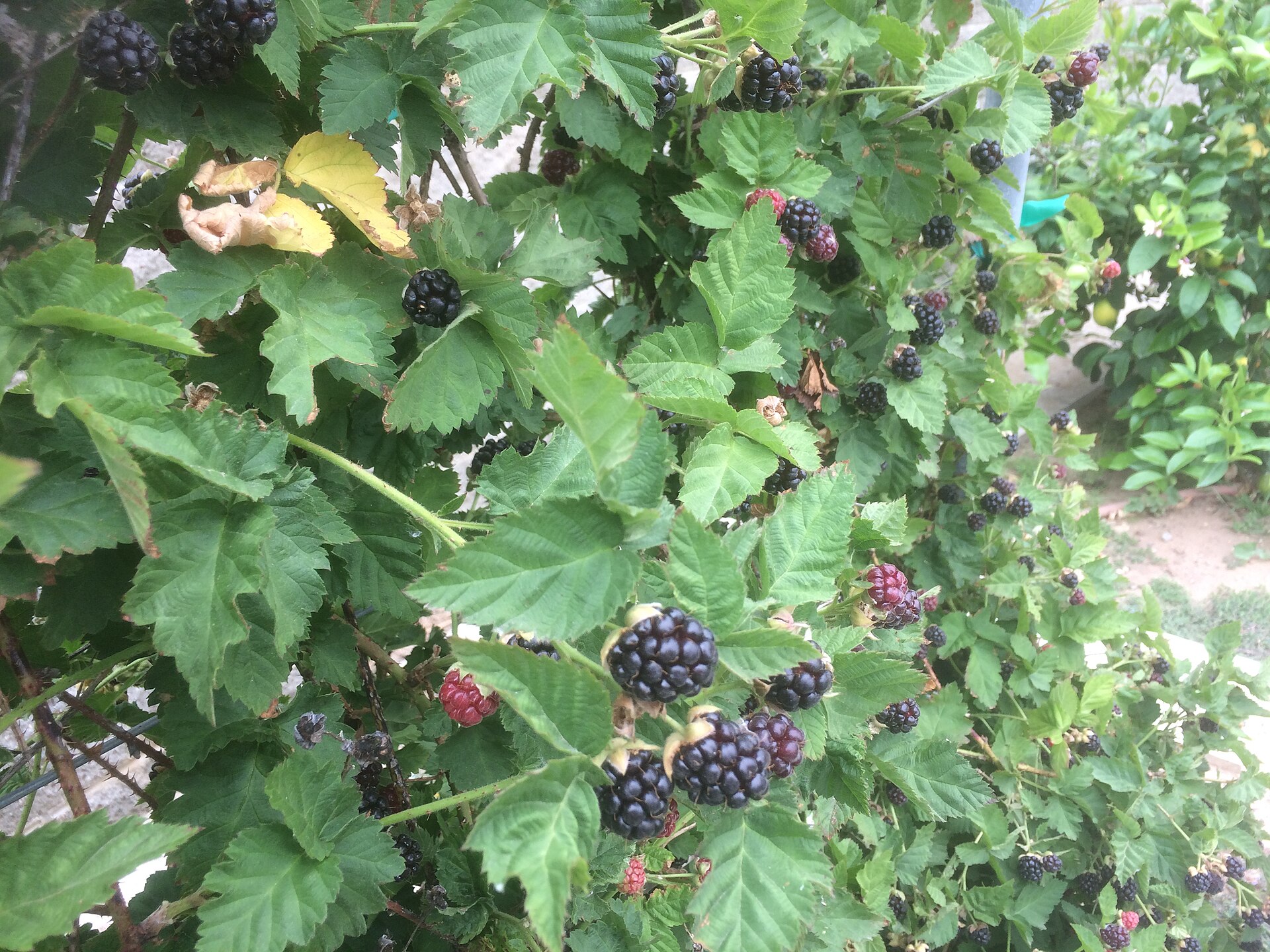
Walter Knott and his wife, Cordelia, moved onto a homestead near Buena Park, California, in 1920, and part of that land is now Knott’s Berry Farm. The National Park Service says that during the late 1920s and early 1930s the family sold berry plants directly from the farm.
In the 1930s Knott worked with a friend, Rudolph Boysen, to develop a cross between red raspberries and blackberries. When the cross succeeded, Knott named the new berry the boysenberry after his friend. Cordelia Knott then made jams and jellies from her husband’s boysenberries, a sideline the park service describes as successful in its own right.
6. Raspberry: A cool-climate crop in the Northwest
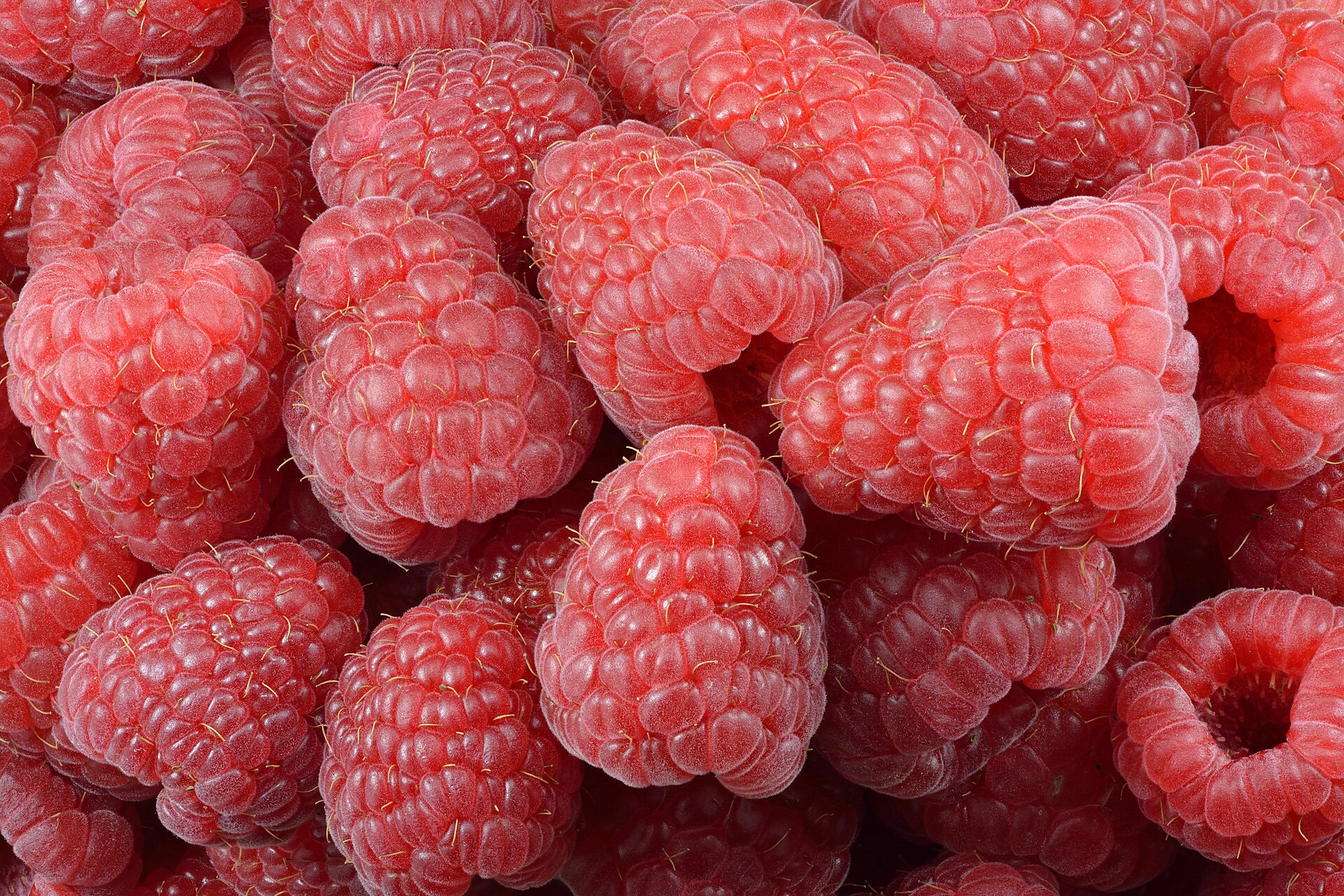
Raspberries are perennials with woody stems, and Wikipedia notes that they are cultivated across northern Europe and North America. They are eaten as whole fruit and used in preserves, cakes, pastries, ice cream and liqueurs.
Oregon and Washington play a special role in a production method called long cane production. Growers there raise canes for a year in the northern climate, where the plants get the winter chilling they need for proper bud break. The canes are then dug up, roots and all, and replanted in warmer places such as Spain. In North America, the raspberry fruitworm is among the pests that feed on the plants.
7. Blackberry: Oregon leads the country
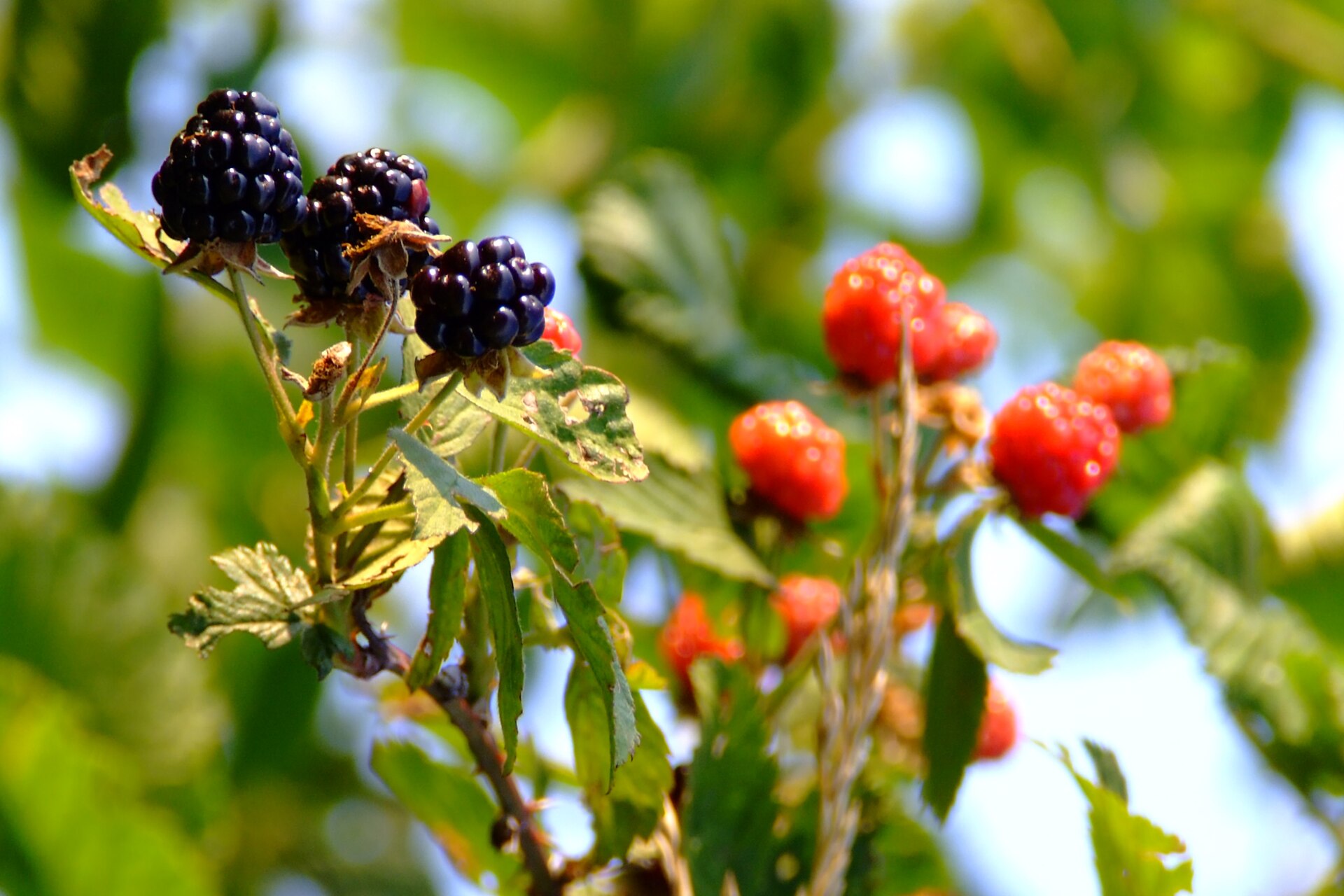
In the United States, Oregon is the leading commercial blackberry producer, according to Wikipedia. The state produced 42.6 million pounds of blackberries on 6,300 acres in 2017.
In the western states, blackberries and raspberries are sometimes grouped together under the name caneberries. The wild side of the family is less welcome: the Himalayan blackberry is considered a noxious weed and invasive species in many parts of the Pacific Northwest, where it grows out of control in parks and woodlands. Marionberries, by contrast, trace back to Oregon breeding.
8. Huckleberry: A wild berry of the northern Rockies
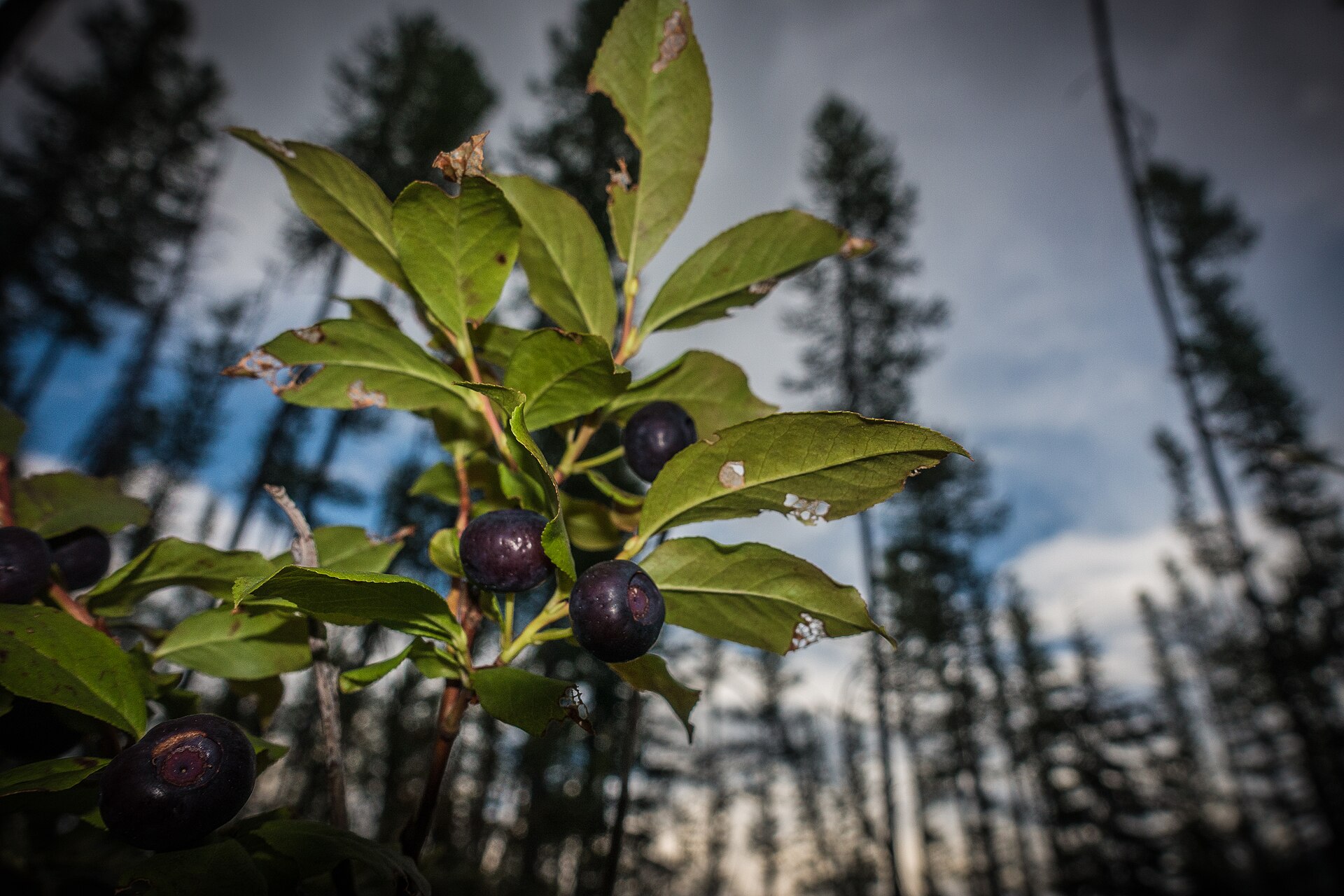
Thinleaf huckleberry, the species known as Vaccinium membranaceum, is a native shrub of western mountains. The United States Forest Service describes it as a dominant shrub in subalpine fir forests of northern Utah.
Forest Service researchers also describe habitat types built around the plant in south-central and southwestern Montana, eastern Idaho and western Wyoming. In Montana it is a major part of the undergrowth in older stands of Douglas-fir and subalpine fir. The plant grows at elevations from about 3,000 to 9,650 feet in Montana and from about 8,202 to 10,318 feet in Utah.
9. Elderberry: Native species across the Americas
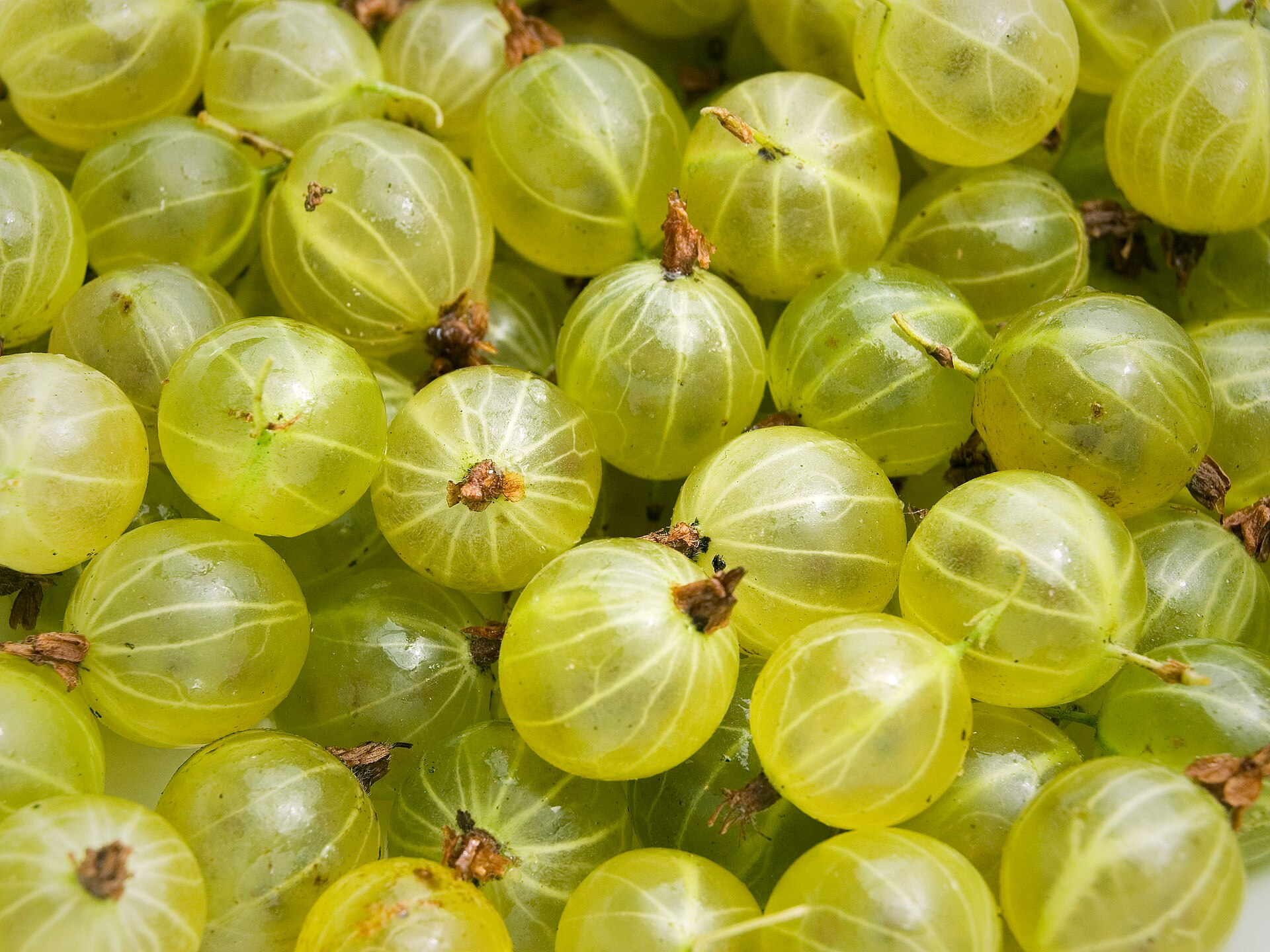
The elderberry genus, Sambucus, is native to most parts of the world, including the Americas, according to Wikipedia. Species listed there include Sambucus canadensis in the southeastern United States and relatives in the western and northern parts of North America.
Elderberries are also a commercial crop. Wikipedia cites a 2021 scientific analysis of commercial elderberry juice made from Sambucus nigra subsp. canadensis in Illinois. The same entry notes that the plant name is tied to a wind instrument, since the pith of the twigs was once removed to make a pipe.
10. Gooseberry: Once common, now restricted in places
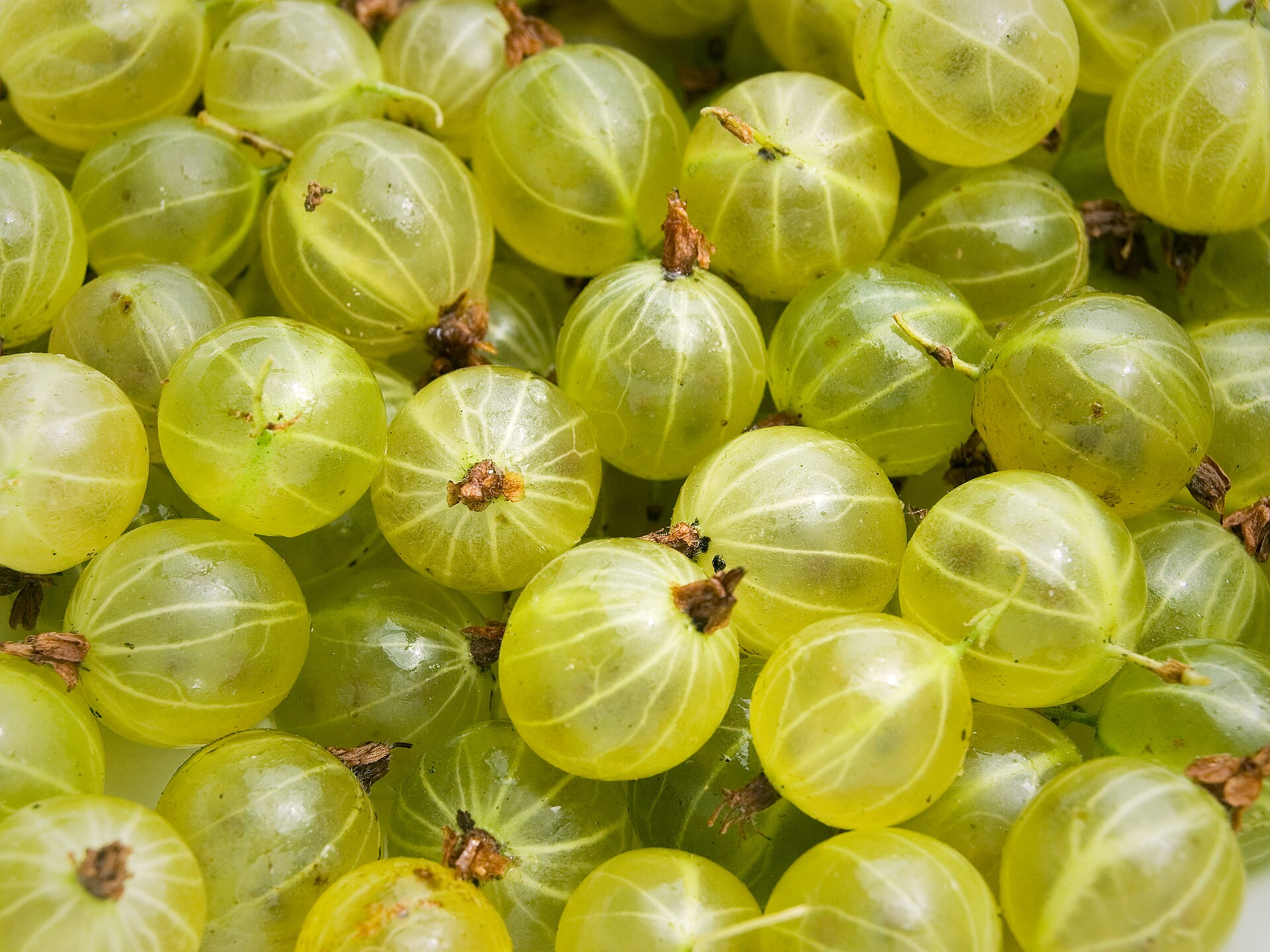
Gooseberries were more common in North America before it was discovered that they carry blister rust, a disease deadly to certain pines, Wikipedia reports. The discovery led to their removal from forest areas.
Gooseberries, like other members of the genus Ribes, are banned or restricted in several states because they are secondary hosts for white pine blister rust. Even so, people still cultivate them for the sweet fruit, and numerous cultivars have been developed for both commercial and home use. Gardeners also grow them as insect habitat.
This article was produced with AI assistance and edited for accuracy against the sources linked above.