A parent sits at the kitchen table in August with a school supply list, a laptop open to the district portal, and a cart full of pencils, folders, snacks, tissues, headphones, and shoes the child outgrew too fast. The new school year has not even started, and the bill already feels personal. For many American families, school is public, but it rarely feels free.
That is the part people overseas often struggle to understand. American schools are supposed to represent opportunity, safety, discipline, and the promise of a better future. Yet many families also deal with supply costs, lunch balances, early alarms, unequal resources, sports pressure, safety drills, and constant fundraising. The system can look impressive and exhausting at the same time.
These things about American schools shock people overseas because they reveal how much pressure can hide inside normal routines. A child may be learning math, reading, and science, while parents are learning how expensive “free education” can become. Teachers stretch budgets, kids feel social pressure, and families quietly compare what one district offers that another district cannot.
The uncomfortable truth is that American schools often reflect America itself. They can be creative, ambitious, diverse, competitive, and full of possibility. They can also be unequal, costly, anxious, and strangely dependent on families filling the gaps. That contradiction is what makes outsiders stare, and Americans argue.
Lockdown Drills That Make Fear Feel Routine
One of the most shocking things about American schools is how normal lockdown drills have become. Children learn where to hide, when to stay quiet, and how to follow instructions in the event of a threat. For American parents, the drills may feel necessary because safety has become part of the school conversation. For many people overseas, the idea that children practice hiding from danger at school feels deeply unsettling.
The fear is not imaginary, even if schools remain safe places for most students most days. From 2000 through 2022, there were 328 casualties in active shooter incidents at elementary and secondary schools, based on school safety data. That number does not capture every kind of fear children and parents feel, but it explains why drills exist. It also explains why outsiders question a system that includes childhood safety training focused on silence, locked doors, and worst-case thinking.
School Funding That Can Depend on the Neighborhood
People overseas are often surprised by how much a child’s school experience can depend on where their family lives. One district may have modern buildings, strong programs, updated technology, and a wide menu of classes. Another may struggle with aging facilities, fewer electives, larger class sizes, and fewer extras. The difference can feel less like education policy and more like a zip code lottery.
A major reason is how school money is raised and distributed. On a national basis, local property taxes made up 36 percent of total public school revenue in 2020 to 2021, and 83 percent of local public school revenue came from local property taxes. That connection can shock outsiders because it ties public education to neighborhood wealth. Families in expensive areas often get advantages before a child even opens a textbook.
Lunch Debt That Turns Hunger Into Shame
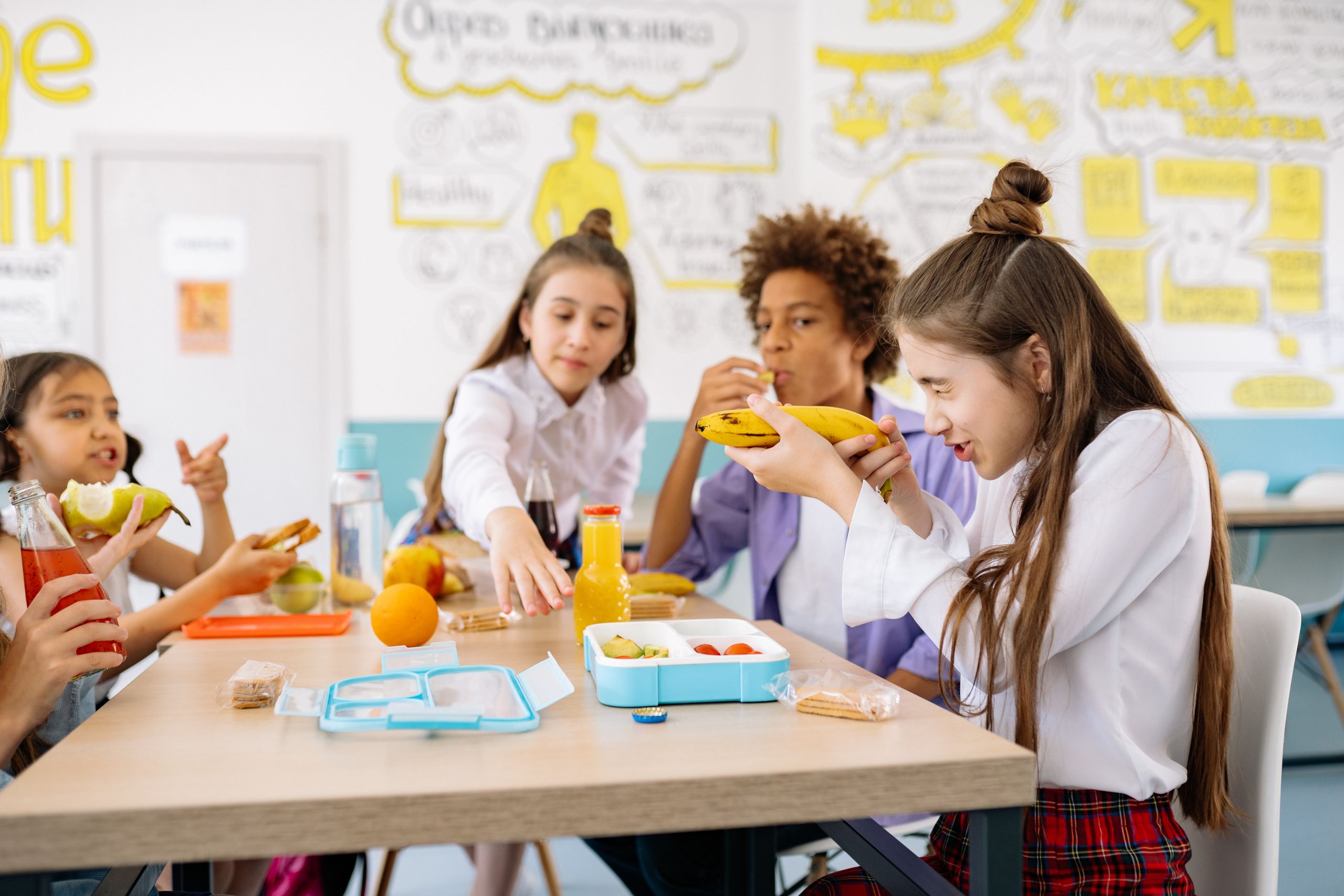
School meals are another American school issue that can surprise people overseas. A child may walk into a cafeteria needing lunch, but the family’s account balance can take up the day. Some districts work hard to avoid embarrassment, yet the idea of meal debt attached to children still feels harsh to many outsiders. Food at school sounds like a basic need, not a financial test.
The burden can also create stress for administrators and parents. In one national survey, the reported median unpaid meal debt rose from $5,164 in November 2022 to $5,495 in November 2023 among responding programs, and unpaid balances totaled millions across districts reporting unpaid meal debt. That may sound like paperwork, but behind every balance is a family budget. For parents living paycheck to paycheck, even small charges can feel like another reminder that nothing is truly simple.
Early Start Times That Fight Teen Sleep
Many American teenagers wake before sunrise, rush through breakfast, and sit in class while their bodies are still begging for sleep. Parents know the morning battle well. Alarms ring, buses arrive early, and students stumble through the first part of the day half-awake. People overseas often wonder why schools expect adolescents to perform well while working against their natural sleep patterns.
Health experts have long warned that later starts can help teens get more rest. Middle and high schools have been advised to start no earlier than 8:30 a.m., according to school start times guidance. Yet bus schedules, sports, parent work hours, and district logistics keep many schools starting early. The result is a system where teenagers are told to focus, while the schedule itself makes it harder to focus.
Back-to-School Shopping That Feels Like a Second Bill

American families often treat back-to-school shopping like a seasonal ritual, but the cost can sting. Supplies, clothes, shoes, lunch boxes, backpacks, technology, sports gear, classroom donations, and activity fees can pile up quickly. Parents may joke about it, but many feel the pressure before the first bell rings. To outsiders, public schools can look surprisingly expensive once the hidden shopping list comes to light.
The spending culture around school is also enormous. Back-to-school shopping has been tracked for years through national consumer surveys on clothing, supplies, electronics, and other items, as shown in back-to-school spending data. That does not mean every purchase is wasteful or optional. It means American families often shoulder many small costs, making public education feel less public than advertised.
School Sports That Can Overshadow the Classroom
People overseas often notice how seriously American schools treat sports. Friday night football games, marching bands, pep rallies, college scouts, athletic scholarships, booster clubs, and stadium lights can make school feel like a community entertainment system. For many families, sports build discipline, confidence, friendship, and local pride. For others, the scale can seem strange when academic programs, arts, or mental health supports are fighting for attention.
The pressure can also become personal for students. A teenager may feel that their athletic performance affects identity, popularity, family pride, or future opportunity. Parents may spend heavily on equipment, travel teams, camps, and private coaching before college is even on the horizon. Other countries may value sports too, but the American school sports machine can look unusually intense and expensive.
Fundraisers That Make Families Pay Again
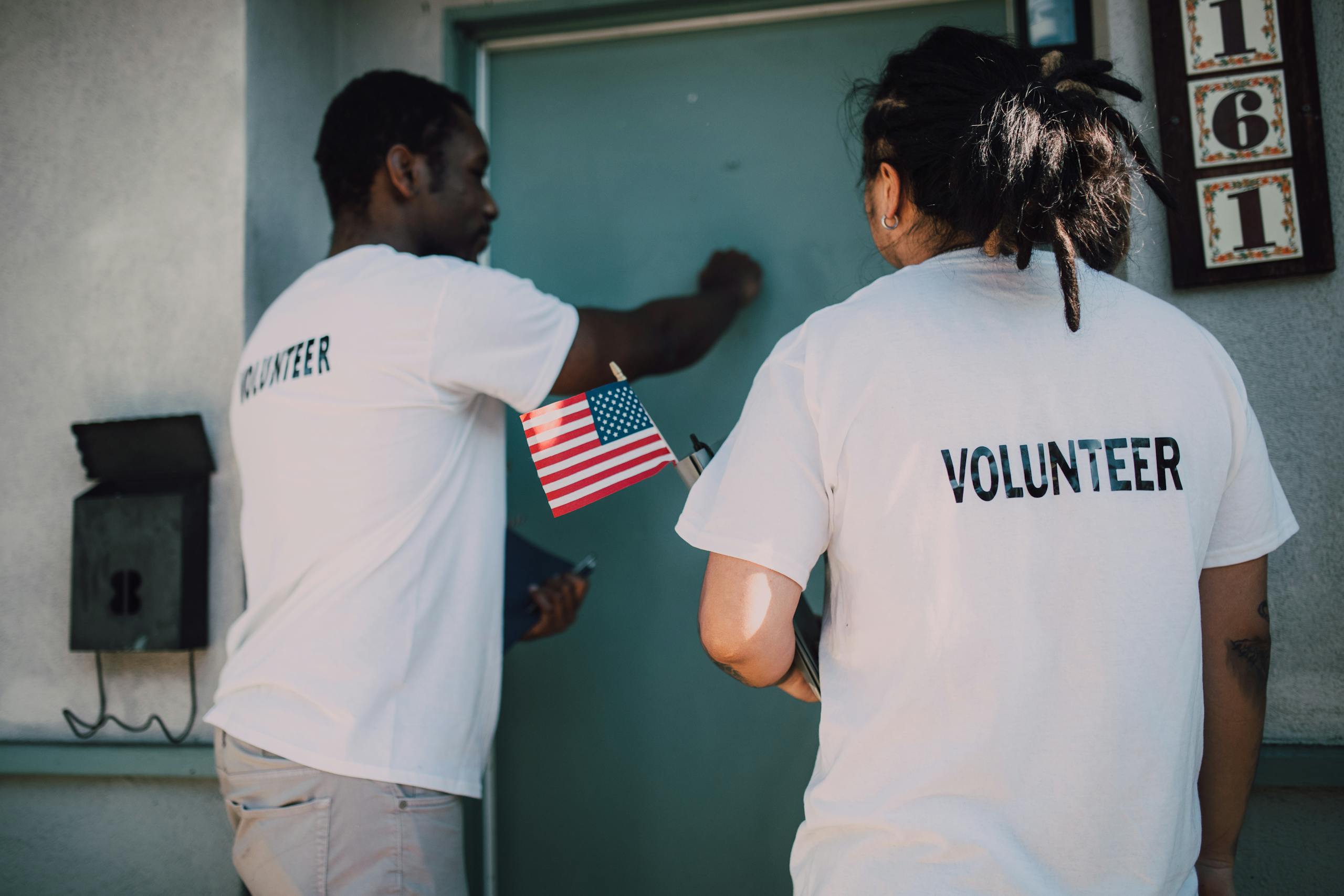
American schools often rely on fundraisers for things that should already be covered. Children sell candy, wrapping paper, coupon books, popcorn, raffle tickets, and spirit wear to help fund activities, classroom needs, trips, and programs. Parents may participate because they want to support the school, but the pressure can feel awkward. Nobody wants their child to be the one who did not sell enough.
This can shock people overseas because it makes public education feel partly dependent on private hustle. Families with more money, bigger social networks, or flexible work schedules can contribute more easily. Families already stretched thin may feel guilty for saying no. The fundraiser looks cheerful on the surface, but beneath it lies a hard question: why do schools need children to sell things to fill gaps?
Conclusion
American schools can be impressive, energetic, and deeply committed to helping children succeed. Many teachers, parents, staff members, and students work hard every day inside a system that asks a lot from everyone. That is why the criticism can feel personal to Americans. People are not only defending schools; they are defending the effort they pour into making those schools work.
Still, the things about American schools that shock people overseas deserve honest attention. Lockdown drills, neighborhood-based funding gaps, lunch debt, early start times, back-to-school costs, sports pressure, and constant fundraising all reveal hidden burdens. They affect children in classrooms, parents at kitchen tables, and teachers trying to do more with less.
Maybe the real question is not why outsiders are shocked. Maybe the better question is: why have so many American families learned to treat these pressures as normal? If school is supposed to prepare children for the future, should it really begin with so much fear, cost, and inequality?