For almost five decades, Wild Waves Theme Park in Federal Way, Washington, was more than a weekend getaway; it was a summer ritual. Children begged for one last ride, teenagers raced down water slides, and parents navigated the park with sunscreen and towels, carrying their youngest in tow. Generations of families have returned year after year, making the park a living archive of laughter, thrills, and first experiences that cannot be replicated.
Now, that chapter is ending. Wild Waves is set to close permanently at the end of the 2026 season, with its final gates closing on Nov. 1, 2026. The news has left locals stunned, nostalgic, and emotionally raw. Social media feeds are flooded with posts recounting birthday trips, first roller coaster rides, and summers spent cooling off in its sprawling water attractions. “I hope a new owner can save it,” one visitor wrote, capturing a community’s desperate wish to preserve more than a park, a piece of childhood itself.
A Regional Landmark With Deep Roots
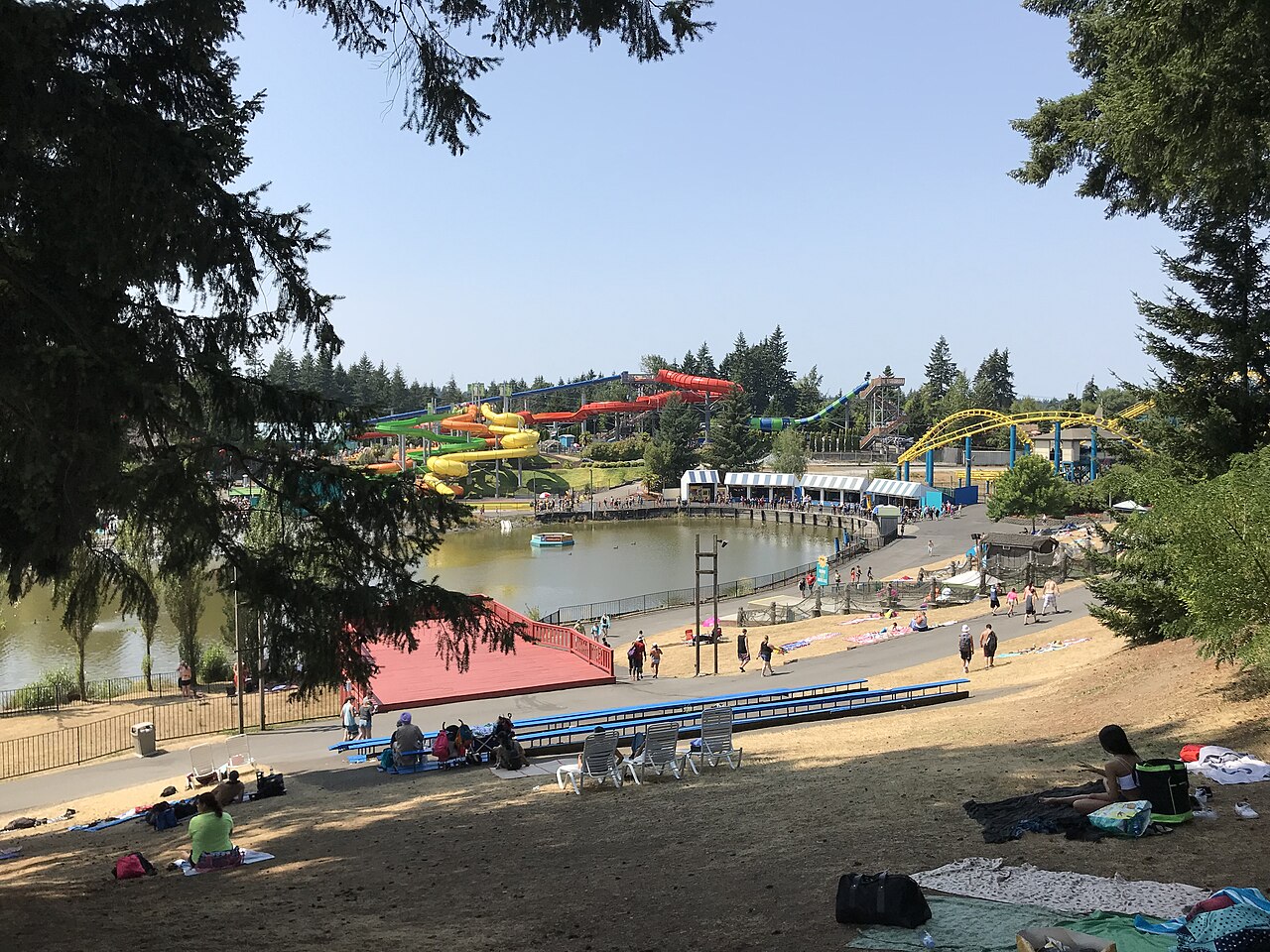
Opening in 1977, Wild Waves quickly became a fixture for Pacific Northwest families. Unlike larger theme parks, it offered a rare combination of traditional amusement rides and water attractions, giving children and adults a full day of excitement in one location. Its signature wooden roller coaster, Timberhawk: Ride of Prey, thrilled generations while winding through tree-lined sections of the park. Over the years, the park added slides, wave pools, and seasonal events, constantly refreshing its offerings while remaining a familiar home for family traditions.
More than just rides, Wild Waves was a local institution. School field trips, summer camps, and charity events regularly brought kids to the park, cementing its role as a gathering space for the community. Parents who visited as children often returned with their own kids, continuing a cycle of memories that stretched across generations. Its closure is not simply the loss of entertainment; it is the disappearance of a shared cultural space where countless childhoods intersected.
Financial Pressures Behind the Closure
Premier Parks, the park’s operator, confirmed the closure is due to rising operating costs and mounting financial losses, which surged after the COVID-19 pandemic. Even after reopening, maintaining rides, water attractions, and safety compliance proved expensive. Insurance, staffing, energy costs, and ongoing maintenance for aging infrastructure created a financial burden that nostalgia alone could not offset.
This mirrors a nationwide trend where beloved parks face harsh economic realities. While nostalgia drives visitor sentiment, it does not cover millions in operational losses. Wild Waves survived economic recessions, competitive pressures, and decades of changing amusement trends, but the post-pandemic financial environment left the park with no viable path forward under its current ownership.
A National Trend of Nostalgic Loss
Wild Waves’ closure is part of a larger story in the theme park world. Across the U.S., longtime attractions are being dismantled or revamped, prompting emotional backlash from fans. Universal Orlando recently began tearing down sections of its Lost Continent area at Islands of Adventure, and Walt Disney World is replacing classic Frontierland rides to make way for new expansions.
For many Americans, these closures sting because theme parks are repositories of memory. They anchor childhood summers, first dates, and family vacations in a physical space that carries emotional weight. Wild Waves’ fate resonates beyond Washington because it exemplifies a universal tension: beloved experiences being sacrificed in the face of economic pressures and modernization.
What Made Wild Waves Unique
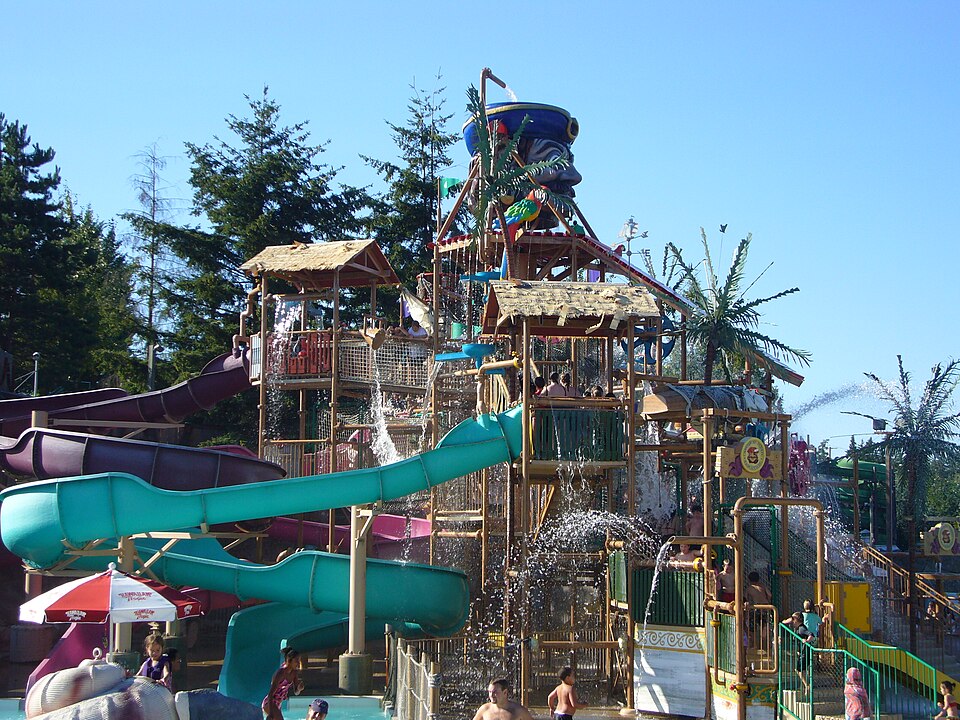
While many regional parks offer rides or water attractions, Wild Waves’ strength was its blend of both, along with its family-friendly accessibility. Unlike massive national parks, it was reachable for day trips, school outings, and casual weekend visits. Its combination of wooden coasters, water slides, and seasonal events provided variety, ensuring that each summer held something new without losing the charm of familiarity.
The park’s seasonal programming also drew crowds. Summer splash days, Halloween events, and birthday celebrations offered unique, repeatable experiences that gave families a reason to return year after year. Losing these features removes a rare space that balanced thrill, nostalgia, and affordability in one place.
The Uncertain Future
Unless a buyer steps in, Wild Waves will close for good, leaving a void in Federal Way’s summer landscape. The park could be sold, redeveloped, or repurposed, but for now, locals are bracing for a final goodbye. The last season may become a farewell tour, with families revisiting one last time to ride favorite attractions, take photos, and honor the memories built over decades.
The closure is a reminder of the fragility of regional entertainment spaces. While larger, corporate parks continue to expand and modernize, smaller local parks often struggle under operational pressures. Wild Waves represents the intersection of community, nostalgia, and economics, making its closure a story that resonates far beyond its gates.
Nearly 50 Years of Summers Will Be Hard to Replace
As the 2026 season approaches, families across Washington are preparing for a bittersweet end. The laughter, the screams, and the long summer days at Wild Waves cannot be replaced. For generations, it was a backdrop for milestones, first roller coaster rides, summer jobs, and weekend traditions. Its loss is profound, reminding Americans that some spaces, no matter how beloved, can disappear, taking decades of memories with them.
For the Pacific Northwest, the final ride will mark the end of an era, and the gates closing on Nov. 1 will signal more than the end of a park; it will signal the fading of a shared cultural heartbeat. Wild Waves may be gone, but its impact on childhood summers, family bonds, and community identity will linger far longer than its wooden coasters ever could.