We built the modern workday around the chair. We sit to work, sit to commute, sit to eat, sit to relax, then sit again while scrolling through a screen that convinces us we are resting. The body, however, does not read sitting as neutral; it interprets long stillness as a signal to slow metabolism, reduce circulation, and store energy as fat.
Even short periods of inactivity start to alter insulin sensitivity, hormone balance, and cardiovascular efficiency, meaning the effects of sitting accumulate silently day after day. The phrase “sitting is the new smoking” became popular because prolonged sitting has been linked with higher risks of early death, heart disease, diabetes, obesity, back pain, poor circulation, and certain cancers.
The comparison does not mean that sitting carries the same chemical toxicity as cigarettes. It means that constant sitting exposes the body to repeated stressors that quietly degrade health over the course of decades. Mayo Clinic research notes that people who sit more than eight hours a day with no physical activity have a risk of dying comparable to obesity and smoking, yet even 60 to 75 minutes of moderate activity per day can significantly offset this risk, highlighting that small movement interventions have large protective benefits.
Heart Health Suffers When You Sit All Day
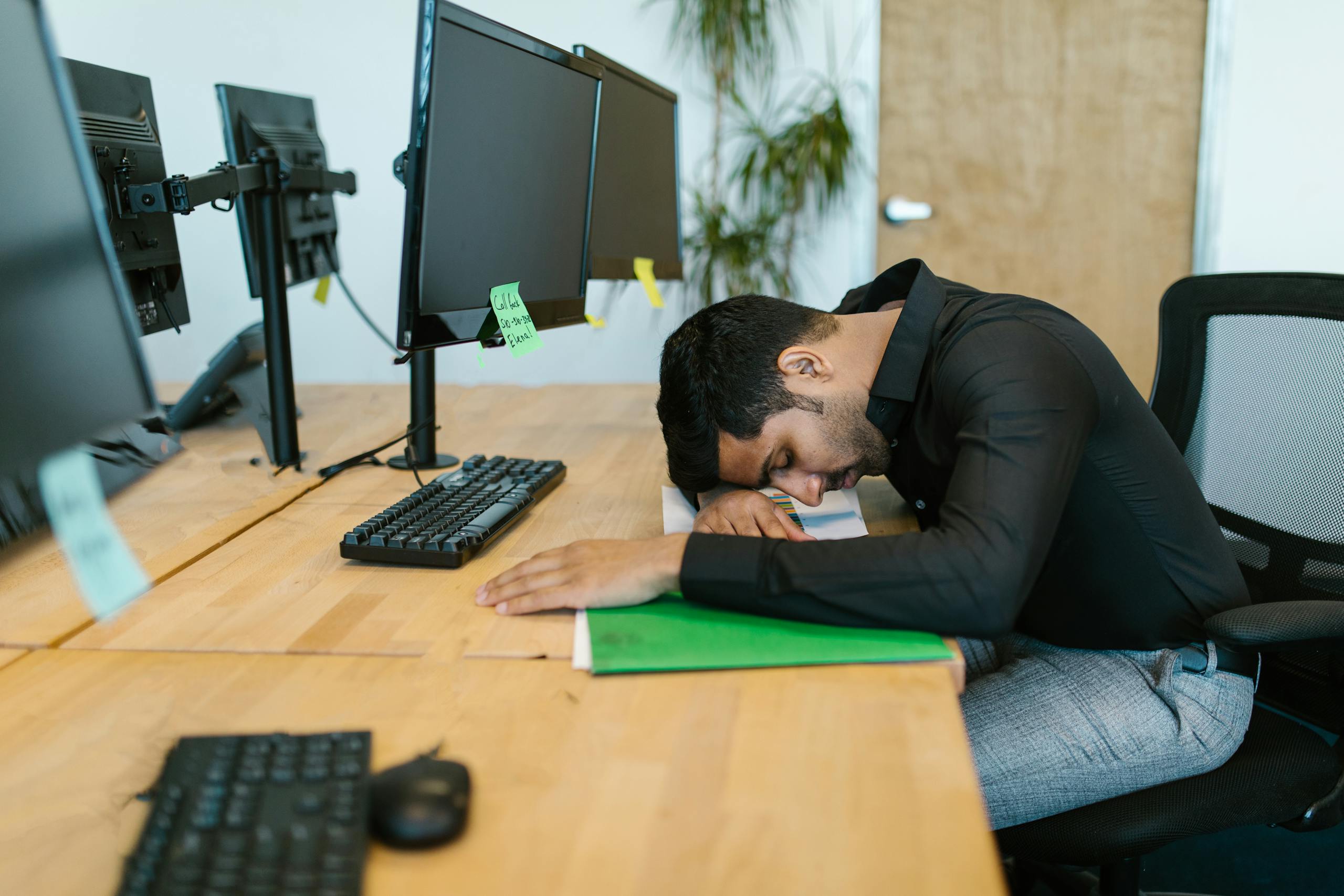
Long sitting periods slow blood flow, weaken the body’s ability to regulate fats, and increase systemic inflammation, all of which strain the heart. Over time, arteries lose flexibility, cholesterol accumulates, and blood pressure rises, creating an environment primed for heart attack and stroke.
A JAMA Network Open study of more than 481,000 adults found that office workers who sit most of the day had a 16 percent higher risk of death from all causes and a 34 percent higher risk of death from cardiovascular disease compared to those who move frequently.
Even small daily interruptions, like a five minute walk or stretching every hour, can improve circulation and reduce the cardiovascular burden of prolonged sitting.
Sitting Drives Insulin Resistance and Diabetes Risk
Inactive leg and hip muscles burn less glucose, which reduces insulin sensitivity and disrupts blood sugar regulation. This problem is compounded in people who combine sitting with snacking or high-carb meals at a desk, creating repeated insulin spikes throughout the day.
Even for those who exercise regularly, sitting for long stretches can blunt the benefits of workouts because the body remains insulin-resistant for hours.
A meta analysis in Diabetologia found that people with the highest levels of sedentary behavior have more than double the risk of type 2 diabetes compared to those who are least sedentary, showing that movement throughout the day is just as important as formal exercise sessions.
Weight Gain and Obesity Are Quite Consequences
Sitting burns very few calories, and the body’s metabolic rate drops when muscles remain inactive for long periods. Beyond the calorie deficit, prolonged sitting encourages mindless eating, frequent snacking, and late-night screen habits, which compound weight gain.
Research indicates that abdominal fat accumulates fastest in people who sit for eight or more hours a day without breaks, and this visceral fat releases inflammatory molecules that worsen insulin resistance and cardiovascular risk.
Even moderate movement breaks can interrupt fat storage pathways and help regulate hunger hormones like leptin and ghrelin, suggesting that small, frequent activity matters more than a single long gym session.
The Spine and Muscles Pay a High Price

The back is not built for extended stillness. Sitting compresses the spine, tightens the hip flexors, weakens the glutes, rounds the shoulders, and strains the neck, creating postural imbalances that worsen over time.
Office workers often experience chronic lower back pain, shoulder stiffness, and tension headaches because the prolonged flexed posture fatigues stabilizing muscles and stresses ligaments and discs.
Ergonomic chairs help, but they do not prevent the gradual weakening of core and lower body muscles; only consistent standing, walking, and mobility exercises throughout the day can maintain spinal integrity and reduce musculoskeletal deterioration.
Circulation Risks Create Silent Threats
Leg veins rely on muscle contractions to return blood to the heart. Sitting for hours slows circulation, leading to swelling, heaviness, cramps, and fatigue. More serious is deep vein thrombosis, a dangerous blood clot that can travel to the lungs and become life threatening.
Prolonged sitting, especially in cramped positions like a desk with crossed legs or tight footwear, mimics the conditions once known only as economy class syndrome. Simple interventions such as ankle pumps, calf stretches, and standing breaks every 30 to 60 minutes significantly reduce the risk of clotting and improve vascular health over time.
Mental Fatigue and Cancer Risk Increase
Sitting often pairs with screens, constant notifications, and overstimulation, keeping the mind stressed while the body remains underactive. Research links sedentary behavior to higher rates of depression, anxiety, and decreased cognitive performance, with inactivity also impacting sleep quality and mood regulation.
Emerging studies suggest that prolonged sitting may increase the risk of colon, endometrial, and breast cancers, likely due to insulin resistance, systemic inflammation, and hormonal changes induced by long-term inactivity.
Combining frequent movement, regular exercise, and reduced passive screen time has been shown to mitigate these mental and cancer related risks, emphasizing the need to treat sitting as a metabolic stressor rather than a neutral activity.
Breaking Free From the Chair

Even short movement breaks dramatically reduce these risks. Standing, stretching, walking, or performing simple mobility drills every 30 to 60 minutes reactivates muscles, improves blood flow, and stabilizes blood sugar.
Standing desks, walking meetings, and micro-exercise sessions turn passive sitting time into a proactive health strategy, allowing the body to recover from prolonged stillness without disrupting productivity.
Final Thoughts
Your office chair may feel harmless, but eight hours of sitting quietly erodes heart, metabolic, circulatory, musculoskeletal, and mental health. Frequent movement, intentional standing, and regular stretching can protect your body without compromising productivity. The body thrives on motion, and treating sitting as a silent health threat ensures that each day spent at the desk supports longevity rather than silently undermining it.
How many times do you stand or move during your workday? What one small action can you take today to reduce the hidden dangers of your chair?