A clash over a proposed luxury property tax has turned into a larger debate about billionaires, fairness, and whether America’s wealthiest citizens should contribute more to the communities where they live.
The political battle intensified after billionaire entrepreneur Jeff Bezos criticized Zohran Mamdani over a video promoting a tax on expensive non-primary residences. Bezos argued that the message unfairly portrayed wealthy individuals, including hedge fund executives, as villains rather than as people who contribute to the economy.
The proposal has sparked a wider conversation about wealth concentration in America. Supporters say high-value second homes owned by extremely wealthy individuals represent an opportunity to raise revenue and address housing challenges. Critics argue that targeting wealthy property owners creates a hostile environment for investment and entrepreneurship.
Bezos pushes back against billionaire criticism
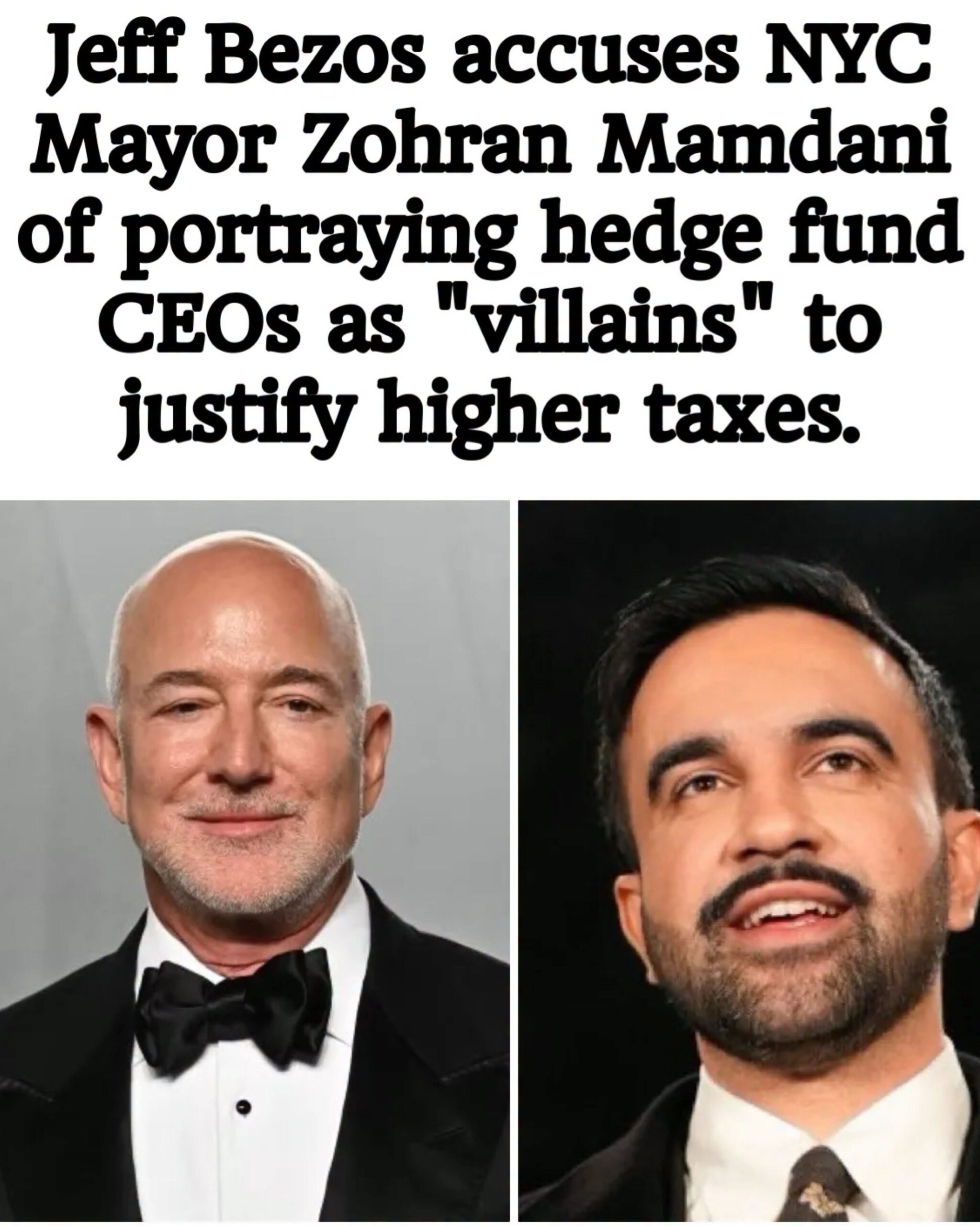
In his criticism, Bezos objected to the way wealthy individuals were presented in discussions around the proposed tax. He suggested that framing billionaires or financial executives as the source of social problems oversimplifies complicated economic issues.
The argument reflects a long-running divide in American politics. One side views billionaires as examples of innovation and economic success, pointing to companies, jobs, and industries created by wealthy entrepreneurs. The other side argues that extreme wealth accumulation often happens alongside growing inequality, rising housing costs, and limited opportunities for ordinary workers.
Bezos himself has become one of the most recognizable figures in this debate. As the founder of Amazon, he built one of the world’s largest companies and became one of the richest people on the planet. His wealth has made him both a symbol of American innovation and a frequent target in discussions about economic inequality.
The disagreement with Mamdani highlights a broader question: should governments place greater financial responsibility on people with extraordinary wealth, or could those policies discourage investment and economic growth?
The proposed tax on multimillion-dollar second homes
U.S. Air Force photo by Tech. Sgt. Robert Cloys, Public domain, via Wikimedia Commons
Mamdani’s proposal focuses on non-primary residences valued at $5 million or more. The idea is aimed at wealthy property owners who maintain expensive homes beyond their main residence.
Supporters of such measures argue that luxury properties often sit unused for large portions of the year while housing affordability remains a major challenge in cities like New York. They believe additional taxes on these properties could generate funds for public services, housing programs, and community investment.
The debate comes at a time when many major cities are struggling with rising housing costs. High demand, limited housing supply, and expensive real estate markets have pushed affordability concerns to the center of political discussions.
Opponents, however, argue that wealthy property owners already contribute significant amounts through existing taxes. They warn that additional taxes could encourage some investors and homeowners to move their money elsewhere.
The disagreement is not only about a single tax proposal. It represents a larger argument about how governments should respond to wealth inequality while maintaining economic competitiveness.
Are billionaires created by ambition or excessive greed?
The debate quickly moved beyond property taxes into a much bigger argument about billionaires themselves. Critics of extreme wealth often argue that billionaires accumulate fortunes because they aggressively pursue profit, sometimes prioritizing personal wealth over broader social needs.
They point to concerns about corporate power, wage inequality, tax advantages, and the ability of ultra-wealthy individuals to influence politics and public policy. For critics, the issue is not simply that billionaires have money, but that a small group controls an enormous share of global wealth.
Supporters of billionaires counter that many fortunes are built through risk-taking, innovation, and the creation of products or services used by millions of people. They argue that successful entrepreneurs should not automatically be viewed negatively because they achieved financial success.
The reality is more complex than either side often suggests. Wealth creation can produce jobs, technology, and economic growth, but extreme concentrations of wealth can also create questions about fairness and opportunity.
The tension between these views has existed for decades. From industrial-era business leaders to modern technology founders, wealthy individuals have often been celebrated for innovation while also facing criticism over their influence and financial power.
A larger fight over America’s economic future
The Bezos-Mamdani dispute represents a much larger national conversation about what kind of economy Americans want. As housing prices rise and wealth gaps remain a major political issue, debates over taxation are becoming increasingly intense.
For supporters of higher taxes on luxury assets, the argument is simple: people with the greatest financial resources should contribute more to solving public challenges. They believe targeted taxes on expensive properties can help cities invest in housing and essential services.
For critics, the concern is that policies aimed at the wealthy can become symbolic attacks rather than practical solutions. They argue that governments should focus on economic growth, job creation, and policies that increase opportunity for everyone.
The disagreement between Bezos and Mamdani is unlikely to end with one proposal or one political argument. Instead, it reflects a deeper national debate about wealth, responsibility, and the relationship between success and society.
As billionaires continue to grow their fortunes and cities continue to face affordability pressures, the question remains at the center of American politics: how should a modern economy balance rewarding achievement while ensuring that prosperity reaches more people?