American Jewish scholar Norman Finkelstein has reignited a fierce international debate after accusing Israeli society, not only its political leadership, of bearing responsibility for the suffering of Palestinian civilians. His statement that “Israel kills children as a hobby” has drawn intense reactions, with supporters calling it a harsh but necessary criticism of Israel’s military actions, while opponents have condemned the language as unfair and inflammatory.
Finkelstein, a political scientist and author known for his research on the Israeli-Palestinian conflict, has spent decades criticizing Israeli government policies, particularly regarding the occupation of Palestinian territories and military operations in Gaza. His latest remarks reflect his broader argument that the issue goes beyond individual leaders such as Prime Minister Benjamin Netanyahu and involves deeper questions about public attitudes, political culture, and accountability.
A controversial scholar with decades of criticism
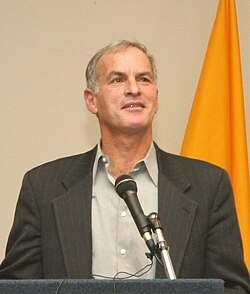
Norman Finkelstein was born in Brooklyn, New York, to Jewish parents who survived Nazi concentration camps during World War II. His family history has shaped much of his academic work and his views on human rights, nationalism, and historical memory.
Finkelstein earned his doctorate in political science from Princeton University and became known for books examining the Israeli-Palestinian conflict, including his discussions of the Gaza blockade, Israeli military operations, and the politics surrounding Holocaust memory.
Throughout his career, Finkelstein has argued that criticism of Israeli government actions should not be dismissed as hostility toward Jewish people. He has frequently described his position as a defense of universal human rights and international law.
However, his outspoken views have also made him a controversial figure. Critics argue that his statements often use extreme language and fail to recognize Israel’s security concerns, including attacks launched by Hamas and other militant groups. Supporters argue that he highlights issues that many governments and media organizations avoid discussing.
The Gaza war and the growing international divide
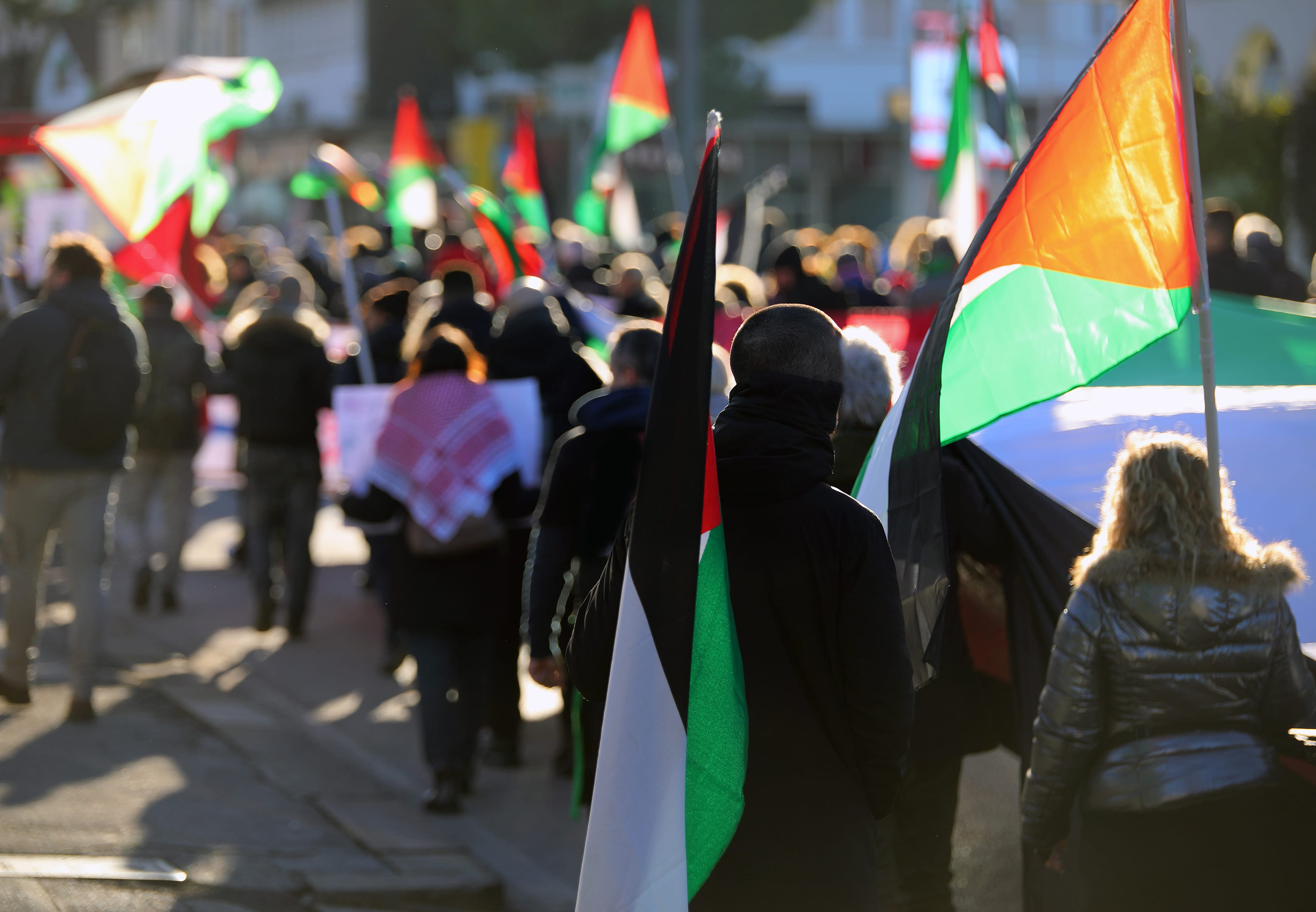
Finkelstein’s comments come amid one of the most intense periods of conflict between Israelis and Palestinians in recent history. The war that began after Hamas-led attacks on Israel on October 7, 2023, resulted in thousands of deaths and triggered a major humanitarian crisis in Gaza.
Israeli officials have stated that their military operations are aimed at eliminating Hamas, which they describe as a terrorist organization responsible for attacks against Israeli civilians. Israel has repeatedly argued that Hamas operates from within civilian areas, making military operations more difficult.
Palestinian officials and international humanitarian organizations have raised concerns about civilian casualties, destruction of homes, damage to hospitals, and restrictions affecting access to food, water, and medical supplies.
The debate over responsibility has become one of the most politically sensitive issues worldwide. Supporters of Israel argue that the country has the right to defend itself against armed attacks. Critics argue that Israel’s military response has caused unacceptable harm to civilians.
Finkelstein’s argument about Israeli society
The most controversial part of Finkelstein’s statement was his claim that the problem extends beyond Netanyahu and involves Israeli society as a whole. He argued that focusing only on political leaders ignores what he sees as broader public acceptance of military policies.
This argument reflects a larger debate about how democratic societies share responsibility for government actions. Critics of Finkelstein’s view argue that blaming an entire population is unfair because citizens hold different opinions, and many Israelis have protested government policies or called for changes in military strategy.
Israel, like many countries involved in conflict, contains a wide range of political perspectives. Some Israelis support strong military action, while others advocate for ceasefires, negotiations, or different approaches to security.
The question of collective responsibility remains deeply disputed. International law generally focuses on the actions of governments, military forces, and individuals rather than assigning guilt to entire populations.
Reactions to the statement
Finkelstein’s words have created strong reactions across political and academic circles. Supporters say his criticism represents frustration over civilian deaths and argues that powerful nations should face scrutiny for their actions.
Opponents have accused him of using language that unfairly portrays Israelis as collectively responsible for violence. Some critics argue that statements describing an entire society as responsible risk ignoring the complexity of the conflict and the different experiences of ordinary people.
The controversy also reflects a broader struggle over how discussions about Israel and Palestine take place. Conversations about the conflict often involve competing concerns, including security, human rights, historical trauma, and national identity.
A debate that continues beyond one statement
Norman Finkelstein’s remarks have become another flashpoint in a conflict where words carry enormous political weight. His critics and supporters view his statement through very different lenses, with one side seeing it as a condemnation of civilian suffering and the other seeing it as an unfair generalization.
The larger debate surrounding Israel and Palestine remains focused on difficult questions: How should governments respond to security threats? How can civilian lives be protected during war? And who should be held accountable when conflicts result in widespread suffering?
Finkelstein’s comments may continue to divide opinion, but they highlight the reality that the Israeli-Palestinian conflict is not only a military struggle. It is also a battle over history, justice, responsibility, and the meaning of human rights in times of war.