Fame can make talent look larger than life, but court records have a way of pulling celebrities back down to earth. In American music, some artists became known for chart-topping songs, sold-out shows, and cultural influence, only to see criminal cases become part of the story that fans could not ignore.
This is not a list built on rumors or internet gossip. These are legally documented cases involving convictions, guilty pleas, sentencing, or major court outcomes. Some artists rebuilt their careers. Some remained defined by the damage. Others became cautionary examples of how quickly fame, money, pressure, and bad decisions can collide in public.
Lil Wayne

Lil Wayne has one of the most influential catalogs in American rap, but he also has a documented federal gun case. In 2020, he pleaded guilty to illegally possessing a loaded handgun while traveling on a private plane, according to the federal gun charge.
His case drew major attention because it occurred late in his career, long after he had become a rap icon. The charge did not erase his influence, but it added another legal chapter to a career already full of mythology, reinvention, and public scrutiny.
R. Kelly
R. Kelly’s fall remains one of the most severe in modern American music. Once known for massive R&B hits, he was sentenced to 30 years in prison after a federal racketeering conviction tied to sex trafficking and other serious crimes.
The case reshaped his legacy completely. For many listeners, the music can no longer be separated from the crimes. It also showed how celebrity power, fan loyalty, and industry silence can allow allegations to linger for years before the justice system finally catches up.
Chris Brown
Chris Brown’s 2009 felony assault case became one of the most widely discussed celebrity criminal cases of the late 2000s. He was sentenced to probation, community labor, and domestic violence counseling after the Rihanna assault case.
The case followed him long after sentencing. Brown continued making hits and touring, but the conviction changed how many fans, brands, and critics viewed him. It became a stark example of how a single violent incident can become permanently attached to an artist’s public identity.
T.I.
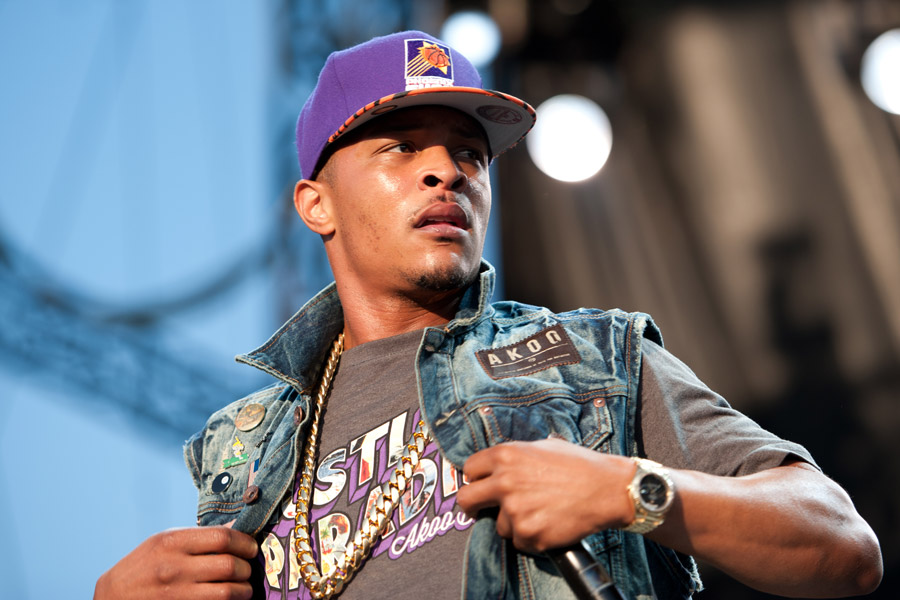
T.I. built his brand around sharp Southern rap, swagger, and street credibility, but his federal weapons case became one of the biggest legal moments of his career. He was sentenced to prison after pleading guilty to illegal weapons charges involving machine guns and silencers.
The case landed at a time when T.I. was already a major star. It also complicated his image because he later leaned heavily into public anti-violence messaging. His story became a familiar American celebrity arc: legal trouble, public accountability, image repair, and career survival.
Kodak Black
Kodak Black’s legal history has followed him almost as closely as his music. In 2019, he was sentenced to 46 months in prison after making false written statements while trying to acquire firearms.
His sentence was later commuted, but the case remained part of his public record and reputation. For fans, Kodak’s story often sits between talent and turbulence. His music connects because it feels raw, but his legal issues have repeatedly interrupted the momentum around his career.
Tekashi 6ix9ine
Tekashi 6ix9ine’s criminal case became almost as famous as his rainbow-colored image and viral marketing style. He was sentenced to prison after pleading guilty in a federal racketeering case and cooperating with prosecutors.
His case became a spectacle because it mixed rap celebrity, gang affiliation, internet fame, courtroom testimony, and public backlash. It also turned him into one of the most polarizing figures in modern hip-hop, with some people fascinated by his survival and others unable to look past the legal drama.
Lauryn Hill
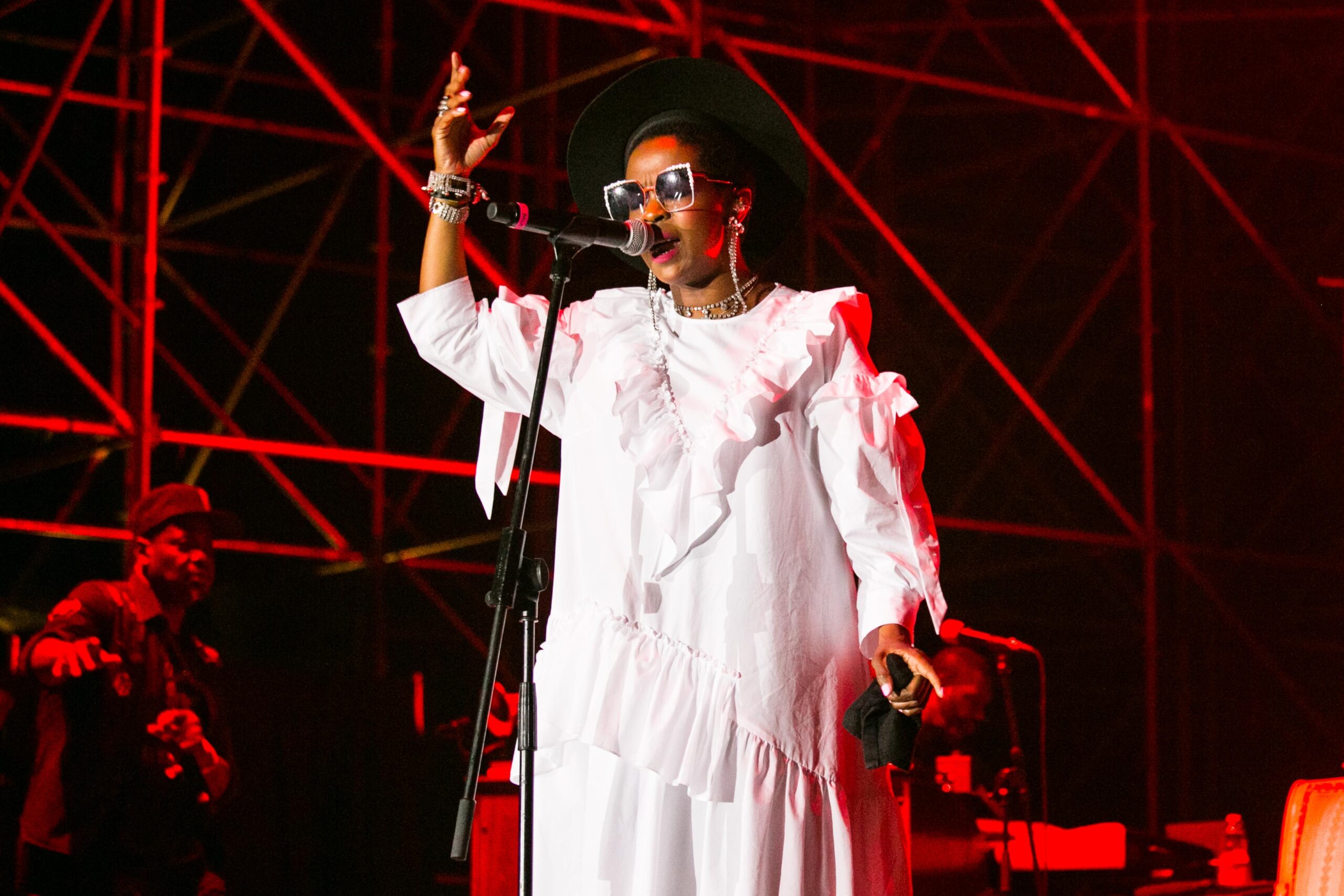
Lauryn Hill’s case was different from the violent and weapons-related cases often tied to celebrity crime stories. In 2013, the former Fugees star was sentenced to prison, home confinement, and a fine for federal tax evasion.
The case surprised fans because Hill’s public image had long been tied to artistic brilliance, spirituality, and resistance to industry pressure. Her legal trouble did not carry the same cultural tone as some other cases on this list, but it still became a major chapter in the story of an artist whose career has always inspired intense fascination.
NBA YoungBoy
NBA YoungBoy’s legal problems became closely tied to his rise as one of the most-streamed rappers of his generation. He was sentenced in a federal gun-related case before later receiving a presidential pardon that removed remaining probation obligations.
Even with the pardon, the case remains a major part of his public story because it led to years of house arrest, court coverage, and fan debate over his career. His situation shows how legal trouble can shadow an artist even when streaming numbers remain massive.
Snoop Dogg
Snoop Dogg’s legal past stretches back to the early years of his career. Earlier drug-related convictions and later legal issues followed him during the years when his public image was still tied closely to West Coast rap’s rougher edge.
What makes Snoop’s case interesting is how completely his public image changed over time. He went from a rapper shadowed by legal drama to a beloved mainstream figure associated with commercials, cooking shows, sports commentary, and family-friendly celebrity appearances. His story shows that a criminal record can follow an artist, but it does not always freeze their public identity forever.
Bobby Shmurda
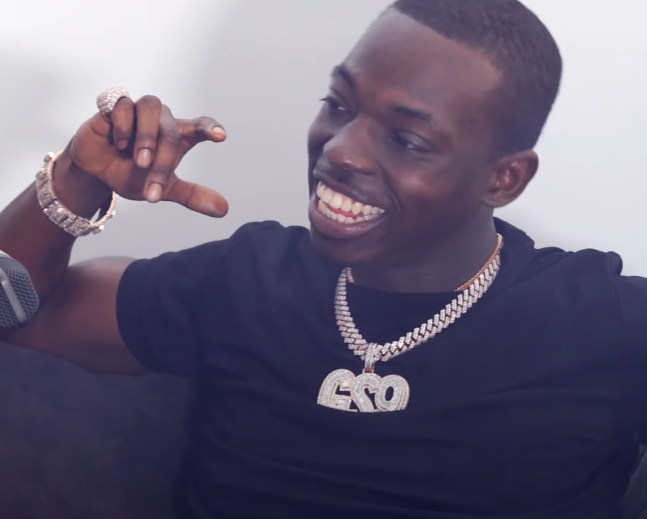
Bobby Shmurda became a viral star, then his career crashed into a major criminal case. He received a seven-year prison sentence after pleading guilty to weapons possession and conspiracy charges.
His release became a celebratory hip-hop moment because fans had followed his case for years. Still, his story also showed how quickly viral fame can turn fragile when legal trouble arrives before an artist has fully built a stable career. For Bobby Shmurda, the criminal case did not just interrupt momentum. It froze an entire era of possibility.