There is a new kind of sticker shock happening across America, and it is not always loud. It happens at the drive-thru window, the grocery checkout, the streaming renewal screen, the hair salon, the coffee counter, and the receipt that somehow looks wrong even when you bought less than usual.
People are not necessarily broke. Many are simply tired. Tired of paying more for smaller portions. Tired of subscriptions creeping up by a few dollars. Tired of convenience fees, delivery charges, service fees, and checkout screens that make a basic purchase feel like a negotiation.
Recent federal consumer price data show food prices remain a pressure point, even as some monthly increases cool. That is why shoppers in cities, suburbs, and small towns are making quiet changes. They are not always announcing a boycott. They are just walking away.
Fancy coffee that became a daily bill
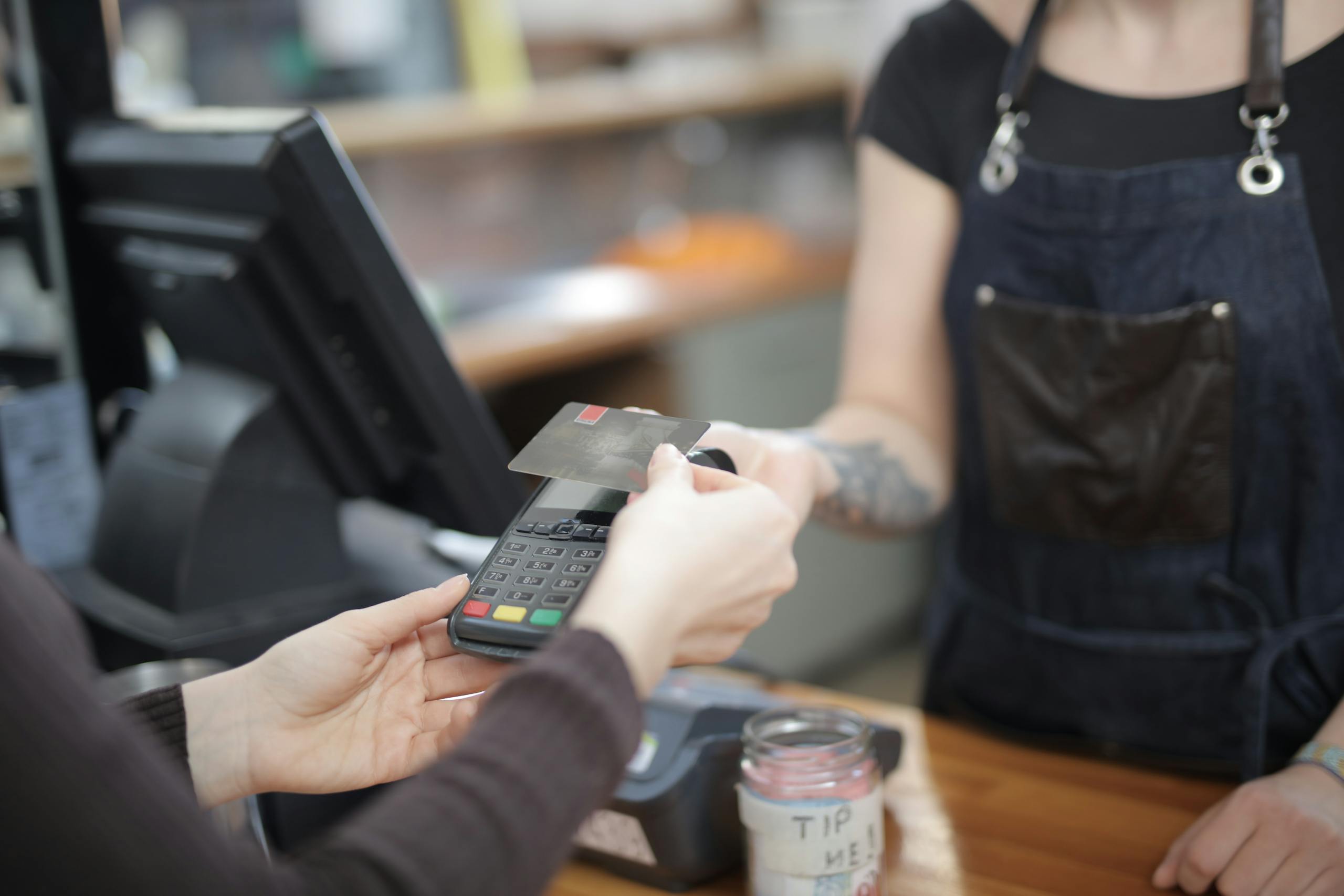
A $6 latte used to feel like a small treat. Now, for many Americans, it feels like a tiny luxury that adds up too quickly. Once tax, tip, milk upgrades, and extras are added to the order, a coffee run can look more like a lunch receipt.
That does not mean people have stopped loving coffee. They are just getting smarter about when the café cup is worth it. More people are saving the coffee shop for weekends, meetings, or bad mornings instead of making it an automatic weekday habit.
The quiet rebellion is happening at home. Better beans, cold brew pitchers, flavored creamers, and countertop espresso machines are turning kitchens into budget cafés. The coffee habit survived. The daily markup did not.
Food delivery that costs too much
Delivery used to feel like an easy answer after a long day. Now, one burger and fries can turn into a financial jump scare once the app adds delivery fees, service fees, taxes, menu markups, and a tip.
That is why more people are pausing before hitting order. The food may cost one amount in the restaurant and something completely different on the phone screen. For families, the difference can be enough to buy another meal.
Americans are not giving up convenience completely. They are just choosing to pick up more often, cooking simple meals at home, or saving delivery for nights when they truly need it. The app is still there, but the impulse is weaker.
Restaurant meals that feel less worth it
Dining out is still one of America’s favorite pleasures, but the value question is getting louder. A casual dinner for two can feel expensive before drinks, dessert, parking, childcare, or rideshare costs even come into play.
Restaurant costs have remained stubbornly high because restaurants are also dealing with labor, rent, food, insurance, and supply pressures. Recent research on restaurant spending trends shows how rising food-away-from-home costs have shaped consumer choices.
Many Americans are not abandoning restaurants. They are becoming pickier. If they are going to spend, the meal needs to feel special, generous, consistent, or memorable. Average food at premium prices is losing its charm.
Streaming services that lost the bargain feel
Streaming once felt like the cheaper escape from cable. Now, many households are paying for multiple platforms, add-ons, sports packages, ad-free upgrades, and price increases that arrive with little warning.
The frustration is not just the cost. It is the feeling of chasing shows across five different apps. One month the series is here, the next month the movie is somewhere else, and the household budget quietly collects another subscription.
Consumers are responding with rotation. They cancel one platform, keep another, binge what they want, then leave before the next billing cycle. Streaming is no longer treated like a permanent utility. It is becoming a month-to-month decision.
Brand-name groceries with no clear advantage
At the grocery store, loyalty is getting tested aisle by aisle. Shoppers who once grabbed the same cereal, pasta sauce, paper towels, or snacks every week are now comparing unit prices like detectives.
Private label brands have become harder to ignore because their savings are obvious. If the store brand tastes close enough, works well enough, or lasts long enough, the old brand-name habit starts to weaken.
This is not just about being cheap. It is about feeling respected as a shopper. If a familiar product shrinks, gets more expensive, or stops feeling special, Americans are more willing to switch.
Gas station snacks that got ridiculous
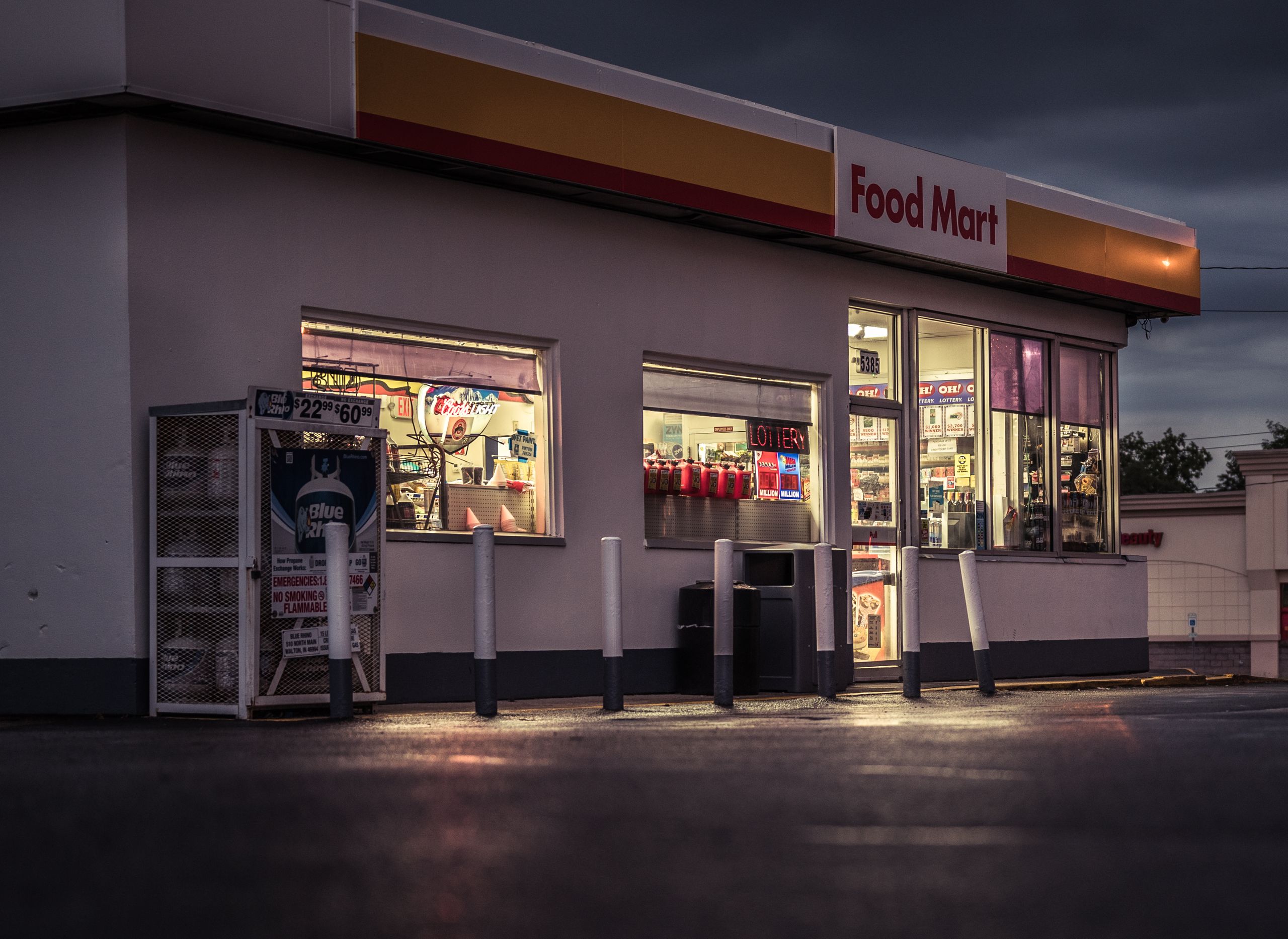
The gas station used to be a place for a quick soda, chips, a candy bar, or coffee before the next stop. Now, even small impulse buys can feel strangely expensive.
That matters because gas itself already puts people in a cost-sensitive mood. Recent reports show retailers are watching consumers rethink daily spending as fuel and other everyday costs shape behavior.
So the quick snack becomes easier to skip. People fill up and leave. They bring water from home, buy multipacks at warehouse stores, or wait until they get to a cheaper grocery aisle. The impulse purchase is no longer automatic.
Overpriced beauty maintenance
Haircuts, nails, lashes, brows, skincare, waxing, and other beauty services can make people feel confident. But the total cost of maintenance has become harder for many households to ignore.
Some Americans are stretching appointments farther apart. Others are doing simple services at home, choosing lower-maintenance styles, or saving professional treatments for special occasions.
This does not mean beauty spending is gone. It means consumers are asking a sharper question. Is this service worth the monthly price, or has it become a habit that no longer fits the budget?
New clothes for every occasion
Social media made outfit repetition feel like a crime for a while. Weddings, vacations, birthdays, office events, concerts, and brunches all seemed to demand something new.
Now, many shoppers are pushing back. They are re-wearing clothes, borrowing from friends, buying secondhand, renting formal pieces, or building smaller wardrobes that work harder.
The shift feels practical and freeing. A good outfit does not have to be new to be good. In a tighter consumer climate, confidence is starting to matter more than tags.
Convenience fees that feel insulting
Americans may accept a higher price when they understand the reasons for it. What frustrates them is the extra fee that appears at the end. Processing fee. Service fee. Convenience fee. Facility fee. Delivery fee. Small order fee.
These charges make people feel tricked because the advertised price was not the real price. A ticket, hotel room, meal, rental, or online order can jump at checkout after the buyer is already emotionally committed.
That is why people are slowing down before paying. They abandon carts, compare platforms, call directly, or avoid purchases that feel padded. The fee may be small, but the irritation is not.
Anything that feels like poor value
The biggest thing Americans refuse to pay for is not a single product. It is of poor value. Smaller portions, weaker service, lower quality, longer waits, and higher prices are a bad combination.
Recent findings on household financial well-being show that prices remain one of the most common financial concerns for U.S. adults. That helps explain why people are not just buying less. They are judging harder.
A restaurant can still win. A store can still win. A brand can still win. But it has to make people feel that the money was respected. That is the new consumer mood across America.
The quiet power of saying no
The interesting thing about this shift is that it does not always look dramatic. People are not always making speeches about inflation or posting long complaints online. They are just changing behavior.
They brew coffee at home. They canceled one app. They skip delivery. They choose the store brand. They bring snacks in the car. They rewear the outfit. They walk away from the checkout screen when the fees feel insulting.
That quiet “no” matters. It tells companies something many Americans have been feeling for a while. People may still spend, but they are done pretending every price makes sense.