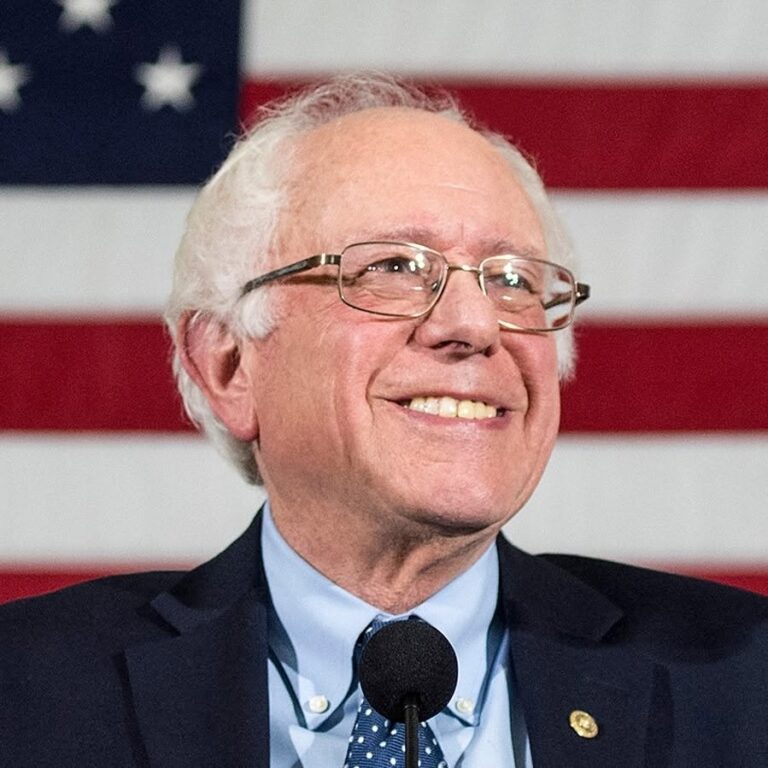
Minneapolis Mayor Jacob Frey used a Somali Independence Day celebration on Saturday, June 27, to defend the city’s Somali community as Minnesota faces renewed scrutiny over fraud investigations, federal enforcement actions and state oversight failures.
Speaking in Minneapolis, Frey praised Somali residents as part of the city’s family. His remarks came after a House Oversight Committee report accused Gov. Tim Walz’s administration of failing to act on repeated warnings about fraud in taxpayer-funded social service programs.
Frey Praises Somali Residents in Minneapolis
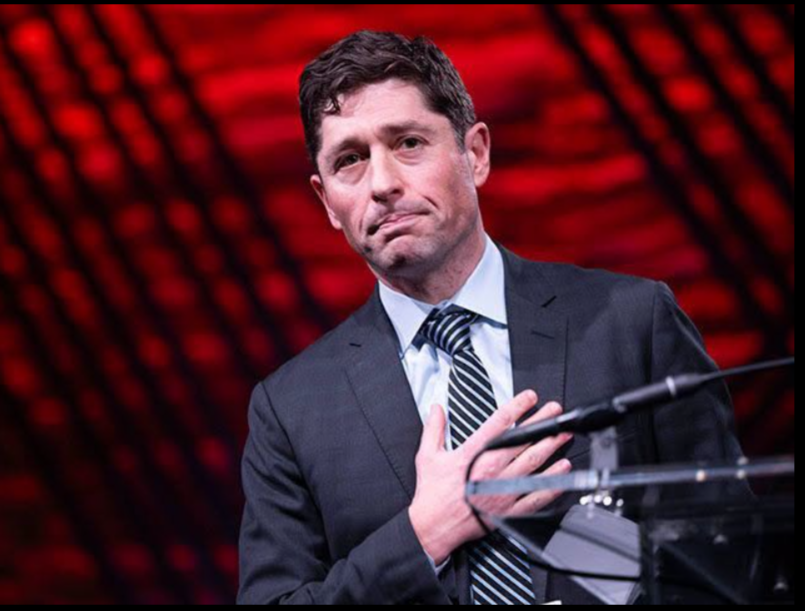
Frey addressed attendees during a public celebration marking Somali Independence Day, a major cultural event for one of Minnesota’s most prominent immigrant communities.
The mayor said Somali residents had helped build Minneapolis through business, civic leadership, culture, and community service. He told the crowd that the city does not see Somali residents as outsiders.
“In Minneapolis, we do not see you as immigrants,” Frey said in remarks shared publicly after the event. “We see you as our family.”
Frey also appeared to reference Operation Metro Surge, a federal immigration and public safety initiative that brought heightened enforcement attention to the Minneapolis-St. Paul area earlier this year.
Mayor Links Community Defense to Enforcement Concerns
Frey told the crowd that when officials “come for some of us,” Minneapolis should respond as one community. His remarks placed community solidarity at the center of a wider political dispute over immigration, fraud, and public safety.
The mayor did not deny the seriousness of ongoing fraud investigations. His message focused on separating individual criminal allegations from the broader Somali population.
That distinction has become important in Minnesota, where some defendants in fraud cases have been identified as members of the Somali immigrant community. Community leaders have warned that criminal cases should not be used to cast suspicion on Somali residents broadly.
Minneapolis has one of the largest Somali communities in the United States. Somali Minnesotans are active in local government, small business, schools, religious institutions, and neighborhood organizations.
Congressional Report Targets Walz Administration
The House Oversight Committee released a report this month accusing senior Minnesota officials of ignoring fraud warnings in public assistance programs. The report focused on social services funded through state and federal dollars.
The committee said Minnesota officials had notice of suspicious activity but failed to act quickly enough to stop questionable payments. It also accused officials of delaying enforcement because of concerns about discrimination claims.
The committee alleged that state leaders ignored repeated warnings from social services before fraud schemes expanded. Walz administration officials have disputed the report’s findings.
The report also placed Attorney General Keith Ellison under scrutiny. It accused state leaders of failing to protect whistleblowers who raised concerns about program abuse.
Feeding Our Future Remains Central Case
The most prominent case remains Feeding Our Future, a pandemic-era child nutrition fraud prosecution. Federal prosecutors said the defendants submitted false reimbursement claims for meals intended for children.
The program was designed to feed children during the COVID-19 emergency. Prosecutors said some operators used fake meal counts, false invoices and shell entities to obtain public funds.
Aimee Bock, founder of Feeding Our Future, was sentenced in May to 500 months in prison. Federal prosecutors said she led a scheme that exploited federally funded child nutrition programs during the pandemic.
Bock was sentenced for major child nutrition fraud after prosecutors described her as a central figure in the operation. Several other defendants have faced charges, convictions, or guilty pleas in related cases.
Fraud Debate Reaches Somali Community

The fraud cases have become politically sensitive because some defendants have Somali backgrounds. That has made the issue a flashpoint in Minneapolis and across Minnesota.
Federal charges apply to individuals, not communities. Prosecutors must prove each defendant’s conduct in court.
Frey’s remarks appeared designed to protect Somali residents from collective blame, even as public anger over fraud continues. He stressed that Somali residents are part of Minneapolis, not a separate group to be treated with suspicion.
The message also reflected a broader local concern. Immigrant communities often rely on trust with police, city agencies, and service providers. Broad suspicion can damage that trust and weaken public cooperation.
Operation Metro Surge Adds Pressure
Operation Metro Surge added another layer of tension to the debate. Federal officials described the initiative as an immigration and public safety operation focused on the Twin Cities.
Minnesota leaders challenged aspects of federal enforcement and criticized aggressive tactics. The dispute later moved into court after federal subpoenas targeted state and local officials.
A federal judge blocked subpoenas tied to the Minnesota immigration enforcement probe. The ruling limited the Justice Department’s effort to obtain information from Minnesota officials.
The legal fight sharpened the divide between federal enforcement priorities and local officials who said aggressive operations could harm lawful residents and community trust.
State Officials Reject Report Claims
Walz administration officials have disputed the House Oversight Committee’s conclusions. They have said the state has cooperated with law enforcement, pursued fraud, and worked to improve oversight.
State officials have also argued that the report oversimplified agency authority. They said fraud enforcement requires evidence, legal process, and coordination among federal, state, and local authorities.
Minnesota officials disputed the House report’s core claims while acknowledging that fraud cases remain active. The political dispute is likely to continue as prosecutions move through the courts.
The state has faced pressure to strengthen audits, payment controls, and provider screening. Critics say weak oversight allowed fraud to grow. State officials say they are pursuing accountability while defending lawful providers.
Accountability and Community Trust Collide
The fraud investigations have created a difficult political test for Minnesota leaders. They must protect public funds while avoiding broad blame against immigrant communities.
Taxpayer money meant for children, families, and vulnerable residents requires strong oversight. Fraud weakens public confidence in programs that many people rely on.
At the same time, legitimate community providers often serve residents who need language access, cultural understanding, and local support. Overly broad crackdowns can disrupt services for families with no connection to fraud.
Frey’s remarks showed how local leaders are trying to navigate that balance. His message was that Minneapolis can support fraud enforcement without treating Somali residents as suspects because of their identity.
Federal Feeding Our Future prosecutions remain active, and related defendants continue moving through the court system. Congressional Republicans are continuing to press Minnesota officials over oversight failures.
Frey’s remarks on Somali Independence Day have now become part of a wider debate over fraud, immigration enforcement and community belonging in Minnesota.
Walz administration officials continue to dispute the congressional report. Federal prosecutors continue to pursue individual cases tied to alleged fraud in public programs.