Welcoming family or friends means preparing the guest room by straightening bedding, arranging pillows, and maybe adding fresh flowers. You want visitors to feel at home.
But imagine being the guest. After a long drive, you enter a beautifully decorated bedroom only to discover there’s nowhere to place your suitcase, the curtains don’t close properly, and the nearest electrical outlet is hidden behind the bed.
You probably wouldn’t complain. After all, someone has generously opened their home to you.
Guest room mistakes are easy to overlook because visitors rarely complain. Creating a comfortable space doesn’t require expensive furniture; small changes can make a big difference.
Related:11 Things in Your Living Room That Make Guests Quietly Judge You
Treating the Guest Room Like an Extra Storage Closet

The guest bedroom often becomes a storage room for extra blankets, old furniture, holiday decorations, and boxes of forgotten belongings.
Everything seems fine until someone stays over.
Guests may have to squeeze past boxes or wonder if they can move items. This makes the room feel unprepared and unwelcoming.
Before visitors arrive, remove clutter and clear the floor. Make sure they have space to walk and put down their belongings.
A simple, uncluttered room can feel more welcoming than an elaborately decorated one filled with personal possessions.
Related:10 Effective Closet Organization Tips to Declutter and Maximize Space
Expecting Guests to Sleep on Worn-Out Bedding
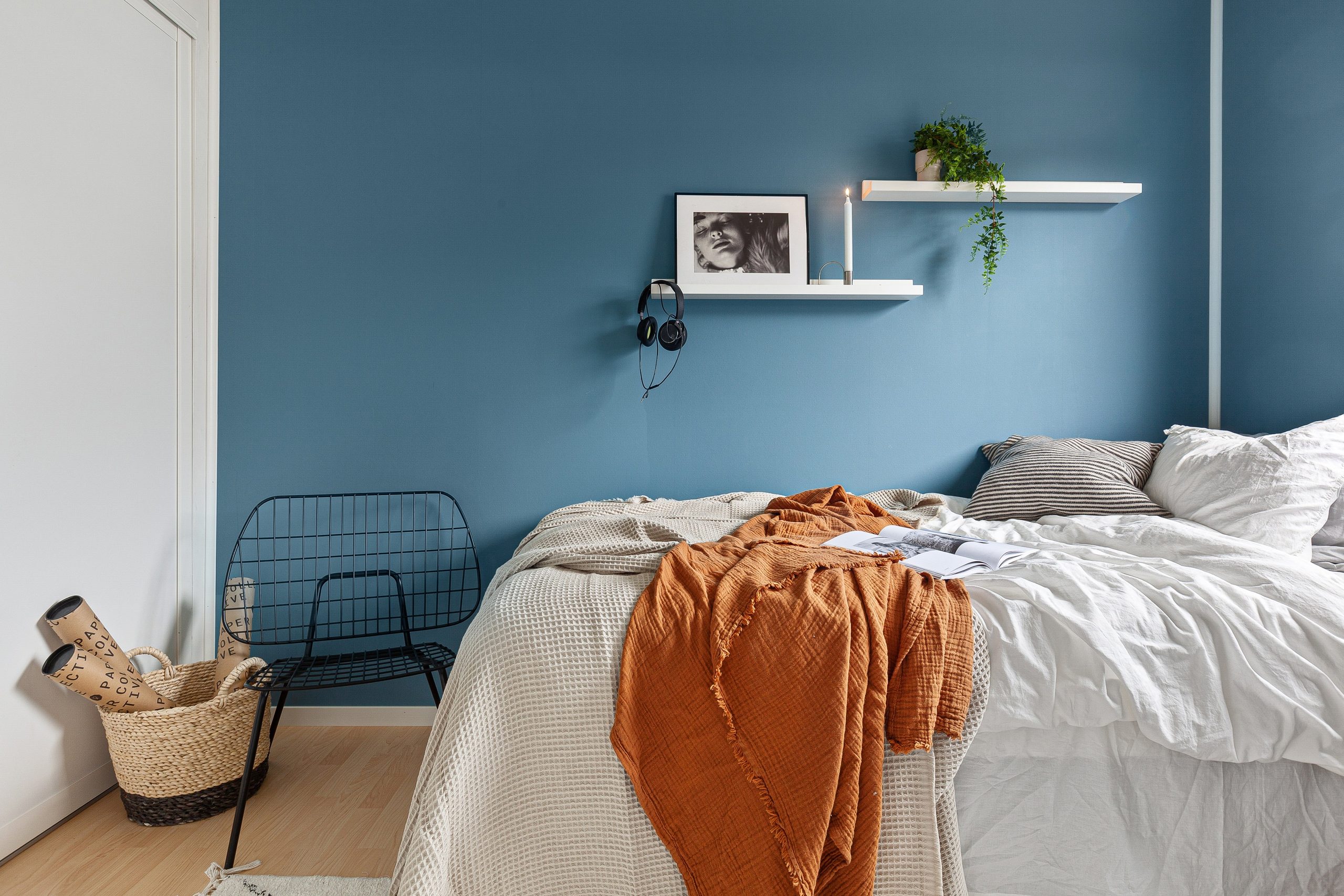
That old mattress might seem perfectly acceptable because nobody uses it regularly. But your visitors will notice if it sags, squeaks, or leaves them searching for a comfortable sleeping position.
The same goes for flattened pillows, scratchy sheets, and blankets that have seen better days.
A guest bed doesn’t need to resemble something from a luxury hotel. However, it should offer the same basic comfort you would want when sleeping away from home.
Try spending a night in the guest room yourself. You’ll quickly discover whether the mattress feels comfortable, the pillows provide enough support, and the bedding needs replacing.
Fresh sheets, a comfortable mattress, and a few suitable pillows can make the room feel thoughtfully prepared.
Related:9 Things in Your Bedroom You Should Swap Out Before Winter Hits
Forgetting That Guests Need Privacy
Beautiful windows can brighten a guest bedroom, but they become a problem when nothing is covering them.
Visitors may feel uncomfortable changing clothes when neighboring houses can see into the room. Thin curtains that become transparent at night can raise similar concerns.
Another overlooked issue is early morning sunlight streaming through uncovered windows when guests would prefer to sleep a little longer.
Proper curtains or blinds are a relatively straightforward solution.
Choose window coverings that provide privacy and allow visitors to adjust the light. Make sure they open and close easily, without complicated cords or awkward arrangements.
Guests should never have to improvise by hanging a towel over the window.
Related:17 Clever Hacks to Spruce up Your Home Before Guests Show Up
Leaving No Bedside Table for Personal Belongings
Think about the items you keep beside your own bed. Perhaps there’s a phone, a glass of water, reading glasses, a book, or a television remote.
Now imagine spending the night somewhere without a convenient place to put any of them.
Guests may end up placing their belongings on the floor or getting out of bed whenever they need something.
A small bedside table solves this surprisingly common problem.
It doesn’t have to match an expensive bedroom furniture set. A simple nightstand, compact stool, or sturdy side table can work beautifully.
The important detail is keeping the surface mostly clear. Guests need space for their belongings, not another collection of decorative candles and picture frames.
Relying on One Bright Ceiling Light
A beautifully decorated guest bedroom can feel surprisingly unwelcoming when the only lighting option is a harsh overhead fixture.
Imagine wanting to read before bed but having to keep the entire room brightly illuminated. Or getting up during the night and searching for a light switch across unfamiliar furniture.
Lighting is one of those details hosts may overlook because they already know their home’s layout.
A bedside lamp offers a more convenient option, letting visitors control the lighting without getting out of bed.
If possible, provide a second lighting option near the doorway or dresser.
Guests will appreciate being able to choose between brighter lighting when unpacking and softer lighting when relaxing.
Filling the Closet With Your Own Clothes
A guest room may technically have a closet, but that doesn’t help visitors if every hanger and shelf is already occupied.
Guests attending weddings, family celebrations, or business events may arrive with clothes they want to hang rather than leave folded in a suitcase.
Discovering a closet packed with winter coats, unused bedding, and household supplies can make unpacking frustrating.
Before guests arrive, clear a section of the closet and provide several empty hangers.
If the room doesn’t have a closet, consider installing wall hooks or placing a small clothing rack in an available corner.
You don’t need to empty the entire storage area. Just provide enough accessible space for visitors to organize their belongings.
Making Guests Keep Their Suitcases on the Floor
Nobody particularly enjoys repeatedly bending down to open a suitcase, especially when the bedroom floor offers very little space.
Without a designated luggage area, visitors may spread their clothes across the bed or balance an open suitcase on a chair.
This becomes especially inconvenient during longer visits.
A folding luggage rack is a practical solution because it provides an elevated place for suitcases without permanently occupying much floor space.
A sturdy bench can serve the same purpose while offering additional seating.
If the room is particularly small, simply leaving an accessible, unobstructed luggage spot can make a noticeable difference.
The goal is to help guests settle in without rearranging the furniture.
Forgetting About Phone Chargers and Electrical Outlets
Few things are more frustrating than discovering your phone battery is running low and the only accessible outlet is across the bedroom.
Modern visitors often travel with phones, tablets, watches, and other electronic devices that require charging.
They shouldn’t have to crawl behind furniture or unplug the bedside lamp to connect their devices.
Check the guest room’s outlets before anyone arrives.
An accessible outlet beside the bed can make the space more convenient. A suitable charging station may also help, especially if several family members regularly use the room.
If you provide an extension cord or power strip, follow the manufacturer’s instructions and avoid overloading it.
A small charging arrangement can eliminate an inconvenience guests might otherwise hesitate to mention.
Not Providing a Mirror
It might seem like a small omission, but a missing mirror can make a guest bedroom surprisingly inconvenient.
Visitors may want to check their outfits before attending a family dinner, wedding, or holiday gathering. Without a mirror, they must find another room or use a shared bathroom.
That arrangement becomes frustrating when several people are getting ready at the same time.
A full-length mirror is especially useful because it lets guests see their entire outfit.
Wall-mounted and over-the-door options work well in smaller bedrooms without taking up valuable floor space.
Make sure any mirror is securely installed and positioned where visitors can use it comfortably.
This simple addition makes the space feel more complete.
Forgetting to Leave an Extra Blanket
You might think your guest bedroom is perfectly comfortable, but visitors may not have the same temperature preferences.
Some people prefer lightweight bedding, while others enjoy sleeping under several layers.
Guests may feel awkward asking for another blanket, especially late at night when everyone else is asleep.
Leaving an extra blanket somewhere accessible lets visitors get comfortable without needing assistance.
Consider folding one at the foot of the bed or placing it inside a clearly designated closet.
You can also mention where additional bedding is stored when showing guests the room.
Giving visitors small choices helps them feel more at home, particularly when they’re sleeping in an unfamiliar environment.
Filling Every Surface With Decorative Accessories
It’s tempting to make a guest bedroom look picture-perfect with scented candles, decorative trays, framed photographs, artificial flowers, and carefully arranged ornaments.
Unfortunately, too many accessories can leave guests with nowhere to put their belongings.
A dresser covered with decorative objects might look beautiful, but visitors may hesitate to move anything. A desk filled with picture frames becomes practically useless for someone who needs to open a laptop.
This is where thoughtful decorating matters more than adding extra finishing touches.
Keep decorative items limited to a few meaningful pieces and leave plenty of open surface space.
A small lamp, one attractive piece of artwork, and a simple vase may be all the room needs.
Remember, your visitors are bringing their own belongings into the space. Giving those items somewhere to go helps them feel welcome.
The Best Guest Rooms Make People Feel at Home
Creating a welcoming guest room isn’t about having the largest bedroom, the most expensive mattress, or perfectly coordinated furniture.
It’s about noticing the little things that make staying somewhere unfamiliar easier.
A clear nightstand, accessible electrical outlet, comfortable bedding, and a place to unpack might seem ordinary, but they can make a meaningful difference to someone spending the night.
Before your next visitors arrive, walk into the guest room as though you’re seeing it for the first time. Better yet, spend a night there yourself.
You may discover a few inconveniences hiding in plain sight.
The most memorable guest rooms aren’t necessarily the fanciest. They’re the ones where visitors feel comfortable enough to unpack, relax, and truly enjoy being there.