Severe weather continues to reshape daily life across the United States, with official disaster tracking showing that Americans face an average of 18 to 20 major weather and climate disasters each year. From hurricanes along the Gulf Coast to tornado outbreaks in the Midwest and flooding in major cities, the risks are no longer seasonal; they are constant. Yet most families still repeat the same avoidable mistakes when storms approach.
Experts stress that preparedness is not just about survival; it is also about emotional stability, especially for households with children. According to the Centers for Disease Control and Prevention, mental health issues often increase among people affected by disasters, with anxiety and stress reactions frequently emerging before or shortly after severe weather events. That means what we do in the hours before impact matters just as much as the storm itself.
Waiting Too Long Before Acting When Alerts Begin
One of the most dangerous severe weather mistakes is waiting until the last minute to act, even though emergency data shows that evacuation delays increase injury risk by nearly 40 percent during hurricanes and flash floods. Many families underestimate how quickly conditions change once a warning is issued.
We often assume we still have time because the sky looks calm, but modern storm systems can shift from advisory to life-threatening in as little as 30 to 90 minutes, depending on the region. That delay window is where most preventable tragedies occur.
The smarter approach is to treat every watch as a preparation trigger. When supplies are already packed, evacuation routes are known, and communication plans are set, response time drops from hours to minutes, which can be the difference between safety and crisis.
Relying on Only One Weather Alert Source

Another major mistake is depending on a single source for updates, even though emergency communication breakdowns affect roughly 1 in 5 households during severe storms due to power or network outages. Many people rely only on smartphone alerts, which can fail during network congestion.
When storms escalate, official agencies like the National Weather Service recommend layered alert systems. That includes phone alerts, NOAA weather radios, local broadcast updates, and backup battery-powered devices. Each layer reduces the risk of missing critical warnings.
This redundancy matters because misinformation spreads quickly. During past major hurricanes, researchers found that false weather updates circulated online up to 3 times faster than official emergency alerts, increasing confusion in vulnerable communities.
Emergency Kits That Look Ready but Fail in Real Disasters
Many households believe they are prepared, but inspections after major storms show that nearly 70 percent of emergency kits are incomplete or expired when actually needed. The most common gaps include medication, batteries, water, and pet supplies.
A proper emergency kit should sustain a household for at least 72 hours, the minimum standard recommended by U.S. emergency management agencies. That includes at least one gallon of water per person per day, nonperishable food, lighting, first aid, documents, and cash.
The mistake is not just forgetting items, but failing to update them. Batteries degrade, food expires, prescriptions change, and children outgrow clothing and needs. According to REI guidance, emergency kits should be checked every six months, with a more thorough review once a year to ensure supplies remain current and the kit reflects any changes in your family’s needs. Simply checking your kit only once a year increases the risk that items will be outdated or missing when disaster strikes.
Not Preparing Children for Emotional Impact
Children often face significant emotional challenges during storms, and many experience short-term stress and anxiety in these situations.xiety after severe weather events. Yet many parents avoid discussing storms until the last moment.
Experts recommend calm, factual conversations that normalize weather patterns rather than amplify fear. Children do not need graphic explanations; they need structure, reassurance, and clear steps they can understand.
Simple involvement helps reduce fear significantly. When children help prepare a kit or practice a safety routine, their sense of control increases by nearly 30 percent, according to research on child trauma response, making panic less likely during real emergencies.
Overexposure to News and Social Media Panic
Constant exposure to dramatic storm coverage can significantly increase stress levels. Mental health data shows that people who consume repeated disaster footage experience a 25 to 35 percent increase in anxiety symptoms during active weather events.
We often think staying glued to updates is safer, but overconsumption can actually distort perception of risk. Social media platforms frequently amplify worst-case scenarios that are not verified by official sources.
A better approach is scheduled checking of reliable updates every 30 to 60 minutes, followed by breaks from screens. This reduces panic fatigue while still keeping families informed.
Ignoring Pet Safety During Evacuations
Pet-related mistakes are among the most common during evacuations, with emergency shelters reporting that roughly 1 in 3 families delay evacuation because they are unprepared for pets. This hesitation can become life-threatening.
Pets should be part of the plan from day one, including carriers, food, water, vaccination records, and identification tags. Many evacuation centers do not accept animals without documentation or prior notice.
Including pets in your evacuation planning helps protect both your animals and your family, as leaving pets out of your plans can endanger everyone involved, according to the CDC.
Underestimating Floodwater and Road Hazards
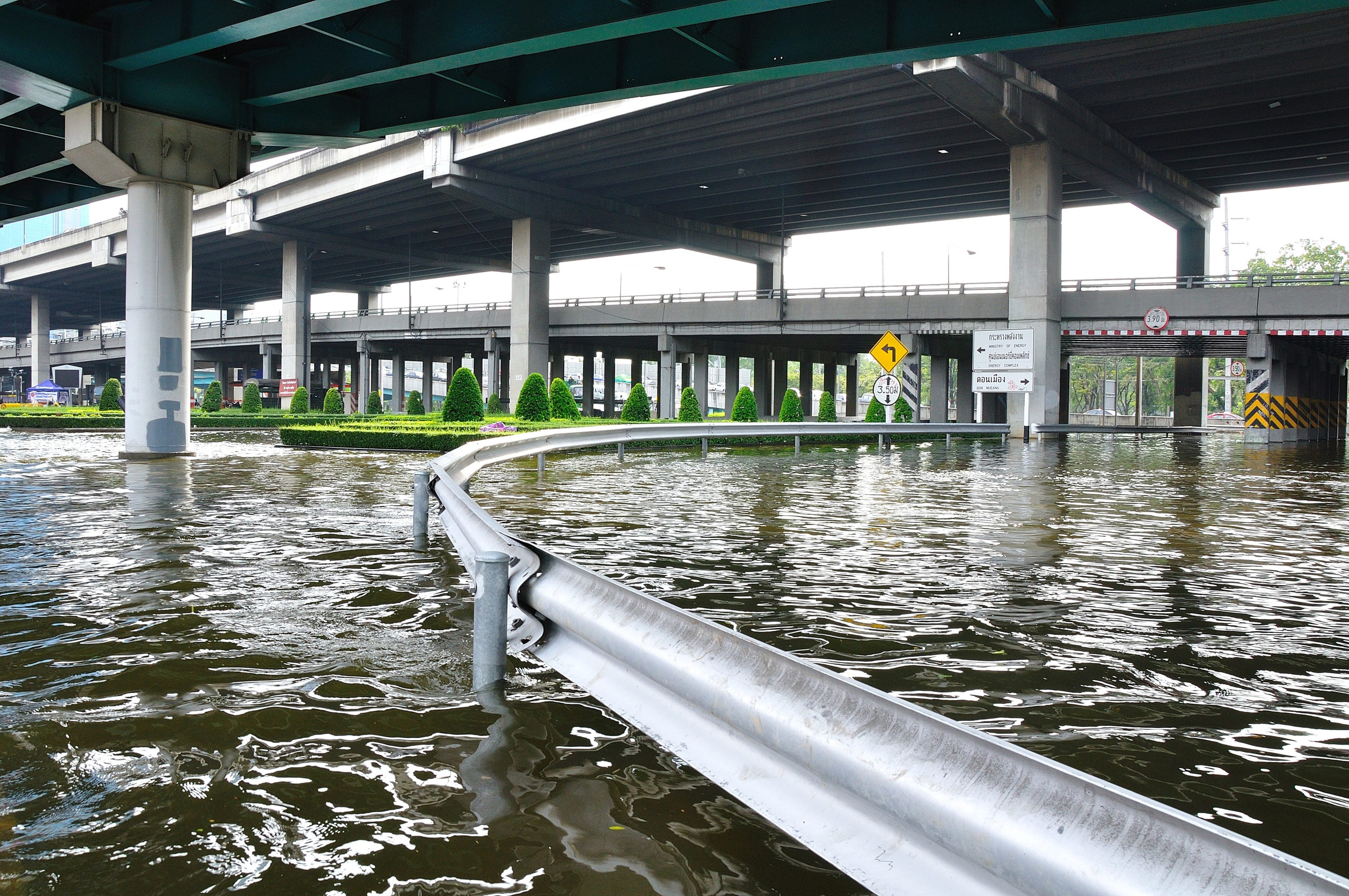
Floodwater remains one of the most underestimated dangers in severe weather events. National safety campaigns consistently report that more than 50 percent of flood-related drownings occur in vehicles, not homes.
Just 12 inches of moving water can carry away a small car, while 6 inches can knock an adult off their feet. Despite this, many drivers still attempt to cross flooded roads, misjudging depth and current strength.
The safest decision is simple but critical: turn around, do not drown. Floodwater often hides debris, open drains, and electrical hazards that cannot be seen from the surface.
Choosing Unsafe Shelter Locations Inside the Home
During tornadoes and high-wind events, location within the home can determine survival outcomes. Research shows that interior rooms without windows reduce injury risk by up to 80 percent compared to exterior-facing spaces.
Basements, interior bathrooms, and closets offer the best protection, while large open rooms, garages, and upper floors are significantly more vulnerable to debris impact and structural damage.
Families often fail to identify a shelter space in advance, which increases reaction time during warnings by an average of 10 to 15 critical minutes, time that may no longer exist once a tornado warning is issued.
Excluding Elderly and Disabled Family Members From Planning
Households that do not account for mobility or medical needs face significantly higher evacuation complications. A study of health services provided during Hurricanes Gustav and Ike highlights that people with limited mobility or chronic health conditions face significant challenges during disasters. According to the article, effective planning should address transportation access, safe medication storage, backup power for medical devices, and clear communication about roles and responsibilities. Without these considerations, evacuation plans can collapse under pressure.
Community support networks, caregivers, and neighbors often become essential during emergencies, reducing response delays and improving survival outcomes by nearly 40 percent in coordinated evacuation scenarios.
Assuming Danger Ends When the Storm Passes
One of the most overlooked mistakes is treating the storm’s end as the end of danger. A study by Weiss, Barrett, and Freeman found that injury-related emergency department visits rise significantly in the weeks following hurricanes, with the largest increases occurring in the first two weeks after the storm.
Hazards such as downed power lines, unstable trees, contaminated water, and damaged structures can remain dangerous long after the immediate threat has passed. Many accidents happen when people rush to inspect property too early.
Safety experts recommend waiting for official clearance before returning outdoors or driving through affected areas, as secondary hazards often emerge hours after initial impact.
Overlooking Mental Health After Severe Weather
The emotional impact of severe weather is often underestimated. Disaster mental health studies show that up to 30 percent of survivors experience lingering stress symptoms weeks after an event, even if their homes were not directly damaged.
Anxiety, sleep disruption, and emotional fatigue are common responses, especially among children and first responders. Ignoring these signs can prolong recovery.
Simple routines, community support, and a normal daily structure help significantly reduce stress recovery time, sometimes by as much as 40 percent, according to post-disaster behavioral research.
Building a Family Plan That Actually Works
The most effective severe weather plans are simple, practiced, and shared. While there is evidence that behavioral interventions and emergency planning can help households better prepare for disasters, the reviewed research does not include specific statistics on how regular family emergency rehearsals affect confusion during evacuations.
According to a 2024 systematic review, strong disaster preparedness plans recommend having two meeting points, an out-of-area contact, emergency kits, pet arrangements, and clear roles for each household member. Complexity is the enemy of action during emergencies.
Preparedness does not remove danger, but it removes hesitation. And in severe weather, hesitation is often what turns risk into tragedy.