Vegetables have a glowing reputation, and most of that praise is well earned. They bring fiber, water, vitamins, minerals, antioxidants, color, and texture to the plate. Still, we cannot pretend every vegetable gives the same nutritional return. Some are mostly water, some become less helpful because of how they are cooked, and others are healthy in theory but often arrive covered in salt, oil, cheese, butter, or creamy sauces.
The smarter approach is not to fear vegetables. We simply need to understand which ones work best as light add-ons and which ones deserve more space as nutrient-dense staples. A crunchy cucumber slice, a celery stick, or a scoop of peas can still belong in a healthy diet. The real upgrade begins when we choose vegetables that deliver more fiber, deeper color, stronger micronutrients, and better long-term value with every bite.
Iceberg Lettuce
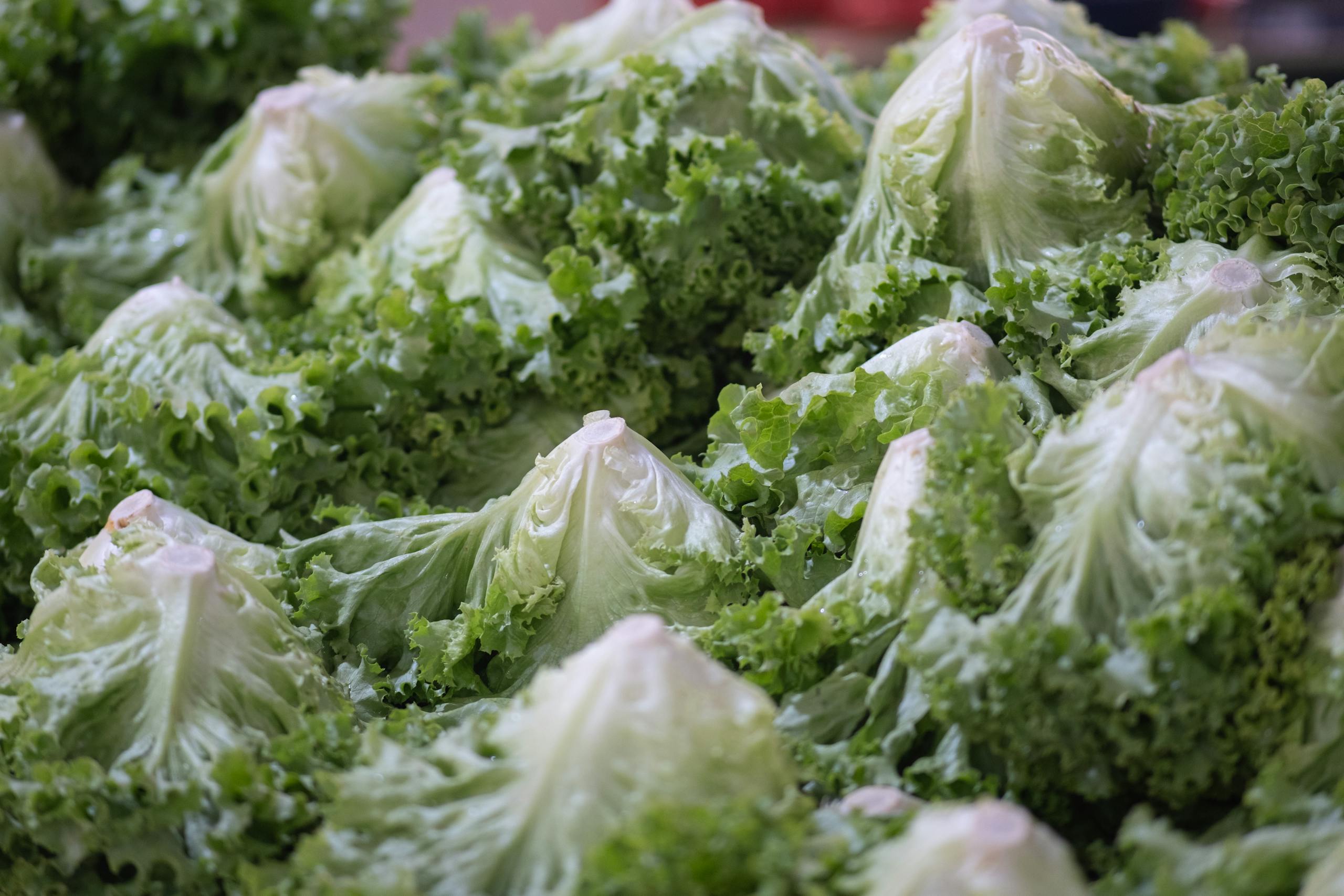
Iceberg lettuce is popular because it is crisp, mild, cheap, and easy to use. It gives sandwiches and salads a fresh bite, and it can help a meal feel lighter. The problem is that iceberg lettuce is mostly water and lacks the same nutritional depth as darker leafy greens. (MS, 2024) It fills the bowl, but it does not always fill the nutritional gap.
This does not make the iceberg useless. It can help people enjoy salads, add texture to tacos, or replace heavier wraps in some meals. Still, when we build a salad around an iceberg alone, we miss a chance to add more vitamins, minerals, fiber, and antioxidants. A truly strong salad needs deeper greens, colorful vegetables, and a better balance of texture and nutrition.
Cucumbers
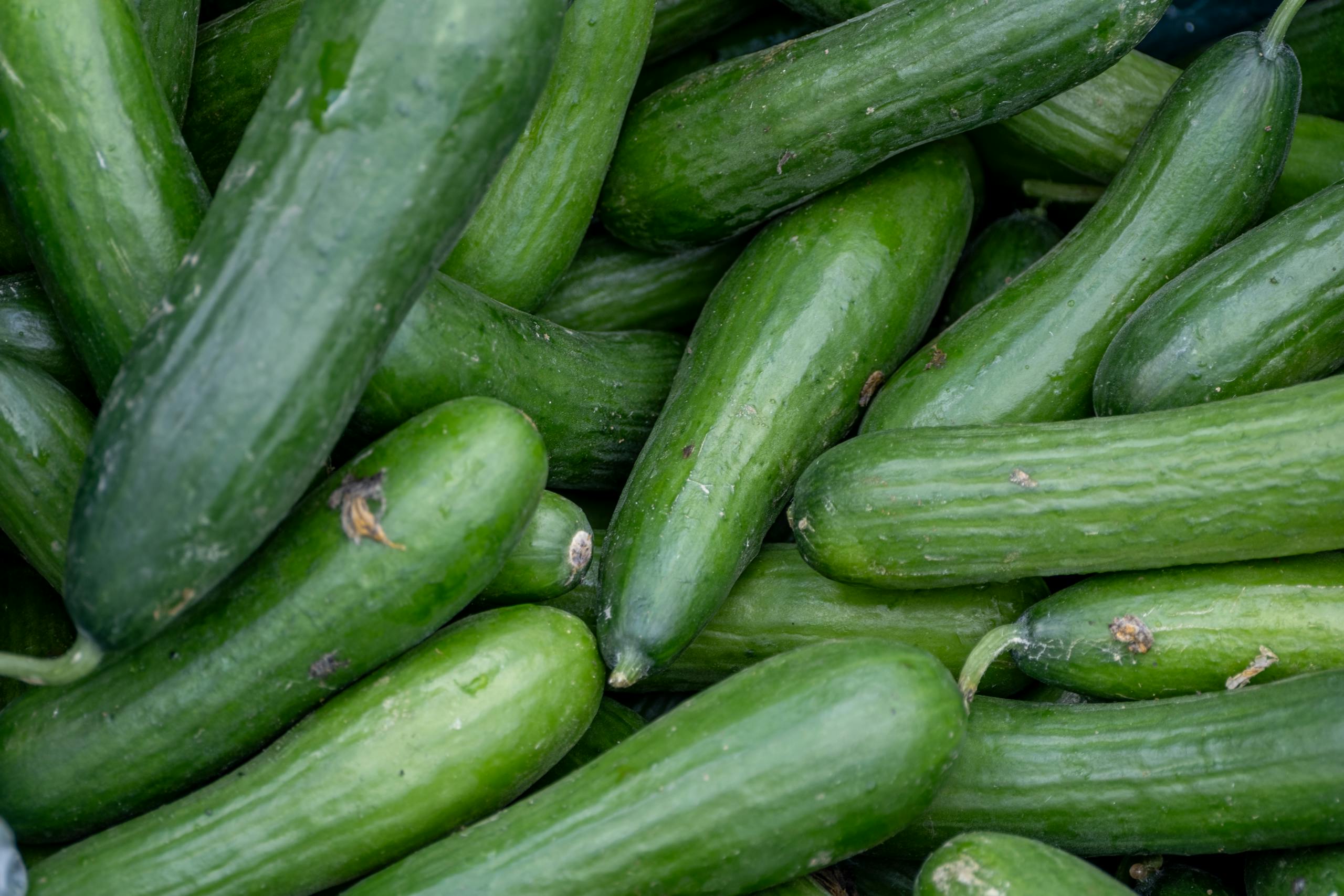
Cucumbers are often treated like health-food heroes because they are low in calories and high in water. They are refreshing, easy to slice, and useful in salads, sandwiches, infused water, and snack plates. They can support hydration and help meals feel fresh. However, cucumbers are not especially rich in protein, fiber, or a wide range of minerals compared with many other vegetables.
The peel matters because it contains some fiber and nutrients. Once cucumbers are peeled, heavily salted, or turned into sweet pickles, their nutritional profile changes. We can keep cucumbers in the diet, but we should see them as a light, cooling add-on rather than the main vegetable on the plate.
Potatoes
Potatoes are often unfairly criticized because a plain potato can provide potassium, fiber, and satisfying carbohydrates. The problem starts with portion size and preparation. Fries, loaded baked potatoes, potato chips, buttery mashed potatoes, and creamy potato casseroles can bury the vegetable under salt, saturated fat, and extra calories. The potato is not always the villain. The cooking method often is.
Another issue is that potatoes are starchy. That means we should treat them more like a carbohydrate side than a non-starchy vegetable. A plate built around fried potatoes yields a very different result from one built around roasted broccoli, greens, beans, and carrots. We can enjoy potatoes, but we should balance them with fiber-rich vegetables and avoid making them the only “vegetable” in the meal.
Canned Vegetables
Canned vegetables are convenient, affordable, and shelf-stable, so they can absolutely help people eat more vegetables. The problem is that many canned options contain added salt. Sodium builds up quickly when canned vegetables are served with processed meats, boxed sides, salty sauces, or restaurant-style meals. A vegetable that should support heart health can still fit into a high-sodium diet.
Peas
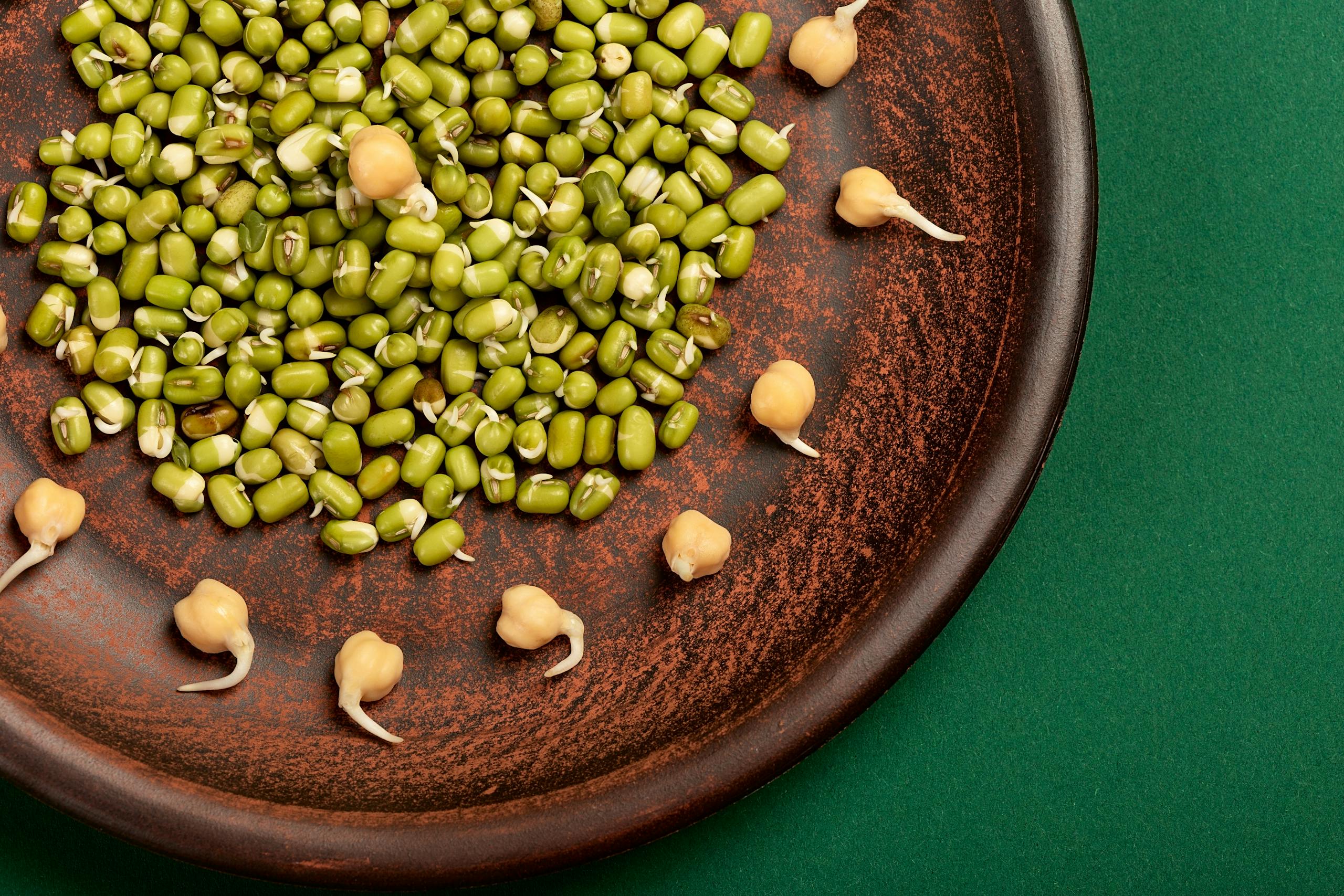
Peas are more nutritious than many people realize. They provide fiber, plant-based protein, and useful micronutrients. The concern is not that peas are “bad.” The concern is that they are often counted as light green vegetables, even though they sit closer to the starchy end of the vegetable family. A large serving of peas affects a meal differently than a large serving of leafy greens.
This matters most when peas are paired with potatoes, rice, pasta, bread, or creamy sauces. The meal can become starch-heavy without much balance from non-starchy vegetables. We can keep peas in soups, rice dishes, curries, and stews, but we should pair them with greens, cabbage, broccoli, carrots, peppers, or other fiber-rich vegetables.
Eggplant
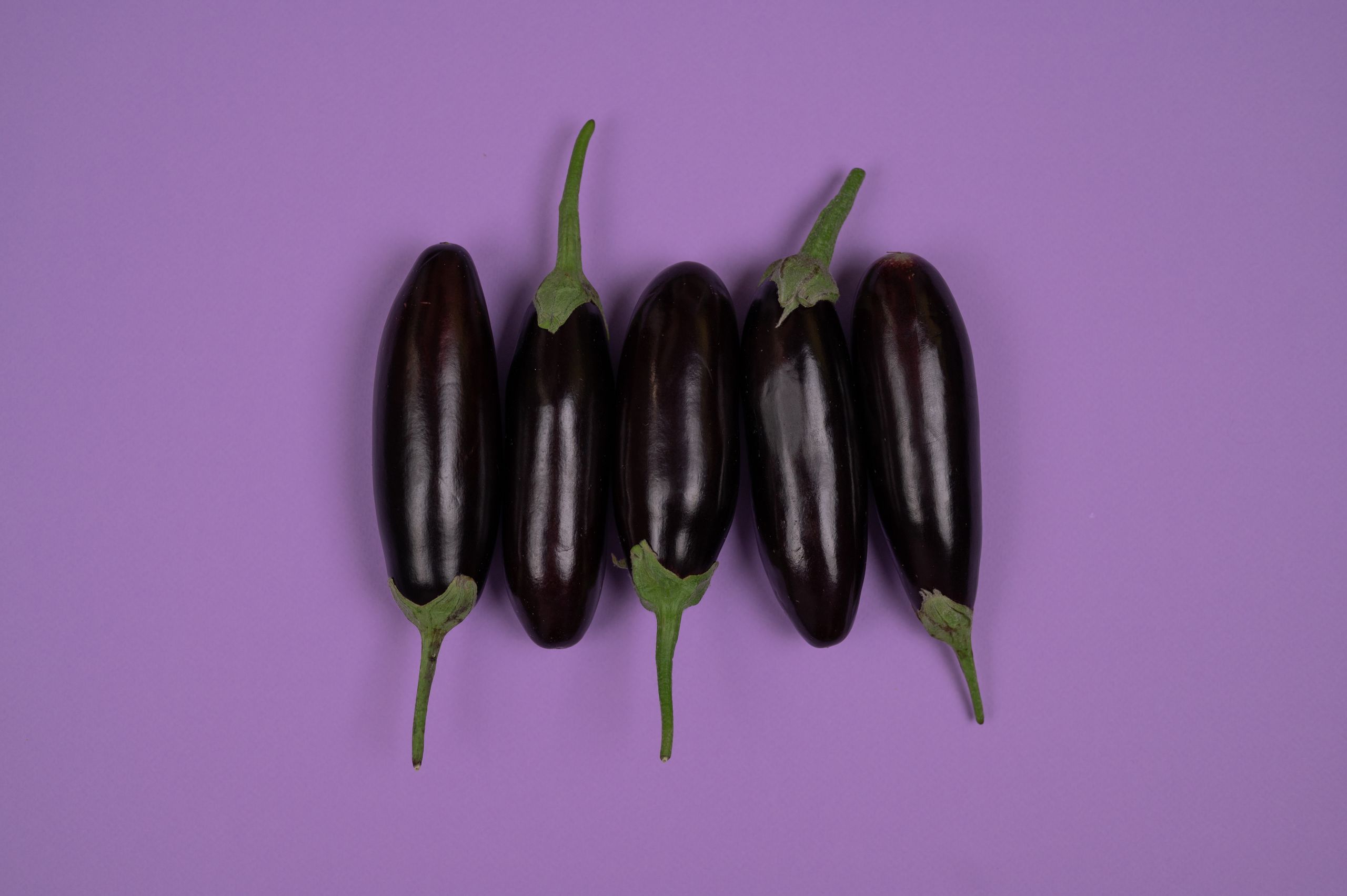
Eggplant is a good source of fiber and useful plant compounds and can be part of a healthy diet. The problem is its sponge-like texture. It absorbs oil quickly, especially when fried, breaded, or cooked in heavy sauces. A vegetable that starts out light can become calorie-dense once it hits a pan full of oil.
Preparation changes everything. Roasted, grilled, baked, or air-fried eggplant can be flavorful and satisfying. Deep-fried eggplant slices, creamy eggplant dips, and cheese-heavy casseroles tell a different nutritional story. We should not blame eggplant itself, but we should be honest about how easily it becomes rich and heavy.
Radishes
Radishes are sharp, peppery, crisp, and bright. They can wake up a salad, taco, sandwich, or slaw with very little effort. They are low in calories and can be refreshing when sliced thin. However, most people eat radishes in small amounts because the flavor is strong. That means they rarely deliver a large nutritional contribution.
Digestive sensitivity can also be an issue for some people. Radishes contain compounds that may cause gas or discomfort in sensitive stomachs, especially when eaten raw in larger amounts. (Silva et al., 2025) We should use radishes as a bold accent, not as the main vegetable that carries a meal.
Sweet Corn
Corn is colorful, sweet, and deeply comforting. It is used in many traditional dishes and can be part of a healthy diet in reasonable portions. The concern is that corn is starchy and often served with butter, salt, cheese, mayonnaise, or creamy toppings. It can also appear in processed forms that do not offer the same nutritional value as whole vegetables.
A corn-heavy plate may feel vegetable-rich, but it can lack the fiber variety and micronutrient range that comes from leafy greens, cruciferous vegetables, legumes, and orange vegetables. We do not need to remove corn. We just need to stop letting it crowd out more nutrient-dense options.
Common Mistakes That Make Vegetables Less Healthy
The first mistake is drowning vegetables in heavy sauces. Creamy dressings, cheese sauces, butter, and salty bottled condiments can change the whole meal. The second mistake is counting fried vegetables as equal to steamed, roasted, or fresh ones. Frying adds extra fat and often reduces the clean, everyday value people expect from vegetables.
The third mistake is eating the same vegetable every day and assuming variety does not matter. A cucumber-heavy salad is not the same as a salad with spinach, carrots, broccoli, beans, cabbage, and herbs. The fourth mistake is ignoring sodium in canned and packaged vegetable products. A vegetable can still be a vegetable, but the final dish is only as healthy as the full preparation.
Conclusion
Not every vegetable gives the same nutritional payoff. Celery, iceberg lettuce, cucumbers, radishes, and similar light vegetables can still belong on the plate, but they should not crowd out darker, denser, and more fiber-rich choices. Potatoes, peas, and corn can fit into balanced meals, but they work best when treated as starchy sides rather than the only vegetables we eat.
The best move is simple. We keep the vegetables we enjoy, but we upgrade the ones we rely on most. More spinach, kale, collard greens, broccoli, cauliflower, bok choy, carrots, turnips, rutabaga, Swiss chard, and green beans can make everyday meals more nourishing without making them boring. Healthy eating becomes easier when we stop chasing perfect foods and start building better plates.
.