Most people want to believe danger has a recognizable address. It belongs somewhere else, in a bad part of town, on a dark road, behind a locked headline that has nothing to do with the block where their kids ride bikes.
Then, certain crimes break that illusion. A child disappears from a mall. A family home becomes unsafe. A quiet street turns into a place where porch lights stay on longer than usual. A neighbor who seemed ordinary becomes part of a story nobody can stop discussing.
That is why some horrific cases do more than shock the country. They change the way Americans look at front doors, driveways, school routes, sleepovers, gas stations, and the people living nearby.
These cases still disturb readers because they began in places that were supposed to feel normal. The fear was not only about what happened. It was about realizing that normal can sometimes hide danger until it is too late.
Adam Walsh Changed How Parents Saw Shopping Malls
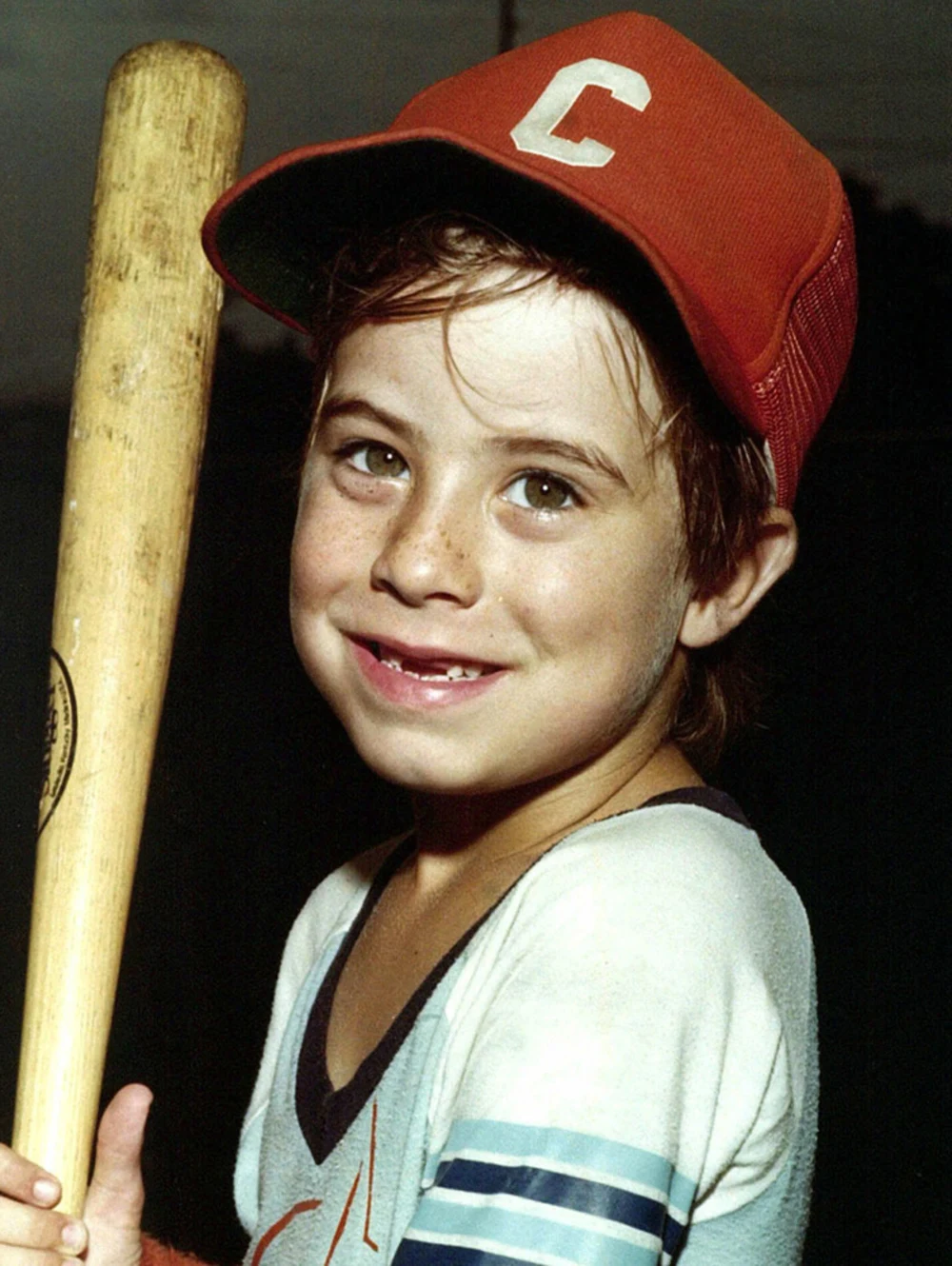
The 1981 abduction and murder of Adam Walsh changed the way many American parents viewed public places. A shopping mall had once felt like an ordinary family errand, a place where children could stand near a toy display while parents handled quick tasks. After Adam’s case, that ordinary scene felt different. Parents began watching exits, holding smaller hands tighter, and fearing how fast a child could vanish in a crowded space.
The pain of the Adam Walsh case stretched far beyond one family. It helped fuel major child-safety advocacy and changed how communities respond to missing children. For many Americans, the case marked a before-and-after moment. Public places no longer felt automatically safe just because they were bright, busy, and familiar.
The Atlanta Child Murders Terrified Parents Across a City
Between 1979 and 1981, Atlanta was gripped by fear as Black children, teens, and young adults were found dead or missing. Families who had once let children walk to stores, play outside, or move through the neighborhood with some freedom began living under heavy anxiety. Parents watched the streets differently. Children felt the fear before they fully understood it.
The Atlanta child murders became one of the most painful crime stories in modern city history because the victims came from ordinary neighborhoods and everyday routines. The case exposed how terror can settle over an entire community, especially when families feel their children are being hunted and answers arrive slowly.
Son of Sam Made New York Nightlife Feel Dangerous
In the 1970s, David Berkowitz, known as Son of Sam, terrified New York City with a series of shootings that targeted people in ordinary urban settings. Couples sitting in cars, young people out at night, and residents moving through familiar neighborhoods suddenly felt vulnerable. The fear was not abstract. It changed how people dated, drove, parked, and walked after dark.
What made the case especially disturbing was the randomness people felt at the time. A city already dealing with crime, blackout fears, and social tension now had a killer whose attacks made normal nighttime life feel risky. Son of Sam turned ordinary streets into places where people looked over their shoulders and wondered whether being outside at the wrong hour could cost them everything.
The Night Stalker Made Bedrooms Feel Unsafe
Richard Ramirez, known as the Night Stalker, spread fear across Southern California in the mid-1980s. His crimes were especially terrifying because they invaded the one place people most wanted to trust: home. Families locked windows, checked doors, bought extra security, and slept uneasily as the case dominated conversations across neighborhoods.
The Night Stalker case frightened Americans because it challenged the belief that the home itself was a protection. The idea that someone could enter an ordinary house at night and turn privacy into terror changed how people thought about locks, alarms, open windows, and neighborhood watchfulness. The fear did not live in a distant alley. It came through the door.
The Golden State Killer Haunted California Suburbs for Decades
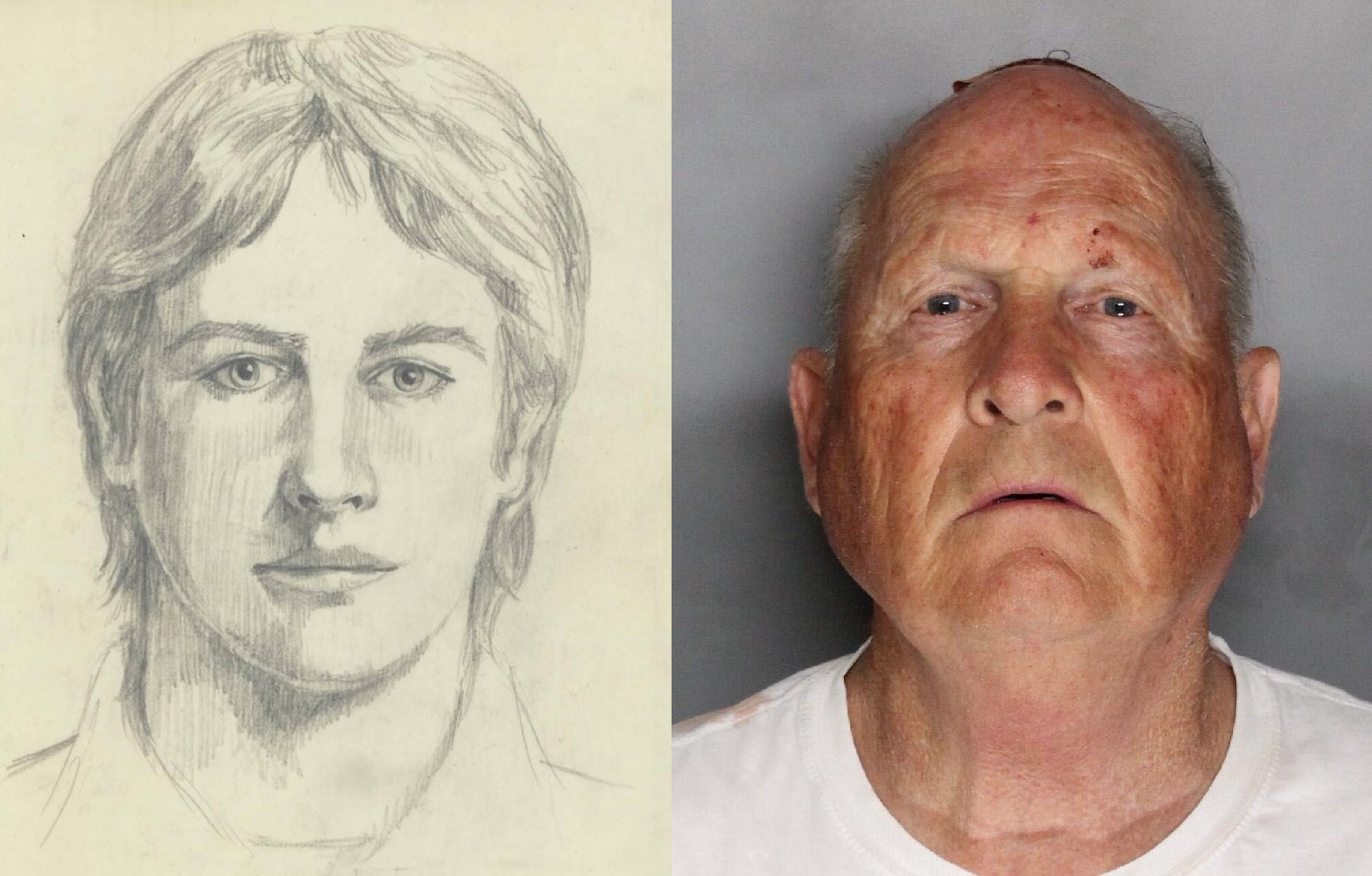
The Golden State Killer case stretched across California and haunted communities for decades before Joseph James DeAngelo was arrested in 2018. The crimes spread fear through suburbs that many families had considered safe. Neighborhoods became tense, people checked windows repeatedly, and residents wondered how someone could move through normal communities for so long without being caught.
What made the Golden State Killer so unsettling was the mix of ordinary settings and long silence. Families lived in fear, then, years later, with unanswered questions. His eventual identification through investigative genetic genealogy changed how Americans thought about cold cases, DNA, and the possibility that someone dangerous could have been living a normal-looking life nearby.
BTK Made Wichita Question the People Next Door
Dennis Rader, known as BTK, killed in and around Wichita, Kansas, while also living a public life that appeared ordinary in many ways. He worked, attended church, raised a family, and moved through his community like someone people thought they understood. That contrast made the case deeply disturbing.
The fear around BTK was not only about the crimes. It was about the mask. Americans looked at the case and wondered how well anyone really knows a neighbor, coworker, church member, or family man. The case made the phrase “hiding in plain sight” feel less like a cliché and more like a warning.
The Beltway Snipers Made Everyday Errands Feel Dangerous
In 2002, the Washington, D.C., area was gripped by fear during the Beltway sniper attacks. People were shot while doing ordinary things: pumping gas, shopping, walking, or going about their daily lives. The randomness made the fear unbearable because there seemed to be no safe pattern to avoid.
The Beltway sniper attacks changed how people moved through public spaces for weeks. Residents crouched while filling gas tanks, avoided open parking lots, and scanned their surroundings with dread. The case turned everyday errands into moments of calculation, reminding Americans that terror can attach itself to the most ordinary routines.
Polly Klaas Made Sleepovers Feel Less Innocent
The 1993 abduction and murder of Polly Klaas in Petaluma, California, horrified the country because she was taken during a sleepover at home. A sleepover is supposed to feel like childhood at its safest: friends, pajamas, snacks, laughter, and a parent nearby. The case shattered that emotional image.
For many families, Polly’s case changed how parents thought about home safety, overnight visits, and the terrifying possibility that danger could enter a child’s room. It also became tied to debates over criminal sentencing and repeat offenders. The emotional force of the case came from how deeply ordinary the setting was before it became a national trauma.
Megan Kanka Changed How Families Thought About Neighbors
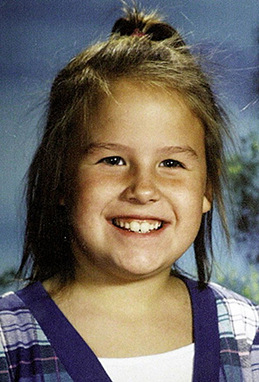
The 1994 murder of Megan Kanka in New Jersey became one of the most influential child safety cases in American history. The danger came from close to home, involving a neighbor with prior sex offense convictions. That fact altered how many families thought about trust inside their own communities.
Megan’s case helped lead to laws requiring public notification about certain registered sex offenders. The case remains controversial in policy discussions, but its emotional effect on parents was immediate. It made Americans confront a frightening question: What should families be allowed to know about potential dangers in their neighborhoods?
The Gainesville Student Murders Shook College Communities
In 1990, a series of murders near the University of Florida in Gainesville terrified students, parents, and college communities across the country. Apartments, off-campus housing, and student neighborhoods suddenly felt vulnerable. Parents called more often. Students changed routines. Doors were locked with new urgency.
The case struck a deep nerve because college is often seen as a first step into independence. Young adults were supposed to be building futures, not fearing their own bedrooms. The Gainesville murders made many Americans think differently about campus housing, roommate safety, and how quickly freedom can become fear when violence enters a student community.
The reason these horrific cases still stay in American memory is that they made safety feel personal. They did not happen only in places people could easily dismiss as dangerous. They happened around malls, homes, neighborhoods, schools, streets, and errands that looked painfully familiar.
That is why these stories continue to unsettle readers. They remind Americans that safety is not just a feeling created by familiar surroundings. It is something families, communities, police, institutions, and neighbors have to protect with attention, honesty, and urgency.