A home can look tidy on the surface and still quietly lose its breathing room. The real problem is rarely one dramatic mess. It is usually the slow buildup of expired products, duplicate tools, sentimental extras, broken items, paper piles, and “maybe someday” objects that keep stealing space from the rooms we use every day.
Professional organizers do not walk into a home looking for perfection. They look for friction. If an item makes daily life slower, harder, less safe, or more stressful, it becomes a strong candidate for removal. When we start viewing clutter through that lens, decluttering becomes less emotional and more practical. We stop asking, “Could this be useful one day?” and start asking, “Does this support the way we live now?”
Old Spices That No Longer Add Flavor
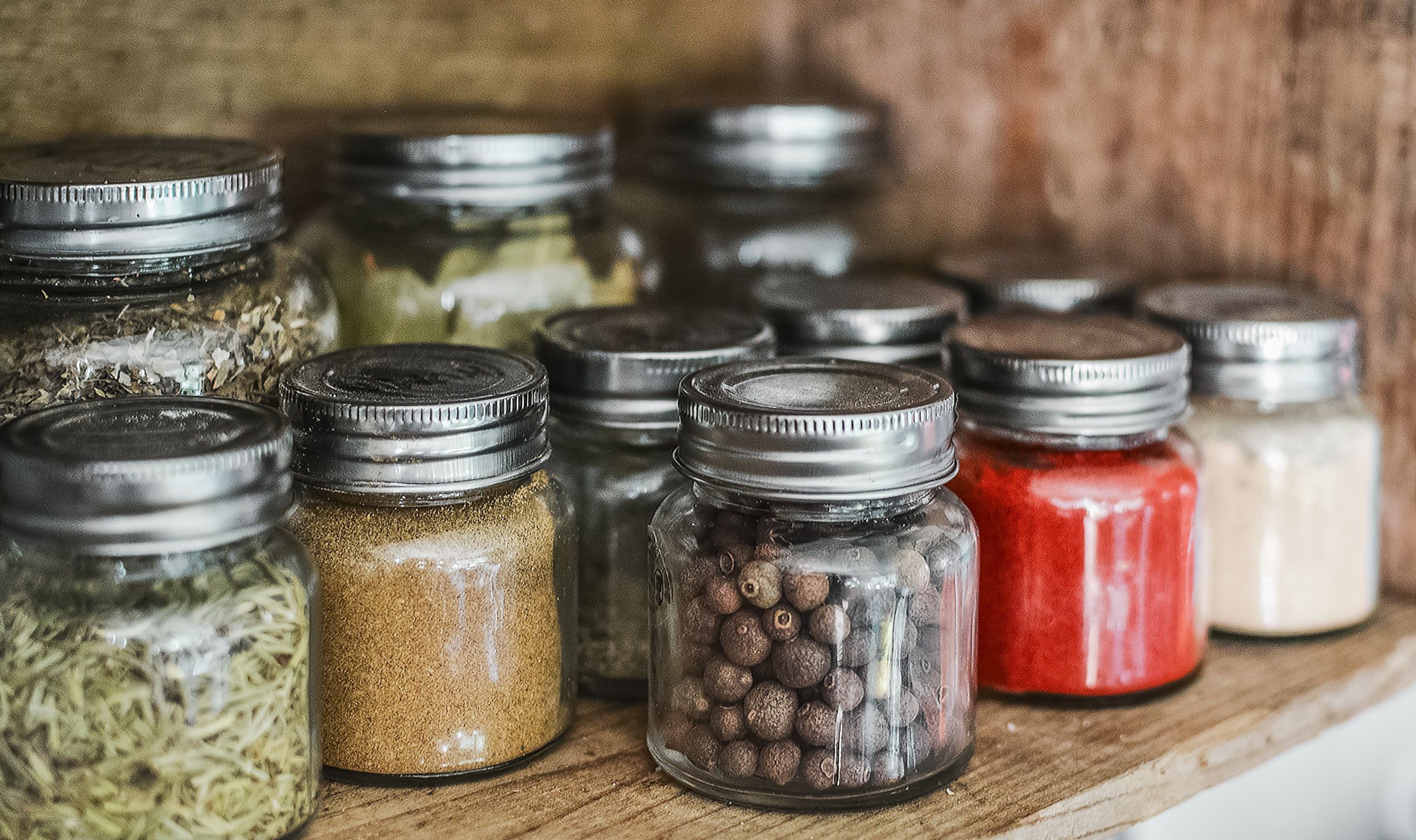
Spices are small, but they create surprising clutter because most people keep them for years without checking them. A faded jar of paprika, a dusty container of oregano, or a mystery spice with no label may not seem like a big deal, but old spices lose their power over time. We end up seasoning food with products that take up cabinet space but don’t do their job well.
We should keep the spices we actually cook with and discard those that have lost their scent, color, or purpose. A good rule is simple: if we cannot remember buying it, cannot identify it, or do not use it in real meals, it probably does not deserve prime kitchen space. Clear spice storage makes cooking faster because we can see what we have and reach for it without digging through a crowded shelf.
Broken Electronics That Have Become Silent Junk
Old phones, dead tablets, broken chargers, outdated remotes, damaged headphones, and random electronic accessories often sit in drawers because we feel guilty throwing them away. They look too valuable for the trash, but they are not useful enough to keep. That is exactly why they become long-term clutter.
We should sort electronics into clear categories: working items we use, working items we can donate or sell, and broken items that need responsible recycling. Professional organizers remove the emotional fog by asking whether the item still serves a real function. If a device is broken, obsolete, or missing essential parts, keeping it usually means we are storing a problem instead of a possession.
Mystery Cords No One Can Identify
Few household items create more confusion than a tangled drawer full of unidentified cords. We keep them because one might belong to something important. Months later, the drawer becomes a nest of cables for devices we no longer own.
The best approach is to match cords to active electronics first. Anything that cannot be identified should be placed in a temporary holding box with a deadline. If no one reaches for it after a set period, it can go. We do not need to keep every cord forever just because technology once made us nervous about losing the “right one.”
Duplicate Kitchen Tools That Crowd the Best Drawers
Kitchen drawers often reveal how clutter builds through repetition. Three peelers, four spatulas, five can openers, mismatched measuring cups, and gadgets bought for one recipe can quickly steal the space needed for everyday cooking. The problem is not having tools. The problem is having too many versions of tools that do the same job.
We should keep the strongest, most comfortable, and most frequently used version of each item. A professional organizer would ask which tools we reach for first and which we only move around. When duplicates leave, the kitchen becomes easier to clean, cook in, and maintain after a busy day.
Expired Beauty Products Taking Over the Bathroom
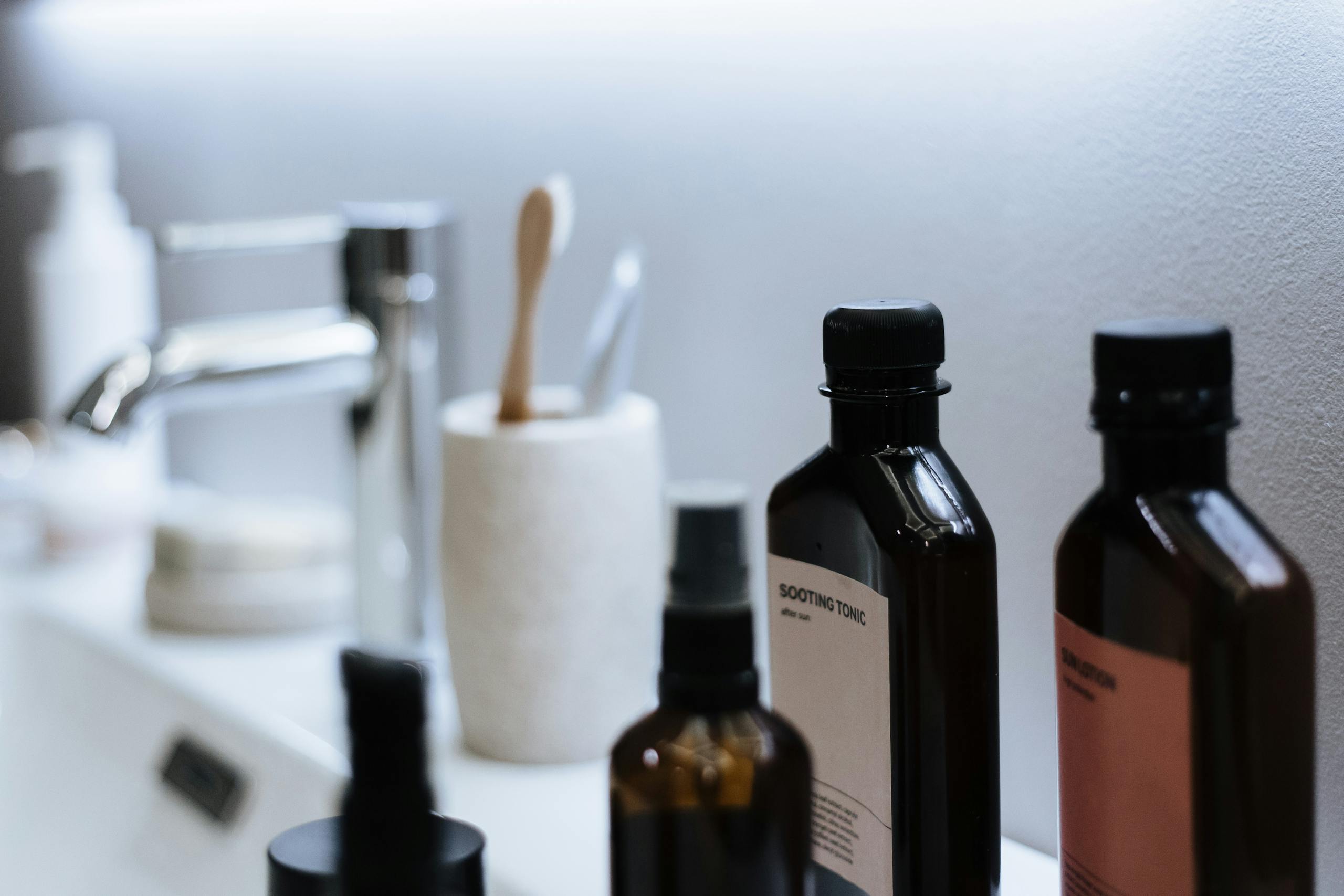
Bathrooms often collect products faster than we use them. Old sunscreen, dried mascara, expired skincare, half-empty lotions, forgotten samples, hair products that never worked, and travel-size bottles can crowd drawers and counters. Some of these products also lose effectiveness or become unpleasant to use over time.
We should remove anything that smells strange, has changed texture, has separated, is past its recommended use period, or simply does not suit our routine. Professional organizers know that bathroom clutter can make mornings feel rushed before the day has even begun. A leaner bathroom cabinet gives us a cleaner start, fewer decisions, and more confidence that the products we keep are actually worth using.
Expired Medication That Creates Safety Risks

Medication clutter differs from ordinary clutter because it can pose real safety concerns. Expired prescriptions, old pain relievers, unfinished antibiotics, outdated cold medicine, and loose pills in unmarked containers should never sit forgotten in a cabinet. These items can confuse adults, endanger children, and make it harder to find current medication when it is needed.
We should regularly check the medicine storage and remove anything expired, unneeded, or unclear. A professional organizer would also separate daily medications from occasional supplies and make labels easy to read. Safe disposal matters here, so medication should be handled through proper local disposal options when available. The result is not just a neater cabinet. It is a safer home.
Worn-Out Towels and Linens That Hog Closet Space
Linen closets often become storage zones for towels and sheets we no longer want to use. Threadbare bath towels, stained washcloths, faded pillowcases, ripped sheets, and old blankets can fill shelves, leaving fresh linens hard to find. We keep them as “backup,” but too many backups create daily frustration.
A professional organizer would help us decide how many linens each person or bed actually needs. The best pieces stay, a few practical extras remain, and the rest can be donated where appropriate, repurposed as cleaning rags, or removed. When the linen closet holds only useful, clean, and comfortable items, it stops feeling like a fabric graveyard.
Clothes That No Longer Fit the Life We Live
Clothing clutter is often emotional because clothes carry memories, hopes, guilt, and money spent. We keep items that do not fit, pieces that match an older version of our style, outfits with tags still attached, and clothes we might wear if our lives suddenly change. The closet becomes a museum of possibilities instead of a tool for getting dressed.
We should keep clothing that fits, feels good, suits our current routine, and makes sense for the seasons we actually experience. Professional organizers often focus on what we choose repeatedly, not what we theoretically admire. When old clothing leaves, the remaining wardrobe becomes easier to use. We see our options clearly, get dressed faster, and stop feeling judged by items that no longer belong in our daily life.
Unused Gifts That Stay Out of Guilt
Gifts can be among the hardest clutter to remove because they arrive with emotional weight. A decorative bowl from a relative, a novelty mug from a coworker, a candle we never burn, or a trinket from a holiday exchange may sit unused for years because we do not want to seem ungrateful. Still, keeping a gift forever is not the same as honoring the person who gave it.
We can appreciate the gesture without giving the object permanent space in our home. A professional organizer would ask whether the item is useful, meaningful, or beautiful to us now. If it is none of those things, donating or regifting it respectfully allows it to serve someone else. Our homes should reflect our lives, not every social obligation we have ever been subjected to.
Decorative Knick-Knacks That Make Rooms Feel Busy
Decor can add warmth, personality, and style, but too much of it can make even a clean room feel visually noisy. Small figurines, outdated signs, old vases, souvenir pieces, seasonal objects, and random shelf fillers can crowd surfaces, leaving nothing to stand out. We may technically like each item, yet dislike the overall effect.
Professional organizers often suggest editing decor the way a curator edits a display. We should keep the pieces that enhance the room’s mood and remove items that feel tired, mismatched, or excessive. Open space is not empty space. It gives the objects we love room to breathe and helps the whole home feel calmer.
Old Magazines and Newspapers That Nobody Reopens
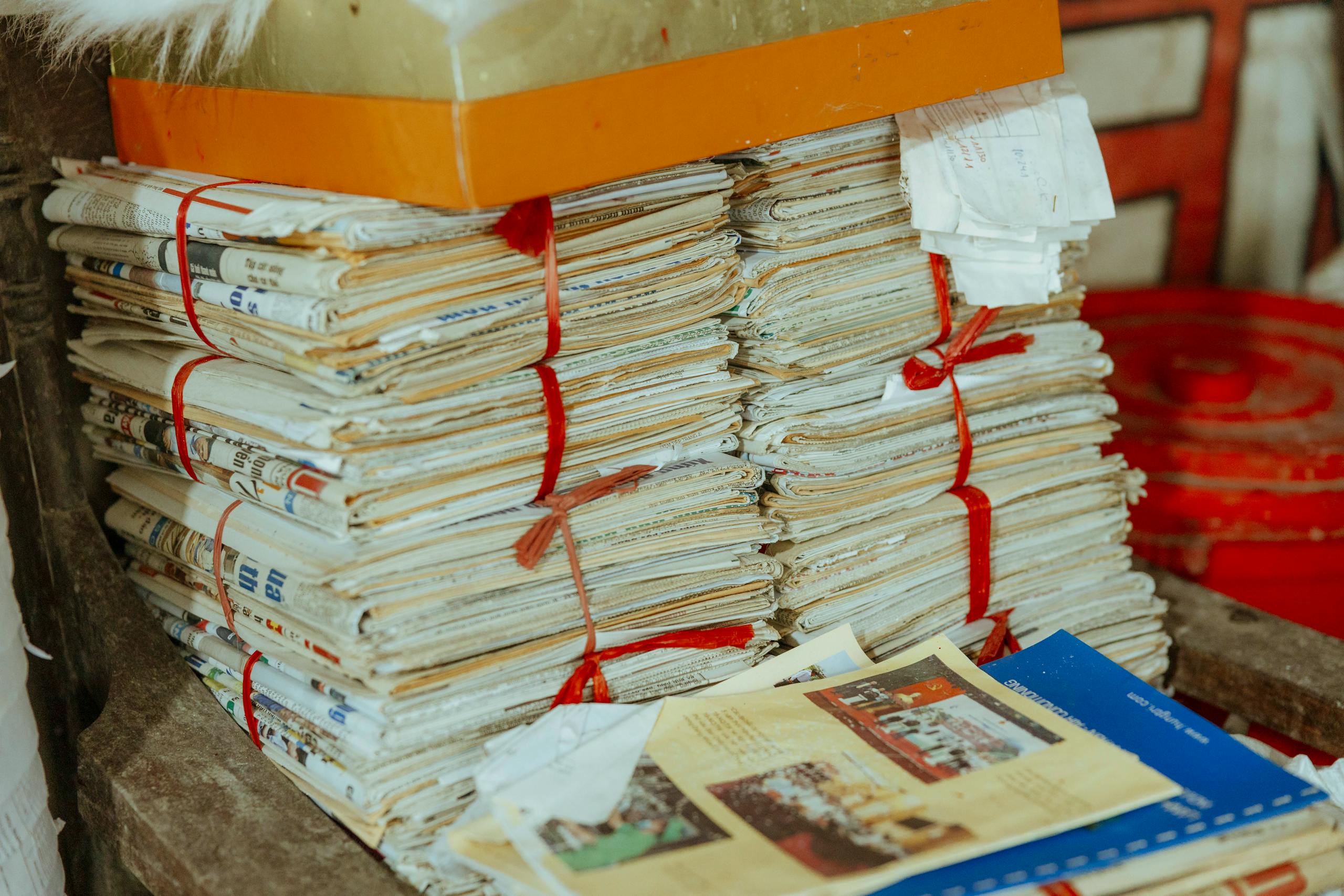
Magazines and newspapers often pile up because they feel informative or inspiring. We tell ourselves we will read them later, clip recipes, save design ideas, or revisit an article. In reality, most of them become dusty stacks that take up tables, baskets, shelves, and corners.
We should keep only current issues or truly useful pages, then recycle the rest. If an article matters, we can photograph it, save a digital link, or place it in a small reference folder. Professional organizers remove paper clutter quickly because it can spread to every room when left unchecked. A home feels lighter almost instantly when old reading piles disappear.
Receipts, Coupons, and Paperwork Past Their Purpose
Paper clutter is one of the most common reasons a home feels disorganized. Receipts, expired coupons, old envelopes, school notices, manuals, takeout menus, appointment cards, and random forms can scatter across counters and drawers. The challenge is that some papers matter, so we hesitate and keep nearly all of them.
A stronger system separates paper into action, archive, shred, recycle, and digital storage. We should keep tax documents, warranties, medical records, legal papers, and active receipts in clearly labeled places. Everything else needs a short path out of the home. Professional organizers know that paper requires decisions, and the longer those decisions wait, the heavier the piles become.
Unused Hobby Supplies From Abandoned Projects
Hobby clutter is sneaky because it represents creativity, ambition, and optimism. Craft supplies, yarn, paints, scrapbooking materials, workout gear, musical accessories, gardening tools, and sports equipment can all feel like investments in a better version of ourselves. The trouble begins when the supplies sit untouched for years and quietly take over closets, garages, and spare rooms.
We should be honest about which hobbies still fit our time, budget, interests, and space. A professional organizer would not shame us for changing seasons. They would help us keep the supplies tied to active joy and release the ones tied to old pressure. Donating unused materials can make the decision easier because the items may support someone who is ready to use them now.
Conclusion
A professional organizer would not throw things out just to create empty shelves. They would remove the items that interrupt daily life, steal useful space, and make simple routines feel harder than they should. Expired food, broken electronics, old beauty products, worn linens, paper piles, duplicate tools, unused gifts, and abandoned hobby supplies all carry a hidden cost.