A multi-state cyclosporiasis outbreak that has affected more than 1,600 people across five U.S. states is now considered “under control,” according to Health and Human Services Secretary Robert F. Kennedy Jr. The announcement comes after weeks of investigation by federal health officials, state agencies, and food safety experts searching for the source of the parasitic intestinal illness.
The outbreak has drawn national attention because of its connection to shredded iceberg lettuce served at some Taco Bell locations. Investigators identified the lettuce as a likely source after tracing clusters of infections and examining food supply chains. The affected lettuce was supplied by Taylor Farms and sourced from central Mexico. (Investigation of 5-State Outbreak of Cyclospora Illnesses.)
Although officials say the situation has improved, health authorities continue monitoring new cases and investigating possible sources of infection in other states. The response has also sparked debate about food safety systems, disease tracking, and the role of federal surveillance programs.
What Is Cyclosporiasis And Why Did This Outbreak Raise Concerns?
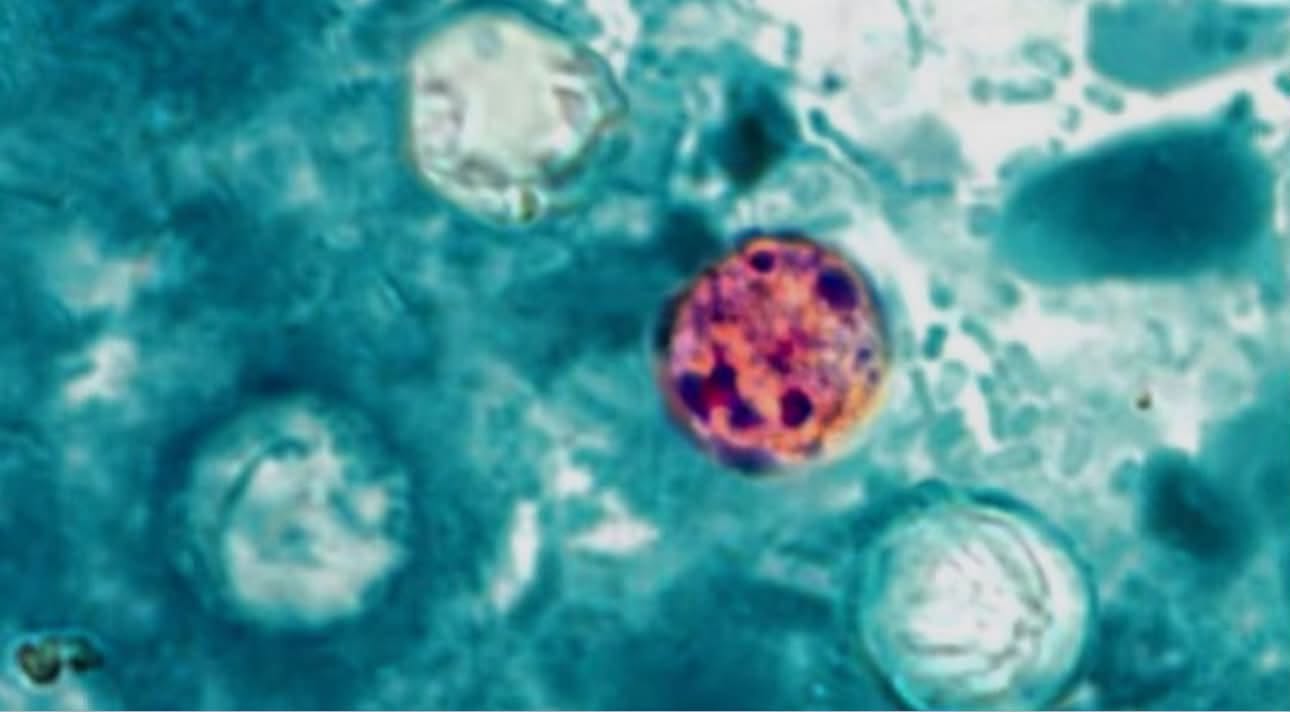
Cyclosporiasis is an intestinal illness caused by a microscopic parasite called Cyclospora cayetanensis. The infection affects the digestive system and is usually spread when people consume food or water contaminated with the parasite.
Unlike many common foodborne illnesses caused by bacteria, cyclosporiasis can be more difficult to detect because symptoms often appear days or even weeks after exposure. This delay makes identifying the original source of an outbreak more challenging for investigators.
Common symptoms of cyclosporiasis include:
- Persistent watery diarrhea
- Stomach cramps
- Bloating and gas
- Nausea
- Loss of appetite
- Fatigue
- Weight loss in severe cases
For many healthy individuals, the illness can eventually resolve with proper medical treatment. However, older adults, young children, and people with weakened immune systems may experience more serious complications.
The Centers for Disease Control and Prevention (CDC) continues to provide information about prevention, symptoms, and treatment through its official health resources.
How Did Officials Identify Lettuce As The Possible Source Of The Outbreak?
The investigation involved multiple agencies working together to track patterns among reported cases. Health officials examined where infected individuals ate, what foods they consumed, and whether those experiences connected to a common supplier.
Investigators identified several clusters of cyclosporiasis cases and eventually linked many infections to shredded iceberg lettuce served at certain Taco Bell restaurants.
The lettuce was supplied by Taylor Farms, a major food producer that voluntarily recalled dozens of lettuce products distributed across 27 states. The company also announced that it would stop sourcing iceberg lettuce from central Mexico for the remainder of the growing season.
Food recalls are designed to prevent additional illnesses by removing potentially contaminated products from restaurants, stores, and supply chains.
Taylor Farms later responded to concerns surrounding testing results after the FDA initially reported that a lettuce sample tested positive for Cyclospora. The agency later clarified that the result was determined to be a false positive after reviewing the sample data.
The company stated that it was informed of the correction and emphasized its cooperation with health officials throughout the investigation.
Why Officials Say The Cyclosporiasis Outbreak Is Now Under Control
Robert F. Kennedy Jr., the Secretary of Health and Human Services, said investigators had identified the source and taken corrective action.
According to Kennedy, federal agencies used epidemiological investigations and laboratory analysis to understand how the infections occurred. He said companies involved had implemented recalls and safety measures to reduce further risk.
The statement reflects a significant stage in the response because identifying the source of a foodborne outbreak allows officials to focus on stopping additional exposure.
However, “under control” does not mean the illness has disappeared completely. Health officials continue tracking infections because some people may still develop symptoms after earlier exposure.
Foodborne illnesses can continue appearing after the original contamination event because of delayed symptom development and medical reporting timelines.
Food Safety Concerns And Debate Over Disease Surveillance
The outbreak has also created political debate over how the United States monitors foodborne diseases.
Some lawmakers have raised concerns about changes to public health surveillance programs, particularly the CDC’s Foodborne Diseases Active Surveillance Network, known as FoodNet.
FoodNet previously monitored several foodborne illnesses across participating states. Beginning in 2025, reporting requirements changed, with many pathogens becoming optional for reporting through the program.
Critics argued that reducing certain tracking requirements could make it harder to identify outbreaks quickly.
Supporters of the changes have argued that federal agencies continue to maintain important surveillance systems through other programs, including the National Notifiable Diseases Surveillance System.
Kennedy rejected criticism that the government response was weakened, saying federal officials continued conducting investigations and monitoring food safety threats.
The debate highlights a larger national discussion about how public health agencies balance resources, efficiency, and disease prevention.
How Can People Protect Themselves From Cyclosporiasis?
Preventing cyclosporiasis begins with safe food practices and awareness of potential risks.
Consumers can reduce their chances of infection by following several basic steps:
Wash Fresh Produce Carefully
Fruits and vegetables should be washed thoroughly under running water before consumption. While washing cannot remove every type of contamination, it can reduce harmful substances on produce surfaces.
Be Careful When Eating Raw Foods
Raw vegetables are often associated with foodborne illness outbreaks because they are not heated before consumption. Leafy greens should be handled carefully and stored properly.
Pay Attention to Food Recalls
Consumers should regularly check food safety announcements from agencies such as the FDA and CDC. Recalls are issued to protect the public and prevent additional infections.
Seek Medical Advice for Persistent Symptoms
People experiencing prolonged diarrhea, severe stomach discomfort, or dehydration should contact a healthcare provider.
Early diagnosis can help patients receive appropriate treatment and reduce the risk of complications.
What the Outbreak Means For Restaurants And The Food Industry
The cyclosporiasis outbreak serves as another reminder that food safety depends on every stage of the supply chain.
Restaurants, suppliers, farmers, and distributors all play important roles in preventing contamination. A problem at one stage can affect thousands of consumers across multiple states.
Large food companies often use testing programs, sanitation procedures, and supply chain monitoring to reduce risks. However, some parasites and pathogens remain difficult to detect because contamination may occur naturally in agricultural environments.
The outbreak also shows why rapid communication between government agencies and businesses is essential.
When investigators identify a potential source quickly, recalls can happen faster, limiting additional illnesses.
A Turning Point In The Fight Against Foodborne Illness
The cyclosporiasis outbreak has highlighted both the challenges and strengths of modern food safety systems. More than 1,600 illnesses across several states created a complex investigation requiring cooperation between health officials, laboratories, restaurants, and food suppliers.
The announcement that the outbreak is under control represents an important milestone. Identifying the likely source, recalling affected products, and improving safety measures can significantly reduce the chance of additional infections.
At the same time, the situation has raised important questions about disease surveillance and how the United States prepares for future outbreaks. Tracking illnesses quickly is one of the most valuable tools public health officials have when responding to food-related threats.
For consumers, the outbreak reinforces the importance of staying informed, practicing safe food handling, and paying attention to official health guidance. Simple actions, such as washing produce, following recalls, and seeking medical care for persistent symptoms, can make a meaningful difference.
Food safety remains a shared responsibility. Government agencies, businesses, and individuals all contribute to preventing illnesses and protecting communities.
As investigators continue monitoring cyclosporiasis cases, the response provides a reminder that quick action, transparency, and cooperation remain essential when protecting public health.
.