Senate Democratic Leader Chuck Schumer opened a new political front on Monday, July 20, 2026, accusing President Donald Trump of transforming the presidency into a vehicle for personal and family profit. His argument was blunt: the Oval Office should serve the public, not operate like the headquarters of a private business empire.
Speaking on the Senate floor, Schumer announced a three-week campaign to examine Trump’s finances, spotlight deals connected to his family and develop legislation intended to prevent future presidents from using public power for private gain. Democrats plan to release reports, hold a roundtable and introduce an ethics package, although its exact provisions have not yet been disclosed.
A Partisan Report Backed by Major Disclosures
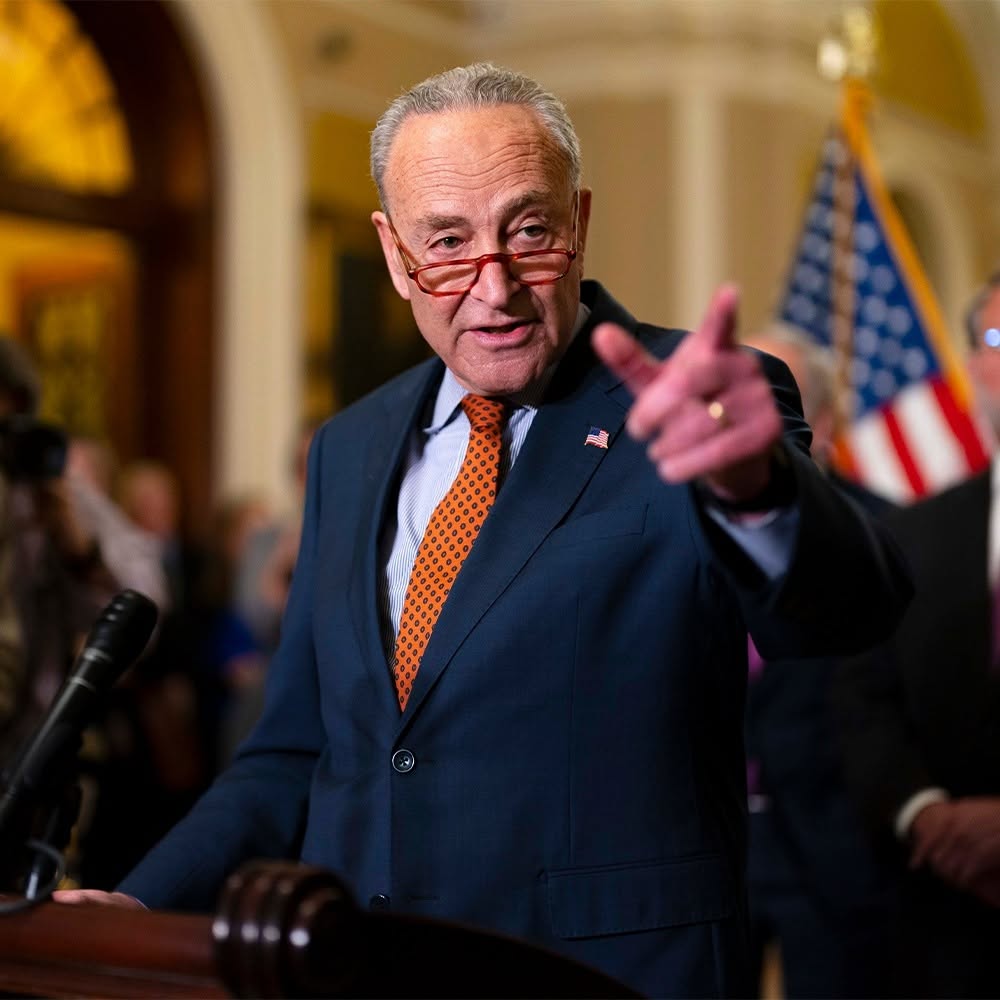
The effort began with a four-page Senate Democratic report titled “The Cost of Corruption: How Trump Turns Power into Profit at Americans’ Expense.” It alleges that Trump has earned at least $2 billion since returning to office in January 2025 and says the figure exceeds $4 billion when estimated earnings across his immediate family are included. Those totals are Democratic estimates, not findings from a court or independent government investigation.
The broader financial picture is still striking. Reuters reviewed Trump’s annual federal disclosure and reported that he listed more than $1.4 billion in income from family cryptocurrency ventures during 2025. The filing included nearly $800 million connected to World Liberty Financial and another $635 million from Trump-branded meme coin sales. Reuters estimated that the family had made at least $2.3 billion from crypto projects since Trump returned to the White House.
Those earnings do not automatically prove corruption or an illegal exchange of favors. Income can be lawful while still creating serious ethical questions. The concern is that Trump is both the president shaping federal policy and a beneficiary of businesses operating in sectors affected by those decisions.
Reuters noted that the administration pursued policies welcomed by the crypto industry, including stablecoin rules and reduced enforcement activity by the Justice Department and Securities and Exchange Commission. Trump’s businesses are managed by his children, but he remains the beneficiary of the trust receiving the income. Critics argue that management distance is not true financial separation.
Schumer’s Case Reaches Beyond Cryptocurrency
The Democratic report also points to a Kazakhstan mining project involving businesses connected to Trump’s sons, investments in defense technology firms receiving Pentagon business and foreign-backed involvement in World Liberty Financial. Because the report was produced by Trump’s political opponents, those claims require independent review rather than automatic acceptance.
Schumer argued that decisions involving consumer enforcement, government contracts, taxes, foreign gifts and pardons can carry financial consequences for ordinary Americans. His central message is that presidential self-dealing can distort policy even when no transaction produces a simple, courtroom-ready quid pro quo.
The White House strongly rejects that account. Spokesperson Anna Kelly told Reuters that neither Trump nor his family had engaged in conflicts of interest and said administration decisions were made for the benefit of the American people. The Trump Organization also defended the disclosure as unusually comprehensive and evidence of transparency.
That distinction matters. Schumer has launched a political and legislative campaign, not announced a criminal charge. Allegations of profiteering remain allegations unless evidence establishes unlawful conduct.
The Ethics Gap Democrats Want to Close
The coming fight will focus on a longstanding weakness in federal ethics law. The criminal conflict of interest statute known as 18 U.S.C. Section 208 generally bars executive branch employees from participating in government matters that directly affect their financial interests. The Office of Government Ethics has explained, however, that the law does not apply to the president.
Modern presidents have relied on voluntary norms, divestment, blind trusts or recusals to reduce conflicts. Those safeguards are traditions rather than a complete legal wall. Former ethics officials have argued that Congress could limit the types of assets presidents and vice presidents may hold while serving.
Schumer has not said whether his proposal will require divestment, mandate blind trusts, restrict digital asset holdings, strengthen disclosure rules or create enforcement powers. He has only promised legislation during the third week of the campaign, so describing its contents now would be speculation.
The larger question extends beyond Trump. A presidency with weak financial guardrails invites suspicion whenever policy overlaps with a leader’s private wealth. Schumer is betting voters will see that vulnerability as urgent, while Trump’s allies will call the campaign another partisan attack.
Either way, the controversy exposes an uncomfortable truth: America’s highest office is still governed partly by expectations that a president will voluntarily avoid conflicts. Schumer’s push seeks to replace those expectations with enforceable rules before the next controversy becomes harder to untangle.