Laundry looks simple until favorite shirts start fading, towels turn stiff, whites lose their brightness, and new clothes begin looking tired after only a few washes. Most damage does not occur in a single dramatic moment. It builds slowly through small habits that seem harmless, from using too much detergent to choosing the wrong water temperature or tossing delicate fabrics into a rough cycle.
We often blame poor fabric quality when the real problem is the way clothes are washed, dried, sorted, and stored between loads. A good laundry routine protects color, shape, softness, and fabric strength, which means clothes last longer and household money stretches further. These common laundry mistakes are easy to fix once we understand how much damage they can cause.
Ignoring Laundry Care Labels
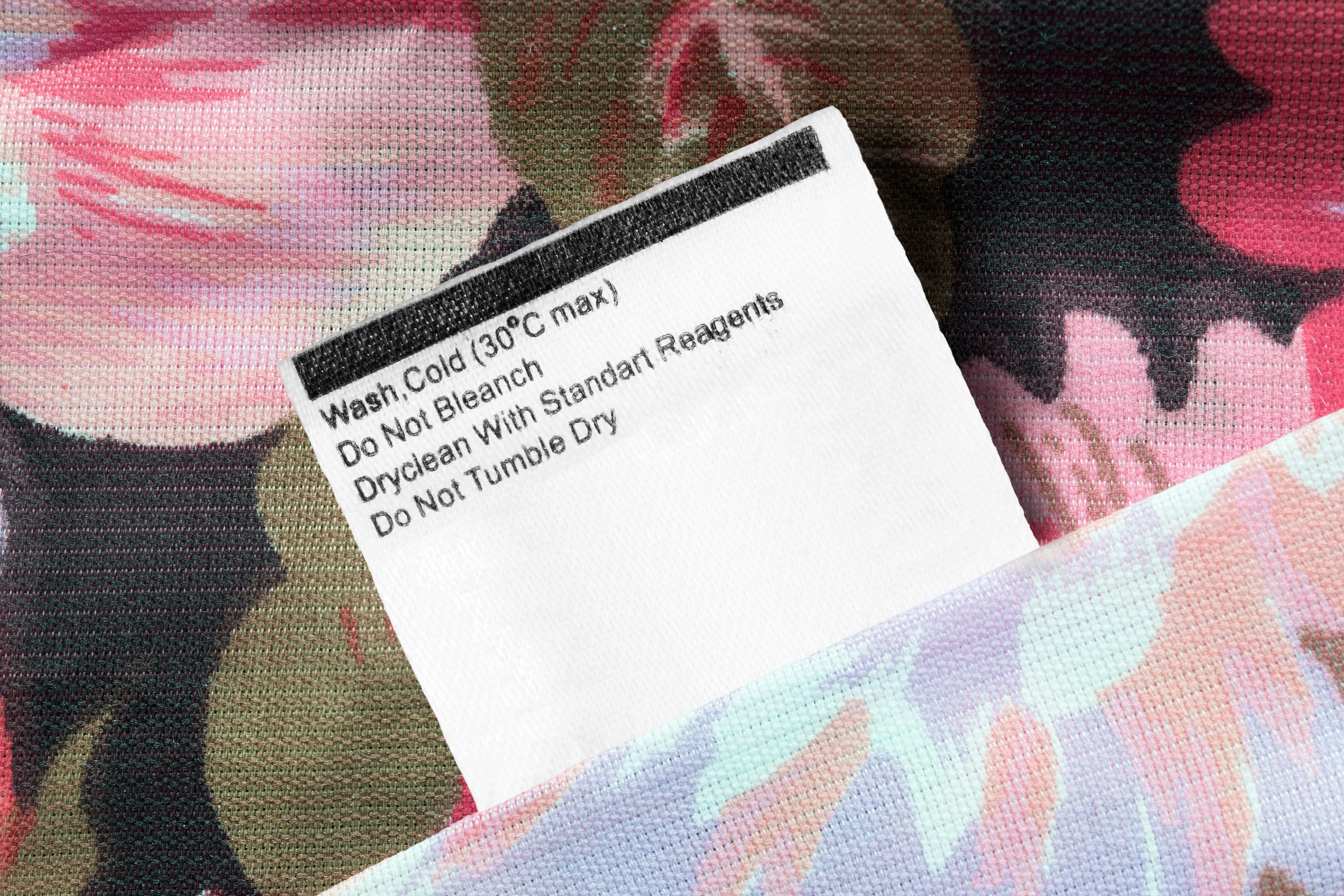
Care labels are not decorative tags sewn into clothes for fun. They give the safest cleaning instructions for that specific fabric, dye, stitching, and finish. When we ignore them, we risk shrinking wool, fading dark cotton, weakening elastic, melting synthetic fibers, or ruining garments that were never meant for high heat.
The easiest habit is to check the label before the first wash, especially with new clothes, delicate fabrics, activewear, linen, wool, silk, and anything with special trims. “Machine wash cold,” “lay flat to dry,” and “do not bleach” are small instructions with big consequences. A few seconds of reading can save an expensive sweater, a good pair of jeans, or a dress shirt that still has years of life left.
Washing Everything on the Same Setting
Many washing machines offer different settings, yet many households use the same normal cycle for almost every load. That habit can be rough on fabrics that need gentler movement and less spinning. A heavy cycle may be fine for towels or sturdy cotton, but it can punish knits, blouses, bras, baby clothes, and workout gear.
The right cycle helps clothes get clean without unnecessary stress. Delicate cycles reduce agitation, quick wash cycles help with lightly worn clothes, and bulky settings give bedding room to move. When we match the setting to the fabric, we get cleaner clothes with less fading, stretching, and surface wear.
Pouring in Too Much Detergent

More detergent does not mean cleaner clothes. Too much soap can leave residue inside fabric, trap dirt, make towels feel stiff, and create buildup in collars, cuffs, and seams. It can also make washing machines work harder because excess suds are harder to rinse away.
The measuring line on the detergent cap matters more than guesswork. High-efficiency machines usually need less detergent than many people expect, and smaller loads need even less. When clothes come out feeling slick, stiff, overly scented, or still sudsy, the load probably used too much soap.
Overloading the Washing Machine
Stuffing the washer to the top feels efficient, but it often leads to poor cleaning and more fabric damage. Clothes need space to move through water and detergent. When the drum is packed too tightly, garments rub against one another, dirt stays trapped, and detergent cannot circulate evenly.
A good rule is to leave enough room for clothes to tumble freely. Heavy items like towels, jeans, and bedding need even more space because they absorb water and become bulky. Smaller, balanced loads usually clean better, rinse better, and protect clothes from unnecessary friction.
Washing Clothes in Water That Is Too Hot
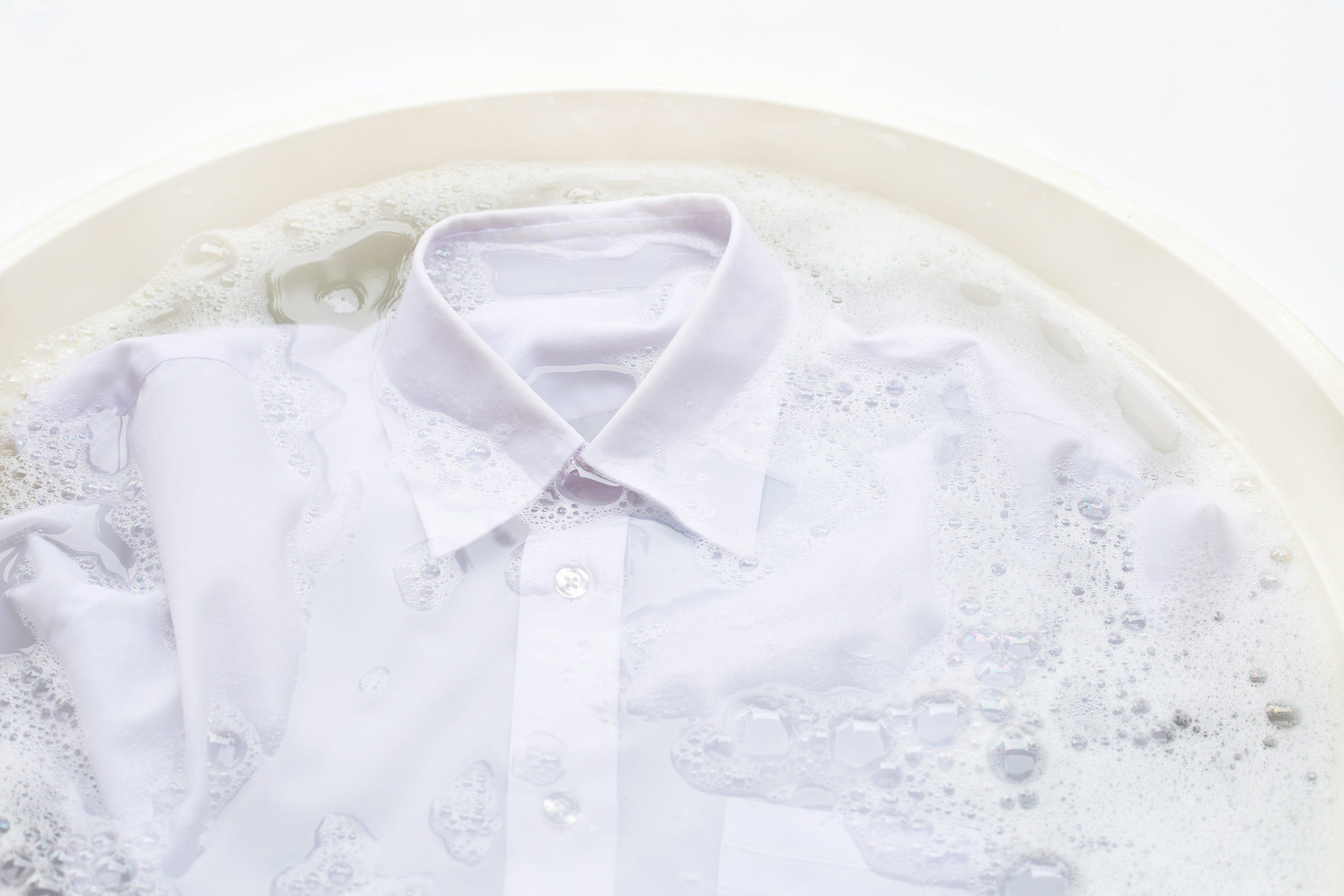
Hot water can be useful for certain towels, sheets, and heavily soiled items, but it is not ideal for every load. Heat can fade colors, shrink natural fibers, weaken elastic, and make some stains harder to remove. Dark colors and bright colors are especially vulnerable because hot water can accelerate dye loss.
Cold water is often enough for everyday laundry, especially with modern detergents designed to work in lower temperatures. Warm water can help with moderately soiled clothes, but hot water should be reserved for items that truly need it. When we lower the temperature, we protect fabric and reduce energy use at the same time.
Mixing Colors Without Thinking
Color bleeding can turn a simple laundry day into a small household disaster. New dark jeans, red shirts, bright towels, and richly dyed fabrics can release color during washing. When whites or light clothes share that load, they may come out gray, pink, dull, or stained.
Sorting does not need to be complicated. Whites, lights, darks, and strong colors should usually be separated, especially when clothes are new. Cold water helps reduce bleeding, but it does not prevent color transfer. If a garment looks likely to bleed, washing it separately the first few times is the safest move.
Letting Stains Sit Too Long
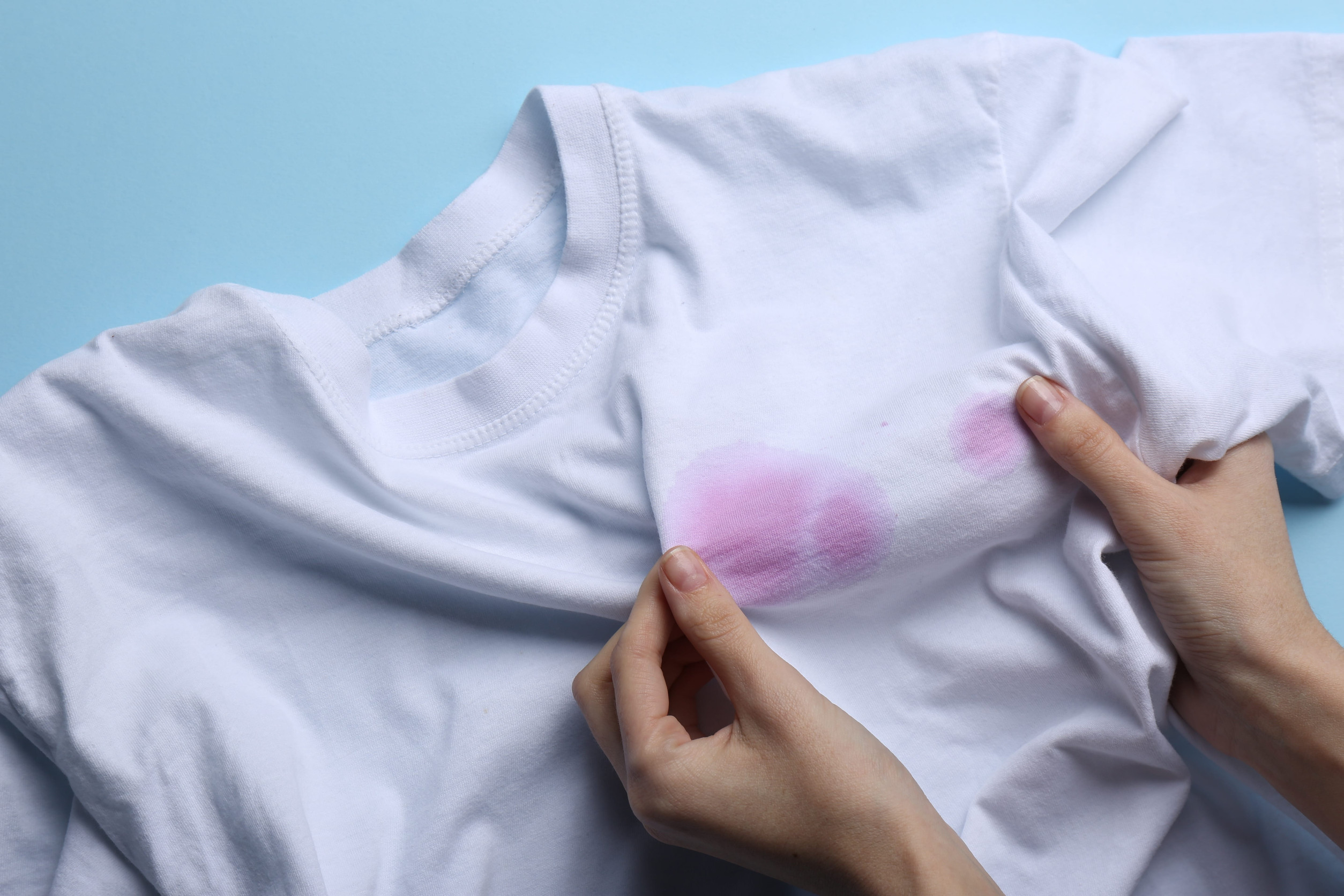
A fresh stain is usually easier to remove than an old one. Once food, oil, sweat, grass, blood, makeup, or coffee settles deeper into the fibers, it becomes harder to lift. Heat from the dryer can make the problem worse by setting the stain permanently.
The best stain habit is quick action. Blot the spot, rinse from the back when suitable, and use the right pre-treatment before washing. A shirt tossed into the hamper with an untreated stain may look harmless now, but by laundry day, the stain may have already become part of the fabric.
Scrubbing Stains Too Aggressively
Scrubbing feels satisfying, but it can quickly damage fabric. Hard rubbing can stretch fibers, roughen the surface, fade color, and spread the stain beyond its original spot. Delicate fabrics can become fuzzy, thin, or misshapen after aggressive scrubbing.
Blotting is safer than rubbing. Work from the outside of the stain toward the center to prevent the mark from spreading. Use gentle pressure, repeat patiently, and let the stain treatment do most of the work. Laundry success often comes from restraint, not force.
Treating Delicate Clothes Like Regular Laundry
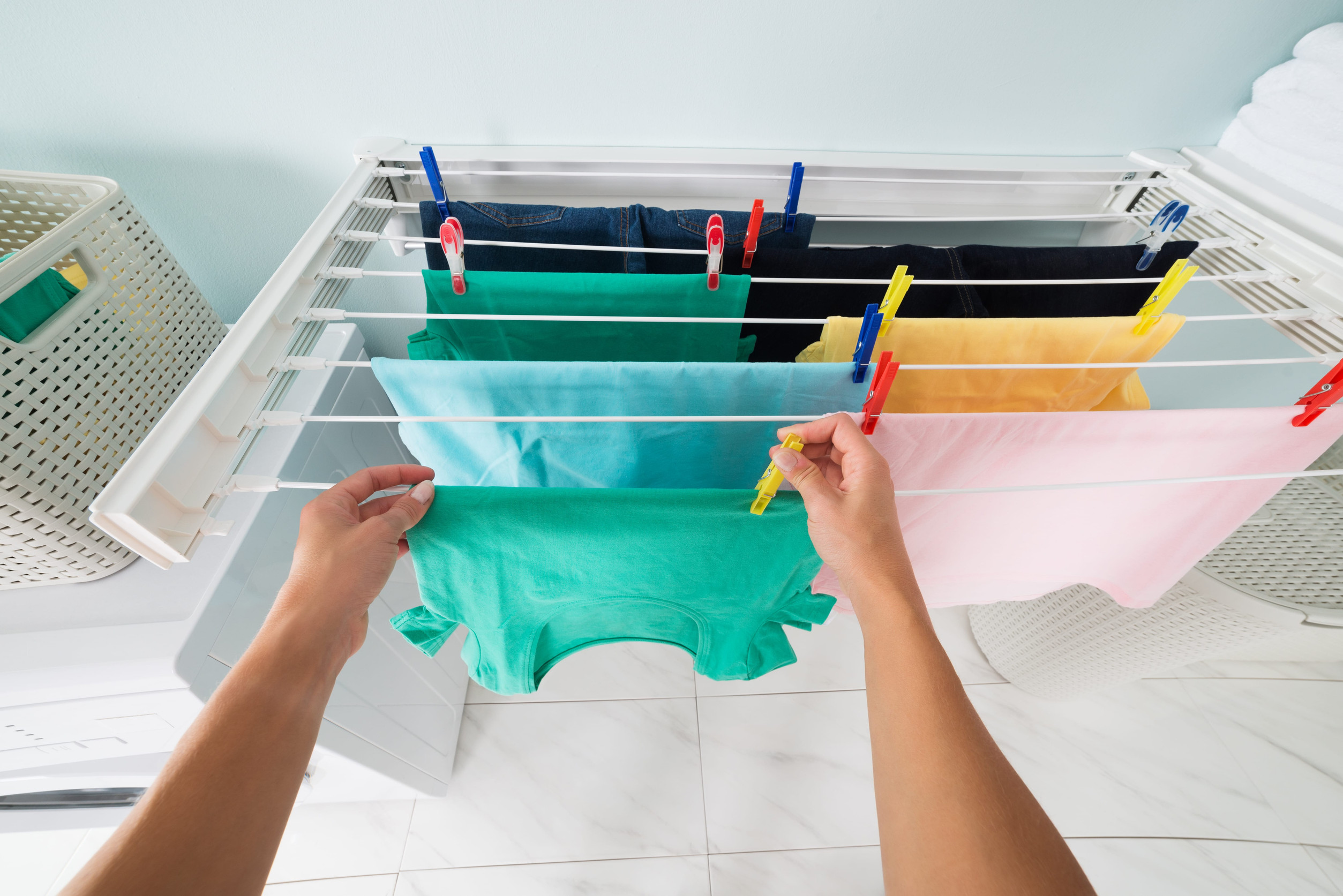
Delicates need more care because their fibers, stitching, lace, elastic, and shape are more easily damaged. Bras, silk tops, wool sweaters, lace garments, and fine knits can be damaged in a standard wash cycle. The wrong routine can lead to stretching, snags, broken straps, twisted seams, or permanent loss of shape.
A mesh laundry bag helps protect delicate items in the machine, but hand washing is still safer for the most fragile pieces. Use cool water, mild detergent, and gentle squeezing rather than twisting or wringing. After washing, roll the garment in a dry towel to remove extra moisture, then lay it flat to dry when the label allows.
Forgetting to Clean the Dryer Lint Trap and Vent
A neglected dryer is more than an efficiency problem. Lint buildup can make clothes take longer to dry, increase energy use, strain the machine, and create a fire risk. When the lint trap is full, air cannot move properly, and damp clothes sit in the heat longer than necessary.
The lint trap should be cleaned after every load. Dryer vents also need regular attention, as lint can accumulate beyond the screen, where it is harder to see. If clothes take longer than normal to dry, the laundry room feels unusually hot, or the dryer has a burning smell, the vent may need cleaning before the next load.
Conclusion
Laundry mistakes rarely announce themselves right away. They show up slowly through faded colors, stretched collars, stiff towels, shrunken shirts, dull whites, and clothes that look worn out before their time. The good news is that most of this damage is preventable with simple changes.
When we stop overloading the washer, reduce detergent, use cooler water, treat stains properly, protect delicates, and rely less on high dryer heat, laundry becomes less wasteful and more effective. Clothes cost too much to ruin through careless habits. A smarter wash day keeps the wardrobe looking newer, saves money, and makes every load work harder for the household.