A dog bowl can look harmless until something goes wrong. That is why one woman’s warning has spread so quickly among worried pet owners. She says her Boxer, Poppy, suffered frightening seizures shortly after eating the food, and her story has reopened a deeper debate about pet food labels, brand trust, and what families can do when a pet suddenly becomes sick.
The claim is serious, but it must be handled carefully. A viral account is not the same as a confirmed medical finding. Still, when a pet owner says two meals were followed by two frightening episodes within hours, the story hits a nerve because millions of Americans rely on packaged pet food every day.
This is not just about one bag of dog food. It is about the uneasy space between marketing promises, veterinary uncertainty, consumer fear, and the limited tools families have when something appears to go wrong. For many dog owners, the question is no longer whether a package looks healthy. The question is whether they know enough to trust it.
A Routine Food Switch Turned Into a Frightening Night
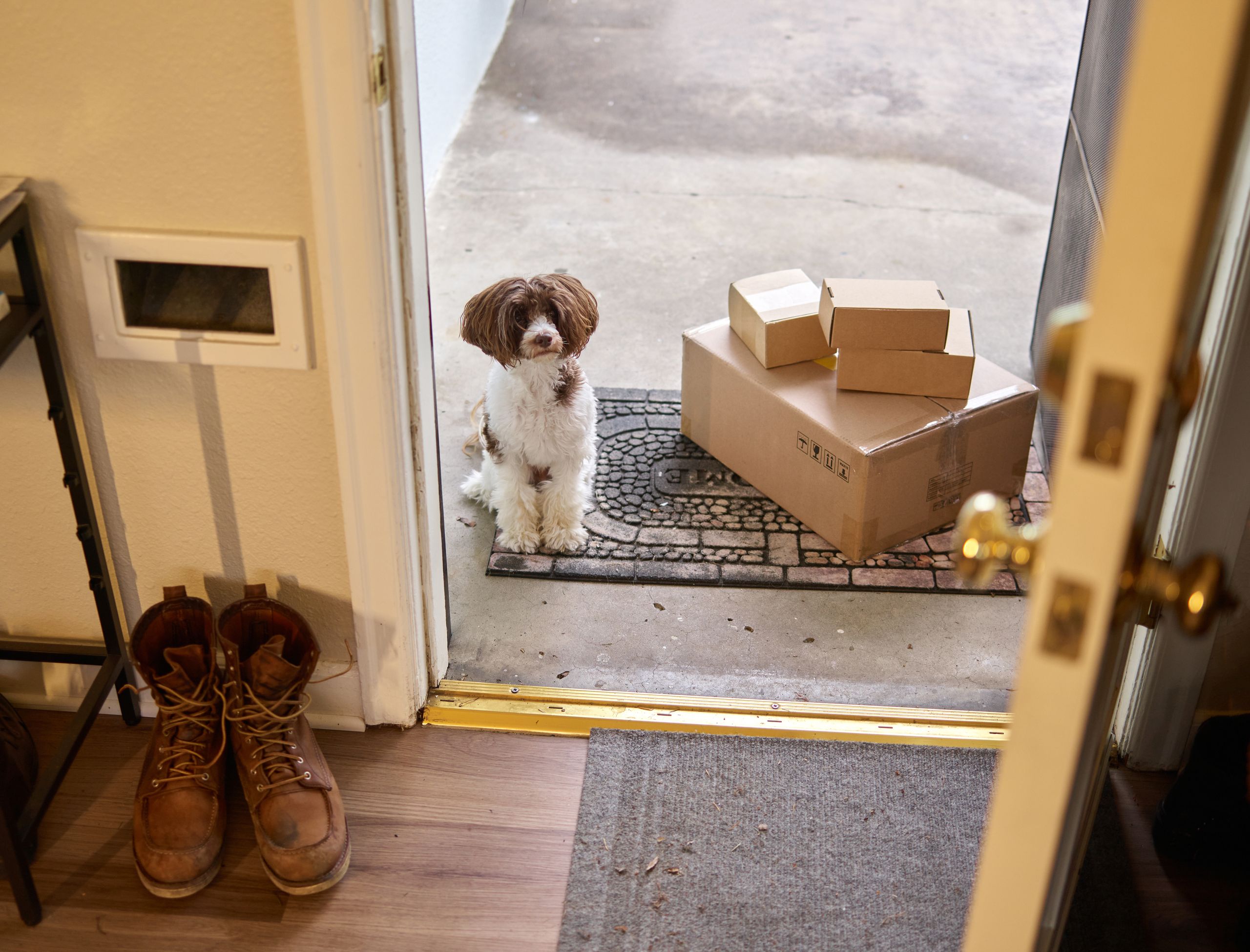
According to the owner’s account, the problem began when her regular dog food delivery was delayed. She bought a small bag of Rachael Ray Nutrish from PetSmart as a temporary replacement. The package suggested a wholesome, pet-friendly choice, and nothing about the purchase appeared risky at the time.
That evening, she fed Poppy the new food. Later, while they were in bed, the owner said the bed began shaking, and she realized the dog was seizing. For any pet parent, that kind of moment does not feel like a minor scare. It feels like the room has suddenly turned against you.
A veterinary visit was planned, but the food was not immediately seen as the likely trigger. Then came the second feeding. The owner said Poppy ate the food again and suffered another seizure about 30 minutes later. That timing made her believe the food was involved.
The owner threw away the bag and said Poppy did not have another episode after the switch. That sequence is what made the story so powerful online. It gave people a clear before-and-after pattern, even though a medical investigation would still be needed to prove what actually caused the seizures.
Why the Claim Spread So Quickly Among Dog Owners
Pet food stories spread fast because they touch a fear people rarely say out loud. Most owners cannot test every ingredient, inspect every plant, or decode every label. They buy a product, pour it into a bowl, and trust that the company has done the work they cannot do.
That trust becomes fragile when symptoms appear suddenly. Seizures are especially alarming because they look dramatic, dangerous, and uncontrollable. A dog may collapse, shake, stiffen, drool, urinate, paddle its legs, or appear confused afterward. Even a brief seizure can leave an owner shaken.
The viral response also grew because other pet owners reportedly shared similar concerns. Some said they had stopped using the brand. Others argued that popular pet foods contain fillers or ingredients they distrust. Online comment sections then turned into a larger argument about commercial dog food itself.
That reaction matters, but it also creates risk. Social media can identify patterns early, but it can also flatten complex medical issues into one easy answer. A seizure after a meal may point to food, but it may also involve toxins, metabolic problems, epilepsy, medication reactions, infections, organ disease, or a condition that was already developing.
The Hard Truth About Dog Seizures and Food Suspicions
A dog seizure is a medical event, not a guessing game. Food can be part of the investigation, especially if symptoms occur soon after eating. But veterinarians usually have to consider many possible causes before they can make a clear judgment.
Toxins are one possibility. Dogs can have seizures after exposure to substances such as xylitol, chocolate, caffeine, antifreeze, rat poison, certain medications, or other household hazards. Some reactions can happen quickly, which is why timing matters.
Metabolic problems can also trigger seizures. Low blood sugar, liver disease, kidney disease, electrolyte problems, and other internal issues may cause sudden neurological symptoms. In older dogs, tumors, strokes, or structural brain disease may also be considered.
That does not mean pet owners should ignore food. It means they should preserve evidence. If a dog becomes sick after eating a new food, owners should keep the packaging, lot number, best-by date, receipt, and remaining food if possible. Throwing the bag away may feel natural in a panic, but it can make later reporting or testing harder.
Rachael Ray Nutrish Has Faced Past Labeling Scrutiny

Rachael Ray Nutrish is a high-profile pet food brand with a celebrity name and a grocery-store presence. The brand has long marketed itself around familiar language such as real ingredients, real flavor, meat, poultry, or fish, and no artificial flavors in dry recipes. That messaging is designed to reassure shoppers who want food that sounds closer to a home-cooked meal.
The brand’s ownership has also changed over time. Post Holdings completed its acquisition of Rachael Ray Nutrish and other pet food brands from The J.M. Smucker Co. in 2023. That means the celebrity association remains highly visible, but the commercial operation sits inside a larger packaged-food business.
The brand has also faced legal scrutiny over marketing language. Past lawsuits have challenged claims about terms such as “natural” and “preservative-free”. Some complaints have argued that consumers pay premium prices because front-label promises create a cleaner image than the ingredient list supports.
Those lawsuits do not prove that the food caused Poppy’s alleged seizures. They also do not prove that every bag is unsafe. What they do show is that pet food labels are now part of a bigger consumer fight. Shoppers are reading packaging more closely, and courts are being asked to decide whether certain marketing terms align with what buyers reasonably expect.
The Glyphosate Debate Still Shadows Commercial Pet Food
One earlier controversy involved glyphosate, the herbicide best known as the active ingredient in Roundup. A past lawsuit alleged that Rachael Ray Nutrish was misleadingly marketed as natural despite alleged trace glyphosate findings. The company previously denied adding glyphosate as an ingredient and defended the safety of its products.
The broader glyphosate issue is not limited to a single brand. Research from Cornell found low levels of glyphosate in a variety of commercial dog and cat foods tested. That finding did not mean every food was immediately dangerous. It did, however, show how modern agricultural chemicals can appear in the food chain in ways consumers may not expect.
This is where the pet food debate becomes complicated. Many ingredients in pet food come from large agricultural systems. Even when a company does not intentionally add a chemical, trace residues may appear because of how crops are grown, processed, transported, and blended.
For owners, that nuance may not feel comforting. They see a word like natural and expect purity. The industry often uses the word to suggest simplicity. The legal and scientific reality is messier.
“Complete and Balanced” Does Not Mean “Perfect for Every Dog”
One of the most important phrases on a pet food label is “complete and balanced.” It means the food is intended to provide the required nutrients for a dog’s life stage when used as a sole diet. That statement matters more than many front-label claims because it speaks to nutritional adequacy.
But “complete and balanced” does not mean a food is ideal for every dog. Dogs vary by age, breed, size, activity level, medical history, allergies, and digestive sensitivity. A food that works well for one animal may cause problems for another.
That is why transitions matter. Many veterinarians advise gradual changes to the diet when possible because sudden changes can trigger vomiting, diarrhea, appetite changes, or digestive stress. Seizures are a different level of concern, but any abrupt symptom after a new food should be documented carefully.
Pet owners should also understand that treats, toppers, chews, and supplements are not designed to be complete diets. A dog’s full intake matters, not just the main kibble. If a problem arises, the investigation should include all foods, treats, medications, supplements, and potential household exposures.
What Owners Should Do If Symptoms Appear After Dog Food

The first step is to treat the dog, not the debate. If a dog has a seizure, collapses, struggles to breathe, cannot stand, vomits repeatedly, becomes severely weak, or behaves abnormally after eating, the owner should contact a veterinarian or emergency clinic right away.
The second step is to preserve the evidence. Keep the food bag or can, lot number, expiration date, UPC code, receipt, and a sample of the remaining food. Take photos of the packaging before it gets misplaced. Write down the exact time the dog ate and the exact time symptoms appeared.
The third step is to track the pattern. Did the dog eat anything else? Was there a new treat, supplement, medication, cleaning product, plant, pesticide, or outdoor exposure? Was the food stored in a clean container? Was the dog already showing mild symptoms before the meal?
The fourth step is to report the issue. Pet owners can report pet food complaints to federal regulators. A strong report includes the product details, clinical signs, veterinary records, test results if available, and whether other pets in the home ate the same food without symptoms.
Why This Story Is Bigger Than One Brand
The strongest part of this story is not the celebrity name on the bag. It is the consumer-trust problem behind the brand. Pet owners are being asked to make health decisions in a marketplace crowded with emotional language.
Words such as real, natural, wholesome, premium, limited-ingredient, grain-free, and high-protein can sound scientific without telling the full story. Some claims are regulated more tightly than others. Some are more about marketing than medicine.
That gap leaves families vulnerable to confusion. A bag may look clean, but a label can still be difficult to interpret. A product may meet nutritional standards, but an individual dog may still react badly. A lawsuit may raise questions, but it may not prove harm.
This is why careful reporting matters. The owner’s account deserves attention because the symptoms were frightening and the timing was disturbing. At the same time, the public record does not allow a responsible article to declare that Rachael Ray Nutrish caused the seizures.
The Pet Food Aisle Has Become a Trust Test

American pet owners now spend heavily on foods that promise better health, cleaner ingredients, and more thoughtful nutrition. Dogs are no longer treated as backyard animals in many homes. They are family members, and families pay more when they believe a product offers protection.
That emotional bond makes pet food marketing powerful. A celebrity name can create warmth. A rustic package can suggest safety. A phrase like real meat can make a buyer feel responsible and loving at checkout.
But when something goes wrong, that same emotional bond turns into anger. Owners do not see a supply chain. They see their dog shaking on the floor. They do not want a legal distinction between an allegation and a finding. They want an answer.
The industry should understand that trust is no longer built by soft words on a bag. It is built on transparent sourcing, clear ingredient explanations, fast complaint response times, public recall clarity, and labels that ordinary people can understand.
The Safer Takeaway for Dog Owners
Poppy’s story should make pet owners more alert, not more reckless. It should not push families into panic-buying, sudden homemade diets, or online medical advice. Homemade diets can become dangerously unbalanced if they are not designed with veterinary guidance.
The smarter response is a documentation mindset. Keep packaging until the food is finished. Transition foods gradually when possible. Watch for sudden changes in behavior after a new product. Contact a veterinarian when symptoms are serious. Report suspected food-related illness with details that regulators can use.
For Rachael Ray Nutrish, the viral story arrives at a difficult moment because past lawsuits have already placed the brand’s marketing under public scrutiny. For pet owners, the lesson is broader. The most important information may not be on the front of the bag.
A dog cannot tell us that a food feels wrong. It can only show us through symptoms, appetite, behavior, stool, energy, and distress. When those signs change suddenly, we owe the animal more than fear. We owe it a record, a vet call, and a serious look at what went into the bowl.