American pies often reflect the ingredients and settlers of the places that made them, from Florida’s Key limes to Pennsylvania Dutch molasses. Some trace back to a single kitchen or hotel, while others grew up across a whole region. Here are twelve classic American pies and the regions they come from.
1. Apple pie: The pie that became a national symbol
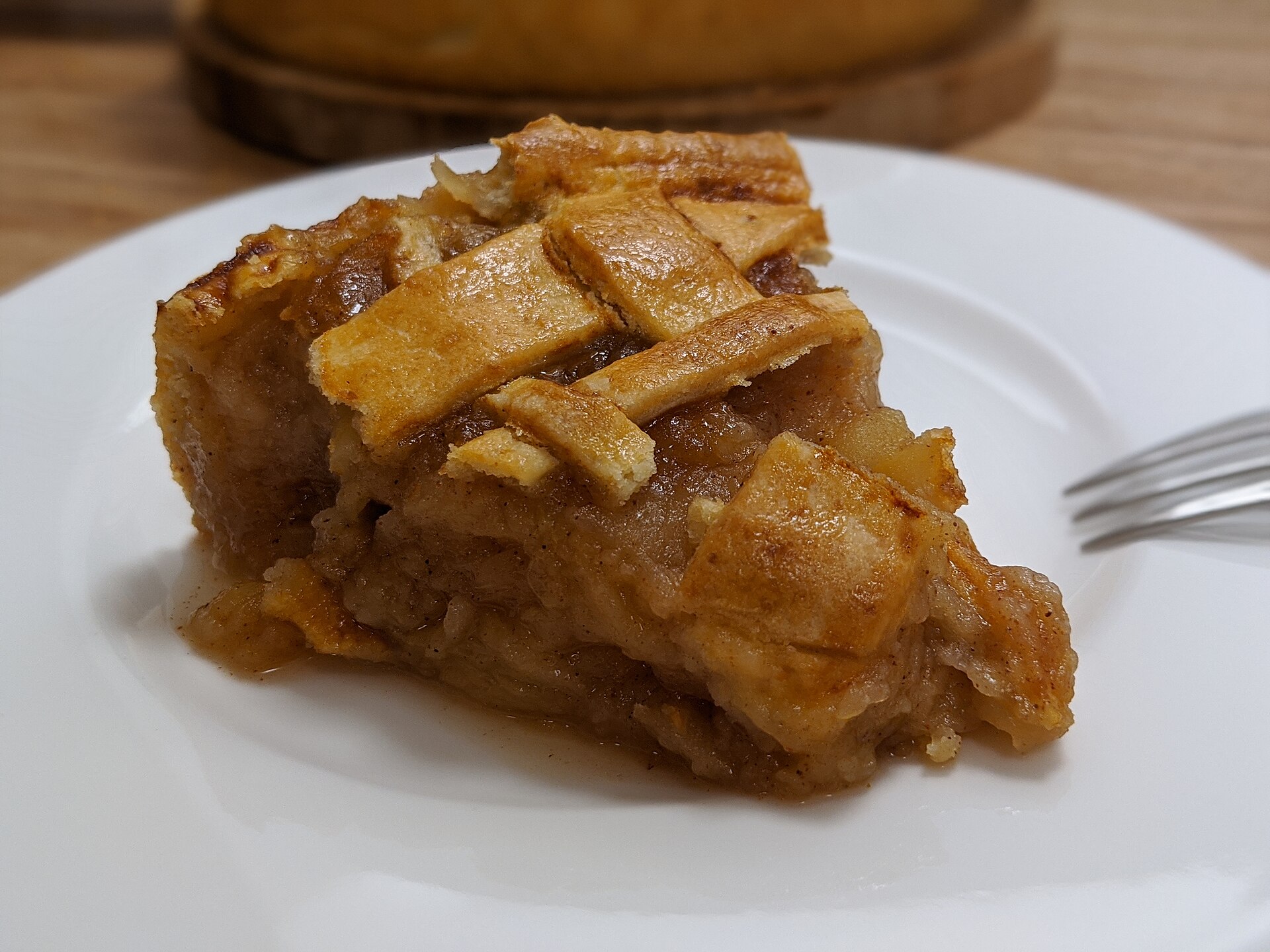
The test kitchen at King Arthur Baking, which calls apple pie an American icon and the most popular pie, builds its version from 8 cups of sliced apples, a mix of spices and a double crust. It recommends picking a combination of apple varieties.
According to Wikipedia, apple pie originated in England and reached the colonies with English, Dutch and Swedish settlers. Amelia Simmons included two recipes in American Cookery in 1796, and by the 19th and 20th centuries the dessert had become a symbol of national pride. The Pennsylvania Dutch add a dried-apple version called schnitz pie.
2. Pumpkin pie: A Thanksgiving tradition with New England roots
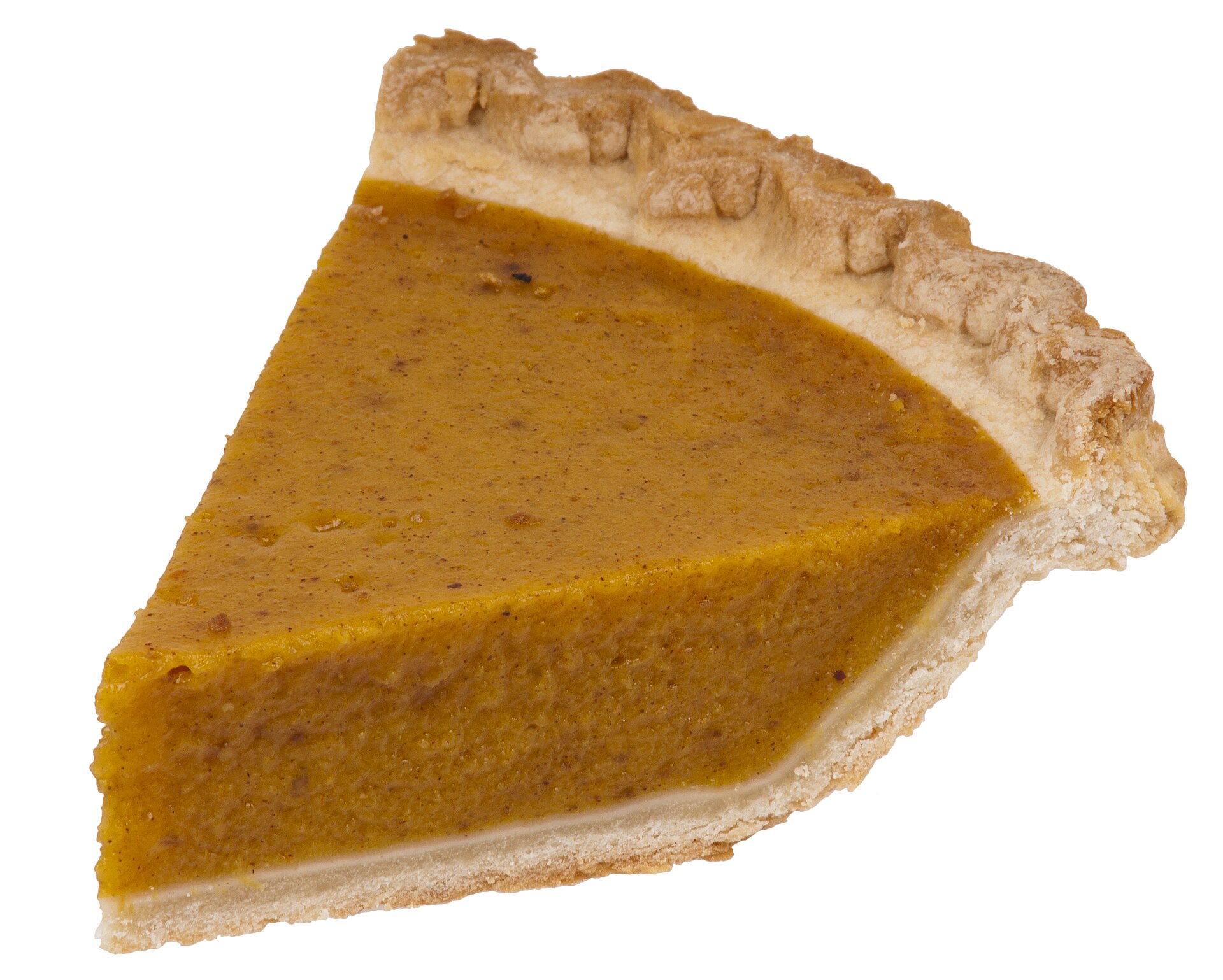
The pumpkin pie from King Arthur Baking, which it calls a perennial classic, uses 15 ounces of pumpkin puree, 3 eggs, brown sugar and a blend of ginger, cinnamon, nutmeg and cloves. The pie bakes at 400 degrees Fahrenheit until the filling is set but the center still wobbles.
According to Wikipedia, the Pilgrims brought pumpkin pie back to New England in 1621 after learning recipes from Native Americans of the Northeast. Pumpkin pie became a common part of Thanksgiving dinner in the 19th century, and American Cookery, published in 1796, set out a custard-style version with spices much like those used today.
3. Pecan pie: A Southern specialty built on a native nut
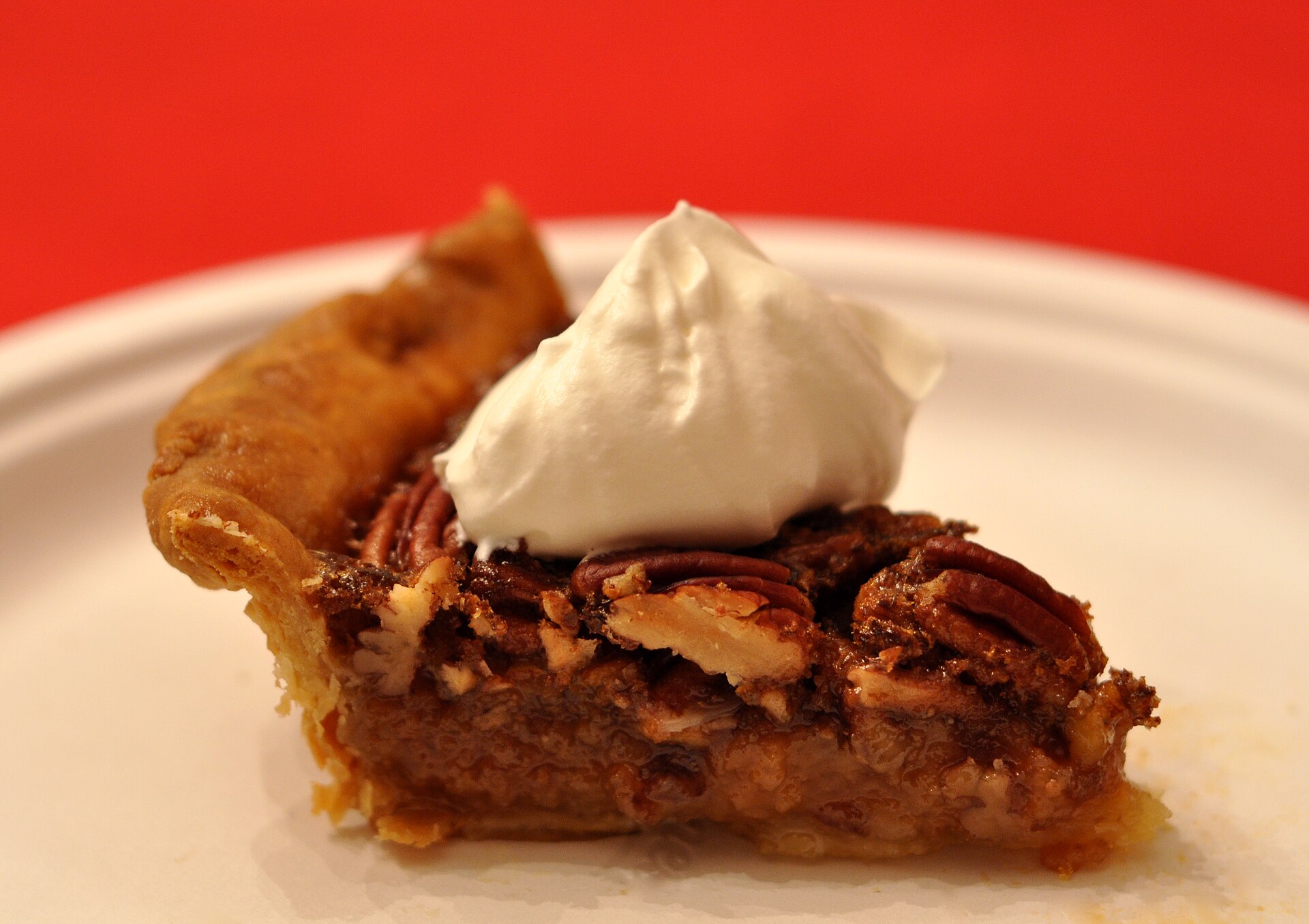
The pecan pie at King Arthur Baking, which it describes as a beloved institution, combines dark and light corn syrup with chopped, toasted pecans and a top layer of pecan halves. It bakes at 375 degrees Fahrenheit for 45 minutes, and the bakers advise smaller slices because the pie is so rich.
Wikipedia describes pecan pie as a specialty of Southern origin. The pecan is native to the southern part of the country, archaeological evidence suggests Native Americans in Texas used the nut more than 8,000 years ago, and in 2013 the Texas Legislature named pecan pie the official state pie.
4. Cherry pie: Dark sweet cherries under a golden crust
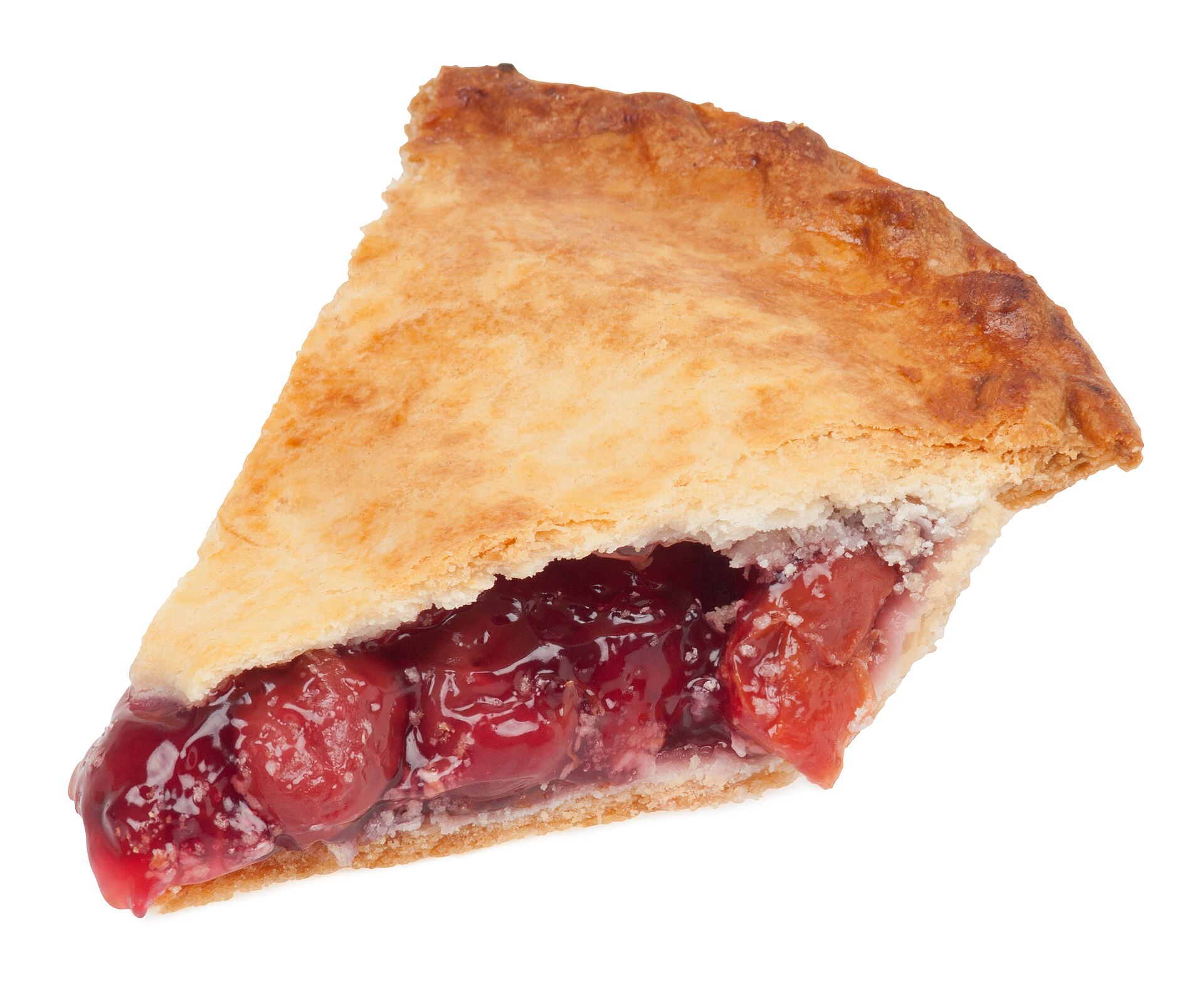
In the cherry pie recipe from King Arthur Baking, the star is 2 pounds of fresh dark sweet cherries, thickened with Instant Clearjel. The pie bakes at 350 degrees Fahrenheit for 45 minutes to an hour, until the top crust is golden and the filling bubbles in the center.
Frozen cherries are the suggested stand-in when fresh ones are out of season. Wikipedia notes that cherry pie is traditionally made with sour cherries and is associated with the celebration of Washington’s Birthday, thanks to the legend about the young George Washington and a felled cherry tree. The pie must cool completely before slicing.
5. Boston cream pie: A cake that carries a pie’s name
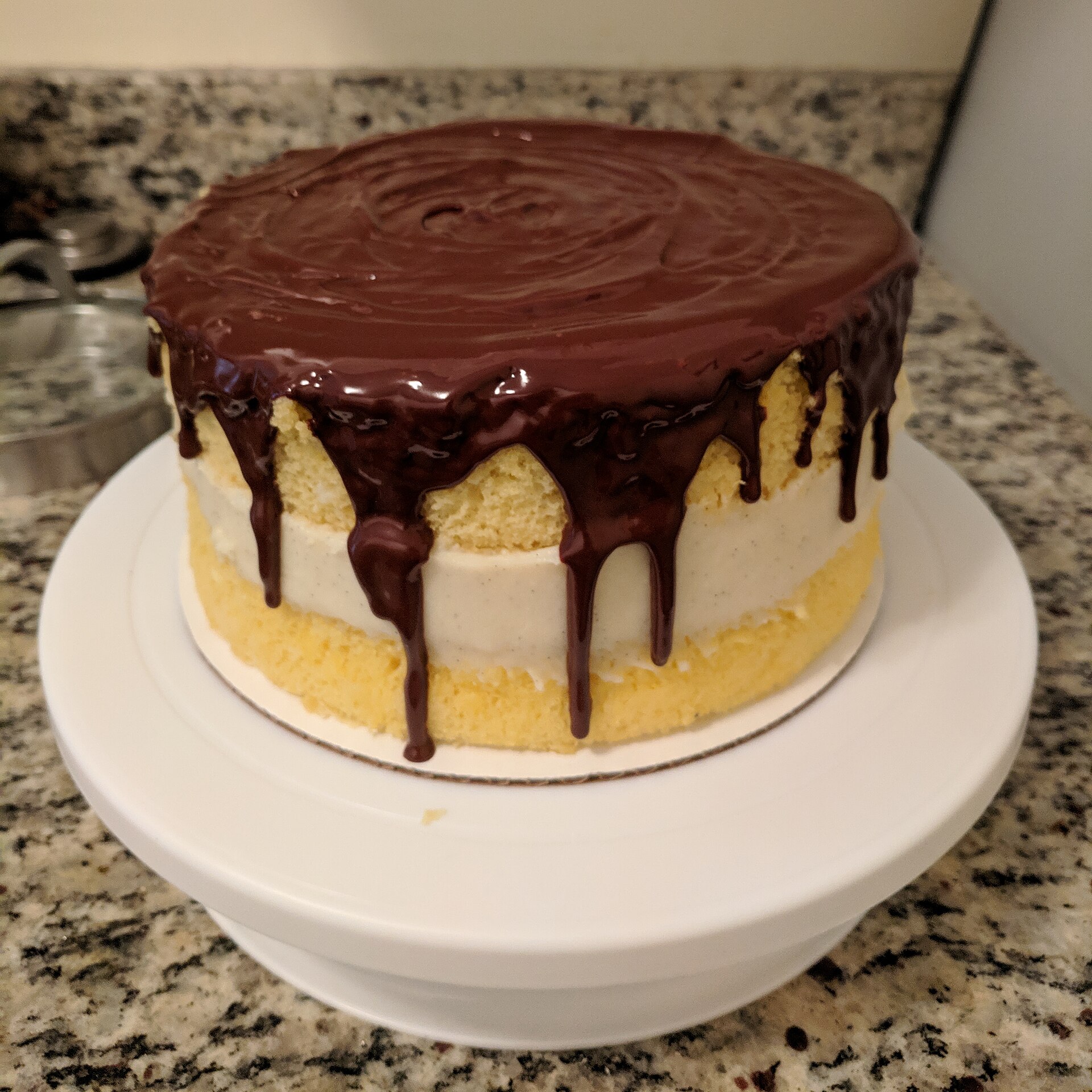
As described by a Boston University gastronomy blog, Boston cream pie is a vanilla cake and custard sandwich topped with chocolate ganache. The Parker House Hotel, now the Omni Parker House, claims to have invented the dessert for its opening night in 1856.
The blog presents that origin as a claim rather than a verified fact. Late 19th-century Boston cream cakes were cream-puff or cupcake-like pastries with custard and no chocolate topping. The earliest pie recipe the author found ran in the Boston Daily Globe in 1924, with two baked layers and a vanilla or lemon cream filling.
6. Derby pie: A trademarked chocolate walnut pie from Kentucky
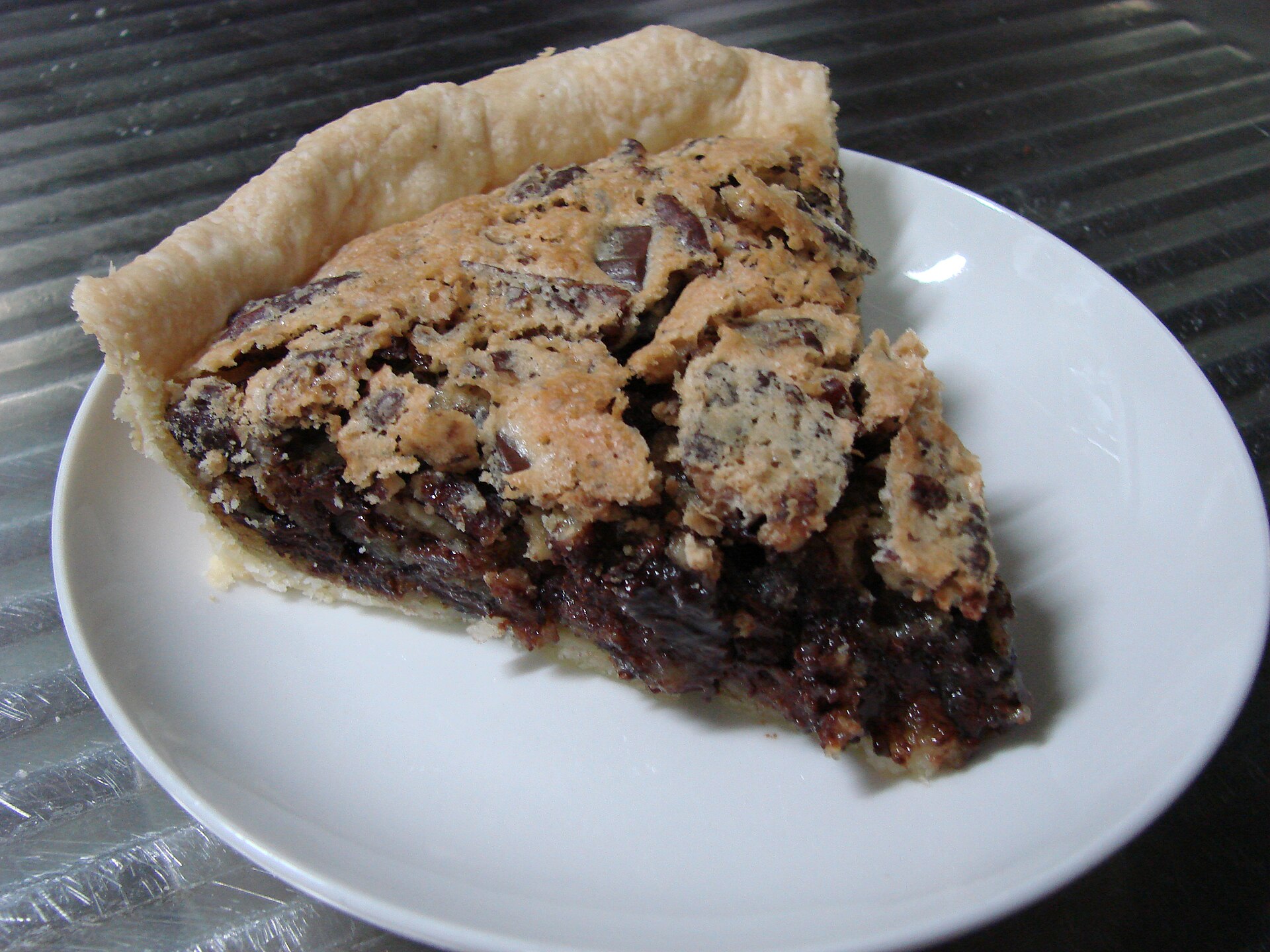
The makers at Kern’s Kitchen, a fourth-generation family business, say the pie has been crafted since 1954 and follows the recipe of Great Grandma Leaudra. They call it a legendary chocolate and walnut pie and the official pie of the Kentucky Derby Festival.
The company says it hand-selects its ingredients, cracking its own eggs and hand-sorting its own nuts, and describes the pie as a Bluegrass delicacy for over 70 years. The name Derby-Pie is protected by federal trademark.
7. Lemon meringue pie: A Philadelphia pastry cook’s creation
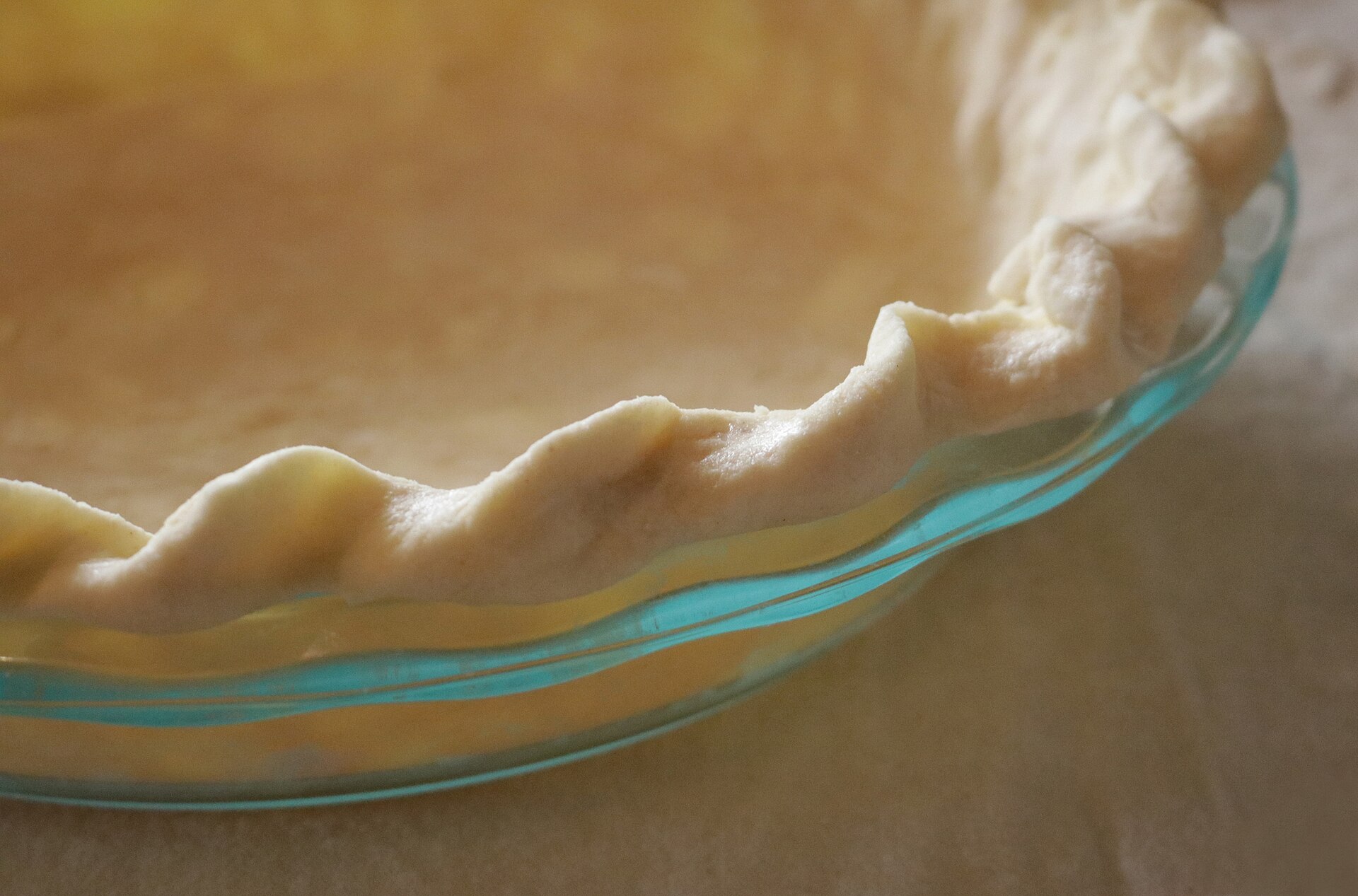
The Philadelphia museum Ebenezer Maxwell Mansion, which interprets Victorian-era life, credits Mrs. Elizabeth Goodfellow, a pastry shop owner who ran an early American cooking school, with inventing the pie. It grew out of her rich lemon pudding, topped with meringue.
Goodfellow’s custard recipe called for ten yolks. Eliza Leslie, who studied under her, helped popularize the style, writing in an 1847 cookbook that any very nice baked pudding is improved by a meringue. By the 1860s, recipes appeared in cookbooks nationwide under names such as iced lemon pie and lemon cream pie.
8. Key lime pie: Florida’s official state pie
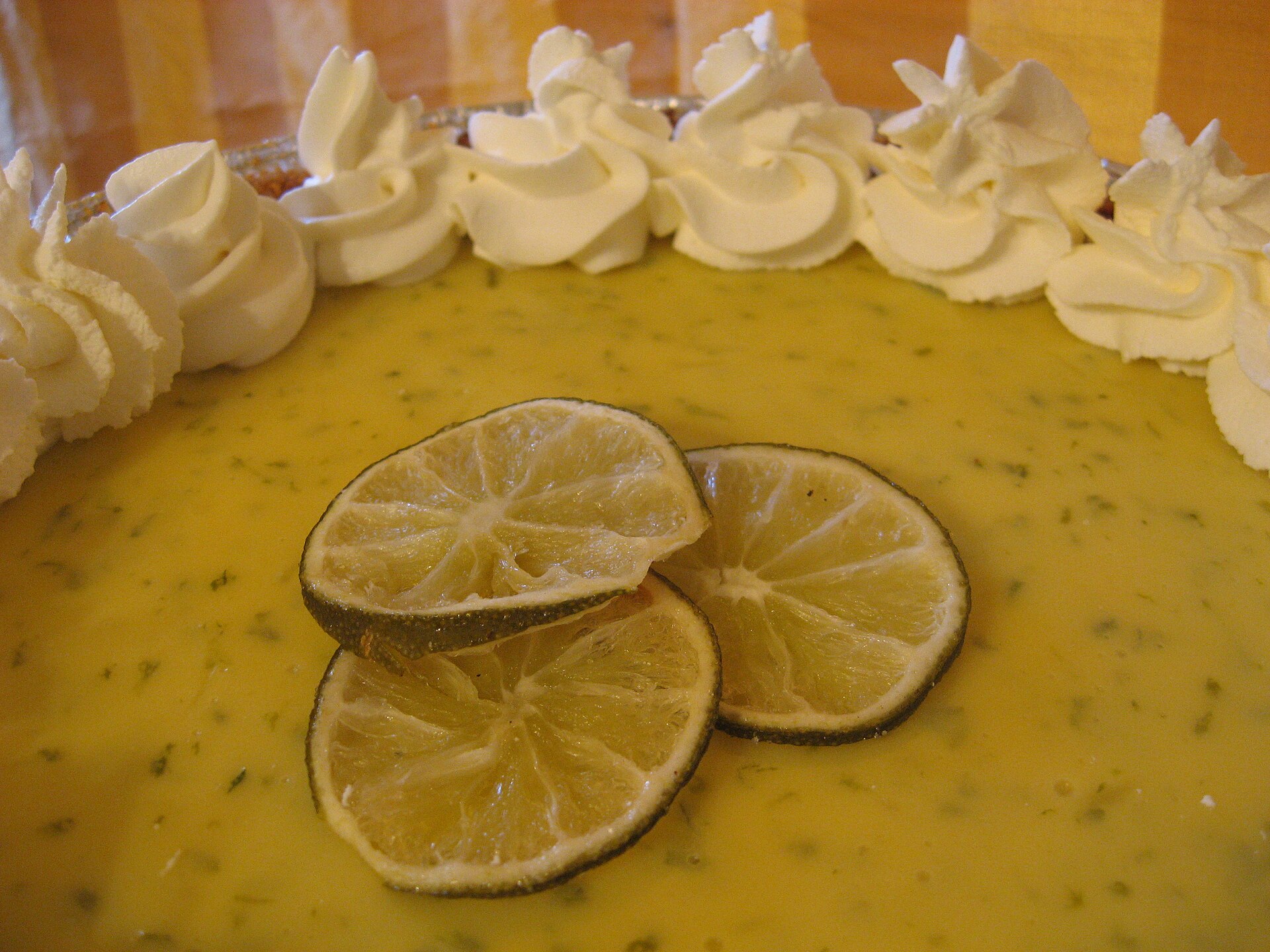
The dessert is made with Key lime juice, egg yolks and sweetened condensed milk in a graham cracker crust, according to Wikipedia. It is served plain, with meringue made from egg whites, or with whipped cream, and Florida named it the official state pie in July 2006.
Key limes are naturalized in the Florida Keys and are more tart and aromatic than Persian limes. The popular Aunt Sally story lacks evidence, the article says, and the earliest documented lime version is a 1933 Miami newspaper recipe. A 1935 mention calls icebox lime pie a Florida Keys specialty.
9. Sweet potato pie: A Southern holiday staple
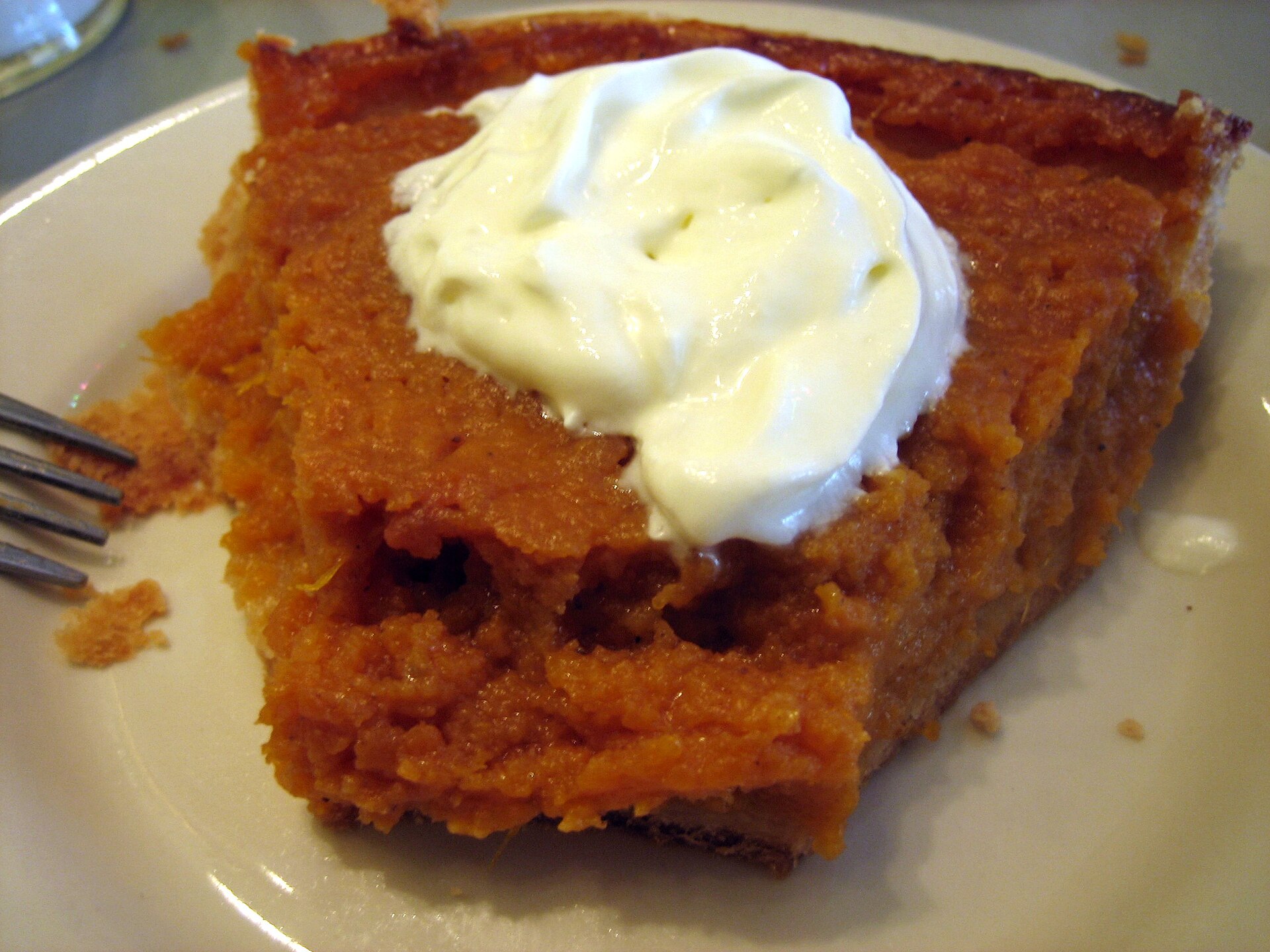
Sweet potato pie comes from the Southern part of the country and is often served during the holidays, according to Wikipedia. It is baked in an open shell with no top crust, and the filling is mashed sweet potatoes, evaporated milk, eggs, sugar and spices such as cinnamon, ginger and nutmeg.
It is typically served at Thanksgiving and Christmas, where it often takes the place of pumpkin pie. The first printed recipes, from the 1700s, listed it among savory vegetable dishes, and by the 1800s it was more commonly considered a dessert. Sweet potatoes are central to Southern and African American cooking.
10. Shoofly pie: Pennsylvania Dutch molasses
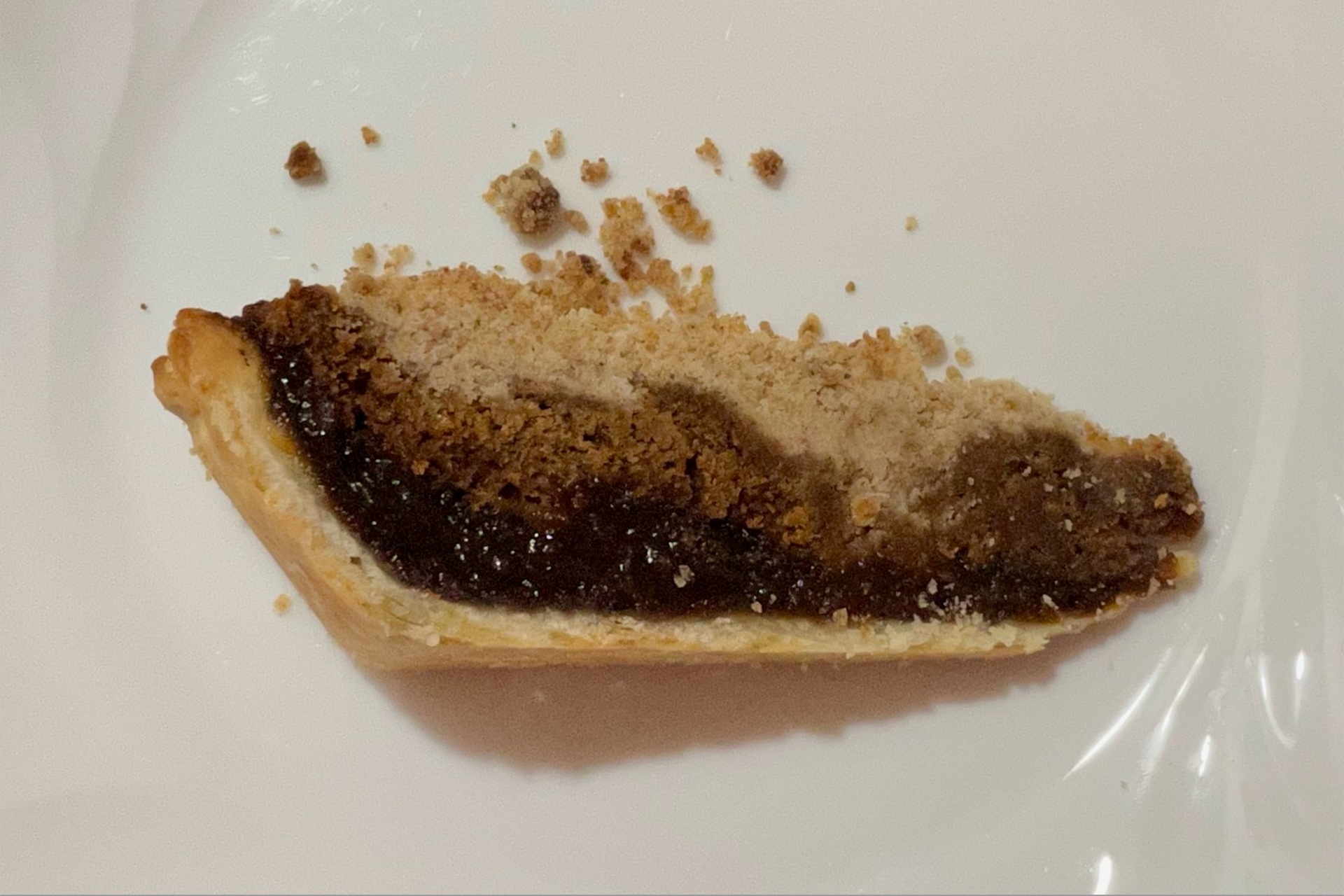
Shoofly pie is a Pennsylvania pie associated with Pennsylvania Dutch cooking, according to Wikipedia, and is also a staple of Moravian, Mennonite and Amish cuisine. The filling is molasses, brown sugar and water in a shortcrust shell, and traditional versions contain no eggs.
It likely began among the Pennsylvania Dutch in the 1880s as a molasses crumb cake. Dry-bottom versions are fully set and cake-like, good for dunking in coffee, while wet-bottom versions have a stickier, gooier base. The article calls most folktales about the name, including the one about flies, apocryphal.
11. Chess pie: A Southern custard of pantry staples
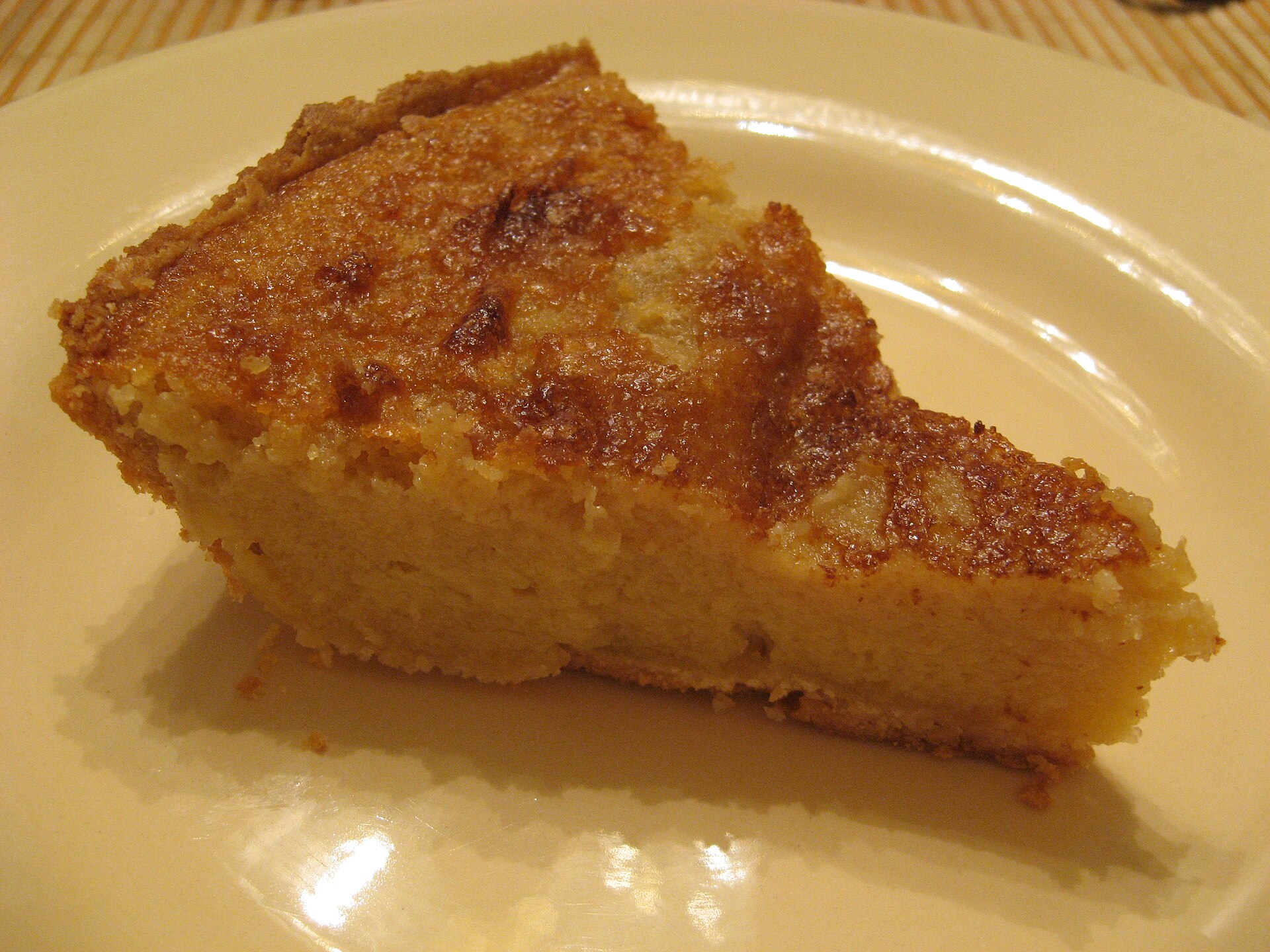
Chess pie is a dessert characteristic of Southern cuisine, according to Wikipedia. The filling is made mainly of flour, butter, sugar and eggs, sometimes with milk, and many recipes add an acid such as vinegar, buttermilk or lemon juice.
No one knows where the name comes from. Theories include a chess-cake pie, a pie-chest where pies were stored, and a Southern pronunciation of the phrase it’s just pie. Buttermilk and lemon versions are common, and flavor variations include coconut and chocolate chess pie.
12. Sugar cream pie: Indiana’s official state pie
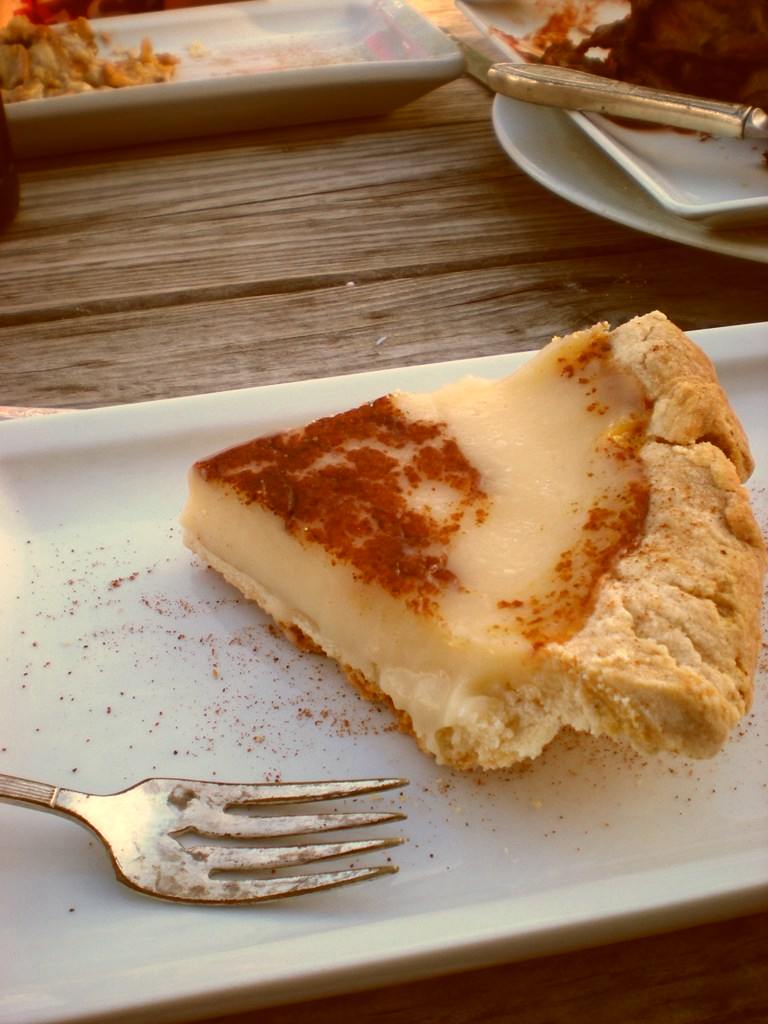
Indiana named it the official state pie in 2009, according to the Crown Point Community Library. The base is sugar, cream or milk, flour and butter in a pie crust, and many say a true version has no egg.
The library says the tradition predates statehood and is linked to the Shaker community of eastern Indiana, while some say the Amish brought it to the northeast of the state in the 1830s. It is also called finger pie because the ingredients are mixed by hand to keep air out of the cream. Mrs. Wick’s Pies in Winchester claims the title Sugar Cream Pie Capital of the world.
This article was produced with AI assistance and edited for accuracy against the sources linked above.