The American escape now comes with a receipt that feels heavier than the suitcase. Food and travel trends that hurt your wallet are reshaping how families plan vacations, weekend trips, restaurant meals, and even simple roadside stops. What once felt like a casual break from routine now demands comparison shopping, budget tracking, and hard choices.
Across the country, Americans still want to travel. They still want dinners by the beach, breakfast on the road, airport coffee, theme park snacks, and a few days away from work. Yet the economics of pleasure have changed. Rising costs have turned small indulgences into calculated decisions.
The pressure is not limited to luxury travelers. It affects parents packing coolers before long drives, retirees shortening trips, young workers skipping flights, and families rethinking restaurant meals. These shifts reveal more than inflation. They show how deeply food, movement, and memory are tied to the American sense of freedom.
The Road Trip No Longer Feels Cheap

For generations, the road trip carried a special promise. It offered freedom without the high price of airfare. Families could load the car, pick a destination, and turn the journey itself into part of the vacation.
That bargain has weakened. Higher gas prices, tolls, parking fees, and car maintenance costs now make driving feel less spontaneous. A short trip can become expensive before anyone books a room or orders a meal.
This has changed how Americans choose destinations. Many now stay closer to home, cut a day from the itinerary, or search for places with free parking. The open road still calls, but it now asks travelers to check their bank accounts first.
Airport Meals Have Become a Warning Sign
Airports have always charged more for convenience. Today, that convenience can feel punitive. A sandwich, a bottled drink, and coffee can cost as much as a sit-down meal once did.
The problem grows because air travel already carries extra costs. Checked bags, seat selection, ride-share fares, and flight delays can stretch budgets before passengers reach the gate. Airport food becomes one more reminder that travel spending rarely ends with the ticket.
Many travelers now pack snacks, refill water bottles, or eat before leaving home. These habits may seem small, but they reflect a larger shift. Americans are trying to protect their budgets from the quiet markups built into every stage of travel.
Hotels Are Selling Sleep at Premium Prices

A hotel room used to be the predictable anchor of a short trip. Travelers could expect a clean bed, basic breakfast, and a manageable nightly rate. That expectation has become harder to trust.
Hotel prices have climbed in many destinations, especially during weekends, holidays, sports events, and concert dates. Resort fees, parking charges, and higher taxes can make the final bill far larger than the advertised rate. The result often feels like a surprise bill attached to the rest.
This is pushing travelers toward alternatives. Some choose budget hotels farther from attractions. Others stay with relatives, split rentals, or reduce overnight stays. The meaning of hospitality changes when sleep becomes one of the trip’s largest expenses.
Restaurant Menus Are Quietly Rewriting Vacations
Food is often the emotional center of travel. People remember the seafood shack, the roadside diner, the hotel breakfast, or the late-night pizza after a long drive. Those memories now come with sharper prices.
Restaurants face higher costs for labor, rent, ingredients, insurance, and utilities. Many have raised menu prices or added service charges to stay afloat. Travelers feel the increase quickly because vacation eating often includes several meals away from home.
The result is a new kind of travel math. Families may choose one special restaurant meal and rely on groceries for the rest. That does not erase the joy of travel, but it changes the rhythm of the trip.
Grocery Stops Are Replacing Dining Out
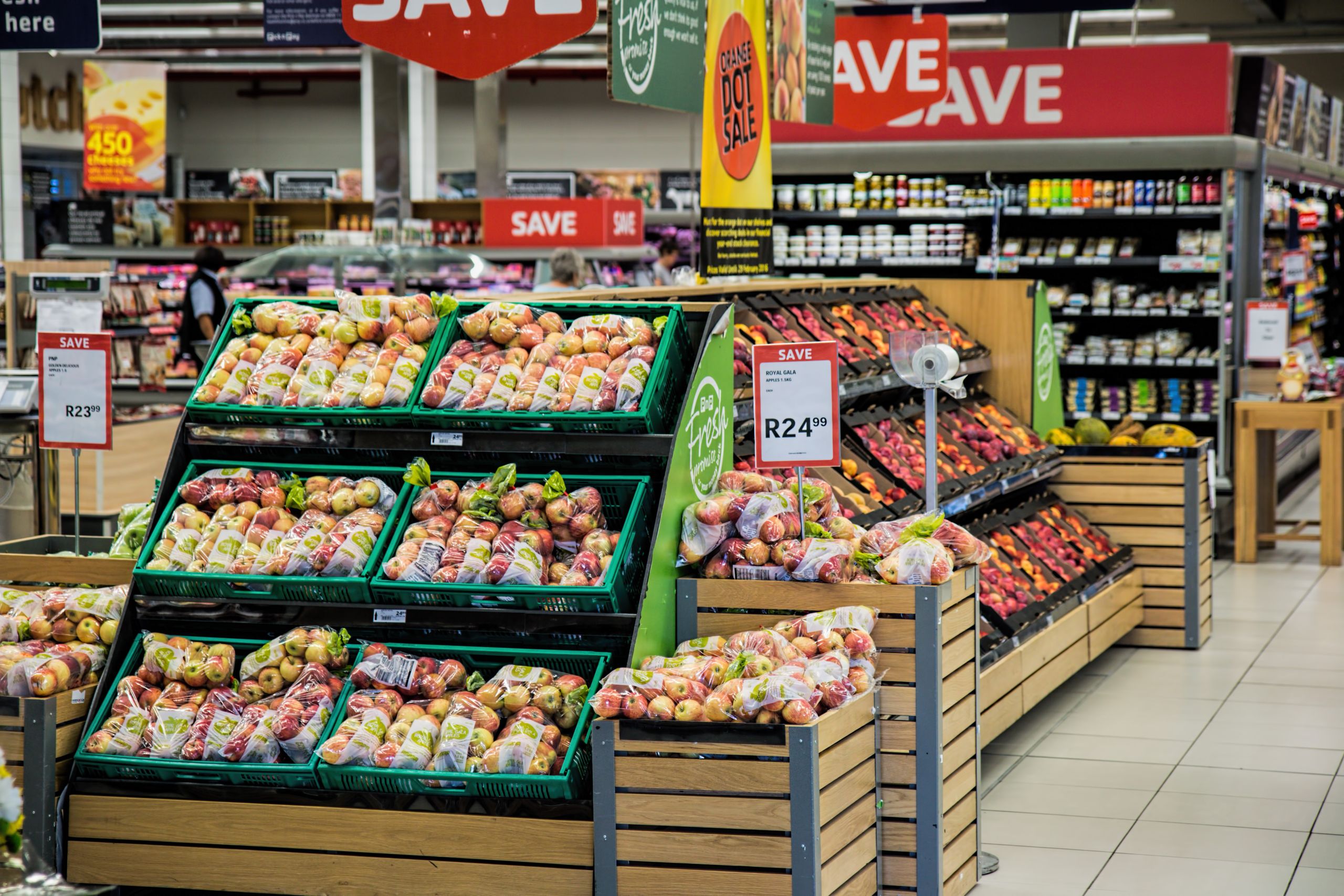
One of the clearest food and travel trends that hurts your wallet is the rise of the vacation grocery run. Travelers now stop at supermarkets before checking into hotels, rentals, or campsites. The goal is simple: avoid paying restaurant prices for every meal.
This shift shows how inflation changes behavior without ending demand. People still travel, but they redesign the experience to control costs. Breakfast becomes cereal in the room. Lunch becomes sandwiches from a cooler. Snacks come from bulk packs instead of convenience stores.
Local restaurants may feel the impact. Travelers who once ate out three times a day now pick carefully. They still want local flavor, but they reserve it for moments that feel worth the price of the bill.
Tourist Hotspots Are Testing Patience
Popular destinations have become more expensive because demand remains strong. Beach towns, national park gateways, music cities, and historic districts often raise prices when crowds arrive. Travelers may face higher costs for rooms, meals, parking, tours, and souvenirs.
This creates frustration because visitors feel trapped by geography. Once they arrive, they have fewer affordable options. A family near a major attraction may pay premium prices simply because leaving the area costs time and fuel.
Some travelers now avoid famous destinations altogether. They choose smaller towns, shoulder seasons, or lesser-known attractions. This may spread tourism dollars more widely, but it also shows how price pressure can push Americans away from traditional vacation dreams.
Convenience Fees Are Eating the Budget

Modern travel increasingly runs on apps, reservations, timed entries, and digital platforms. These tools can make planning easier. They can also add costs that feel small until they pile up.
Service fees, delivery charges, booking fees, resort fees, and processing charges now follow travelers across the journey. A ticket price may look affordable at first glance, then rise at checkout. The same pattern appears with food delivery, hotel booking, and entertainment reservations.
These charges create mistrust. Consumers feel they must investigate every purchase before committing. That caution changes the emotional texture of travel, turning anticipation into suspicion.
Families Are Cutting the Extras First
When budgets tighten, families rarely cancel every plan at once. They cut the extras first. That may mean fewer snacks, fewer souvenirs, cheaper hotels, shorter stays, or fewer paid attractions.
These choices can look modest on paper. In real life, they shape the memories people bring home. A parent may say no to ice cream, skip the boat tour, or avoid the gift shop because the trip already costs too much.
This is where inflation becomes personal. It does not simply raise prices. It changes the small rituals that make travel feel special, especially for children.
Social Media Has Raised the Price of Experience

Travel culture now moves through screens. Viral restaurants, scenic hotels, food festivals, and hidden gems can become crowded almost overnight. Attention creates demand, and demand often raises prices.
This trend affects both food and travel. A dessert shop made famous online may charge more because lines stay long. A small town featured in travel videos may see hotel rates rise during peak weekends. What begins as discovery can quickly become a pricing event.
Travelers now face a strange tension. Social media helps them find new experiences, but it can also make those experiences less affordable. The internet democratizes inspiration, then the market raises the cost of arrival.
The New Luxury Is Feeling Unrushed
Perhaps the most worrying shift is emotional. Americans still take trips, but many now travel with a constant awareness of cost. Every meal, stop, ticket, and extra hour away from home carries financial weight.
This has created a quieter kind of luxury. It is no longer only about five-star hotels or expensive restaurants. For many people, luxury now means taking a trip without anxiety. It means ordering dinner without checking the price twice. It means giving children a full experience without mental arithmetic.
Food and travel trends that hurt your wallet reveal a country still hungry for movement, connection, and pleasure. Yet they also reveal the limits of resilience. Americans are adapting with discipline and creativity, but adaptation has a cost of its own. A vacation can still restore the spirit, but the question now follows many travelers home: how much freedom can people afford when even escape feels expensive?