The honey has turned grainy, the sugar has formed a lump, and the vinegar bottle looks exactly as it did when you bought it. Which ones deserve a spot in the pantry? All three can last a surprisingly long time under the right conditions.
A “best if used by” date generally tells you when a product is expected to taste or perform its best. For long-lasting pantry staples, the type of food, how it was stored, and the condition of its packaging all matter. Here’s what to know before you clear out that back shelf. Food Dating
Pure honey
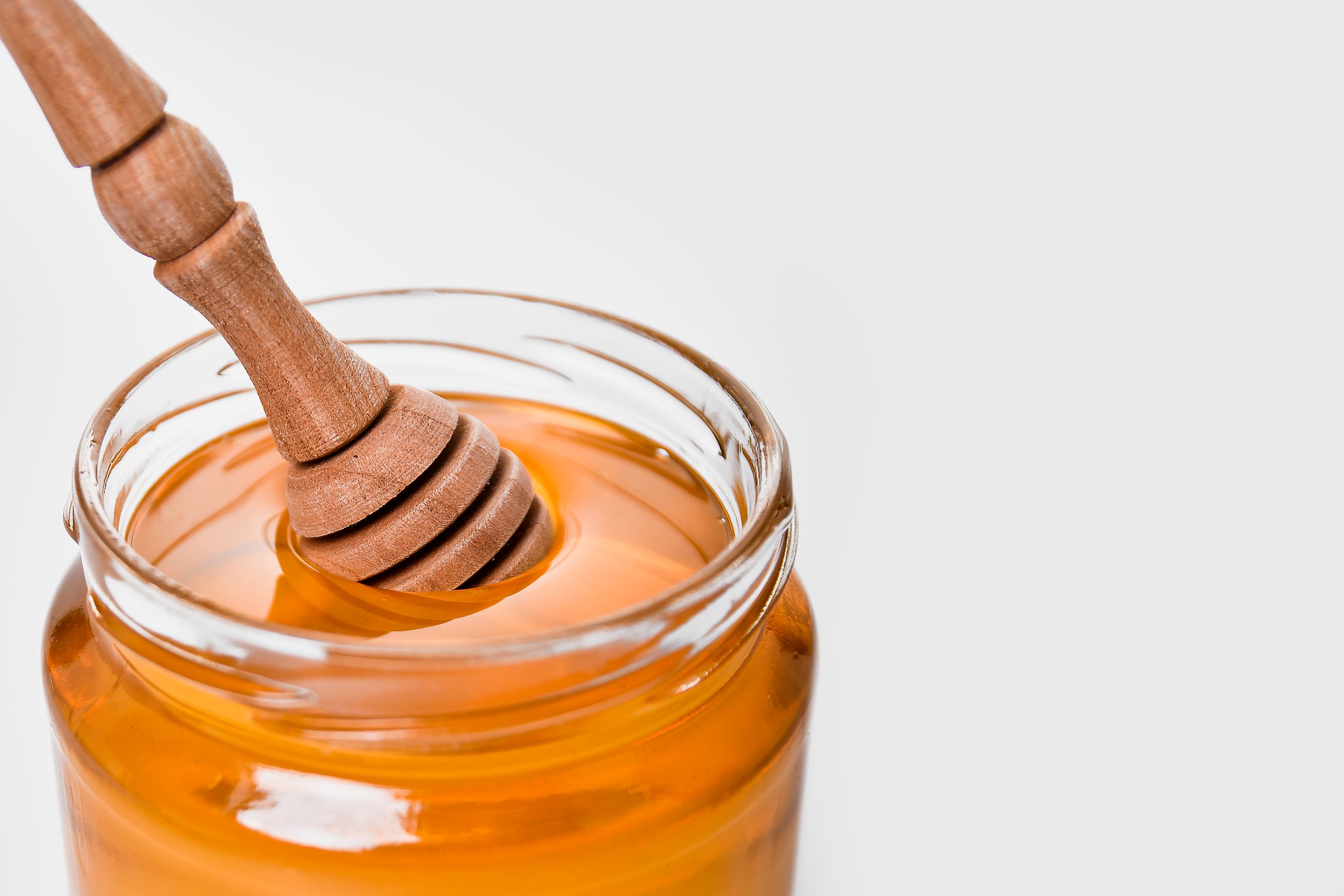
If your honey looks cloudy or has turned gritty, those little grains are usually sugar crystals. To make it pourable again, stand the tightly closed jar in a bowl of warm water and let the crystals dissolve. Plain honey keeps for years because it contains very little moisture that microbes can use. Dip in with a clean, dry spoon, and keep the lid tight. Honey mixed with fresh ingredients can have different storage requirements. USU
Granulated white sugar
You may need to break up the hard lump at the bottom of the sugar bag. Granulated white sugar can keep indefinitely when stored properly, although it can clump or harden over time. If you bake only around the holidays, transfer the rest of the bag to an airtight container between batches. Utah State University Extension recommends packaging that keeps out moisture and odors. Brown sugar contains more moisture, so give it its own storage plan. USU
Related: 8 Best Superfoods for Energy, Focus, and Longevity
Plain salt
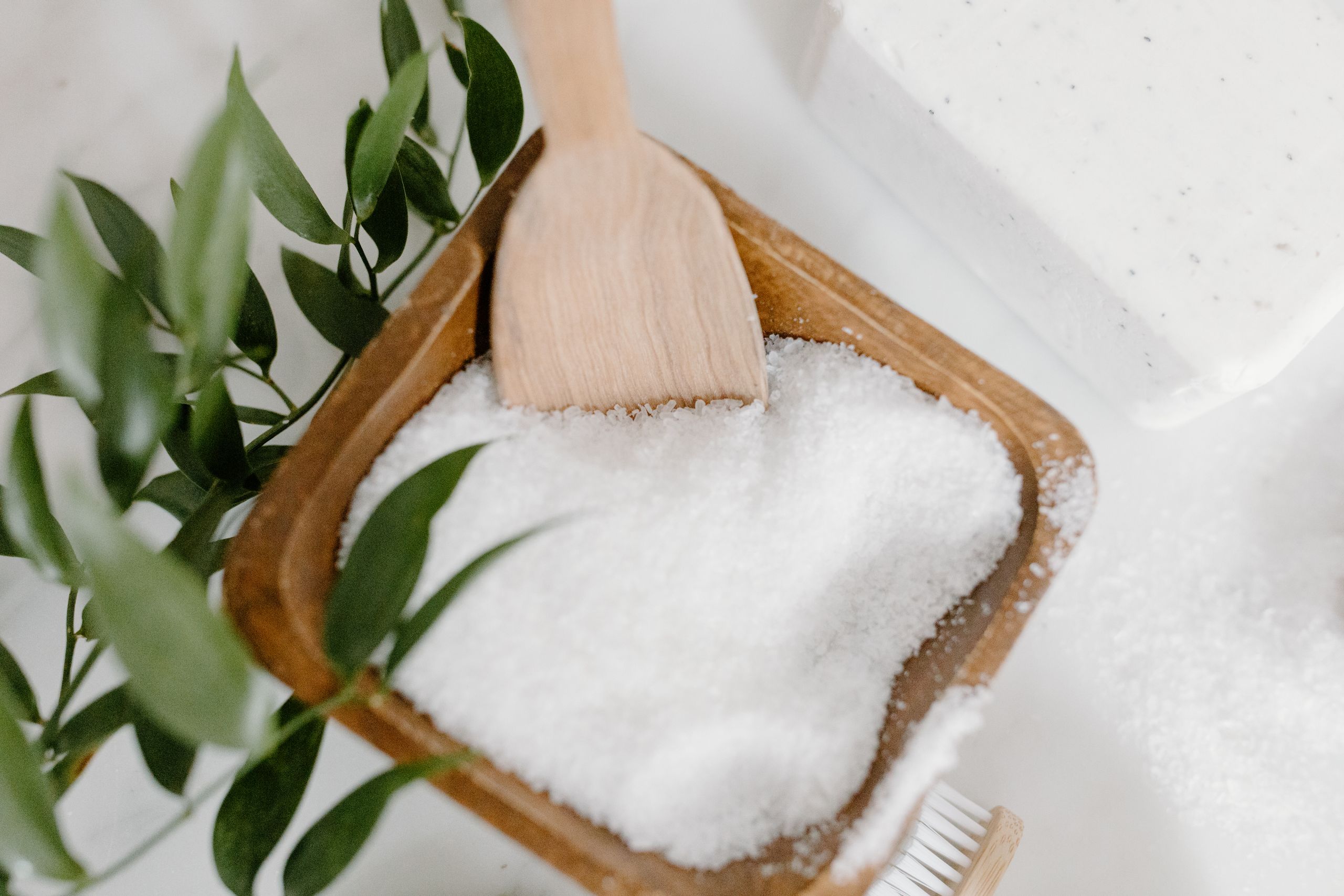
Plain salt has an exceptionally long shelf life. Moisture usually gets in the way. A shaker that lives beside a steaming pot can end up dispensing one stubborn clump. Store your main supply in a tightly closed container in a dry cupboard. Check the label on iodized salt and seasoning blends for guidance, since added ingredients can affect how long those products stay at their best. Morton Salt
Distilled white vinegar
That bottle of distilled white vinegar you bought for one recipe can last much longer. Cornell Cooperative Extension says it stays virtually unchanged over a long period. Fruit vinegars can darken or develop sediment as they age, so their appearance may change even when the white vinegar next to them looks the same. Keep the cap screwed on and use food-grade vinegar when cooking. For home canning, follow the acidity specified in a tested recipe. Cornell Cooperative Extension Herkimer County
Uncooked white rice
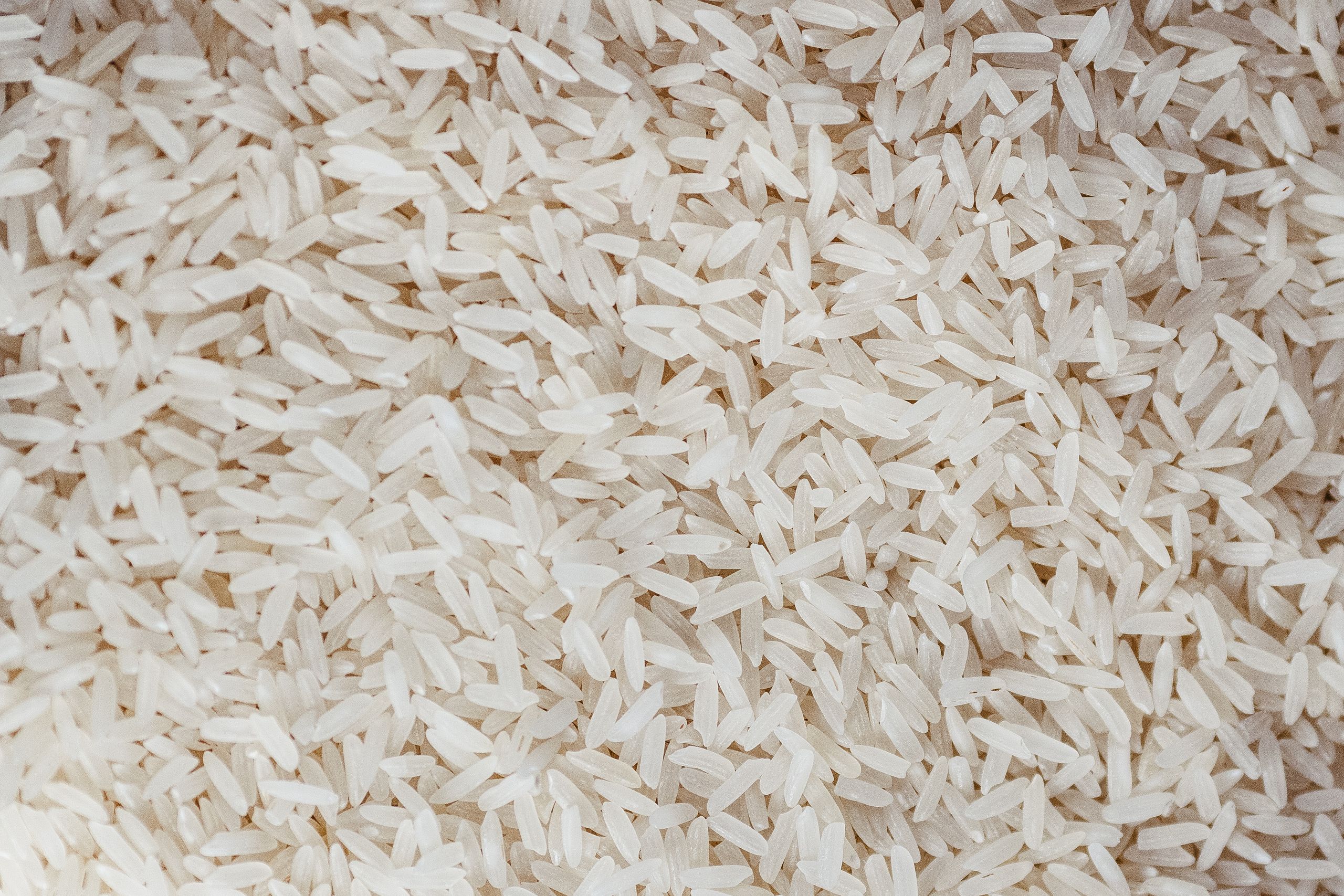
White rice can last for decades under specific conditions. Utah State University Extension puts the shelf life of properly sealed and stored polished white rice at 25 to 30 years. Those figures apply to long-term storage in suitable containers under cool conditions. Once opened, the extension recommends using it within one to two years. If your rice currently lives in a bag held shut with a clothespin, a tightly sealed food container is a practical upgrade. USU
Dried beans
A bag of dried beans can wait a long time for chili night. Utah State University Extension says beans in ordinary food-grade plastic bags last a year or more, and cooler storage helps them last longer. Older beans can take longer to soften, so give yourself extra cooking time before dinner. Store them in a tightly sealed container in a cool, dark cupboard, and reach for the oldest batch first. USU
Some commercially canned foods
Unopened cans of vegetables, meat, and fish can keep their best quality for two to five years when stored properly, according to the USDA. Higher-acid foods such as canned tomatoes and many canned fruits have a shorter window of about 12 to 18 months. Keep cans in a cool, dry spot. Discard any can that’s bulging, leaking, or badly dented without tasting the contents. ask.fsis.usda.gov
The easiest pantry habit is to put new purchases behind the ones you already have. When you pour a bag of rice or beans into a jar, jot the purchase date on the lid. Then, the next time you make soup, bake cookies, or put together a quick dinner, you’ll reach for the ingredients you bought first.