America is full of bustling cities and modern suburbs, but some towns feel trapped in the past. Walking their streets is like stepping into a history book where progress has stalled and time refuses to move. These communities retain their old charm, cobblestones, and architecture, but living there often means slow growth, limited opportunity, and a sense that the world has passed them by.
For residents, this frozen-in-time reality is both magical and challenging. From colonial streets to Victorian neighborhoods, here are eight U.S. towns where history dominates daily life, yet modern conveniences struggle to keep up.
Williamsburg, Virginia
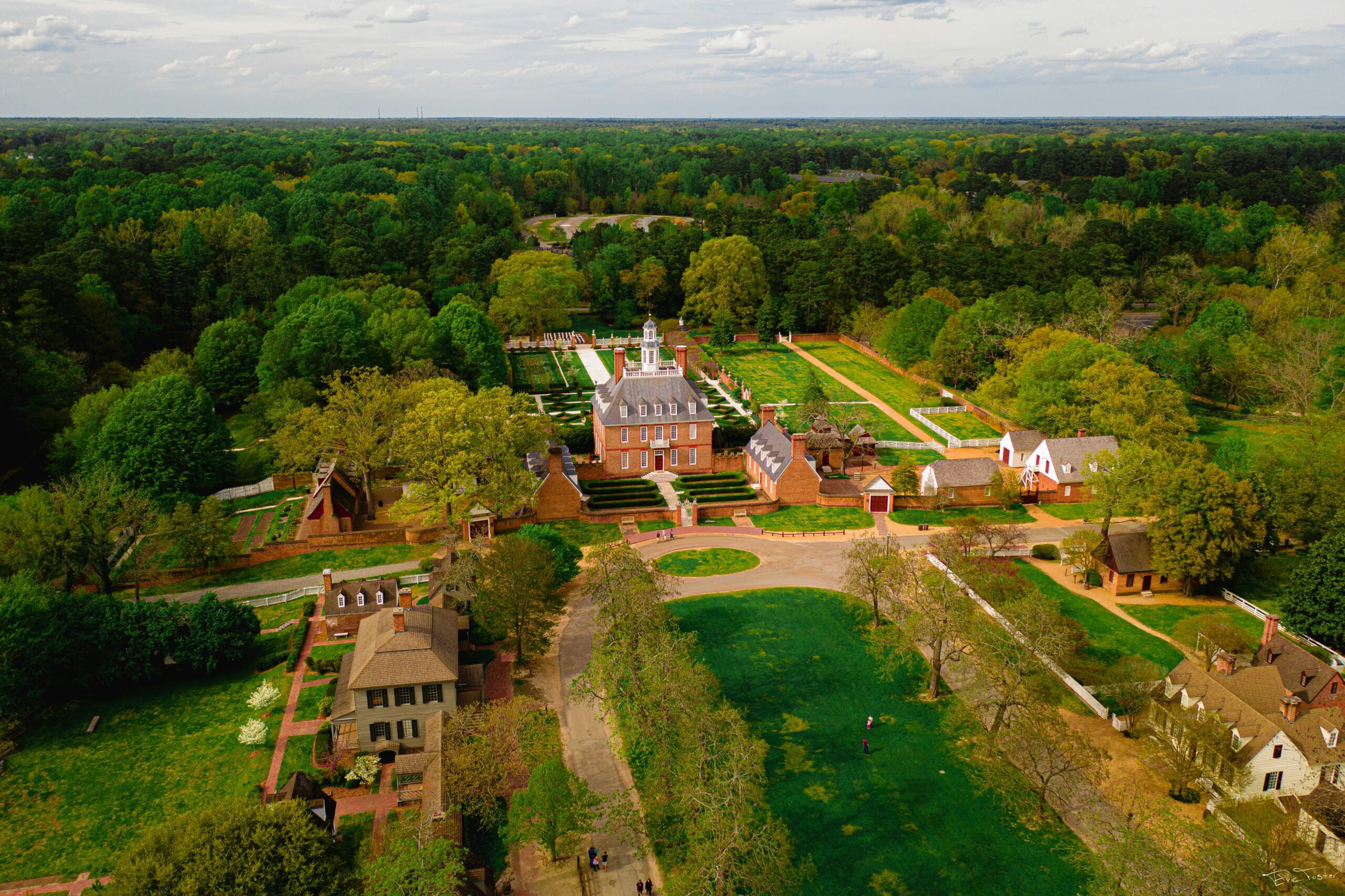
Williamsburg is a living museum of colonial America. Its streets, taverns, and government buildings recreate 18th-century life with astonishing detail. While the charm draws tourists, residents navigate strict preservation rules, constant crowds, and limited modernization. Daily routines often clash with tourism-driven priorities, leaving locals caught between history and contemporary demands
Galena, Illinois
Galena’s 19th-century architecture and Main Street preserve a pre-industrial feel. While the town is picturesque, economic opportunities are limited, and modern development is tightly restricted to maintain historic character. Residents enjoy nostalgic beauty but often face challenges in housing, jobs, and infrastructure that the charm of the past can’t fix.
Mystic, Connecticut
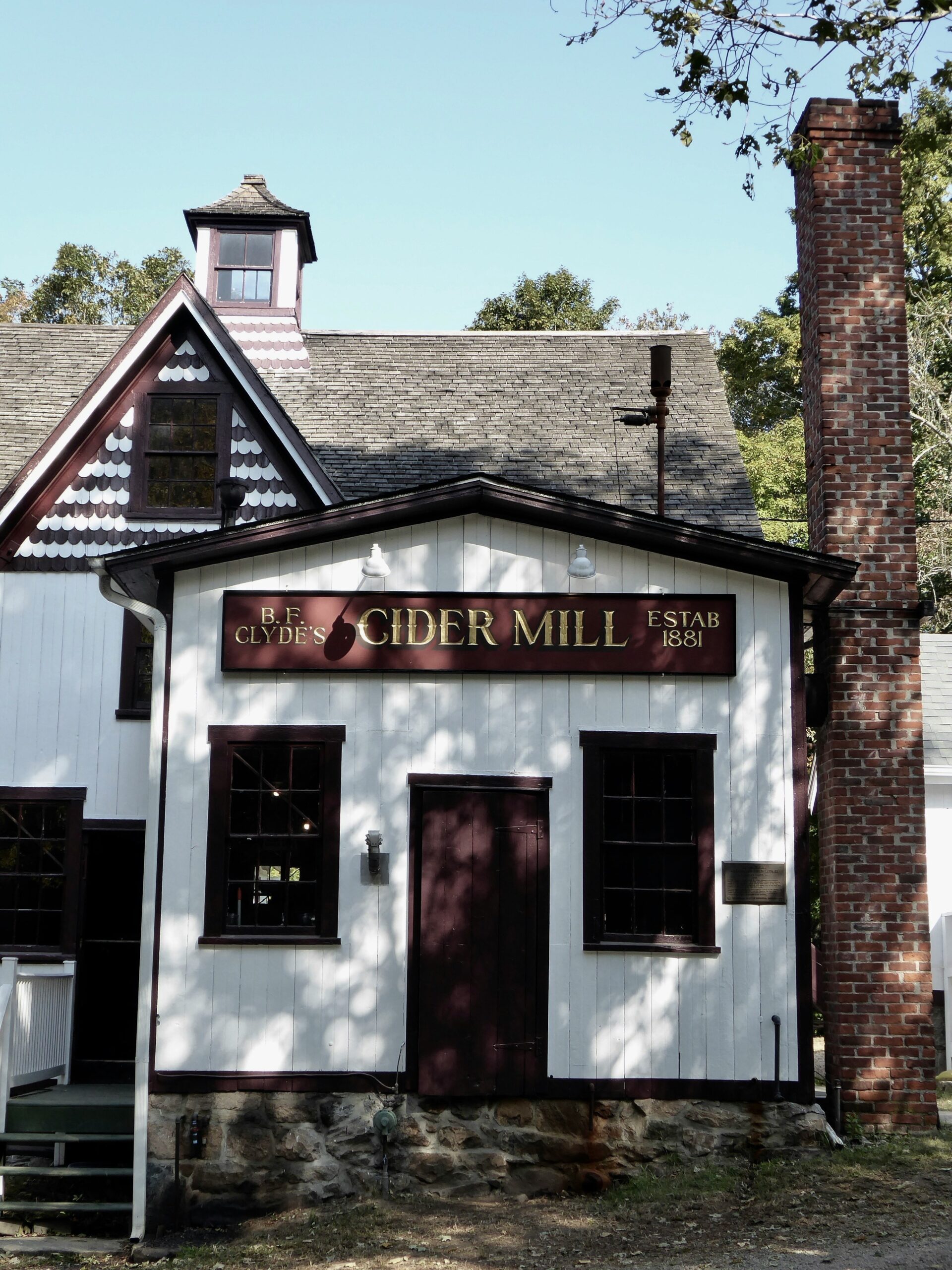
Mystic holds tightly to its maritime heritage, with historic shipyards and wharves frozen in time. For tourists, it’s a scenic escape; for locals, life revolves around seasonal business cycles and a reliance on tourism income. Daily life blends historical preservation with the constraints of a small coastal economy, making progress slow and highly dependent on outside visitors.
St. Augustine, Florida
As the nation’s oldest city, St. Augustine brims with Spanish colonial architecture. Narrow cobblestone streets and ancient forts create an immersive historical experience. Residents navigate constant tourist traffic, aging infrastructure, and limited modern space. While the past is preserved beautifully, living in the city requires patience and creative adaptation to its tightly controlled historic zones.
Deadwood, South Dakota
Deadwood thrives on its Wild West image, with preserved saloons and wooden sidewalks. Tourists flock to witness the frontier past, but the local economy leans heavily on seasonal events and gaming. Residents must balance modern needs against historic aesthetics, maintaining old structures while contending with limited infrastructure and job diversity.

Savannah, Georgia
Savannah’s antebellum homes, moss-draped oaks, and historic squares create a slow-paced, picturesque environment. Preservation ordinances maintain beauty but limit construction and modernization. Daily life is influenced by the constant presence of tourism and regulations, making contemporary conveniences secondary to historical integrity.
Carmel-by-the-Sea, California
Carmel preserves early 20th-century artistic charm with European-style cottages and narrow streets. Strict zoning and historical preservation prevent large-scale development. Residents enjoy the village’s aesthetic but face high costs, limited housing, and modern limitations, keeping much of daily life grounded in the past.
Eureka Springs, Arkansas
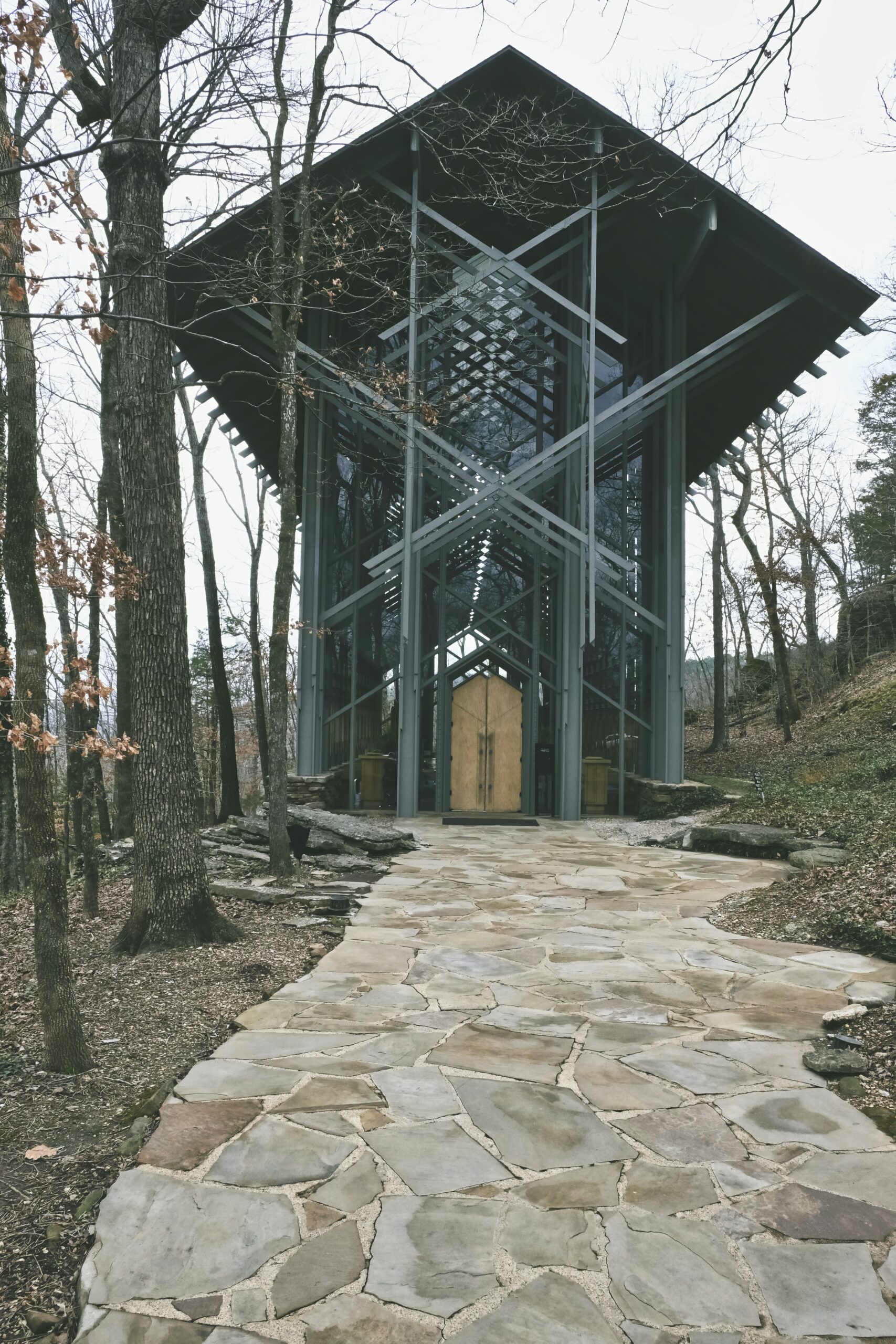
Eureka Springs maintains Victorian architecture and winding streets that showcase its resort history. Residents contend with fluctuations in tourism, strict building codes, and infrastructure challenges. While charming, life in the town requires adapting to historic preservation restrictions and the pressures of seasonal economies.
Conclusion
These towns capture history beautifully, yet living there can feel like stepping into a paused world. Residents navigate the tension between preserved charm and the limitations it imposes on modern life, from economic opportunities to infrastructure. While these communities offer unique glimpses into America’s past, the daily realities remind us that history, as enchanting as it is, doesn’t always meet the demands of the present.