The American weekend getaway once represented a simple escape. A tank of gas, a modest hotel room, and a few restaurant meals were often enough to create a memorable break from daily life. Today, however, inflation on weekend getaways has transformed that familiar ritual into a growing financial challenge for millions of households.
Travel remains deeply woven into American culture. Short trips offer a chance to reconnect with family, recharge after demanding workweeks, and explore new places without committing to extended vacations. Yet rising prices across transportation, lodging, dining, and entertainment have fundamentally changed how people approach these experiences.
The shift extends beyond individual budgets. It reflects broader economic pressures influencing consumer behavior across the country. As inflation reshapes spending patterns, weekend travel has become a revealing lens through which Americans are experiencing the realities of a more expensive economy.
The Price of Leaving Home Keeps Climbing
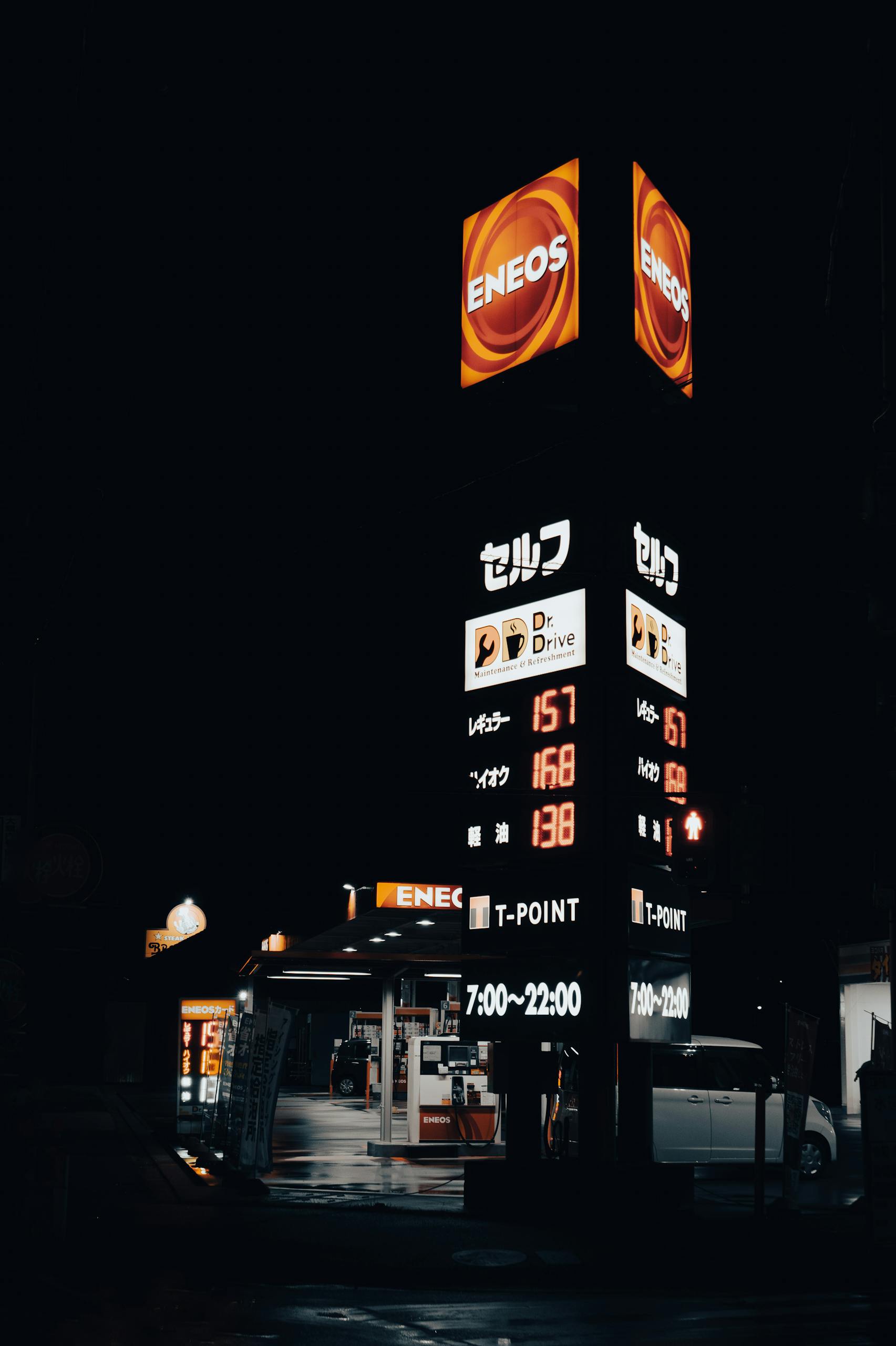
Transportation has become one of the most visible casualties of inflation. Gasoline prices continue to fluctuate sharply, creating uncertainty for travelers planning even short road trips. Airfares for regional routes have also risen, particularly during peak travel periods when demand remains strong.
For many families, transportation now consumes a larger share of travel budgets than it did just a few years ago. What was once a manageable expense can quickly become the highest cost of a weekend getaway. As a result, travelers increasingly calculate mileage, tolls, and fuel consumption before committing to a trip.
These changes have altered travel behavior. Americans are choosing destinations closer to home, shortening trips, or reducing the frequency of spontaneous travel. The freedom associated with hitting the road now often comes with careful financial calculations.
Hotel Rates Have Reached New Heights
Accommodation costs have risen steadily across much of the country. Hotels face higher labor expenses, increased utility bills, and growing operational costs. Many have passed those expenses directly to guests through higher room rates.
Popular destinations have experienced particularly sharp increases. Coastal towns, mountain resorts, and major tourist cities frequently report occupancy rates that support premium pricing. Travelers who once booked rooms without much planning now spend significant time comparing options.
The result is a noticeable shift in consumer expectations. Many travelers are sacrificing amenities, choosing budget properties, or sharing accommodations with friends and relatives. The traditional hotel stay is increasingly becoming a luxury rather than a routine component of a quick getaway.
Restaurant Bills Are Delivering Sticker Shock

Dining has long been one of the pleasures of travel. Trying local restaurants and regional specialties often forms a central part of the getaway experience. Inflation, however, has dramatically increased the cost of eating out.
Restaurants face higher prices for ingredients, transportation, labor, and utilities. These costs appear directly on menus, where customers frequently encounter prices far above what they remember from previous trips. Even casual meals can strain travel budgets.
Consequently, many travelers have adjusted their habits. Some pack snacks or prepare meals in rental accommodations. Others limit restaurant visits to a single special meal during a trip. The cultural experience of discovering local food remains important, but it increasingly requires financial planning.
The End of the Spontaneous Escape
One of the most significant effects of inflation on weekend getaways is the disappearance of spontaneity. Americans once embraced last-minute travel decisions with relative confidence. Today, unexpected costs create hesitation.
Consumers increasingly research prices weeks in advance. They compare hotel rates, monitor fuel costs, and search for promotional offers before finalizing plans. This level of preparation reflects a broader desire to avoid unpleasant financial surprises.
The trend reveals a psychological shift as much as an economic one. Travel has become less about impulse and more about strategy. The emotional freedom associated with spontaneous adventures has diminished under the weight of financial caution.
Entertainment Costs Are Adding Up Fast
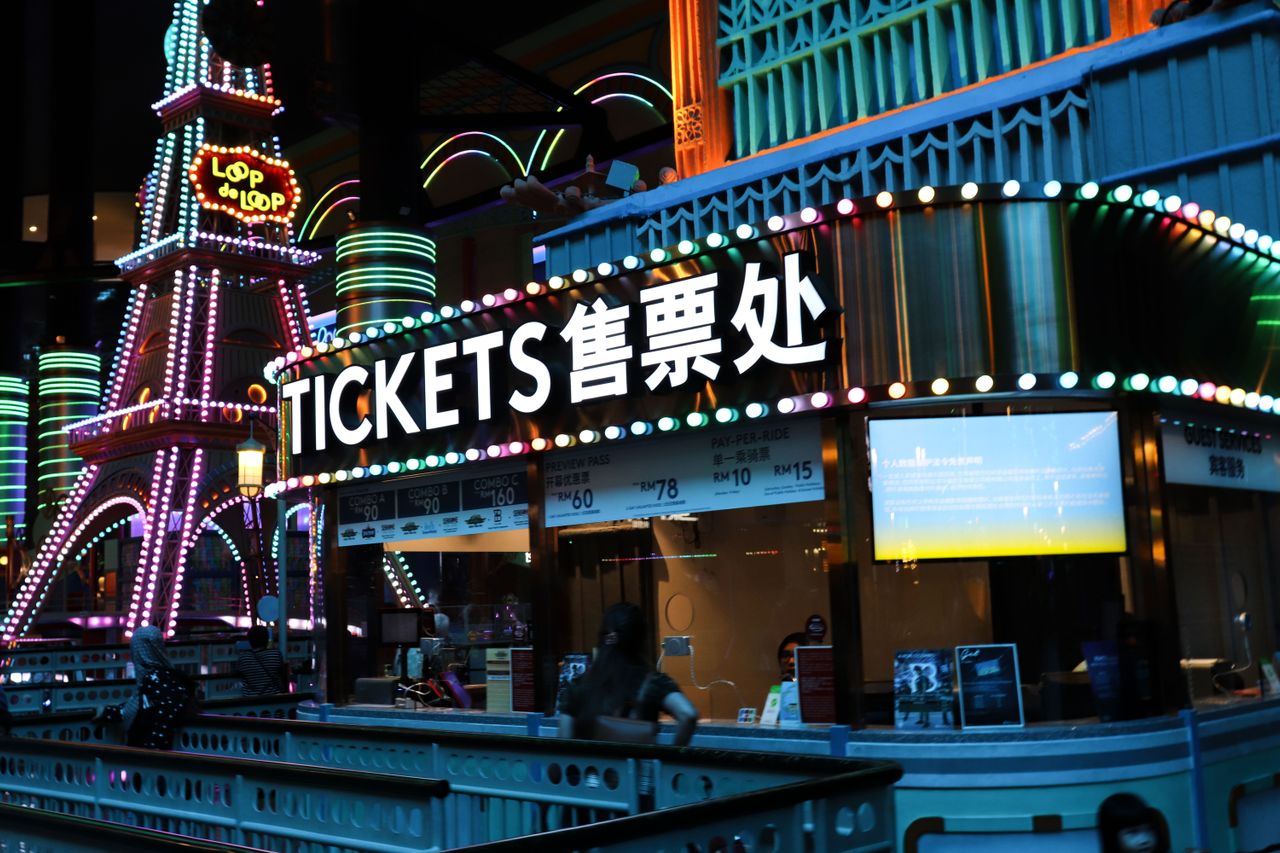
Travel expenses no longer stop at transportation and lodging. Attractions, museums, sporting events, and recreational activities have all become more expensive. Families often discover that admission fees consume a substantial portion of their budgets.
Many attractions have increased prices to offset rising operational expenses. Staffing shortages, maintenance costs, and infrastructure improvements contribute to higher ticket prices. Visitors may also encounter premium fees for parking, reservations, or special experiences.
As a result, travelers increasingly prioritize free or low-cost activities. Public parks, hiking trails, beaches, and community events have gained popularity. While these alternatives offer meaningful experiences, they also reflect a growing need to control spending.
Small Town Tourism Faces New Challenges
Inflation affects not only travelers but also the communities that depend on tourism revenue. Small towns that rely on weekend visitors have noticed changes in consumer behavior. Visitors may still arrive, but they often spend less money once they get there.
Local businesses face a difficult balancing act. They must raise prices to cover expenses while remaining attractive to budget-conscious travelers. Restaurants, shops, and attractions frequently struggle to maintain profitability without discouraging customers.
The economic consequences extend beyond individual businesses. Reduced visitor spending can affect employment, tax revenue, and community development. For many destinations, the challenge is maintaining tourism appeal during a period of widespread financial pressure.
Budget Travel Is Becoming a Competitive Sport
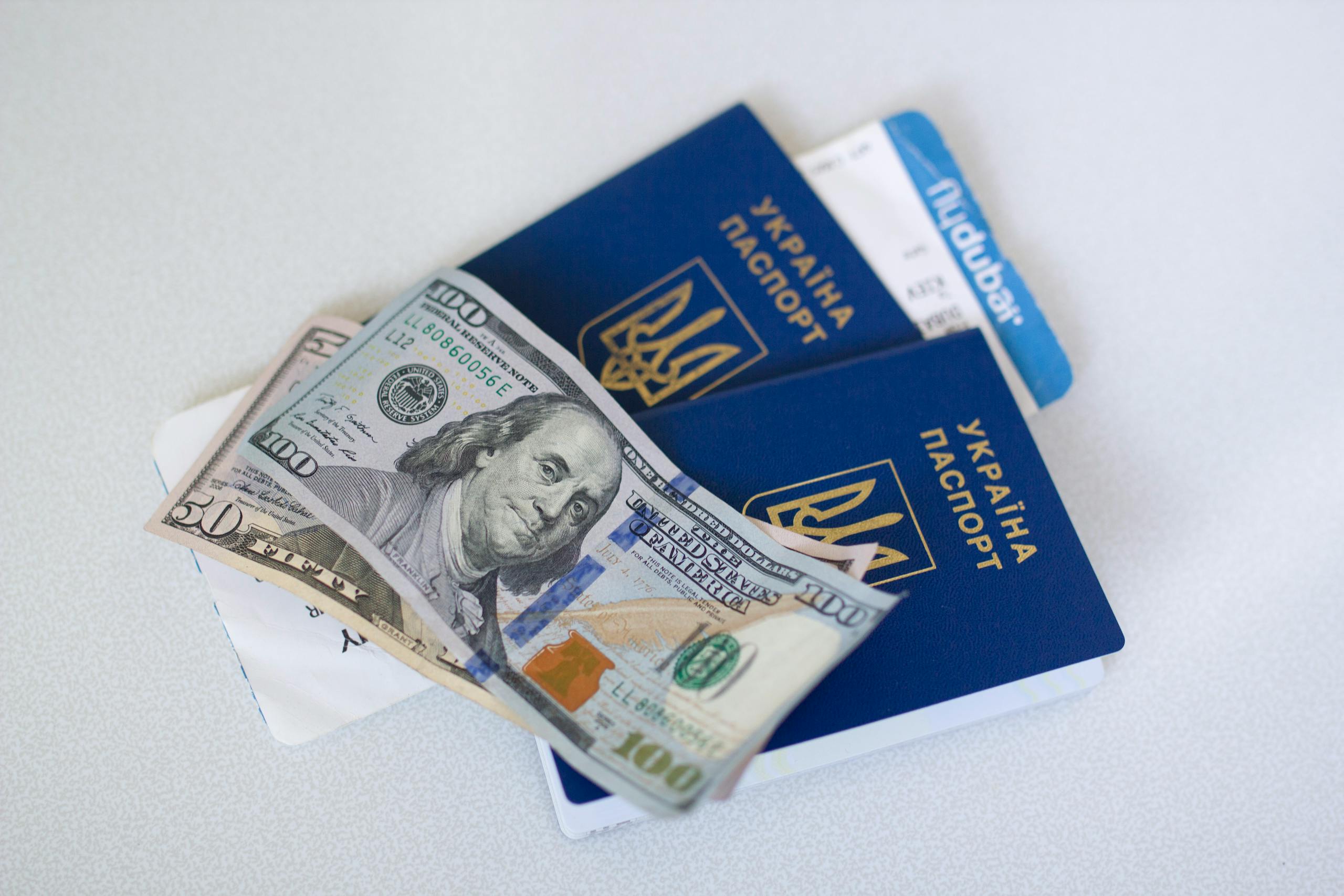
Americans have responded to inflation with remarkable creativity. Budget travel strategies that once appealed mainly to bargain hunters have entered the mainstream. Travelers actively seek discounts, loyalty programs, and promotional packages.
Social media platforms have accelerated this trend. Travel influencers regularly share money-saving tips, destination hacks, and affordable alternatives. These strategies help travelers stretch their budgets further, but they also reveal how essential cost-cutting has become.
The growing popularity of budget travel reflects changing priorities. Consumers still value experiences, but they increasingly pursue those experiences through disciplined spending rather than unrestricted consumption.
Family Traditions Are Being Reconsidered
Weekend getaways often serve as important family traditions. Annual trips, seasonal excursions, and holiday escapes create memories that endure for generations. Inflation has forced many households to reconsider these longstanding habits.
Parents increasingly face difficult decisions about discretionary spending. Rising housing costs, grocery bills, and utility expenses compete directly with travel budgets. In some cases, families reduce the number of trips they take each year.
The emotional impact can be significant. Travel represents more than recreation. It creates opportunities for connection, learning, and shared experiences. When economic pressures limit those opportunities, families may feel a loss that extends beyond finances.
A New Era of Travel Expectations
The cumulative effect of inflation on weekend getaways is reshaping expectations across the travel industry. Consumers are becoming more selective, value-conscious, and deliberate in their choices. Businesses must adapt to customers who carefully evaluate every expense.
Industry analysts note that demand for travel remains surprisingly resilient. Americans continue to prioritize experiences even during periods of economic uncertainty. However, they increasingly expect transparency, affordability, and meaningful value in return for their spending.
This shift may ultimately redefine what successful travel looks like. Luxury and excess are giving way to practicality and intentionality. Travelers are learning to focus less on quantity and more on quality, seeking experiences that justify every dollar spent.
The story of inflation on weekend getaways is ultimately about more than travel. It reflects how Americans adapt when economic conditions challenge familiar routines and expectations. The weekend escape has not disappeared, but it has evolved into something more carefully planned, more financially calculated, and perhaps more deeply appreciated.
As prices continue to influence decisions, the question remains whether these changes are temporary adjustments or the beginning of a lasting transformation in how Americans pursue leisure, freedom, and connection.