Seventeen attorneys general sued California on Monday to block enforcement of the state’s landmark single-use plastics law, escalating a national fight over who should pay for packaging waste.
The case was filed on June 22 in federal court in Sacramento. Nebraska Attorney General Mike Hilgers is leading the challenge, joined by Alabama, Florida, Georgia, Idaho, Indiana, Iowa, Louisiana, Missouri, Montana, North Dakota, Oklahoma, South Carolina, South Dakota, Texas, Utah, and West Virginia.
The lawsuit targets Senate Bill 54, California’s Plastic Pollution Prevention and Packaging Producer Responsibility Act. The law requires producers of covered packaging and plastic food service ware to help finance recycling and waste management systems.
The National Association of Wholesaler-Distributors joined the case as a business plaintiff. The group and the states argue California is using its market size to force packaging changes beyond its borders.
States challenge California’s authority.
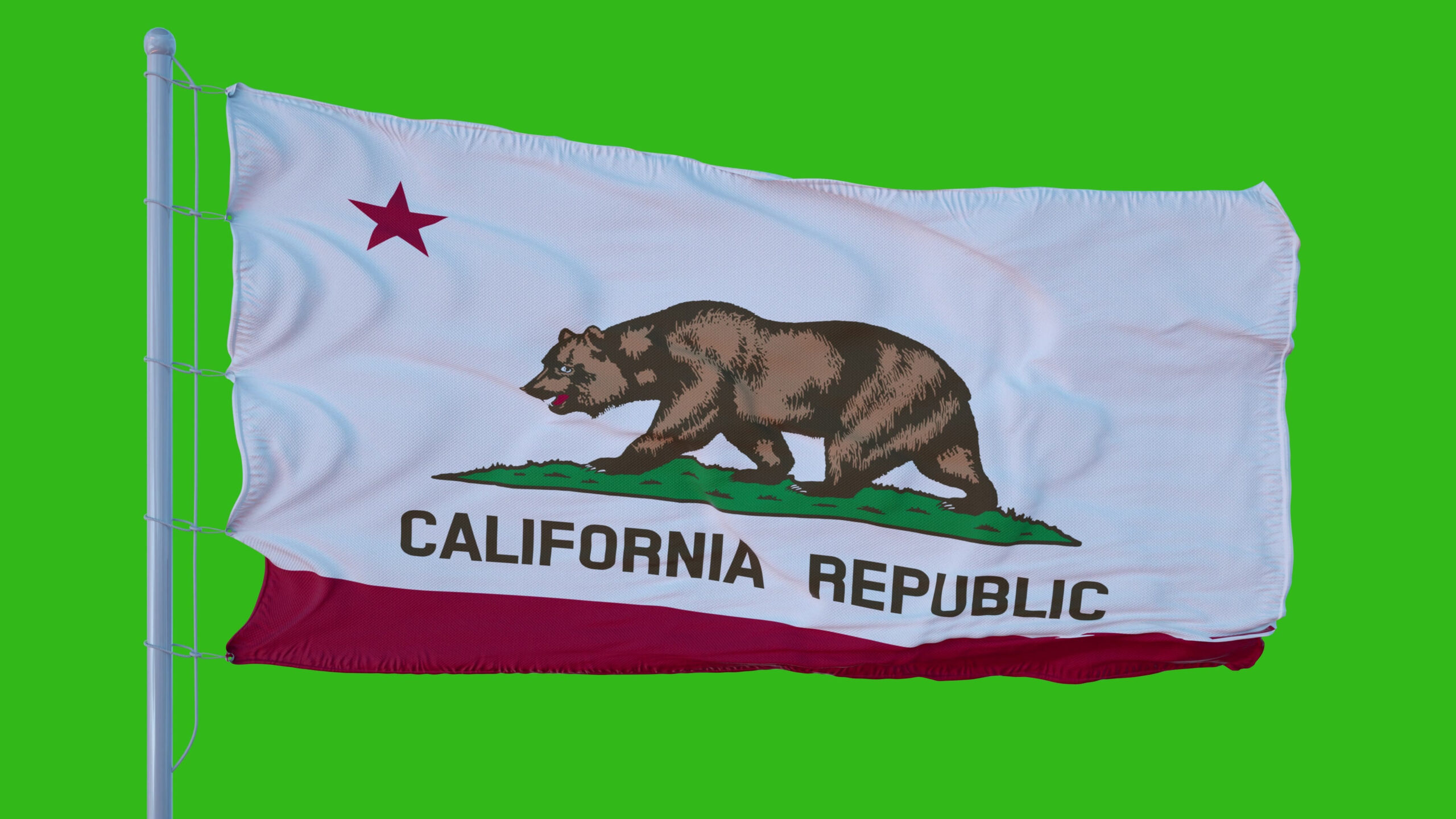
The suing states say California’s law interferes with interstate commerce by pressuring companies nationwide to redesign packaging, submit data, and pay fees to access the California market.
On Monday, seventeen attorneys general sued to stop the law, arguing that it could raise costs for consumers and businesses in other states.
Hilgers said California should not be allowed to impose rules that affect the rest of the country. His office said the law reaches beyond plastic and could affect packaging made from paper, glass, metal, and wood.
The complaint also challenges California’s use of a producer responsibility organization. The plaintiffs argue the state has given a private group too much authority over fees, compliance, and market access.
SB 54 reshapes packaging rules.
California passed SB 54 in 2022. Gov. Gavin Newsom signed the measure as one of the country’s most aggressive attempts to reduce single-use packaging waste.
The California packaging responsibility program applies to packaging and single-use plastic food service ware sold or distributed in the state. It is designed to shift more waste-management costs from taxpayers and local governments to producers.
The law requires covered producers to reduce single-use plastic packaging and plastic food service ware by 25% by 2032. It also requires 65% of covered single-use plastic materials to be recycled by that year.
By 2032, covered single-use packaging and plastic food service ware sold in California must be recyclable or compostable. Producers must also participate in a state-approved system unless they qualify for an alternative compliance path.
Rules are already in effect.
California’s permanent SB 54 regulations were approved this spring. The regulations became effective May 1, starting a new compliance timeline for companies selling covered materials into the state.
Producers were given until June 1 to register with the approved producer responsibility organization, apply to comply independently, or seek a small-producer exemption.
That deadline has become a key pressure point for businesses. Companies that sell packaged products in California may need new reporting systems, new packaging plans, and new cost projections.
For national brands, the law creates a practical challenge. Many companies may find it difficult to create separate packaging for California while using different packaging in other states.
Wholesalers warn of added costs.
Wholesalers and distributors say the law could push new costs through the supply chain. They argue producers may pass fees and redesign costs to distributors, retailers, and consumers.
The lawsuit says California cannot impose what the plaintiffs view as a national packaging policy through one state law. It also raises constitutional claims involving interstate commerce, federalism, due process, and compelled speech.
The compelled-speech argument centers on whether businesses can be forced to join and fund an organization whose policy positions they may not support.
California is expected to defend the law as a valid environmental and waste-management measure. State officials have described SB 54 as a tool to reduce pollution and improve recycling systems.
Environmental groups filed a separate suit.
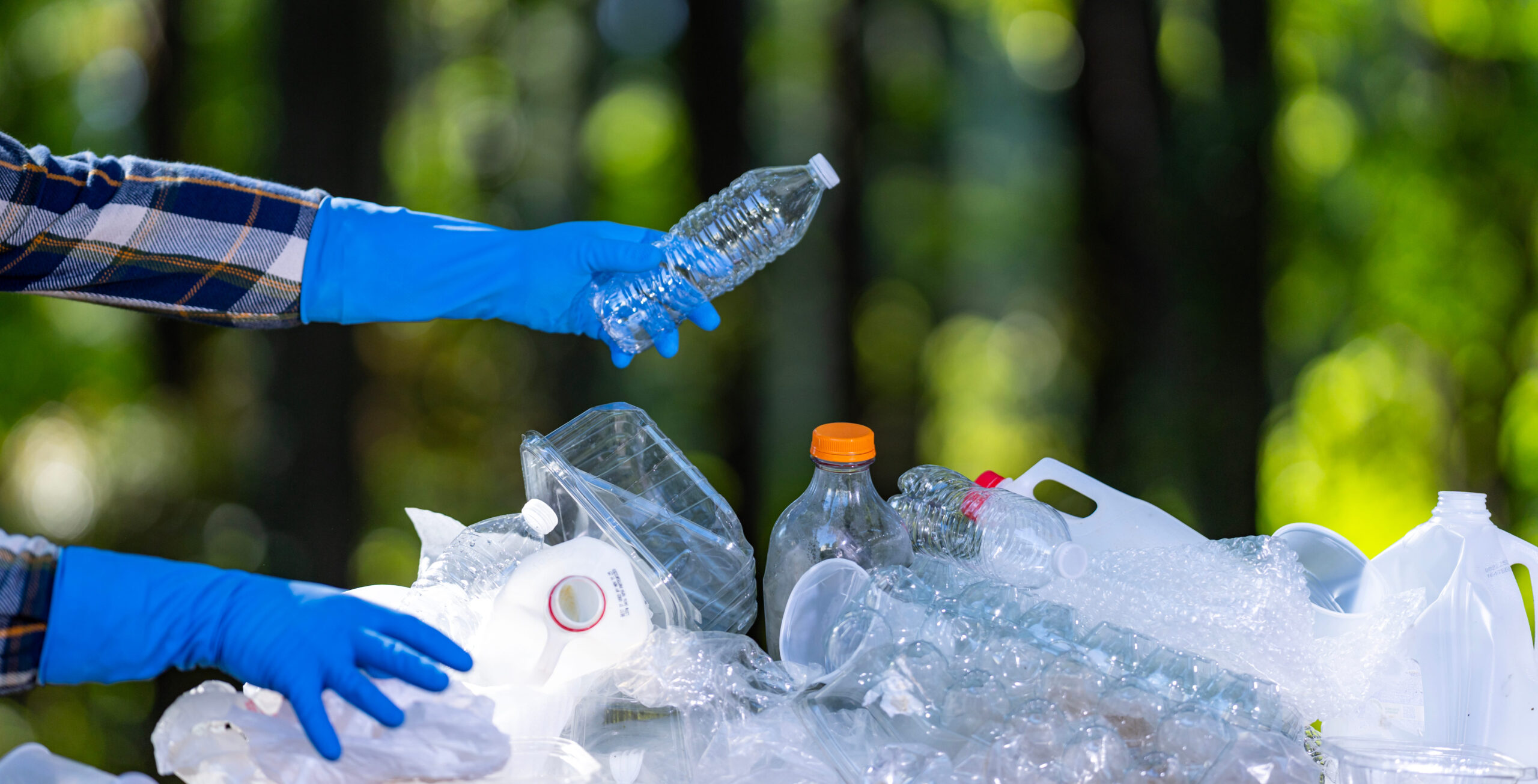
California is also facing a separate legal challenge from environmental organizations. That case attacks the final regulations from the opposite direction.
Oceana, the Natural Resources Defense Council, and Californians Against Waste Foundation sued CalRecycle earlier this month in San Francisco Superior Court. The groups argue that the final regulations weakened SB 54 by creating exemptions and loopholes.
The environmental groups filed suit on June 2, alleging that the rules fail to implement the law’s plastic-reduction and recycling requirements.
Their lawsuit also challenges provisions tied to recycling technologies. Environmental advocates argue that some chemical recycling methods should not count toward compliance if they generate pollution or fail to turn plastic back into usable packaging.
Circular Action Alliance under review
California has approved Circular Action Alliance as the producer responsibility organization for SB 54. The organization is responsible for helping producers develop and operate the compliance program.
Circular Action Alliance submitted its California program plan to the SB 54 Producer Responsibility Advisory Board on June 15. The plan is now open for review.
The public comments through August 14 will allow businesses, local governments, environmental groups, and other interested parties to respond before the program moves further into implementation.
The federal lawsuit could affect how much authority the organization may exercise. The state lawsuit could force revisions to the final regulations if the court finds that CalRecycle exceeded its authority.
Oregon case adds pressure.
A similar legal fight is already underway in Oregon, where the National Association of Wholesaler-Distributors has challenged that state’s producer responsibility law.
A federal judge has blocked enforcement of Oregon’s law against the association’s members while that case proceeds. A trial is scheduled for July.
The Oregon case may influence how businesses and states view the California lawsuit, though the laws are not identical. Courts will examine each statute and regulatory system separately.
Several states have adopted or considered producer responsibility laws for packaging. Supporters say the model forces companies to design packaging with disposal, reuse, and recycling in mind.
Court fight could delay rollout.
The California case now moves to federal court, where the states and wholesaler group are seeking immediate relief from enforcement.
If the court grants an injunction, California’s rollout could be delayed while the lawsuit continues. If the court denies that request, companies may have to keep preparing for compliance during litigation.
California is now defending SB 54 from two sides. Business and state plaintiffs say the law goes too far. Environmental groups say the final rules do not go far enough.
The latest known status is that SB 54 remains in effect while the federal challenge, the state environmental lawsuit, and the producer responsibility plan review move forward.